
Movie |
High Society | Slavery
Disclaimer: All content and media belong to original content streaming platforms/owners like Netflix, Disney+ Hotstar, Amazon Prime Videos, JioCinema, SonyLIV etc. 91mobiles entertainment does not claim any rights to the content and only aggregate the content along with the service providers links.











Best Breakthrough Performance in a Film | 2015 | Gugu
Best Actress | 2014 | Gugu
Best Feature Film | 2014 | Amma
2014 | Amma
2014 | Amma
Best Actress | 2014 | Gugu
Best Actress | 2014 | Gugu
Best Film | 2013 | Amma
Outstanding Independent Motion Picture | 2015
Outstanding Writing in a Motion Picture | 2015 | Misan
Outstanding Actress Motion Picture | 2015 | Gugu
Best Breakthrough Performance | 2015 | Gugu
Best Feature Film | 2015 | Amma
Outstanding Motion Picture | 2015 | Damian
Outstanding Ensemble | 2015 | Toby
Outstanding Screenplay (Original or Adapted) Motion Picture | 2015 | Misan
Outstanding Director Motion Picture | 2015 | Amma
Outstanding Directing in a Motion Picture | 2015 | Amma
Outstanding Actress in a Motion Picture | 2015 | Gugu
Outstanding Motion Picture | 2015
British Actress of the Year | 2015 | Gugu
For | 2015 | Gugu
Best Female Newcomer | 2015 | Gugu
Best Picture | 2014
Best Female Images in a Movie | 2014
Best Woman Storyteller | 2014 | Misan
Best Movie by a Woman | 2014 | Amma
Best Picture | 2014
Best Narrative Feature | 2014 | Amma
Most Promising Newcomer | 2014 | Gugu
Feature Film Category | 2014 | Misan
New Horizons Competition | 2013 | Amma
Budget 10,900,000 USD
Box Office Collection 16,500,000 USD
In real life, Elizabeth Murray married George Finch-Hatton, 10th Earl of Winchilsea. Their great-grandson was Denys Finch Hatton, who was played by Robert Redford in Out of Africa (1985).
The Zong massacre case, known officially as Gregson v. Gilbert (1783), was not the landmark, pro-abolition decision this movie portrayed it to be. It avoided the issue of slavery altogether, and never actually reached a final decision. Lord Chief Justice William Murray, 1st Earl of Mansfield, called for another trial which never came to court. It is assumed that the matter was settled privately. Lord Mansfield presided over an earlier case that became very important to the abolitionist movement. In Somerset v. Stewart (1772), Lord Mansfield concluded that slavery could only be legal through statute, and since such statute did not exist, there was no legal basis for slavery in England and Wales. This movie steals a line from Somerset v. Stewart and uses it in Gregson v. Gilbert to use the wider implications of Somerset v. Stewart for dramatic effect. In the film, Lord Mansfield's judgment shows that there was enough evidence to suggest that the slavers committed fraud, and that Lord Mansfield personally disliked the idea of slavery. He says nothing about the legality of slavery in England and Wales, nor the legality of insuring humans as cargo.
An early version of the script was called "Belle and Bette", and focused on the relationship between Dido and her cousin Elizabeth.
In January 2013, the Writers Guild of America ruled that Misan Sagay would get sole writing credit. Publicly, no one with direct knowledge of the ruling has spoken out against that decision. According to information obtained by Entertainment Weekly, Amma Asante wrote several drafts before she started directing this movie, after Sagay wrote several early versions. A team of three arbiters read the submitted materials without knowledge of the writers' identities, judging the work based on dramatic construction, original and different scenes, characterization or character relationships, and dialogue.
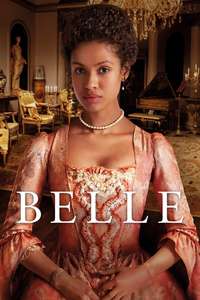
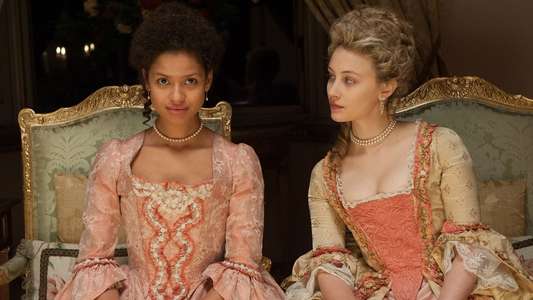
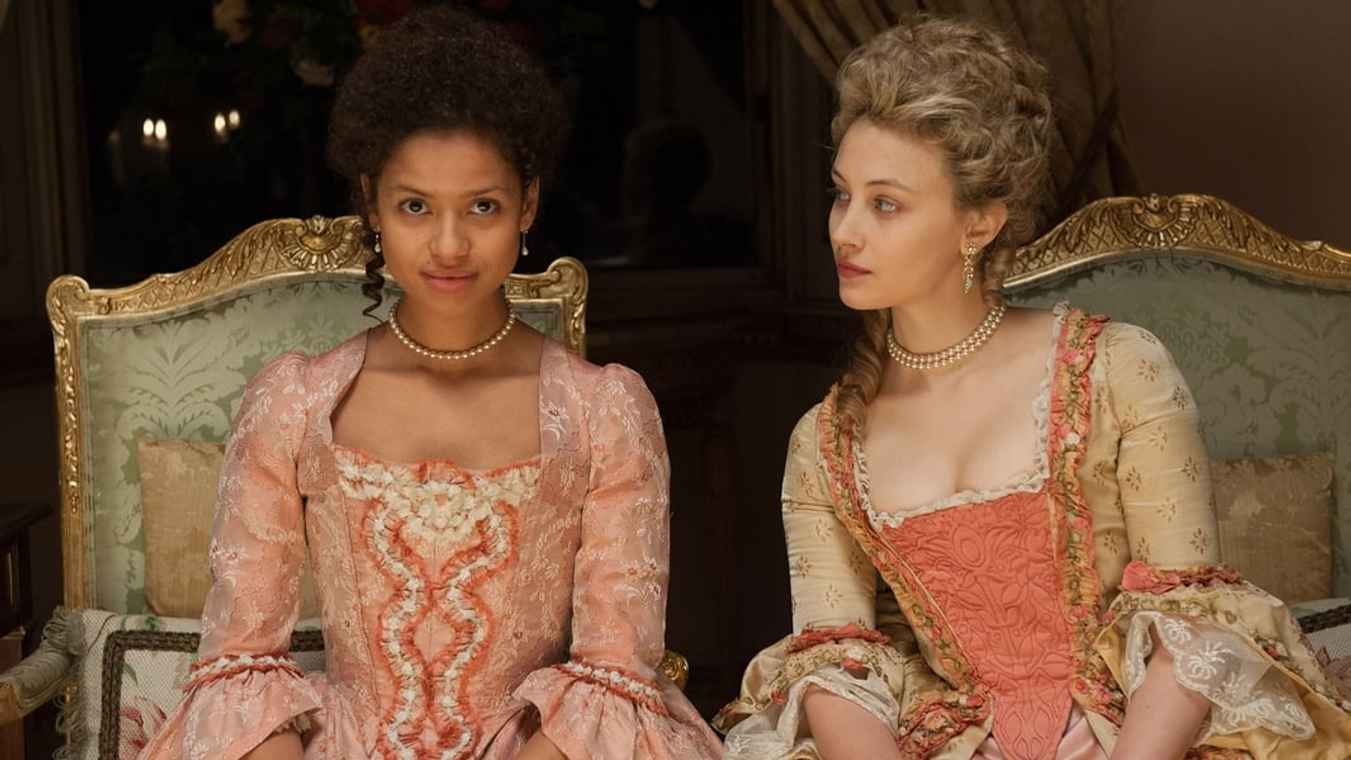
The credits cite David Gant as playing Johan Zoffany in the role of the artist who paints the famous portrait of Dido and Elizabeth, but many art experts now believe the work is by David Martin in the style of Zoffany. In 2017, the painting was owned by the Mansfield family and on view at their home, Scone Palace in Perth, Scotland.
"Dido Elizabeth Belle: My greatest misfortune would be to marry into a family who would carry me as their shame."
"Dido Elizabeth Belle: I have been blessed with freedom twice over, as a negro and as a woman."