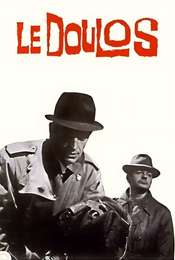

Movie |
Gun | Paris, France
Disclaimer: All content and media belong to original content streaming platforms/owners like Netflix, Disney+ Hotstar, Amazon Prime Videos, JioCinema, SonyLIV etc. 91mobiles entertainment does not claim any rights to the content and only aggregate the content along with the service providers links.



Motion Picture | 2022
Best Film | 1961 | Jean-Luc
Best Director | 1960 | Jean-Luc
Feature Film | 1960 | Jean-Luc
Best Foreign Actress | 1962 | Jean
Best Foreign Director (Regista del Miglior Film Straniero) | 1961 | Jean-Luc
Best Film | 1960 | Jean-Luc
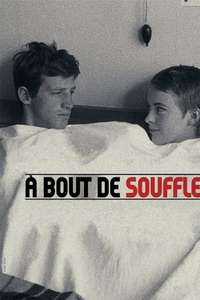
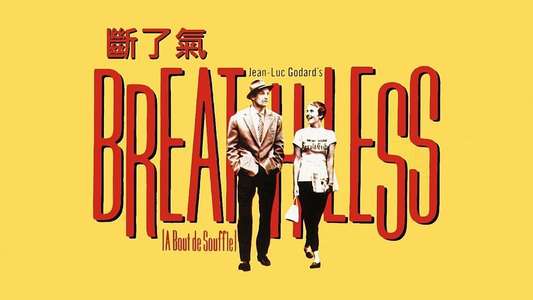
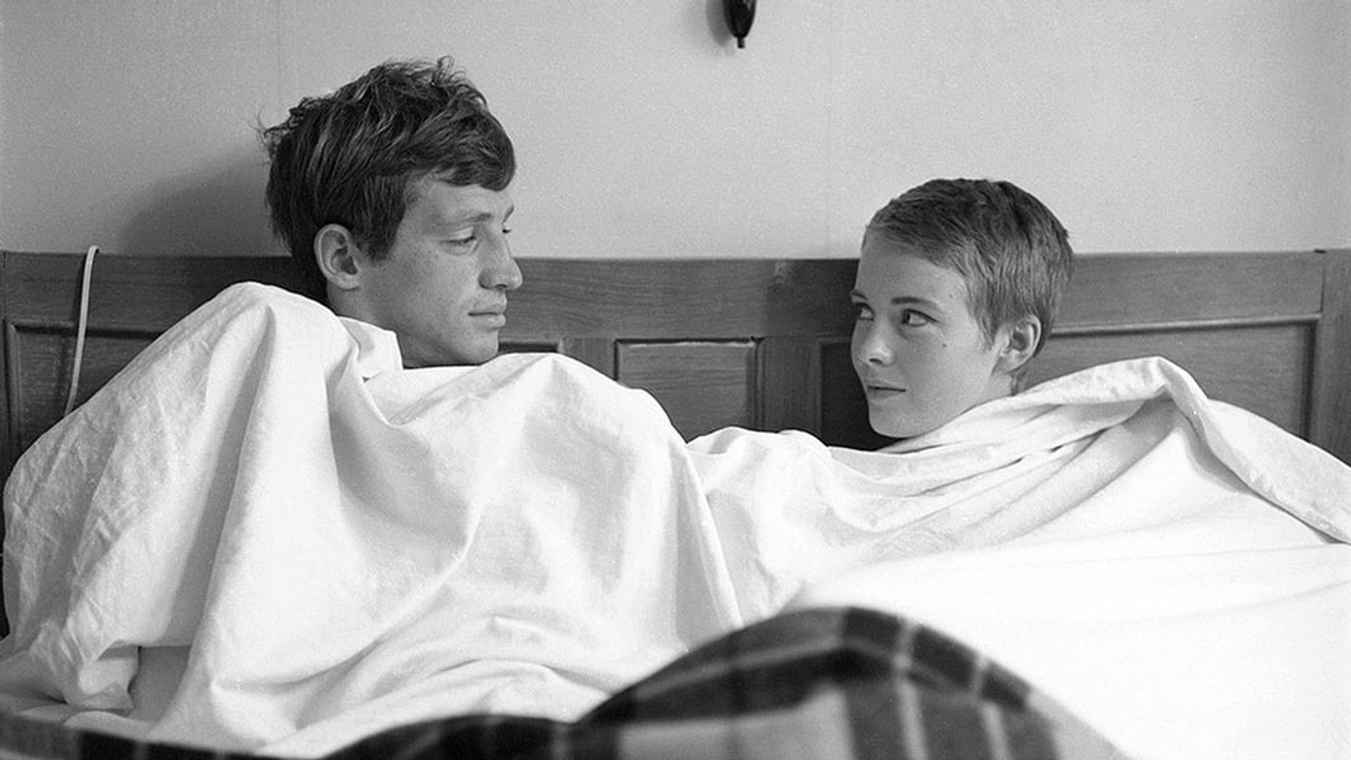
According to Jean-Pierre Melville, Godard asked him for consultation during the post-production stage, because the first edit was too long for distribution. Melville suggested Godard remove all scenes that slowed down the action (his own turn as novelist Parvulesco included). Instead of excluding entire scenes, though, Godard cut little bits from here and there. This led to the "jump cut" technique this movie introduced. Melville declared the result to be excellent.
Despite reports to the contrary, Jean-Luc Godard did not shoot the film without a script; however, he did not have a finished script at the beginning, instead writing scenes in the morning and filming them that day. See also Pierrot le Fou (1965).
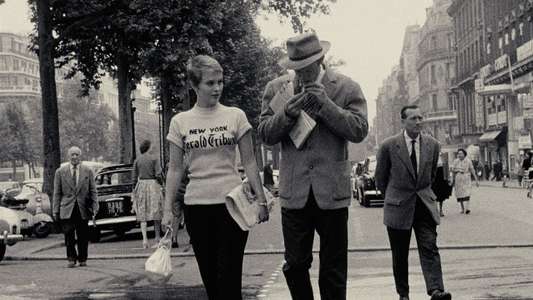
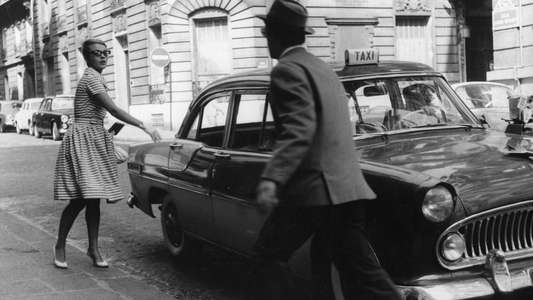
According to Raoul Coutard, some sleight of hand was involved in getting a permit to shoot on the streets of Paris. A complete script was needed to obtain the permit, so Jean-Luc Godard had an assistant type up a mock script for a film that would never be shot.
Jean-Paul Belmondo was very surprised by the warm reception the film received. Immediately after production, he was convinced it was so bad that he thought the film would never be released.
Jean-Luc Godard and Raoul Coutard found a way to shoot at night without additional lighting by using high-speed (400 ASA) film meant for still photography. Developing it in a special chemical bath doubled the sensitivity without becoming too grainy. Using that film, however, wouldn't have been possible with most movie cameras because the sprocket holes on photo film are different than those on movie film. But it worked with the Cameflex cameras they were using on this production, because the claws on those cameras, which pull the film through, only touch the edge of the perforation rather than going all the way through it, eliminating the need for a precise match.