
Movie |
Texas | Adoption
Disclaimer: All content and media belong to original content streaming platforms/owners like Netflix, Disney+ Hotstar, Amazon Prime Videos, JioCinema, SonyLIV etc. 91mobiles entertainment does not claim any rights to the content and only aggregate the content along with the service providers links.

Best Art Direction-Interior Decoration, Color | 1942
Best Art DirectionInterior Decoration Color | 1942
Best Picture | 1942
Best Actress in a Leading Role | 1942 | Greer
Best Cinematography Color | 1942
Best Film | 1948 | Mervyn
The child who portrayed Tony in the movie was a 4-year-old named Pat Barker. It was only when Pat came to Fort Worth to celebrate the movie's premiere that the world discovered that Pat was actually Patricia.
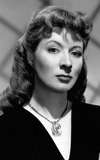
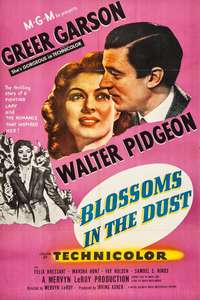
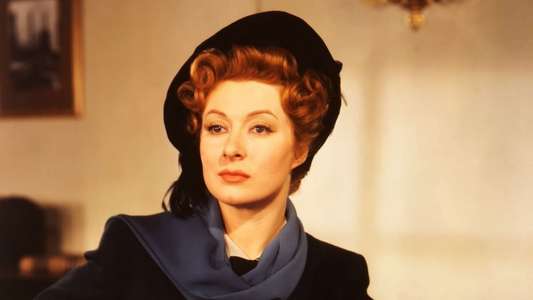
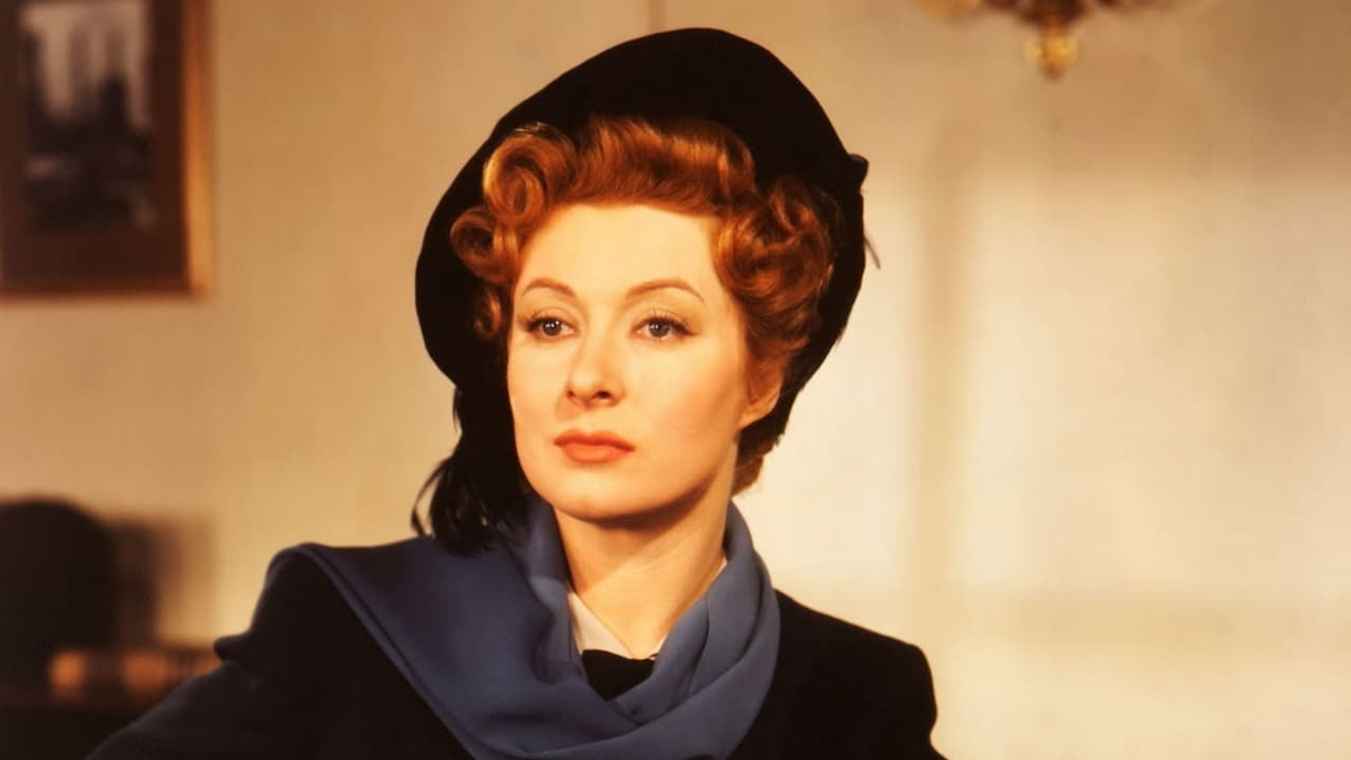
The first of five consecutive Best Actress Oscar nominations for Greer Garson; she would win the following year for Mrs. Miniver (1942).
Edna Gladney placed over 10,000 babies with adoptive parents during her career and totally revolutionized adoption practices, helping to grant adoptive children the same rights as "natural" children and giving orphaned children and many birth mothers a place to stay and a hospital where they could receive treatment. Gladney helped develop modern day adoption practices and removed the stigma of illegitimacy from birth records and from society. Gladney treated all of her children as if they were her own and continued correspondence with adopted children long after they had left her care.
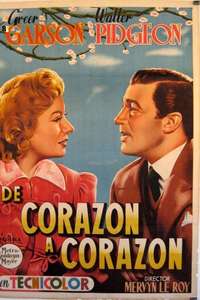
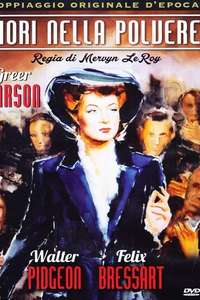
First of eight movies that paired Greer Garson and Walter Pidgeon.
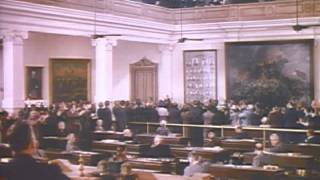
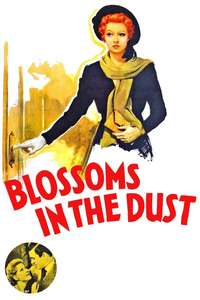
Theresa Harris, who plays Cleo, is clearly wearing a pronounced coat of 'blackface' over her own skin color, as it was felt that Harris' natural tone photographed too light. This was likely due to the influence of Gone With the Wind (1939), filmed only two years previously and the only film up to that time that featured a significant amount of African-American actors photographed in Technicolor, all particularly dark skinned. With color photography just beginning to gain a level of polish and sophistication, there were precious few films to use as research, and the black population featured in Gone With the Wind (1939) served as a template for the makers of Blossoms in the Dust (1941).
"Edna: There are no illegitimate children. There are only illegitimate parents!"
"Edna: Do I look like a hussy?"