
Movie |
Deaf-mute | Deaf
Disclaimer: All content and media belong to original content streaming platforms/owners like Netflix, Disney+ Hotstar, Amazon Prime Videos, JioCinema, SonyLIV etc. 91mobiles entertainment does not claim any rights to the content and only aggregate the content along with the service providers links.

Best Actress in a Leading Role | 1987 | Marlee
Best Performance by an Actress in a Motion Picture Drama | 1987 | Marlee
Foreign Film Auslndischer Film | 1988 | Randa
1987 | Randa
Top Ten Films | 1986
Best Writing Screenplay Based on Material from Another Medium | 1987 | Hesper
Best Picture | 1987 | Patrick J.
Best Actor in a Leading Role | 1987 | William
Best Actress in a Supporting Role | 1987 | Piper
Best Motion Picture Drama | 1987
Best Performance by an Actor in a Motion Picture Drama | 1987 | William
Best Screenplay Adapted | 1987 | Mark
Best Screenplay Based on Material from Another Medium | 1987 | Hesper
Outstanding Directorial Achievement in Motion Pictures | 1987 | Randa
1987 | Randa
Best Actress | 1986 | Marlee
Box Office Collection 31,853,080 USD
The first film directed by a woman (Randa Haines) to be Oscar nominated for the Academy Award for Best Picture.
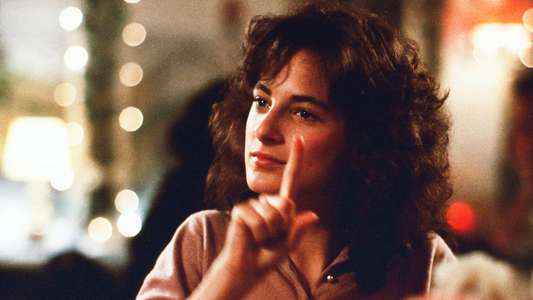
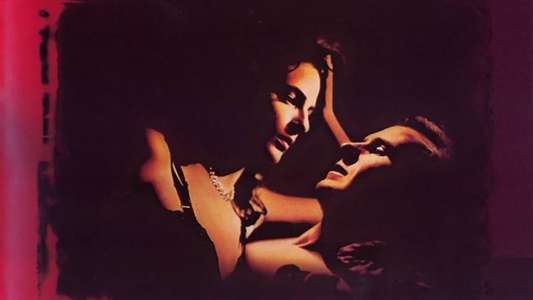
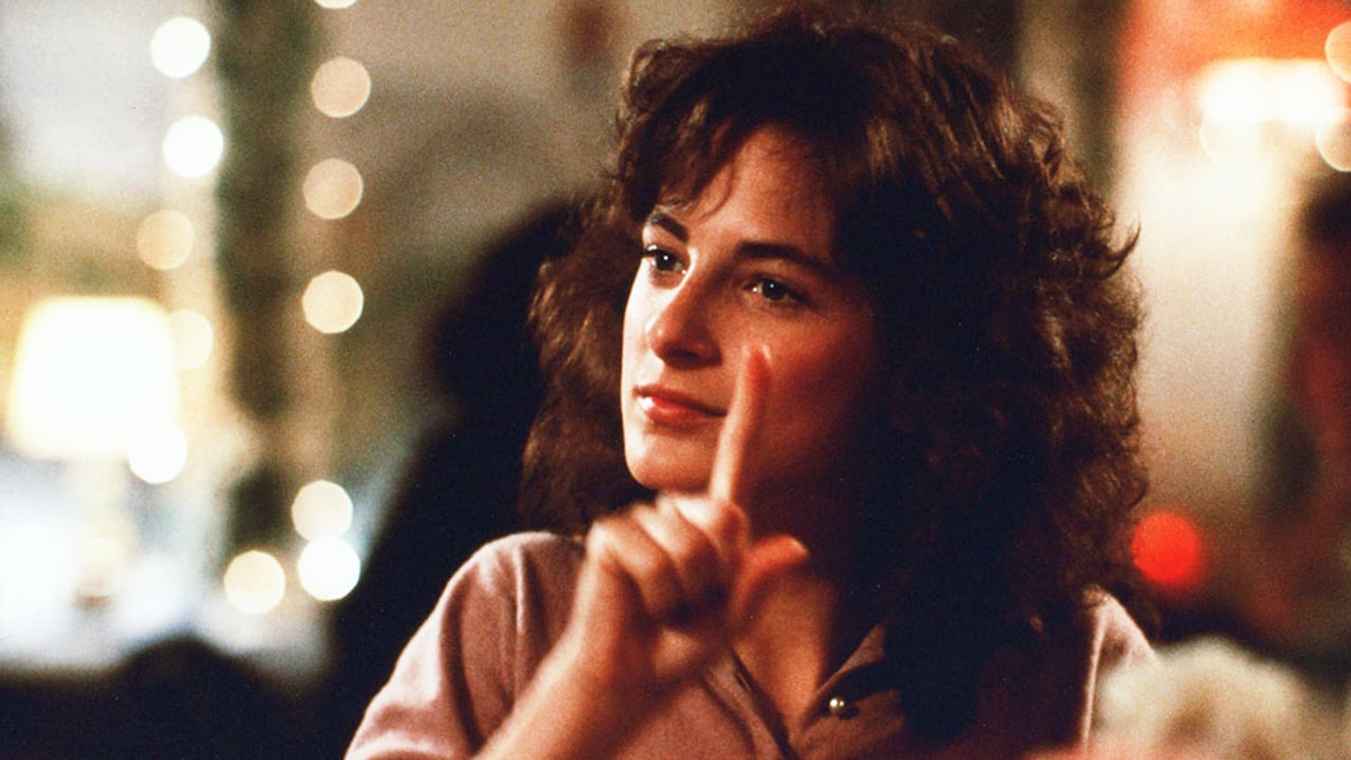
Marlee Matlin won the Best Actress Academy Award for her role as Sarah Norman in this film. At 21 years and 218 days, she is the youngest ever winner of a Best Actress Oscar. Matlin is also one of only five actresses to win the Best Actress Oscar for a debut film performance, the other four being Shirley Booth for Come Back, Little Sheba (1952), Audrey Hepburn for Roman Holiday (1953), Julie Andrews for Mary Poppins (1964), and Barbra Streisand for Funny Girl (1968).
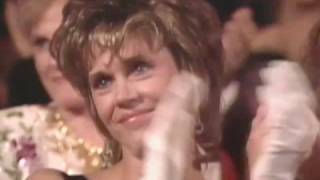
For her Best Actress Oscar acceptance speech, actress Marlee Matlin thanked the film's cast and crew, "particularly William Hurt for his great support and love", with the aid and assistance of an interpreter.
The film's box office takings shot up by an unprecedented 164% after Marlee Matlin's Oscar win for Best Actress.
According to the book "Hollywood Speaks: Deafness and the Film Entertainment Industry" (1999) by John S. Schuchman, the film was the first major motion picture since the 1926 silent film You'd Be Surprised (1926) to cast a deaf / hearing impaired actor Granville Redmond in a major role.
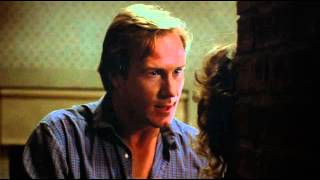
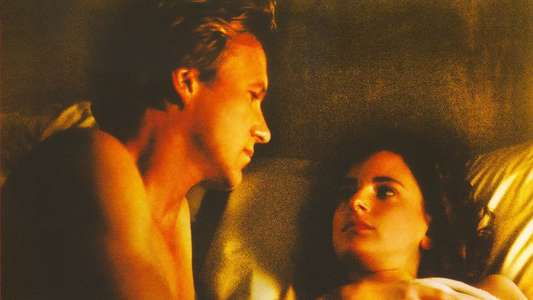
"James Leeds: Do you think that we could find a place where we can meet - not in silence and not in sound?"
"James Leeds: You can't start a bonfire and then say night night."