
Movie |
Army | Film Noir
Disclaimer: All content and media belong to original content streaming platforms/owners like Netflix, Disney+ Hotstar, Amazon Prime Videos, JioCinema, SonyLIV etc. 91mobiles entertainment does not claim any rights to the content and only aggregate the content along with the service providers links.

Best Social Film | 1947 | Edward
Best Motion Picture | 1948
Top Ten Films | 1947
Best Writing Screenplay | 1948
Best Director | 1948 | Edward
Best Actress in a Supporting Role | 1948
Best Actor in a Supporting Role | 1948 | Robert
Best Picture | 1948
Best Film from any Source | 1949
Budget 250,000 USD
Box Office Collection 1,300,000 USD
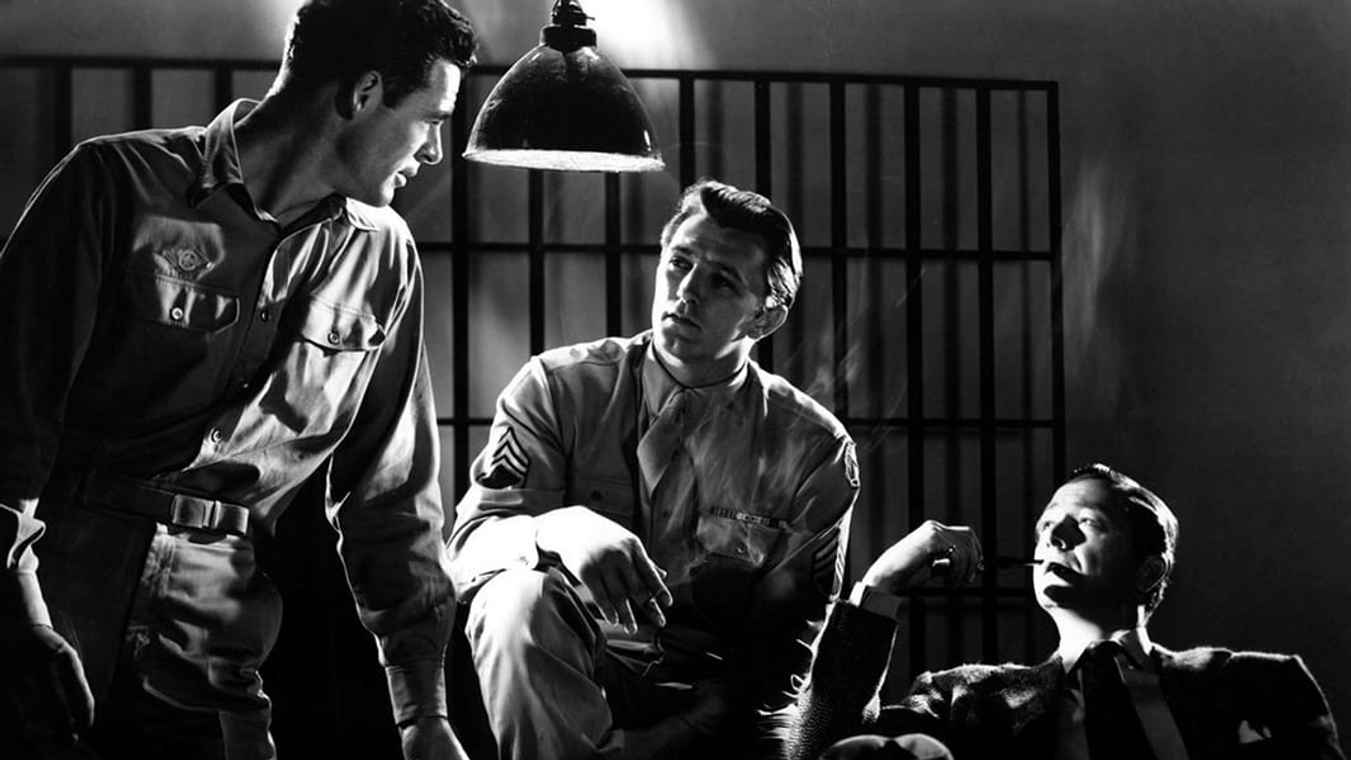
Based on Richard Brooks' first novel, "The Brick Foxhole" (1945), written while he was still a sergeant in the U.S. Marine Corps. One of the many subplots of the novel dealt with homophobia, but that was changed to anti-Semitism and became the focus of the story for the film. The decision was made by producer Adrian Scott, who had purchased the rights to the novel, knowing any depiction of homosexuality would not get past the Production Code Administration.
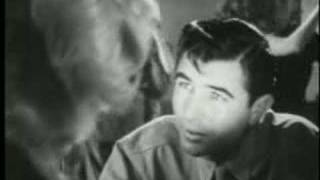
Robert Mitchum hated making the film, later claiming that any American actor could have played Keeley.
It has been suggested that one reason the film failed to win any Oscars was director Edward Dmytryk and producer Adrian Scott's testimony before the House Un-American Activities Committee (HUAC) in late 1947. They refused to state whether they were, or had been, Communists. Dmytryk--a Canadian who had become an American citizen only a decade earlier--and Scott became the first two "members" of the infamous "Hollywood Ten". The Hollywood Ten was a group of producers, writers, and directors who, in April 1948, were tried and convicted of contempt of Congress. They were subsequently blacklisted and, thus, unable to work in Hollywood.
Gloria Grahame later said that this was her favorite role.
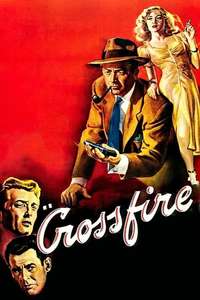
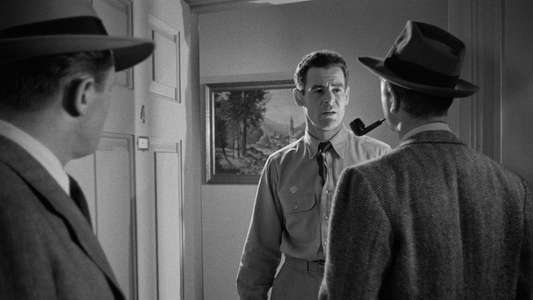
Thanks to cinematographer J. Roy Hunt, the film's atmospheric, low-key lighting was accomplished quickly and efficiently. This explains why it took only 24 days to shoot. It also resulted in what many consider to be one of the most visually impressive film noirs ever made.
"Finlay: Hating is always the same, always senseless. One day it kills Irish Catholics, the next day Jews, the next day Protestants, the next day Quakers. It's hard to stop. It can end up killing men who wear striped neckties. Or people from Tennessee."
"Finlay: This business of hating Jews comes in a lot of different sizes. There's the "you can't join our country club" kind and "you can't live around here" kind. Yes, and the "you can't work here" kind. And because we stand for all of these, we get Monty's kind. He's just one guy, we don't get him very often, but he grows out of all the rest."