
Movie |
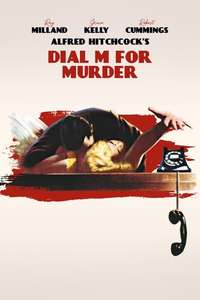
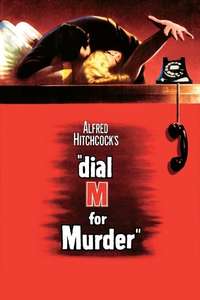
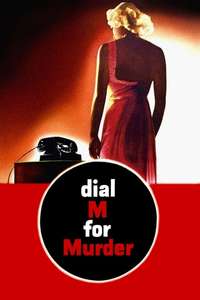
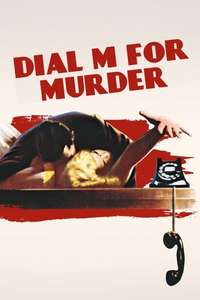
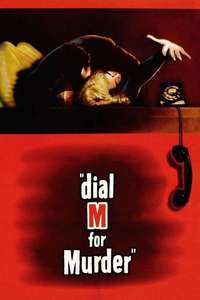
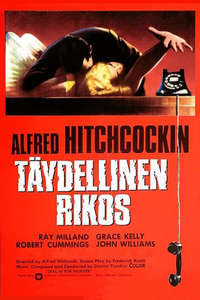
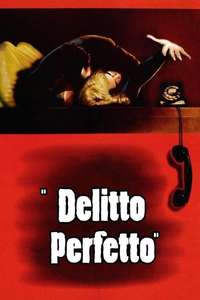
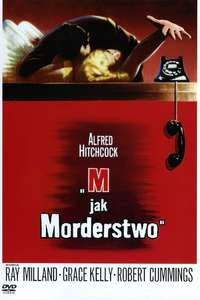
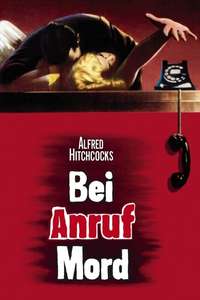
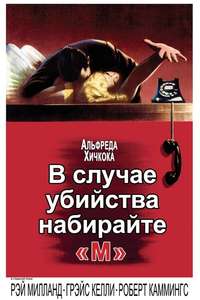
Theft | The Perfect Crime
Disclaimer: All content and media belong to original content streaming platforms/owners like Netflix, Disney+ Hotstar, Amazon Prime Videos, JioCinema, SonyLIV etc. 91mobiles entertainment does not claim any rights to the content and only aggregate the content along with the service providers links.


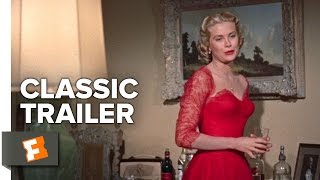




Best Archival Release of an Existing Score ReRelease or ReRecording | 2020 | William T. Stromberg
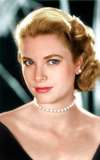
Best Foreign Actress | 1955 | Grace Kelly
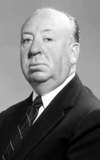
Outstanding Directorial Achievement in Motion Pictures | 1955 | Alfred Hitchcock
Best Actress International | 1955 | Grace Kelly
Budget 1,400,000 USD
Box Office Collection 3,000,000 USD

Amazon Music

Apple Music

Gaana

Spotify

Youtube Music
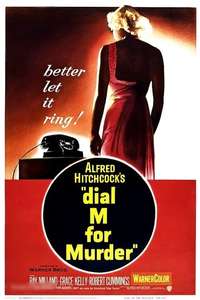
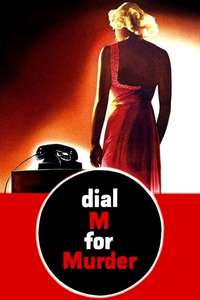
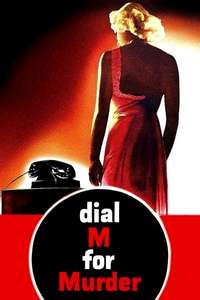
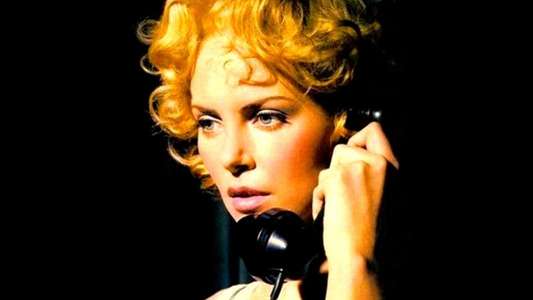
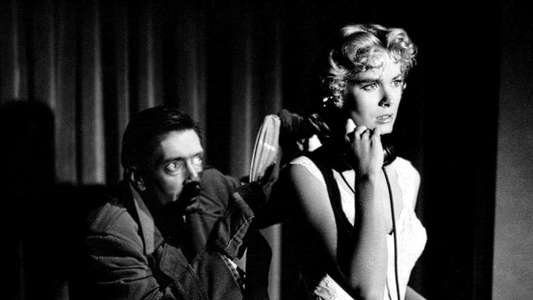
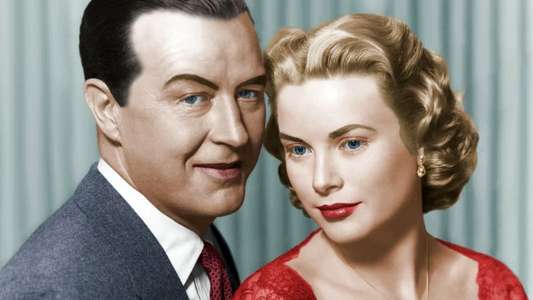
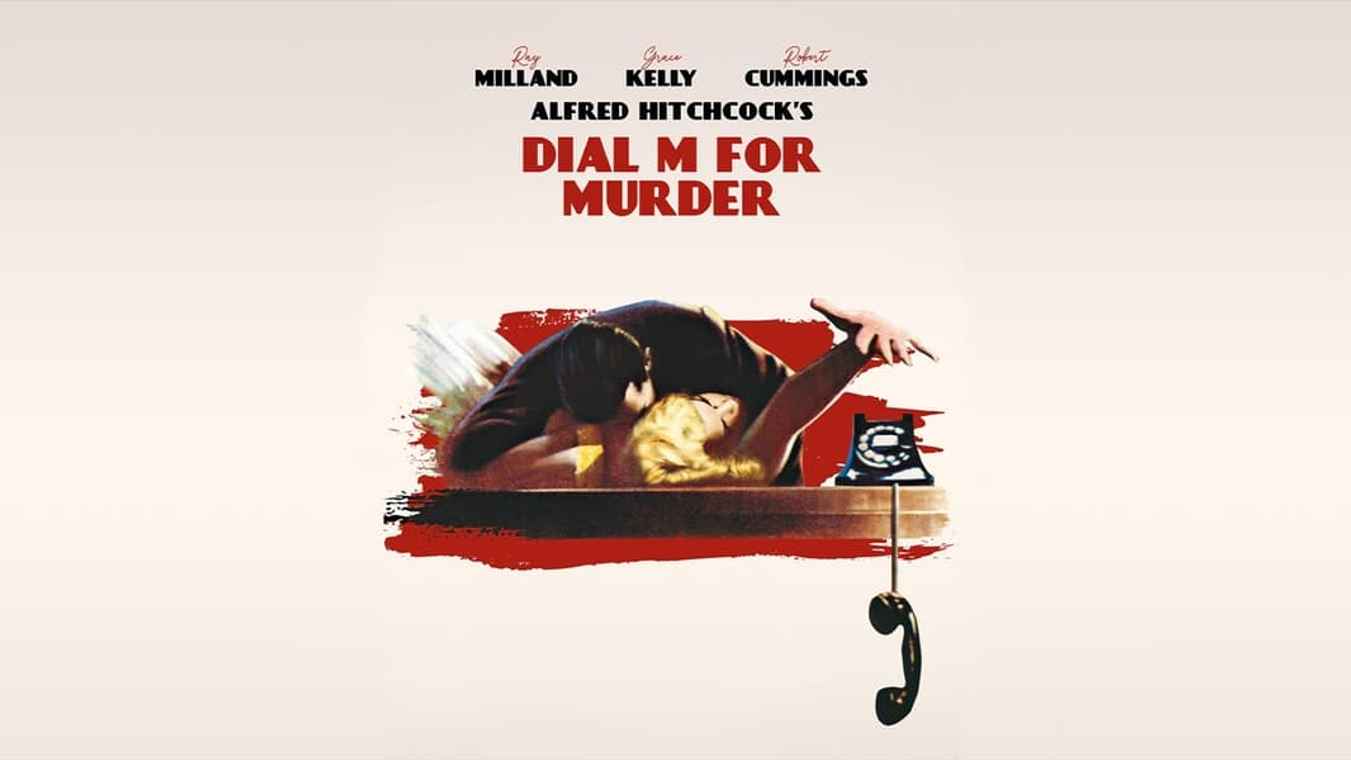
Sir Alfred Hitchcock had chosen a very expensive robe for Grace Kelly to wear when she answered the phone. Kelly balked and said that no woman would put on such a robe just to answer the ringing telephone while she was asleep alone; she would answer it in her nightgown. Hitchcock agreed to do it her way and liked the way the rushes turned out, and he allowed Kelly to make all costume decisions for herself in their subsequent movies together.
Sir Alfred Hitchcock wanted Cary Grant to star, but Warner Brothers felt that he would be miscast as a villain.
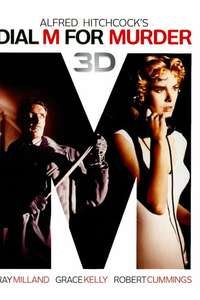
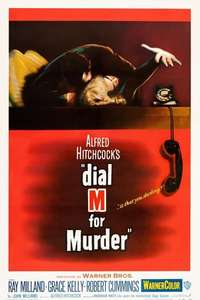
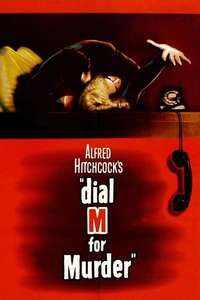
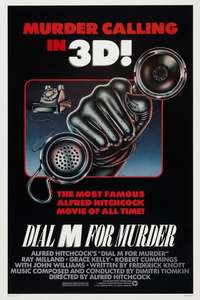
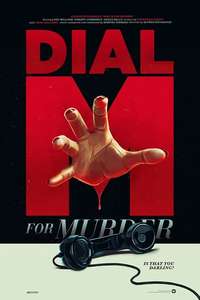
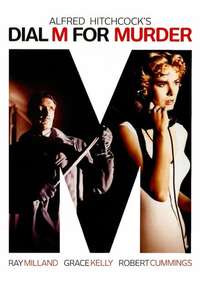
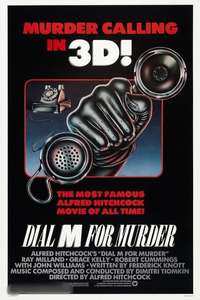
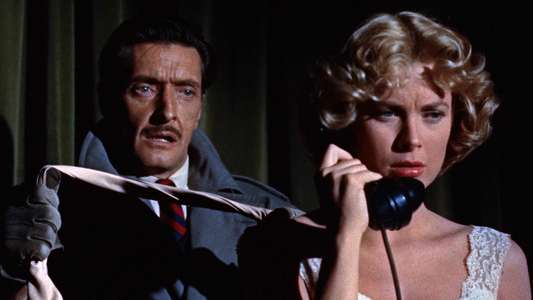
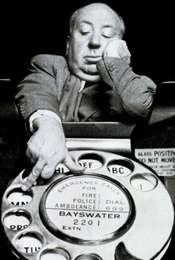
Warner Bros. insisted on shooting the movie in 3-D, although the craze was fading and Sir Alfred Hitchcock was sure the movie would be released flat. Hitchcock wanted the first shot to be that of a close-up of a finger dialing the letter M on a rotary dial telephone, but the 3-D camera would not be able to focus such a close-up correctly. Hitchcock ordered a giant finger made from wood with a proportionally large dial built in order to achieve the effect.
John Williams won the 1953 Tony Award (Broadway) for Best Featured Actor in a Play for "Dial M for Murder" as Inspector Hubbard. He re-created the role in this movie.
Sir Alfred Hitchcock made a special effort to shoot scenes indoors, almost exclusively. Only a few brief shots, usually involving Chief Inspector Hubbard, take place outside. Hitchcock believed the decision to shoot most scenes indoors would create a sense of claustrophobia.
Sir Alfred Hitchcock had chosen a very expensive robe for Grace Kelly to wear when she answered the phone. Kelly balked and said that no woman would put on such a robe just to answer the ringing telephone while she was asleep alone; she would answer it in her nightgown. Hitchcock agreed to do it her way and liked the way the rushes turned out, and he allowed Kelly to make all costume decisions for herself in their subsequent movies together.
Sir Alfred Hitchcock wanted Cary Grant to star, but Warner Brothers felt that he would be miscast as a villain.
Warner Bros. insisted on shooting the movie in 3-D, although the craze was fading and Sir Alfred Hitchcock was sure the movie would be released flat. Hitchcock wanted the first shot to be that of a close-up of a finger dialing the letter M on a rotary dial telephone, but the 3-D camera would not be able to focus such a close-up correctly. Hitchcock ordered a giant finger made from wood with a proportionally large dial built in order to achieve the effect.
John Williams won the 1953 Tony Award (Broadway) for Best Featured Actor in a Play for "Dial M for Murder" as Inspector Hubbard. He re-created the role in this movie.
Sir Alfred Hitchcock made a special effort to shoot scenes indoors, almost exclusively. Only a few brief shots, usually involving Chief Inspector Hubbard, take place outside. Hitchcock believed the decision to shoot most scenes indoors would create a sense of claustrophobia.
"Tony Wendice: How do you go about writing a detective story? Mark Halliday: Well, you forget detection and concentrate on crime. Crime's the thing. And then you imagine you're going to steal something or murder somebody. Tony Wendice: Oh, is that how you do it? It's interesting. Mark Halliday: Yes, I usually put myself in the criminal's shoes and then I keep asking myself, uh, what do I do next? Margot Mary Wendice: Do you really believe in the perfect murder? Mark Halliday: Mmm, yes, absolutely. On paper, that is. And I think I could, uh, plan one better than most people; but I doubt if I could carry it out. Tony Wendice: Oh? Why not? Mark Halliday: Well, because in stories things usually turn out the way the author wants them to; and in real life they don't... always. Tony Wendice: Hmm. Mark Halliday: No, I'm afraid my murders would be something like my bridge: I'd make some stupid mistake and never realize it until I found everybody was looking at me."
"Tony Wendice: It's funny to think that just a year ago, I sat in that Knightsbridge Pub actually planning to murder her. And I might have done it, if I hadn't seen something that changed my mind. C.A. Swan: Well? What did you see? Tony Wendice: I saw you."