
Movie |
Norwegian Resistance | World War Ii
Disclaimer: All content and media belong to original content streaming platforms/owners like Netflix, Disney+ Hotstar, Amazon Prime Videos, JioCinema, SonyLIV etc. 91mobiles entertainment does not claim any rights to the content and only aggregate the content along with the service providers links.

Budget 1,653,000 USD
Box Office Collection 3,669,000 USD
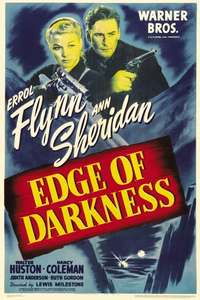
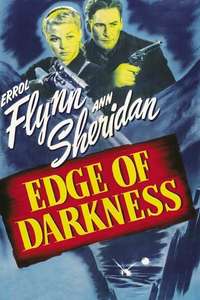
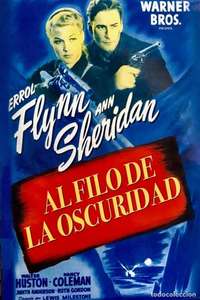
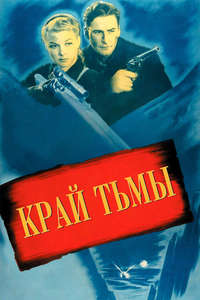
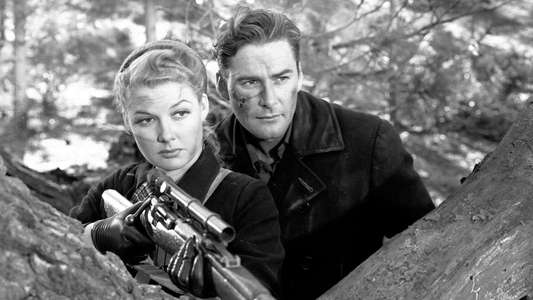
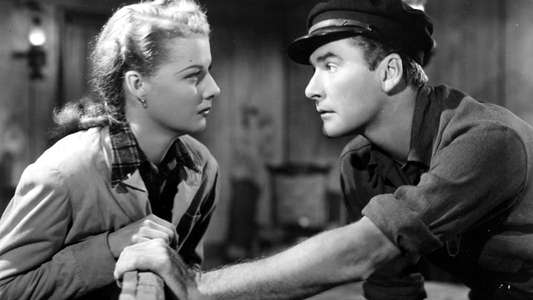
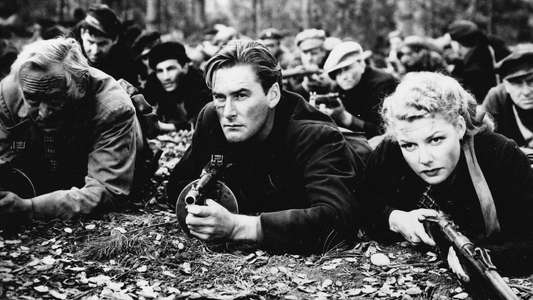
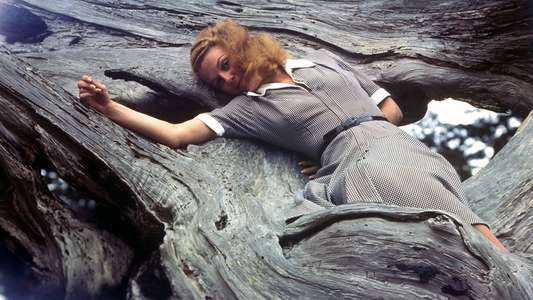
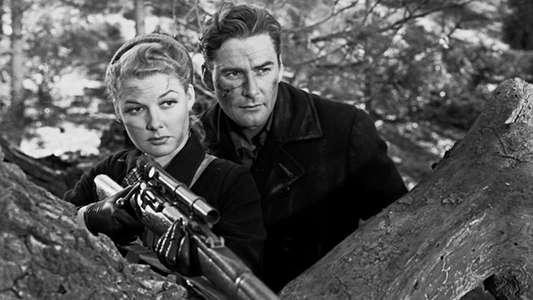
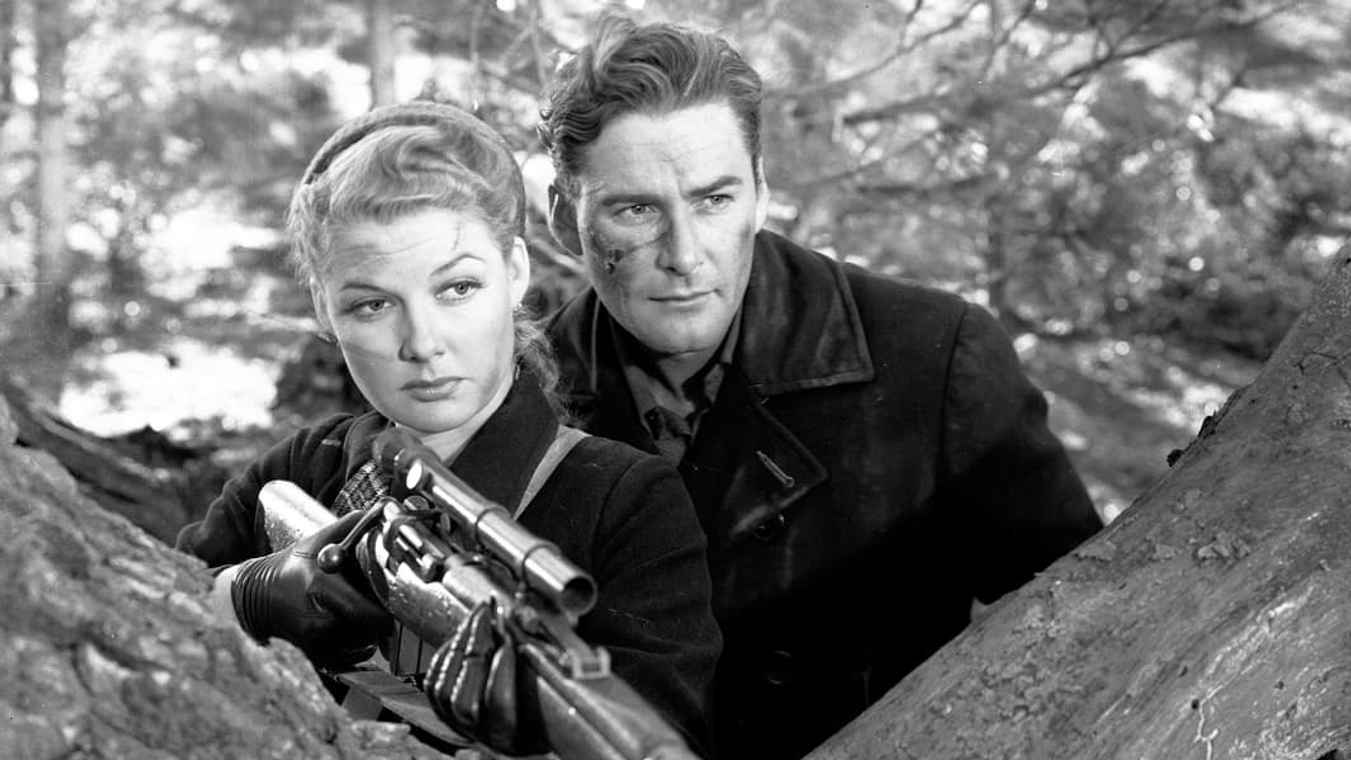
According to the book "The Films of World War II" by Joe Morella, Edward Z. Epstein and John Griggs, the production was beset by many problems. The book states, "Ann Sheridan parted from husband George Brent; Errol Flynn was indicted for rape; location shooting in a small California town was delayed several weeks because of fog, during which Ruth Gordon and Judith Anderson were besieged with telegrams from Katharine Cornell demanding their return to New York for her stage production of 'The Three Sisters'. Miss Gordon was restrained from leaving, but not before letting it be known that she hated Hollywood and the picture. Fortunately for Warners, the fog lifted, Flynn was acquitted, and the film was completed."
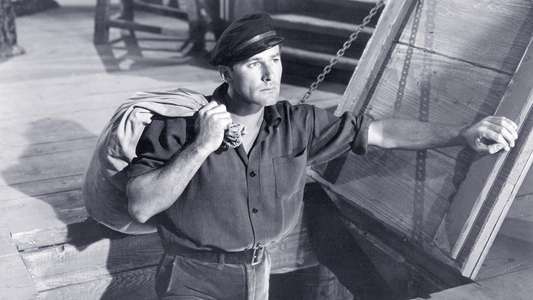
Errol Flynn was criticized for playing heroes in World War II movies. Tony Thomas, in his book "Errol Flynn: The Spy Who Never Was", states that Flynn had tried to enlist in every branch of the armed services he could, but was rejected as unfit for service on the grounds of his health--he had a heart condition, tuberculosis, malaria, and a back problem. He felt he could contribute to America's war effort by appearing in such movies as Northern Pursuit (1943), Dive Bomber (1941), Objective, Burma! (1945), and Uncertain Glory (1944). Reportedly, he was at his most professional and cooperative while working on these movies. Warner Bros. managed to keep reports about his health problems from being made public because they were afraid it might affect his box-office draw.
Errol Flynn went on trial on charges of rape during production. Warner Bros. studio chief Jack L. Warner rushed his previous movie, Gentleman Jim (1942), into release, and even hired Flynn a lawyer. Flynn was eventually acquitted of all charges.
The words spoken at the end of the movie are those of President Franklin D. Roosevelt. He was still trying to convince the American public of the need to enter into the fight against Germany. At the time, Americans were unwilling to fight in Europe, having recently fought in World War I, it was only due to Germany's declaring war on the US, right after the Japanese attack on Pearl Harbor, that the President got his wish to fight Adolf Hitler.
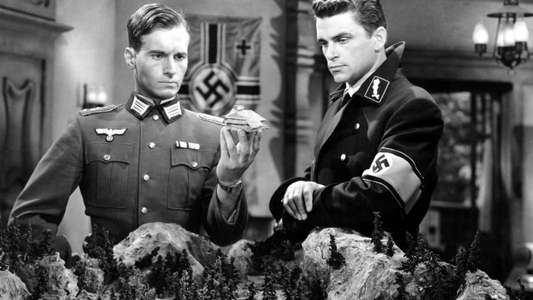
When a character refers to a traitorous Nazi collaborator (like Karen's brother, Johann) he's called a "quisling". This term comes from a Norwegian fascist supporter of Nazi Germany's occupation, Vidkun Quisling, a former army officer who served as a puppet prime minister for the Nazis. He was tried for treason by Norway and executed in 1945 after its liberation.
"Captain Hauptmann Koenig: What do you want? Sixtus Andresen: I... thought it only right, considering that you are... de facto commandant of the village, to acquaint you with a decision that I've made. Captain Hauptmann Koenig: I'm very busy. Sixtus Andresen: I know. I hope you'll forgive me. I know I'm being selfish. But, uhh... Why did you want my house? Captain Hauptmann Koenig: For a block house! But what was it you wanted to see me about? Sixtus Andresen: I cannot let you have my house. Captain Hauptmann Koenig: You what? Sixtus Andresen: I must forbid you to enter my house. Captain Hauptmann Koenig: [laughs hysterically] Are you insane? I could have you shot! Sixtus Andresen: I know. But if you're interested, I'll tell you what brought me to my conclusion, which is, I can assure you, completely unshakeable. You see, I am well past seventy, and at my age it would be foolish for me to be like Socrates' enemies, and fear death more than I love truth. Captain Hauptmann Koenig: Go on! Sixtus Andresen: ...I have no guns, no airplanes, no force. I disdain. Captain Hauptmann Koenig: SILENCE! Sixtus Andresen: What you don't understand is that the individual man... Captain Hauptmann Koenig: QUIET, YOU FOOL! Sixtus Andresen: - The individual man must stand against you like a rock. Captain Hauptmann Koenig: [shaking Andresen] Will you STOP! Sixtus Andresen: [calmly] No. If I were afraid, there might be hope for you, but I am not. [Koenig slaps Andresen across the face] Sixtus Andresen: There are certain things you cannot take away from me... What is mine, is mine. Do you think you can stop the working of my brain and my heart? [slap] Sixtus Andresen: We are not animals; we are men. [slap] Sixtus Andresen: That is the foundation of law - you cannot win. [slap] Sixtus Andresen: Where are your courts? [slap] Sixtus Andresen: Your judges? [slap] Sixtus Andresen: And your juries? [slap] Sixtus Andresen: Until you bring them forward, I must forbid you my house. Captain Hauptmann Koenig: HE 'FORBIDS'! [knocks the old man down the stairwell]"
"Knut Osterholm: I'm a farmer. If I lose my farm there must be a reason for it. The sacrifice of one poor village - what will it accomplish? Gerd Bjarnesen: What sacrifice? What are you giving up? Your life? Maybe they'll take that from you whether you fight or not? Your farm? It isn't yours anyway until you fight for it. Your peace? What peace is there when a body of troops can come in the middle of the night and arrest you as a hostage. To be shot, for something you never did or never even thought of. To live in constant fear. Have blackings at your windows. Talk in whispers. Have guards at your church doors." Jensen - Shoemaker: Do you have any more objections?"