
Movie
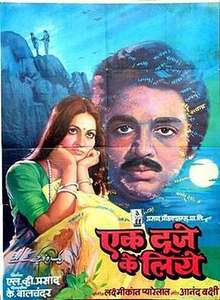
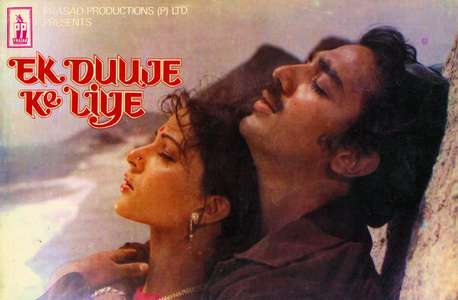
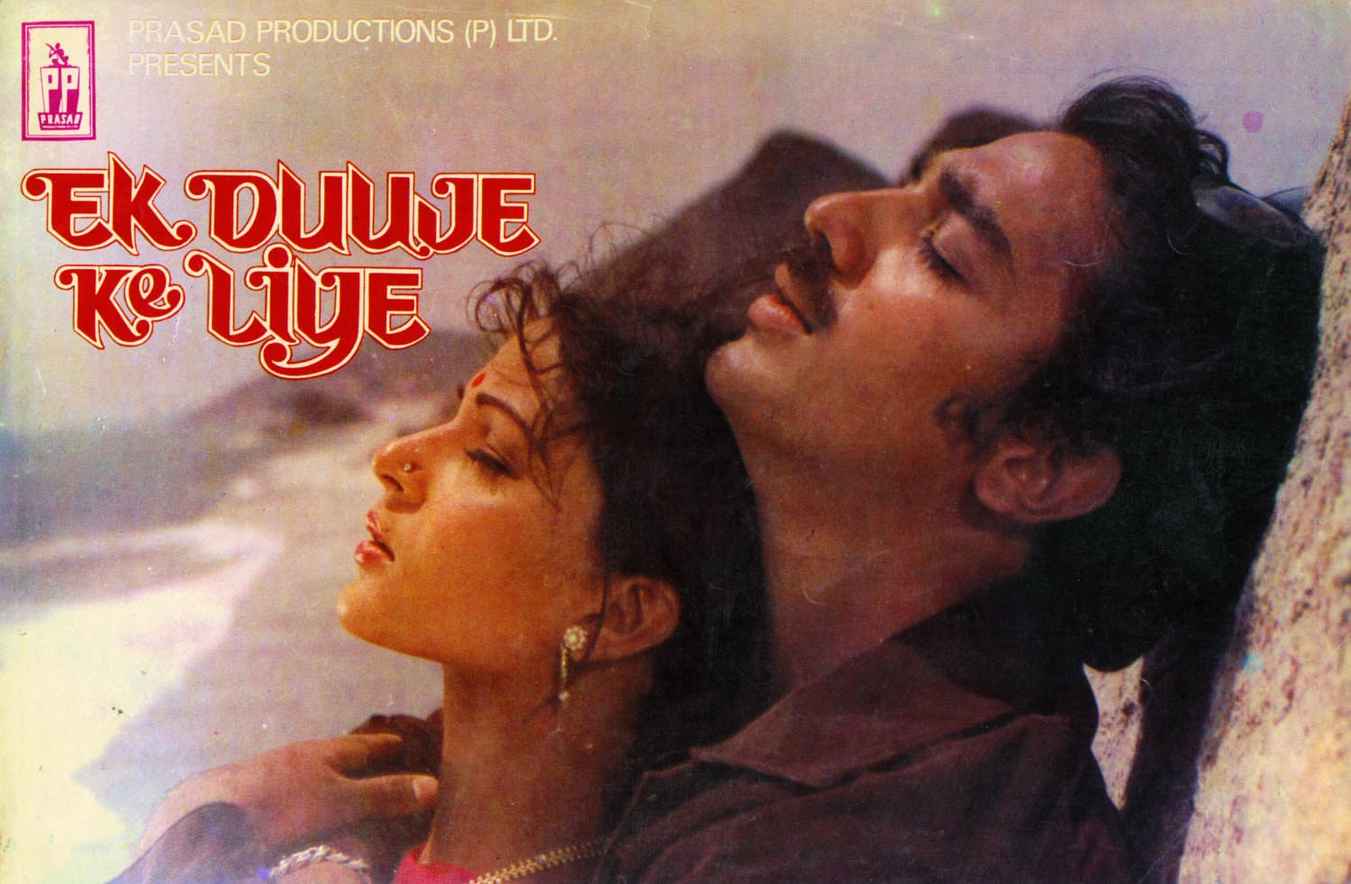
The cross-cultural romance between Vaasu and Sapna meets heavy opposition from their family, who vow to stop their union at any cost. As the star-crossed lover's forbidden love ensues, nothing will prepare them for their tragic destiny. Starring Kamal Haasan, Rati Agnihotri, Madhavi in lead roles.
Disclaimer: All content and media belong to original content streaming platforms/owners like Netflix, Disney+ Hotstar, Amazon Prime Videos, JioCinema, SonyLIV etc. 91mobiles entertainment does not claim any rights to the content and only aggregate the content along with the service providers links.
The cross-cultural romance between Vaasu and Sapna meets heavy opposition from their family, who vow to stop their union at any cost. As the star-crossed lover's forbidden love ensues, nothing will prepare them for their tragic destiny. Starring Kamal Haasan, Rati Agnihotri, Madhavi in lead roles.
Best Playback Singer Male | 1982
While shooting the song Tere Mere Beech Mein director K Balachandra stopped the shoot in between everyone on the set was surprised as the shoot was going fine and in between he stopped the film and decided to meet lyricist Anand Bakshi.Anand Bakshi who was not in Bombay then had gone to Hyderabad he was immediately called to Goa where shoot was taking place.K Balachandra asked him in this song what does the word Zehro Zabar mean.Anand Bakshi told him that it means uniting two things which also refers to the film title.
Britney Spears' song Toxic sampled a part of the song Tere Mere Beech Mein.
K. Balachander had shown a preview of the film to legendary filmmaker Raj Kapoor before it's release. Kapoor liked the film but not the ending, which he found to be overly sad. He suggested to Balachander to change it to a happy ending, but the latter refused and stuck with the sad ending.
In the scene in which Rati Agnihotri mixes the burnt remains of a photograph into her tea and drinks it, she really did do that. She did not realize at that time that the photos back then had toxic chemicals like silver in them. Fortunately she did not suffer any ill effects.
This was the first Hindi film for South Indian singer S. P. Balasubrahmanyam. The music directors were initially against including him, feeling that the "Madrasi" would not do justice to a Hindi composition, but Balachander cited that if the lead character played by Haasan could not speak Hindi well, then even if Balasubrahmanyam blemished the song, it would "capture the character."