
Movie |
Spain | Historical Figure
Disclaimer: All content and media belong to original content streaming platforms/owners like Netflix, Disney+ Hotstar, Amazon Prime Videos, JioCinema, SonyLIV etc. 91mobiles entertainment does not claim any rights to the content and only aggregate the content along with the service providers links.


Best ReRecording of an Existing Score | 2008 | Nic
Best Sound Editing Feature Film | 1962
Best Actress International | 1962 | Sophia
Best Foreign Film Mejor Pelcula Extranjera | 1962
Top Action Drama | 1962
1962
Best Art DirectionSet Decoration Color | 1962 | Veniero
Best Music Scoring of a Dramatic or Comedy Picture | 1962
Best Music Original Song | 1962
Best Costume Design Migliori Costumi | 1963 | Veniero
Best Production Design Migliore Scenografia | 1963 | Veniero
Outstanding Directorial Achievement in Motion Pictures | 1962
Best Actor International | 1962 | Charlton
1962
Budget 6,250,000 USD
In some Muslim countries the entire climax is left out as it depicts the massacre of the Moors.
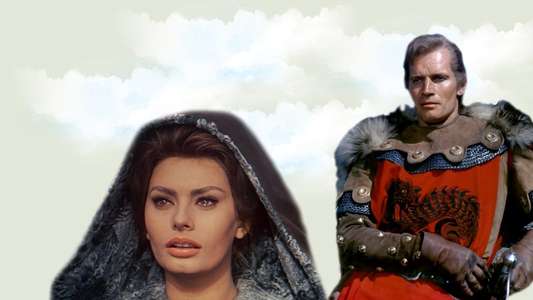
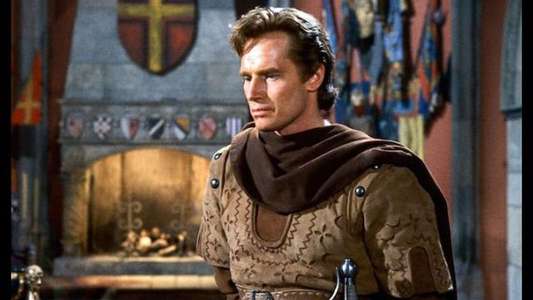
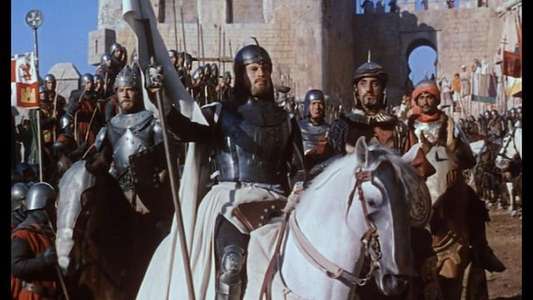
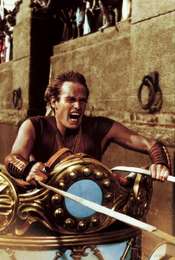
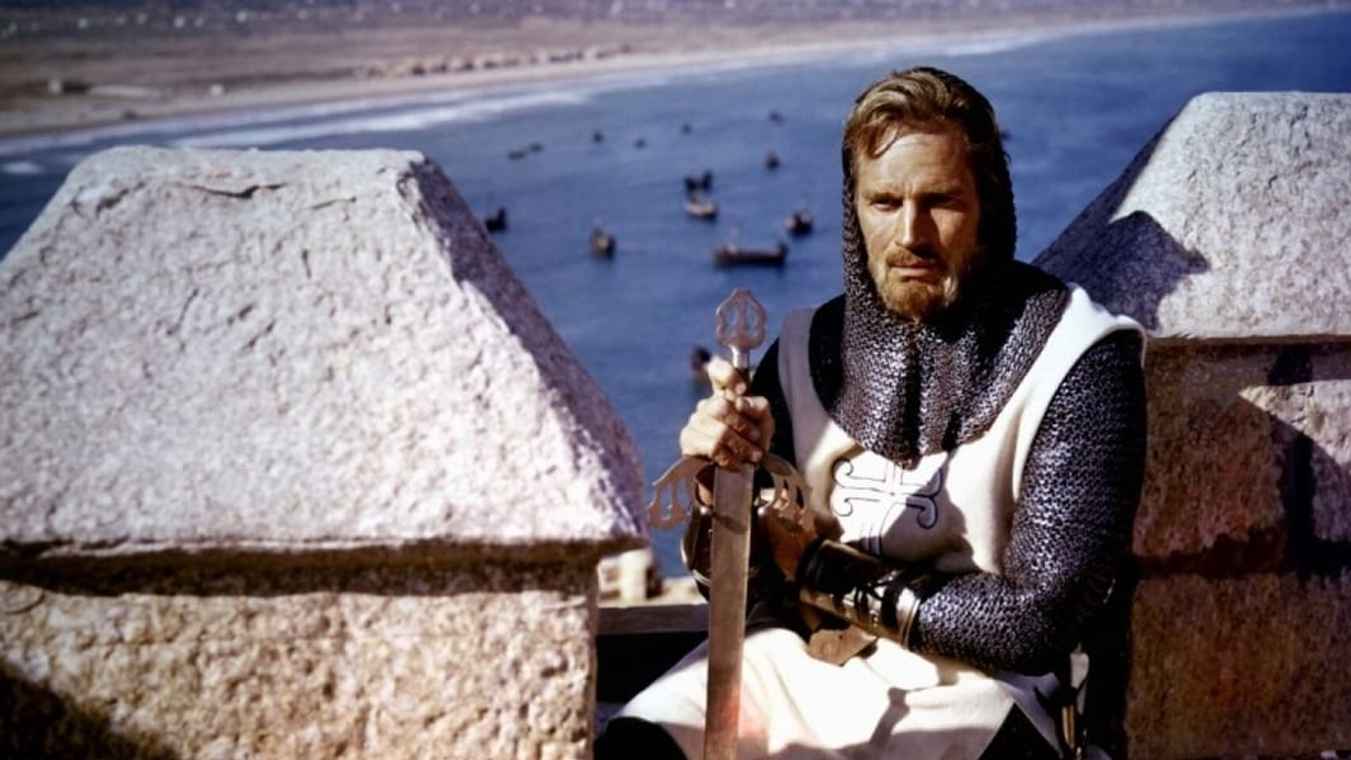
Charlton Heston was the first and only choice of the producers.
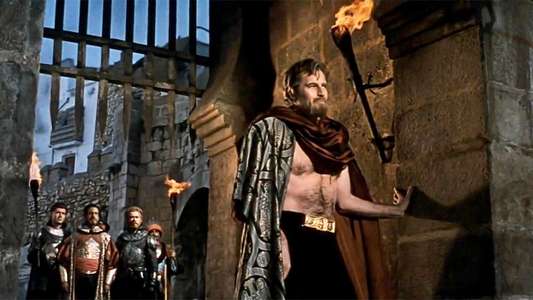
According to the legend of El Cid, in his youth Rodrigo came across a leper sinking in quicksand crying for help, but none of the bystanders dared touch him. Rodrigo pulled him from the bog, clothed him in his cloak, housed him in a barn, and went to get him some food. When he returned, he found the leper had transformed into an angelic figure that identified himself as St. Lazarus. He said "For your bravery and kindness, you will enjoy success as a warrior. You will win battles upon battles and never know defeat." In a nice nod to the legend, this movie contains a scene wherein the banished Rodrigo encounters a thirsty leper who begs a drink. After unhesitatingly offering his own pouch, the Leper thanks him by name. "Who are you?" asks Rodrigo. "I am called Lazarus", the leper answers. Then he crosses Rodrigo with his staff. "May helping hands be extended to you everywhere you go, my Cid."
Perhaps somewhat surprisingly, Charlton Heston himself was not overly impressed by the finished movie, suggesting in his 1995 autobiography "In the Arena" that this movie might have been better if William Wyler had directed it instead of Anthony Mann. Conversely, he speculates that Ben-Hur (1959) may have been more effective with Mann, not Wyler, helming it. Heston recalled he once mentioned this idea to Wyler, who thought little of it.
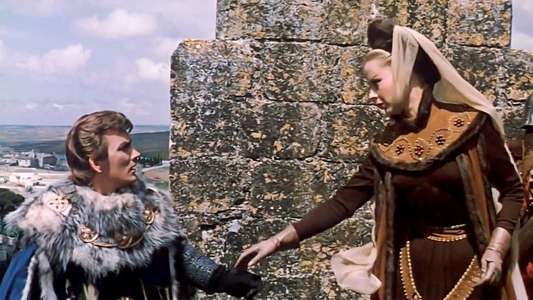
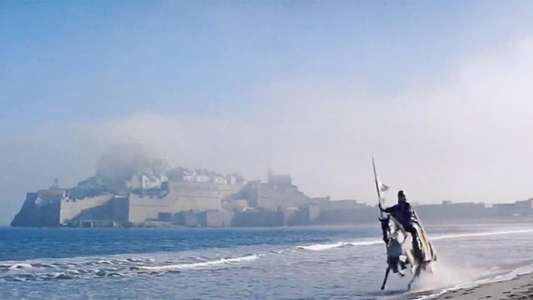
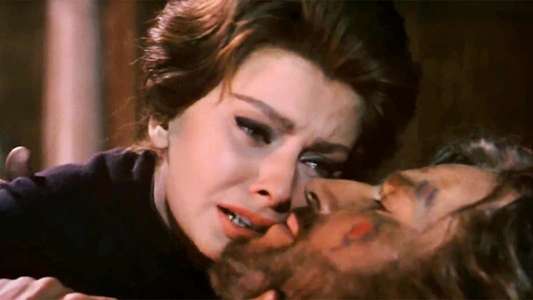
El Cid and his wife Jimena Díaz lived peacefully in Valencia for five years until the Almoravids besieged the city. According to legend, El Cid was fighting one of the men when he was shot in the heart with an arrow. Valencia's troops were losing spirit when Jimena thought if she set the corpse of El Cid atop his horse Babieca, the morale of Valencia's troops would soar. Alfonso ordered the city burned to prevent it from falling into the hands of the Almoravids. Valencia was captured by Masdali on May 5, 1102 and it did not become a Christian city again for over one hundred twenty-five years. Jimena fled to Burgos with her husband's body. Originally buried in Castile in the monastery of San Pedro de Cardeña, his body now lies at the center of the Burgos Cathedral.
"Moutamin: [after El Cid claims Valencia for the King] What a noble subject, if only he had a noble King."
"Prince Sancho: [after Count Ordóñez betrays Prince Sancho in and ambush to kill El Cid] Kill him! El Cid: You will soon be a King, you must start to think like one, any man can kill, only a King can give life!"