
Movie |
Rocket Launch Site | Space Travel
Disclaimer: All content and media belong to original content streaming platforms/owners like Netflix, Disney+ Hotstar, Amazon Prime Videos, JioCinema, SonyLIV etc. 91mobiles entertainment does not claim any rights to the content and only aggregate the content along with the service providers links.
Documentary | 1989 | Al
1989 | Al
Documentary | 1989 | Al
Best Documentary Features | 1990
Best Documentary | 2010 | Al
Best Documentary | 1991
Box Office Collection 770,132 USD
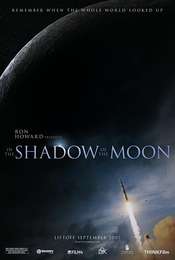
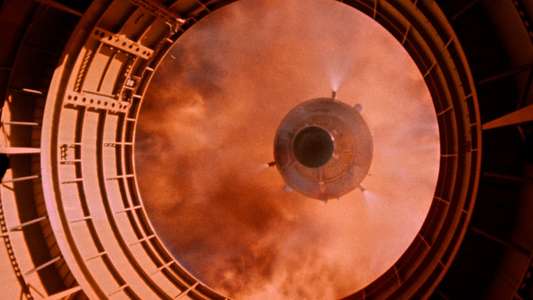
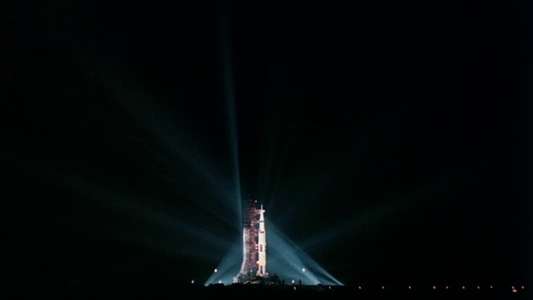
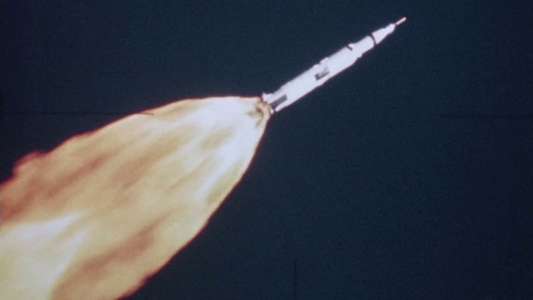
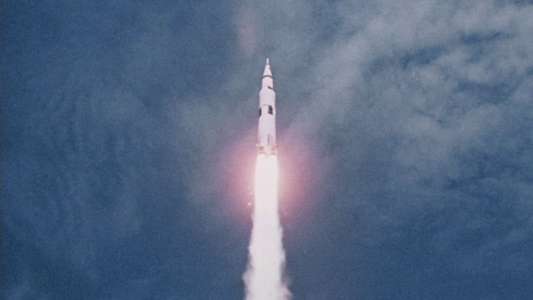
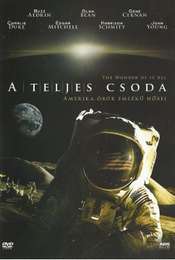
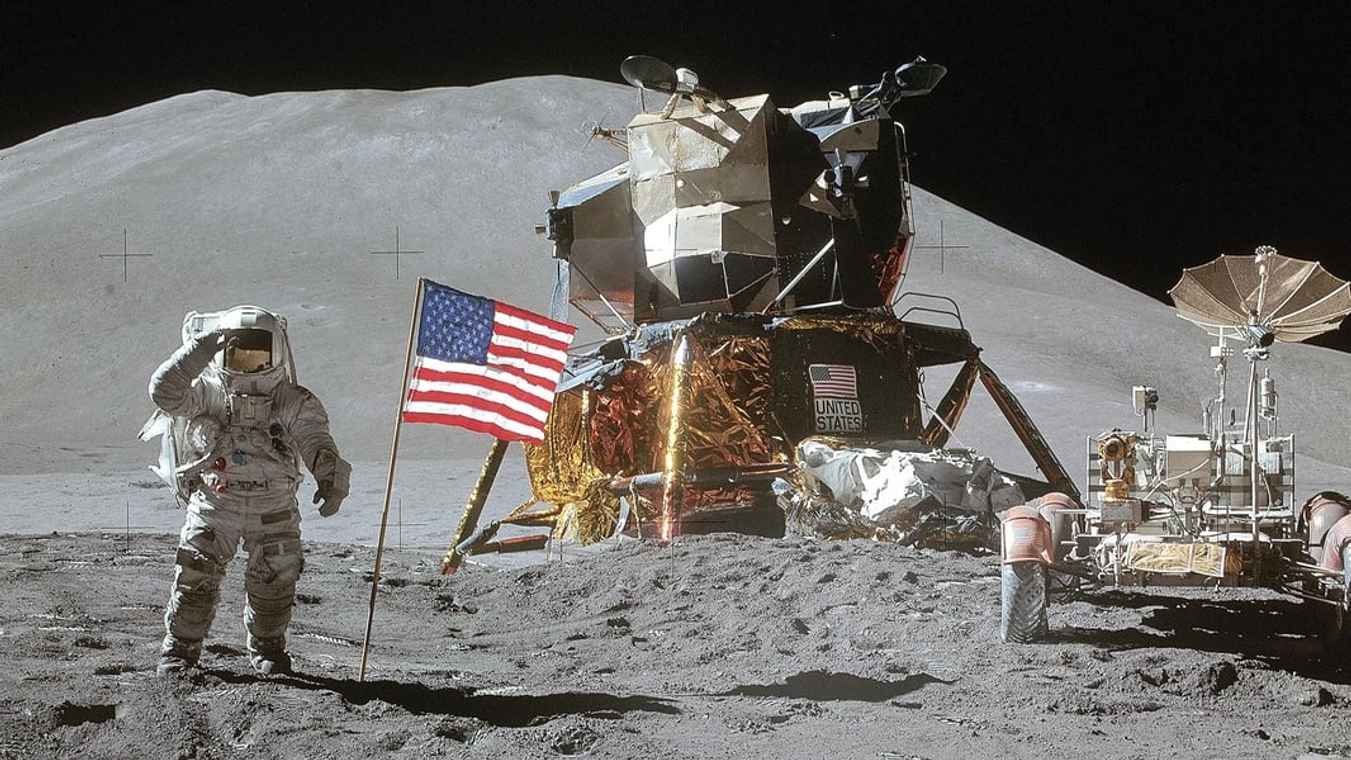
The staging footage was captured because NASA wanted to document the flight process of an unmanned Saturn flight for feedback in case there was a failure for engineers to look at footage to see what went wrong. Cameras were mounted in strategic locations, kicking on at critical moments to document the staging process for less than half a minute. After completion, the light-tight canisters containing the exposed film were jettisoned, dropping to earth with homing beacons and parachutes inside protective heat shields. Air Force C-130 transport planes, towing gigantic nets, recovered the canisters in the southern Atlantic Ocean.
There is a shot of the moon appearing in the window of the capsule. Director Al Reinert says there was no shot available of the moon showing in the window of the command module, so a film crew went down to the Johnson Space Center, pasted a photo of the moon on a hatch cover at the museum, and filmed it to illustrate astronaut Ken Mattingly's description of what he saw in his flight.
In the opening scene, President John F. Kennedy stands at the podium, giving his famous speech about the government's plan for lunar travel at Rice University. In the scene, President Kennedy's voice-over says, "We set sail on this new sea because there is new knowledge to be gained and new rights to be won and they must be won and used for the progress of all mankind." President Kennedy in actuality, said, "...used for the progress of all people." Director Al Reinert, using creative license, decided to splice President Kennedy's words, dubbing "mankind" over "people," using a part of the President's speech earlier on in his address.
This film is part of the Criterion Collection, spine #54.
"John F. Kennedy: We choose to go to the moon in this decade and do the other things, not because they are easy but because they are hard."
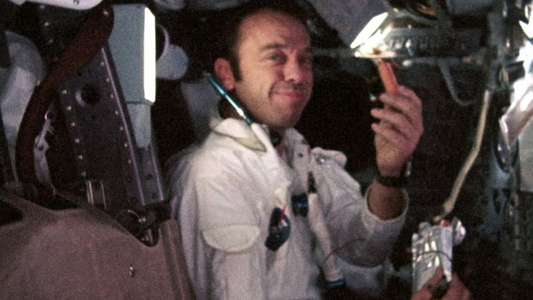
"Charles M. Duke Jr.: The only bad part about zero gravity in Apollo was goin' to the bathroom. We had a very crude system. For your feces it was a bag, and you put this bag in the right position. So you go, but the only thing is that nothing goes to the bottom of the bag in zero gravity."