
Movie |
Opium | Literature
Disclaimer: All content and media belong to original content streaming platforms/owners like Netflix, Disney+ Hotstar, Amazon Prime Videos, JioCinema, SonyLIV etc. 91mobiles entertainment does not claim any rights to the content and only aggregate the content along with the service providers links.


Best Actor For | 1987 | Gabriel
Best Actor | 1987 | Gabriel
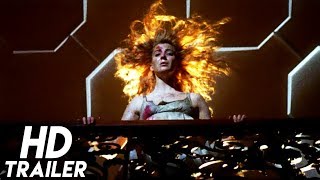
Best Special Effects | 1987
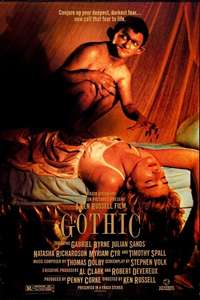
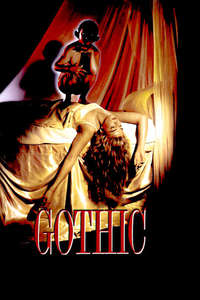
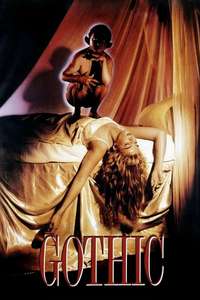
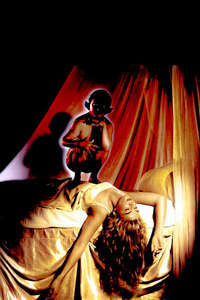
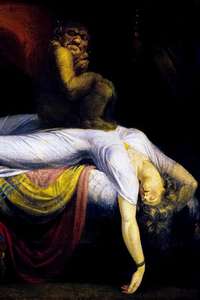
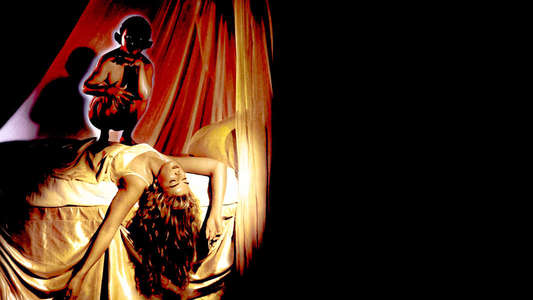
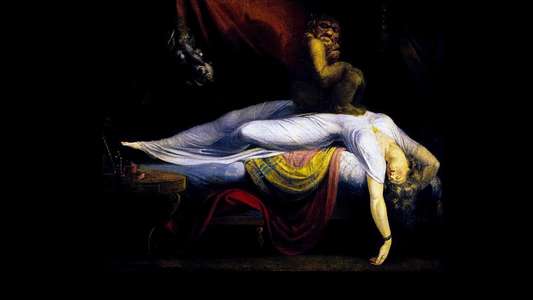
The painting that Mary Shelley sees on the wall, and that subsequently comes to life in her dream, is Henry Fuseli's "Nightmare."
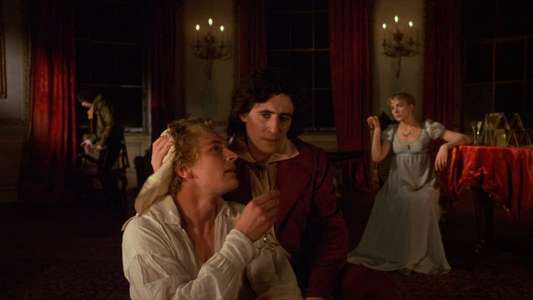
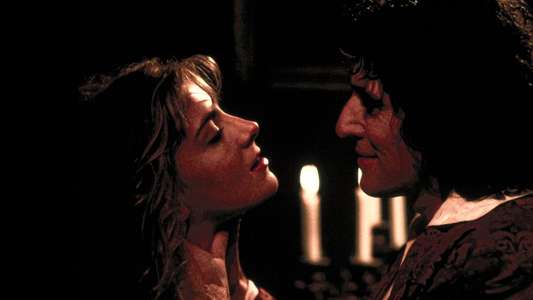
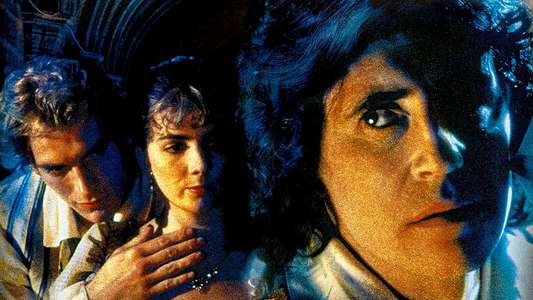
Gabriel Byrne walks with a limp and carries a cane because the real Lord Byron had a club foot.
After Shelley comes down from the roof and tells of his fascination with lightning, Byron calls him "Shelley, The Modern Prometheus." When it was first published in 1818, Mary Shelley's novel was called "Frankenstein; or, The Modern Prometheus."
Polidori's line "Sleep is nature's balm" comes from a poem by Keats, a contemporary and close friend of both Shelley and Byron.
Other works of literature mentioned in the film are "The Castle of Otranto" by Horace Walpole (regarded as the first Gothic novel), "Vathek" by William Beckford, and "The Monk" by Matthew Lewis, another gothic novel about a corrupt priest.
"[first lines] Tour Guide: And there, ladies and gentlemen, on the other side of the lake we have the famous Villa Diodati where Lord Byron, greatest living English poet, resides in exile. Romantic, scholar, duelist, best-selling author of Childe Harold, he was forced to leave his native land after many scandals including incest and adultery with Lady Caroline Lamb. "Mad, bad and dangerous to know" she called him. [the guide squeezes a lady's hand and points] Tour Guide: Bedroom - top right."
"Byron: And here I thought you that contradiction in terms: an intelligent woman!"