
Movie |
Scientific Study | Russian Scientist
Disclaimer: All content and media belong to original content streaming platforms/owners like Netflix, Disney+ Hotstar, Amazon Prime Videos, JioCinema, SonyLIV etc. 91mobiles entertainment does not claim any rights to the content and only aggregate the content along with the service providers links.
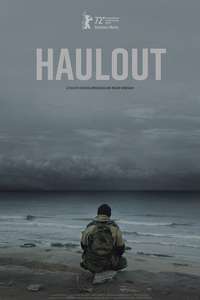
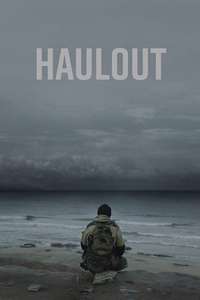
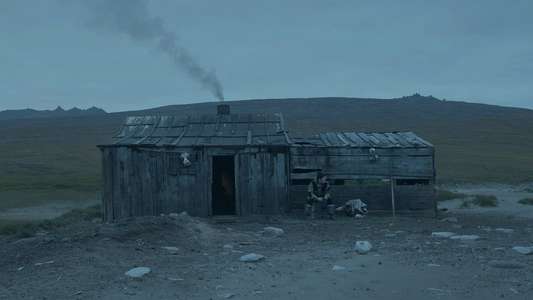
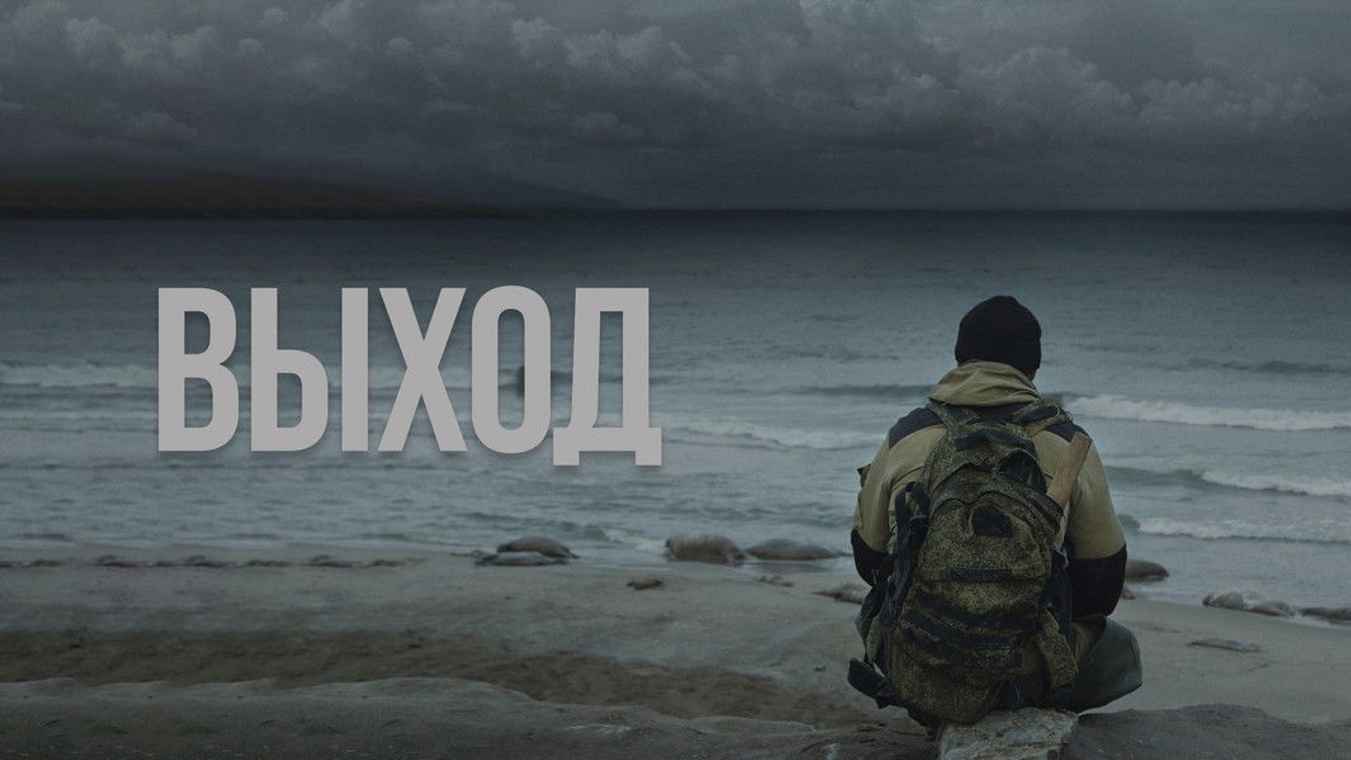
Haulout is a documentary short film that follows Maxim Chakilev, a marine biologist who studies the migration patterns of walruses in the Siberian Arctic. The film shows the dangers that walruses face during their migration, particularly during "haulout" events when they are unable to rest on sea ice and are forced to rest on land where they are more vulnerable. The film features stunning cinematography and sound design, and its visuals convey a powerful message about the impact of human actions on the environment. The film's lack of dialogue and slow pacing may not appeal to all audiences, but its message and execution make it a must-see for fans of nature documentaries and environmental issues. Overall, "Haulout" is a breathtaking and timelessly evocative documentary that deserves recognition for its unique and important subject matter. The film's message about the impact of human activity on the environment is both sobering and urgent, making Haulout a timely and important contribution to the genre of nature documentaries.
Best European Short Film | 2023 | Maxim Arbugaev
Best Short Documentary | 2022 | Maxim Arbugaev
Little Stamp | 2023 | Maxim Arbugaev
Best Documentary | 2024 | Maxim Arbugaev
In a 2023 interview with The Pulse, Evgenia Arbugaeva related what it was like to be amidst thousands of walruses: "It was scary, and it was scary because they're not aggressive animals because especially when they're on the beach, they're in their unnatural environment. So, they're really vulnerable, and actually, they're so easily scared. So, any foreign smell or sound can scare them and kind of send this wave of panic in the whole haulout. So, we had to be really careful actually, not to scare them, not to use the stove, not to produce any smell, not to use a generator, which was quite challenging because we couldn't use batteries, or charge our batteries. But the sound was scary because you could hear the animals struggling, you could hear some voices, like very high-pitched voices of cubs that are looking for their mothers and being separated or being squashed by these bigger animals."
In a 2022 interview with Berlinale Shortsblog, Maxim Arbugaev explained how a critical moment in the film, first revealing the walruses, came to be: "At around 4 am, we were sleeping in the hut. That night I struggled with nightmares and kept turning in my bunk bed. I was woken up by the weird and increasingly loud sounds outside. I quickly put on a jacket and walked out to the cold part of the hut. When I opened the door, I saw tens of thousands of walruses in front of me... Back in the hut Evgenia Arbugaeva and I quickly started to set up cameras, and I followed the scientist as he opened the door to see the animals... My main goal was to capture the scientist's emotions during his first close meeting with walruses. I did not anticipate that it would be one long take... As often happens in documentary filmmaking, my hands and eyes were guided by intuition. This moment will stay with me."
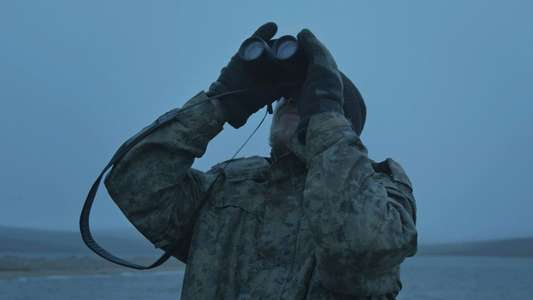
"Maxim Chakilev: September 7th. Dense fog. Can't see them yet."