
Movie |
Walrus | Canada
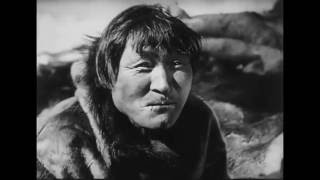
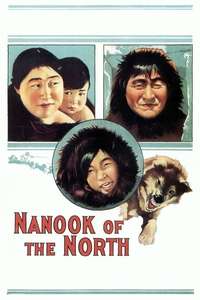
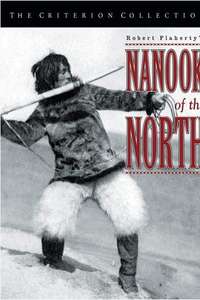
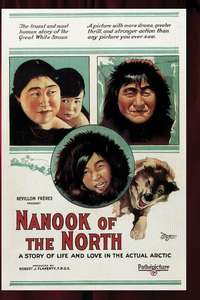
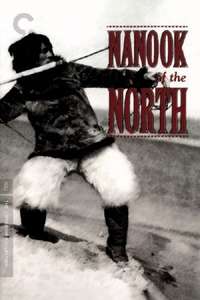
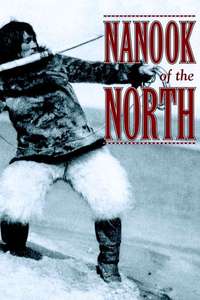
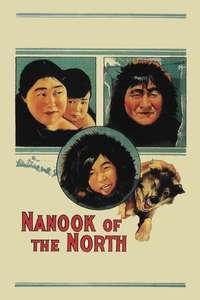
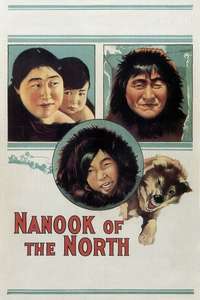
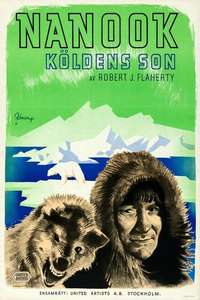
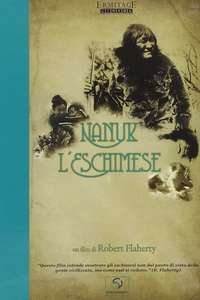
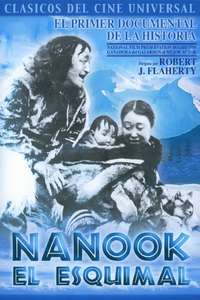
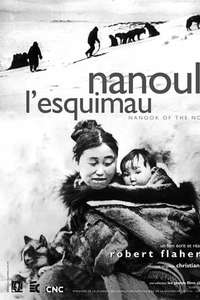
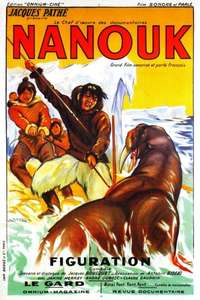
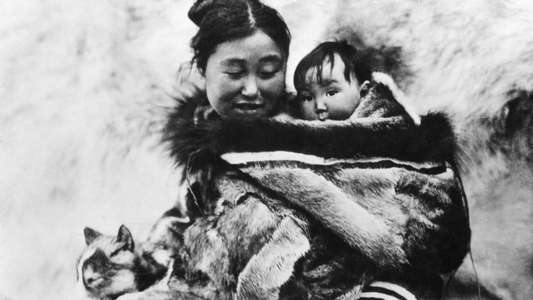
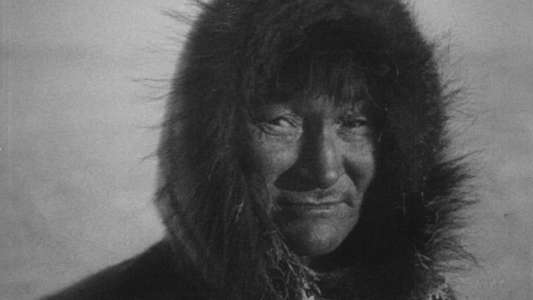
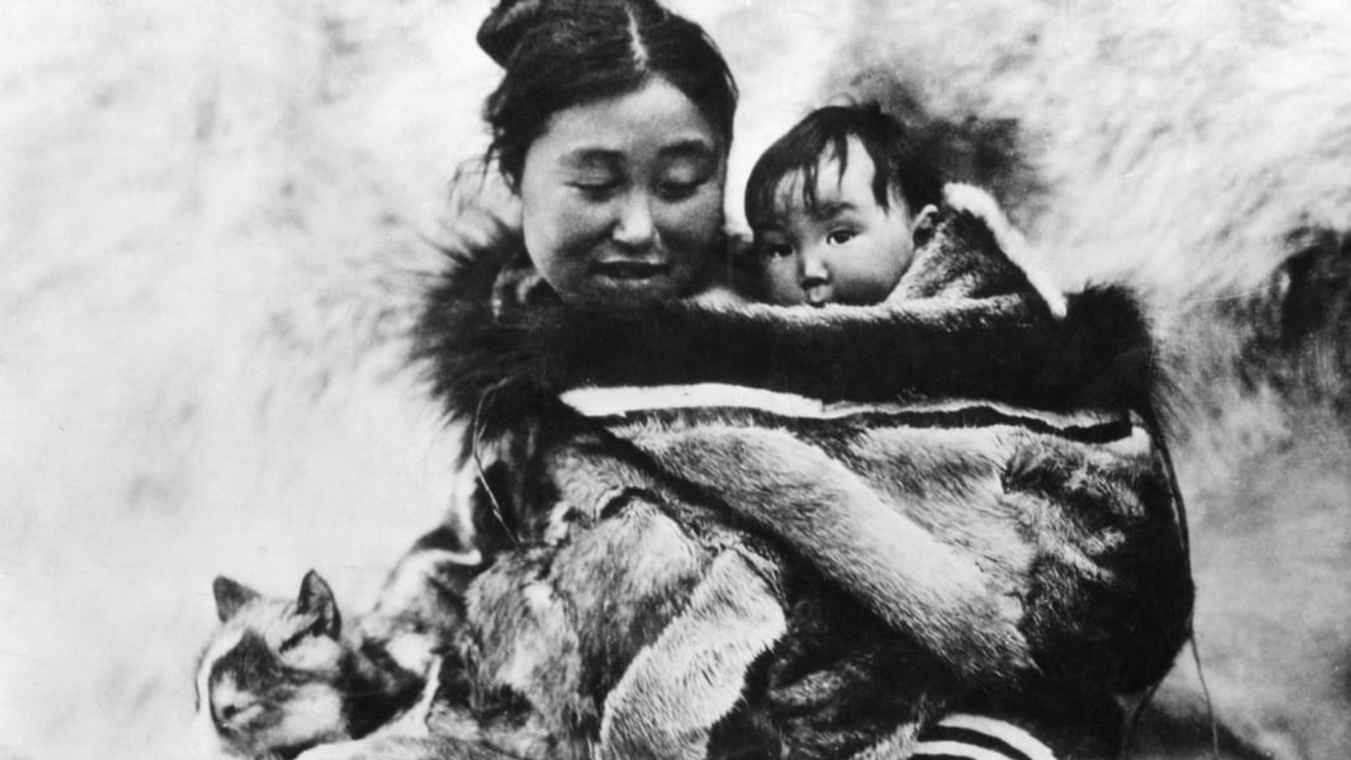
This pioneering documentary film depicts the lives of the indigenous Inuit people of Canada's northern Quebec region. Although the production contains some fictional elements, it vividly shows how its resourceful subjects survive in such a harsh climate, revealing how they construct their igloo homes and find food by hunting and fishing. The film also captures the beautiful, if unforgiving, frozen landscape of the Great White North, far removed from conventional civilization. Written and directed by Robert J. Flaherty. Allakariallak, Alice Nevalinga, Cunayou are starred in the prominent roles.
Disclaimer: All content and media belong to original content streaming platforms/owners like Netflix, Disney+ Hotstar, Amazon Prime Videos, JioCinema, SonyLIV etc. 91mobiles entertainment does not claim any rights to the content and only aggregate the content along with the service providers links.
This pioneering documentary film depicts the lives of the indigenous Inuit people of Canada's northern Quebec region. Although the production contains some fictional elements, it vividly shows how its resourceful subjects survive in such a harsh climate, revealing how they construct their igloo homes and find food by hunting and fishing. The film also captures the beautiful, if unforgiving, frozen landscape of the Great White North, far removed from conventional civilization. Written and directed by Robert J. Flaherty. Allakariallak, Alice Nevalinga, Cunayou are starred in the prominent roles.
Budget 53,000 USD
The claim that Allakariallak died of starvation in 1922, months after the film was completed, is untrue; he did not starve but likely succumbed to tuberculosis.
This film was selected into the National Film Registry in 1989 (the first year of inductions) for being "culturally, historically, or aesthetically significant". It was the first documentary to be preserved in the National Film Registry.
Despite being "the first modern documentary", most of it was staged. In real life, Allakariallak (Nanook) had regular contact with whites, lived in a modern house, and hunted with a gun. Robert J. Flaherty would later go as far as claiming Allakariallak died of starvation, when in fact he had died from tuberculosis, and that film was meant to show how Inuit lived before modern times.
The film was sponsored by the French fur company Revillon Freres, which provided $50,000 for director Robert J. Flaherty's 16-month expedition halfway to the North Pole. Despite being rejected by five distributors, the film opened in New York City in 1922, after its success in Paris and Berlin, and grossed well over $40,000 in its first week.
There are claims that all of the scenes are staged, and also that the woman who plays Nanook's wife was not his actual wife.
"Title Card: The shrill piping of the wind, the rasp and hiss of driving snow, the mournful wolf howls of Nanook's master dog typify the melancholy spirit of the North."
"Robert Flaherty, Director: At last, in 1920, I thought I had shot enough scenes to make the film, and prepared to go home. Poor old Nanook hung around my cabin, talking over films we still could make if I would only stay on for another year. He never understood why I should have gone to all the fuss and bother of making the "big aggie" of him. Less than two years later I received word that Nanook had ventured into the interior hoping for deer and had starved to death. But our "big aggie" become "Nanook of the North" has gone into most of the odd corners of the world, and more men than there are stones around the shore of Nanook's home have looked upon Nanook, the kindly, brave, simple Eskimo."