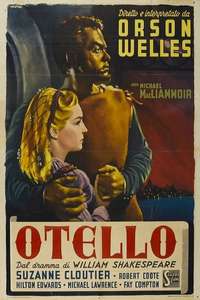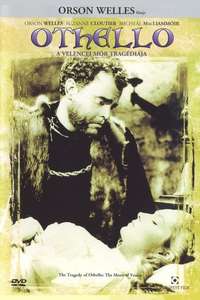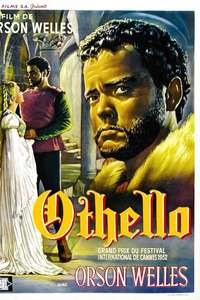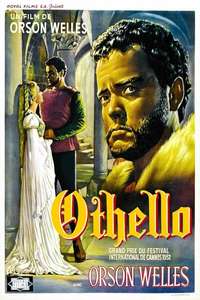

Movie |
Husband Wife Relationship | Victim
Disclaimer: All content and media belong to original content streaming platforms/owners like Netflix, Disney+ Hotstar, Amazon Prime Videos, JioCinema, SonyLIV etc. 91mobiles entertainment does not claim any rights to the content and only aggregate the content along with the service providers links.

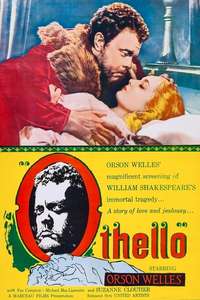
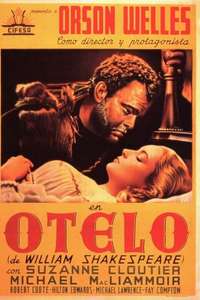
1952 | Orson
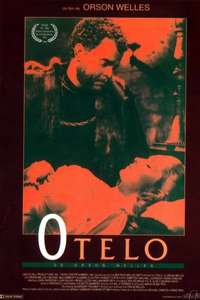
Best Film | 1993 | Orson
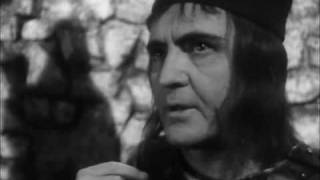
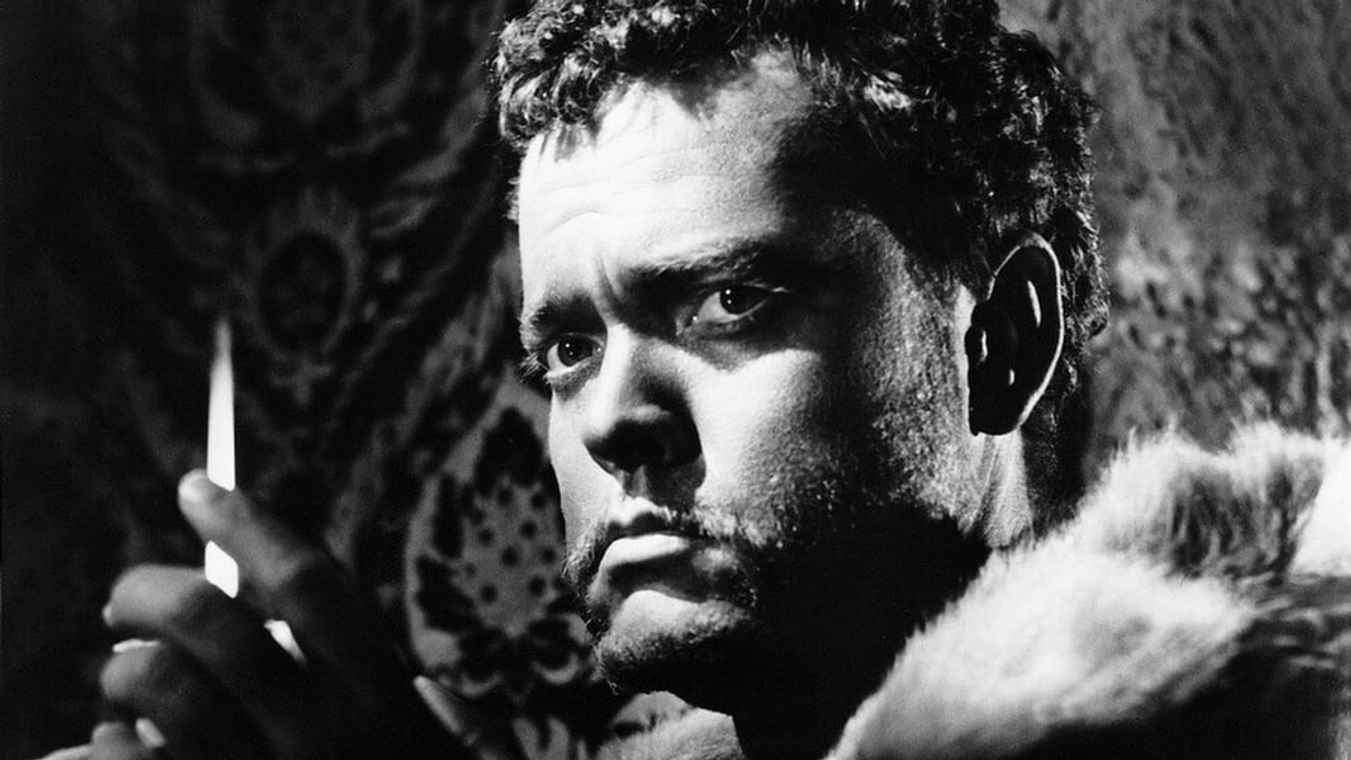
To pay the bills on this film, which took three years to make, Orson Welles took supporting roles in several films, one of which was "The Black Rose (1950)." During the filming of this, he greatly annoyed director Henry Hathaway by borrowing various costumes and cameras for use on "Othello". Hathaway complained to his boss Darryl F. Zanuck about this, but the latter, a friend of Welles', just laughed it off. Hathaway was still complaining in interviews in the 1970s.
The movie was shot over three years and production was stopped twice, mainly because Welles ran out of money. He then starred in the films "The Third Man (1949)" and "Prince of Foxes (1949)." He took his payment from those films and used them as money for "Othello".
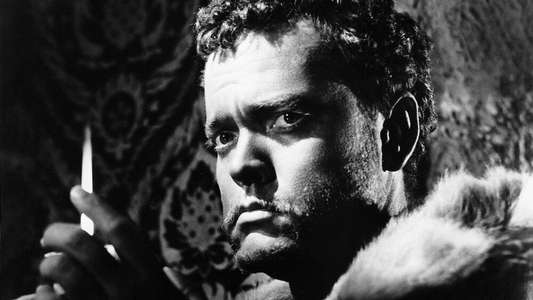
When he made The Black Rose (1950), Orson Welles insisted that the coat his character wore be lined with mink, even though the lining would never be visible in the finished film. The producers acquiesced to this demand. When the shoot was over, the coat disappeared. In "Othello", Orson Welles can be seen wearing the same coat, complete with mink lining.
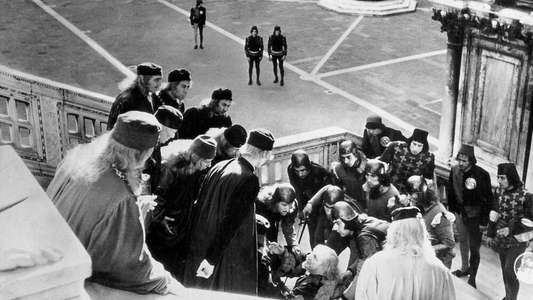
Roderigo's murder in a Turkish bath was devised in that manner because the costumes had been impounded due to non-payment.
The original 1952 print that premiered at the Cannes Film Festival and won the Palme d'Or now resides in the Paris Cinematheque.
"Iago: Oh beware, my lord, of jealousy. It is the green-eyed monster which doth mock the meat it feeds on."
"[first lines] Narrator: There was once in Venice a moor, Othello, who for his merits is the affairs of war was held in great esteem. It happened that he fell in love with a young and noble lady called Desdemona, who drawn by his virtue became equally enamoured of Othello..."