
Movie |
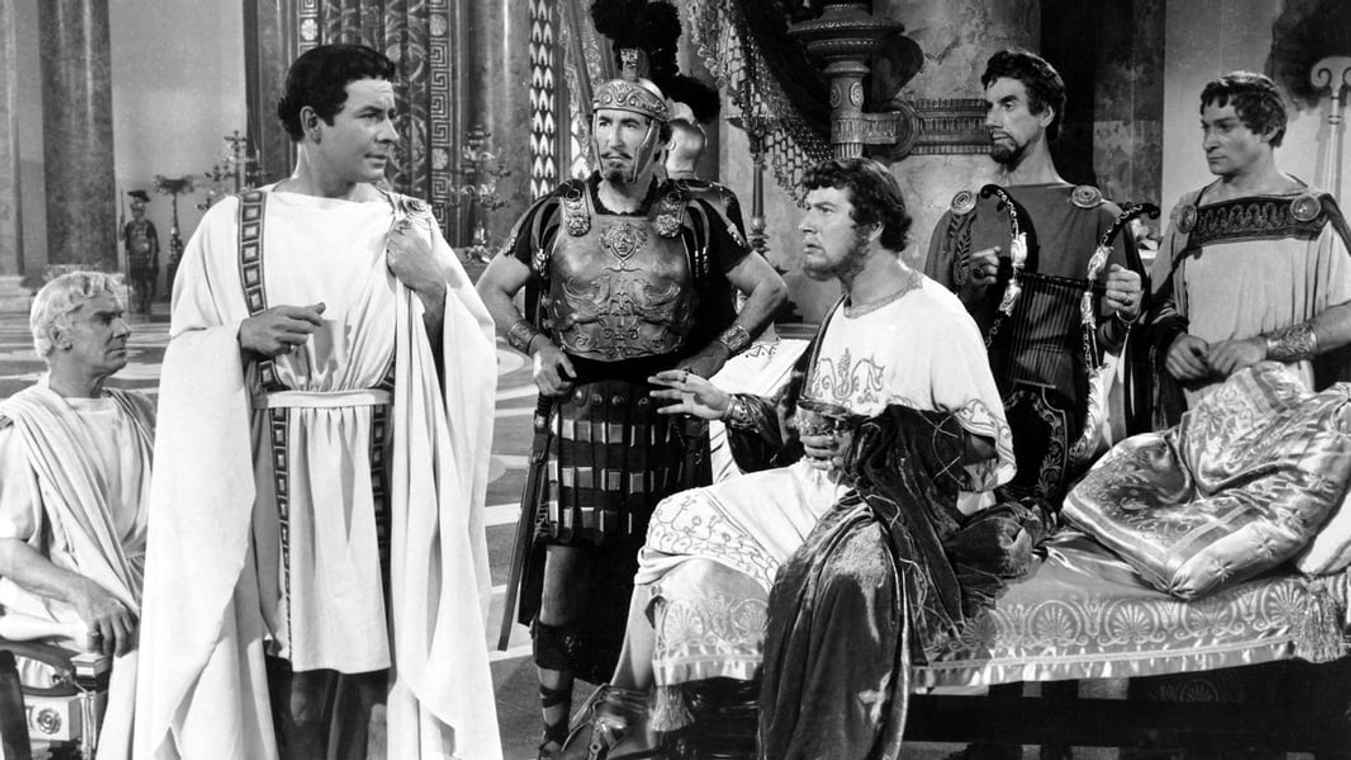
Nero | Suicide
Disclaimer: All content and media belong to original content streaming platforms/owners like Netflix, Disney+ Hotstar, Amazon Prime Videos, JioCinema, SonyLIV etc. 91mobiles entertainment does not claim any rights to the content and only aggregate the content along with the service providers links.

Best Archival ReRecording of an Existing Score | 2013
Top Ten Films | 1951
Best Picture | 1952
Best Actor in a Supporting Role | 1952 | Peter
Best Cinematography Color | 1952
Best Art DirectionSet Decoration Color | 1952
Best Costume Design Color | 1952
Best Film Editing | 1952 | Ralph E.
Best Music Scoring of a Dramatic or Comedy Picture | 1952
Best Motion Picture Drama | 1952
Outstanding Directorial Achievement in Motion Pictures | 1952 | Mervyn
Budget 7,623,000 USD
Box Office Collection 21,037,000 USD
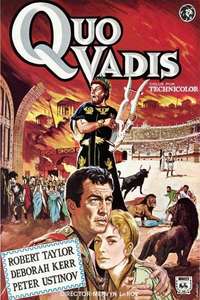
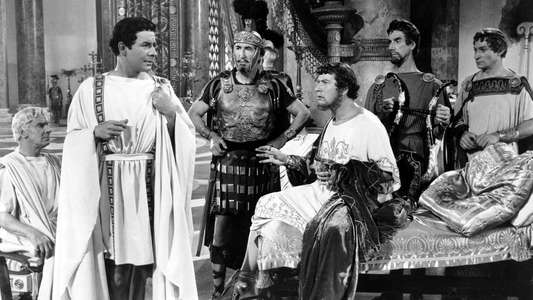
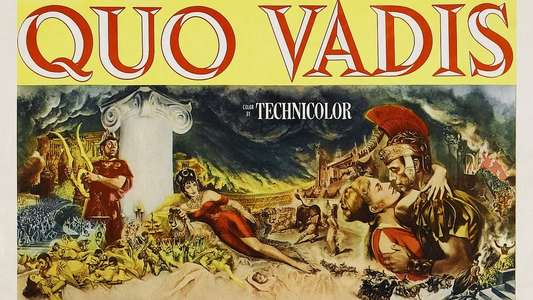
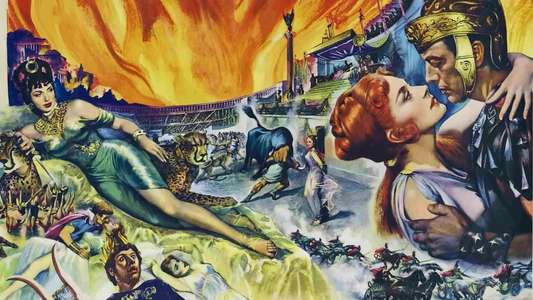
In his memoirs, "Dear Me" (1981), Sir Peter Ustinov recalled that MGM had sought him for the role of Emperor Nero, but dithered for months, refusing to commit. During this time, he received numerous telegrams from the studio, one of which stated that they were concerned that he might be too young to play the notorious Roman Emperor. Ustinov replied that Emperor Nero died when he was thirty, and that if they waited much longer, he'd be too old. The studio cabled back: "Historical research has proved you correct. You have the part." Coincidentally (or not), Ustinov was 30 years old when this movie was released.
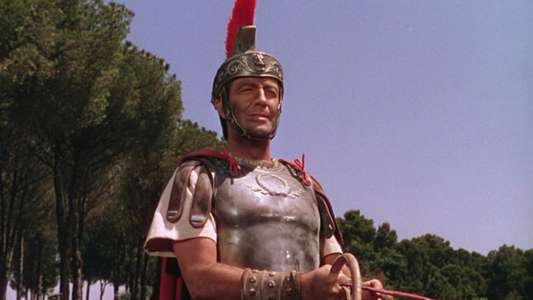
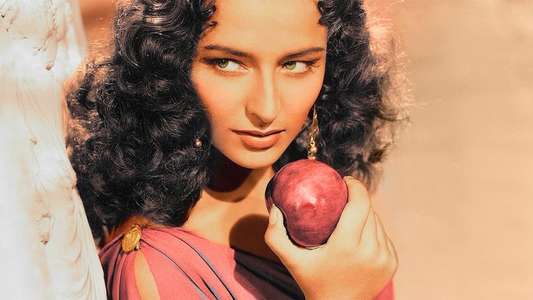
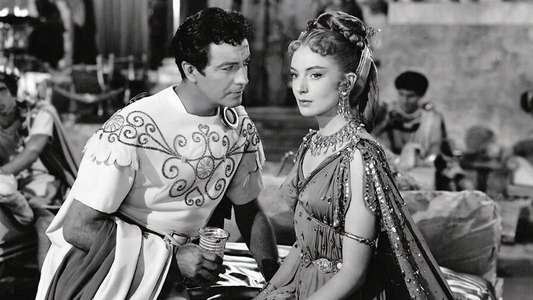
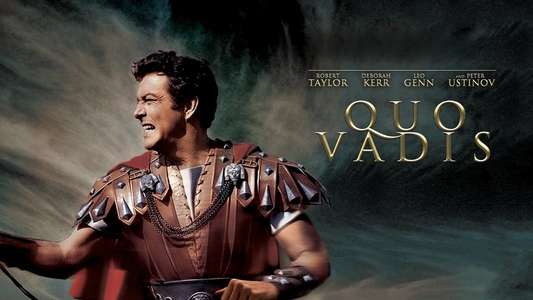
Sophia Loren (age 15 when the film was made in 1950) has an uncredited, but easily spotted, bit part as a voluptuous woman who enticingly strews flower petals in the path of Marcus Vinicius' (Robert Taylor's) chariot during the triumphal march. While not her first movie, it was her first American movie, although it was shot in Italy.
John Huston was the original director, under the supervision of producer Arthur Hornblow, with a cast headed by Gregory Peck as Marcus and Dame Elizabeth Taylor as Lygia. The studio was dissatisfied with the footage Huston was sending back from Rome, and production chief Louis B. Mayer, an archconservative, unhappy with the script, which used Emperor Nero's persecution of the Christians as an allegory for the anti-Communist witch-hunts, to which Hollywood was then being subjected. After a couple of weeks' shooting, MGM shut down the production, ordered a new script written, re-cast the movie, and persuaded Mervyn LeRoy to assume direction of this movie.
Marcus is shown taking his bath in a fairly accurate way. Romans did not have soap - a thing that, along with towels, would not be introduced to Europe until the arrival of Islam. Instead of soap, they would pour oil over the skin and then use a curved tool known as a strigil to scrape of the oil and dirt. If the strigil had a slight edge, it would also lightly scrape the skin, which removed old skin cells and prompted a stimulating flush of blood flow.
The movie's huge box-office success was credited with saving MGM from bankruptcy.
"Petronius: [in his dying letter to Nero] To Nero, Emperor of Rome, Master of the World, Divine Pontiff. I know that my death will be a disappointment to you, since you wished to render me this service yourself. To be born in your reign is a miscalculation; but to die in it is a joy. I can forgive you for murdering your wife and your mother, for burning our beloved Rome, for befouling our fair country with the stench of your crimes. But one thing I cannot forgive - the boredom of having to listen to your verses, your second-rate songs, your mediocre performances. Adhere to your special gifts, Nero - murder and arson, betrayal and terror. Mutilate your subjects if you must; but with my last breath I beg you - do not mutilate the arts. Fare well, but compose no more music. Brutalize the people, but do not bore them, as you have bored to death your friend, the late Gaius Petronius."
"Emperor Nero: [none of his closest men will die for him in light of the mob's anger over Rome's burning] I'm surrounded by eunuchs!"