
Movie
Disclaimer: All content and media belong to original content streaming platforms/owners like Netflix, Disney+ Hotstar, Amazon Prime Videos, JioCinema, SonyLIV etc. 91mobiles entertainment does not claim any rights to the content and only aggregate the content along with the service providers links.
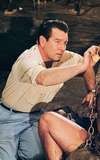

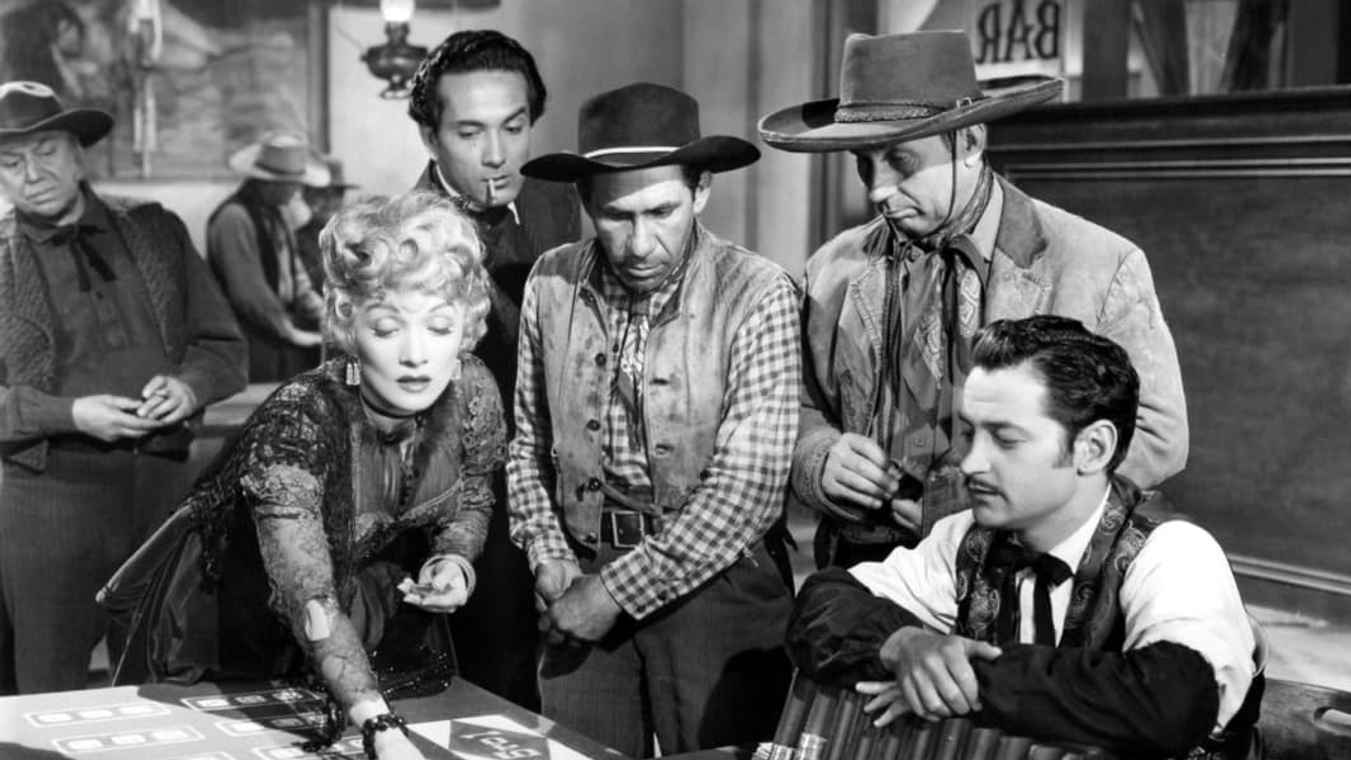
The ballad "The Legend of Chuck-a-Luck" is heard during the opening credits and throughout the film, using the lyrics as narration. According to the American Film Institute, this is the first American film to use a song in this manner.
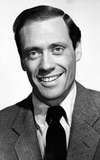
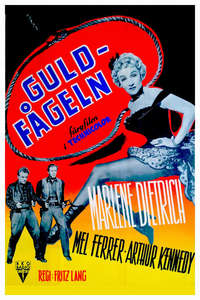
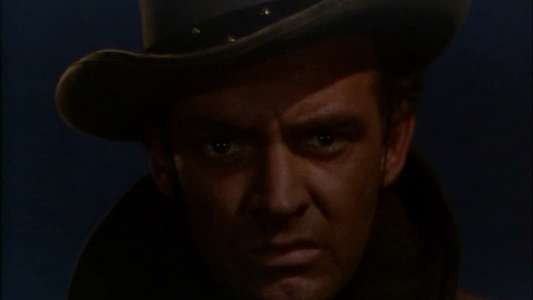
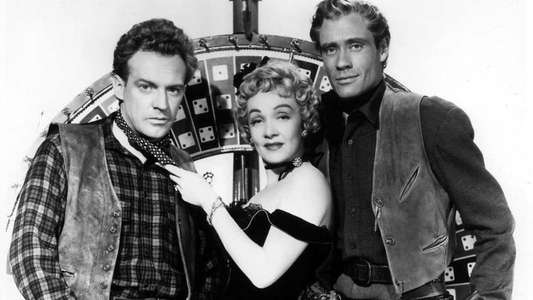
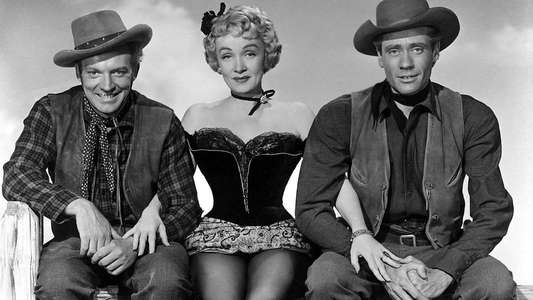
Although Arthur Kennedy was playing a young man, he was three years older than Mel Ferrer.
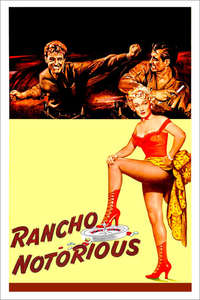
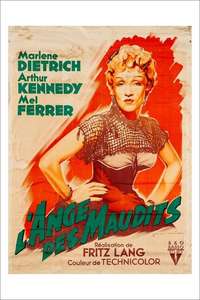
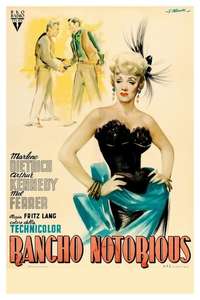
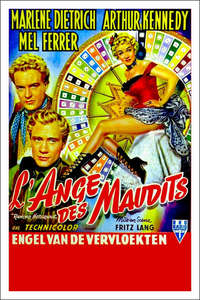
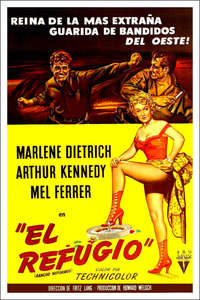
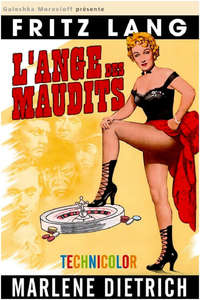
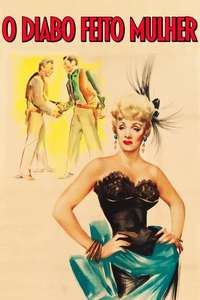
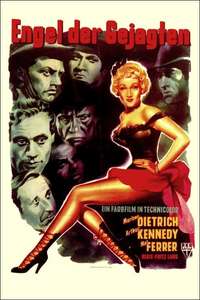
Director Fritz Lang had originally planned to call this film "Chuck-a-Luck". However, studio head Howard Hughes insisted that its name be changed to "Rancho Notorious", and when Lang asked why, he was told that it was because non-Americans (Europeans) wouldn't understand what "Chuck-a-Luck" (a gambling game commonly played in saloons in the Southwest) meant. Lang replied, "Well, it's a good thing that they all know what 'Rancho Notorious' (which has nothing to do with anything in the film) means!"
Lloyd Gough's name was removed from the credits due to his being blacklisted in the 1950s.
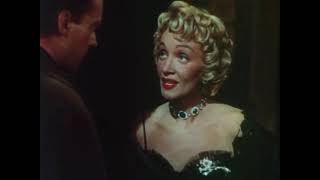
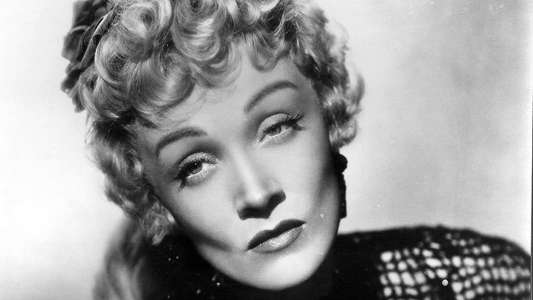
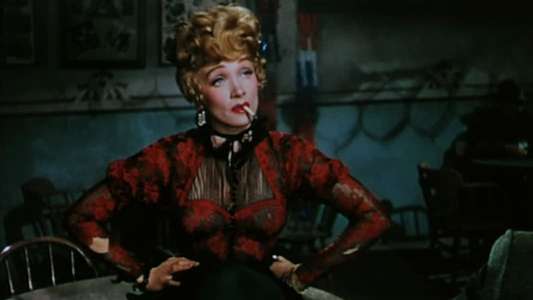
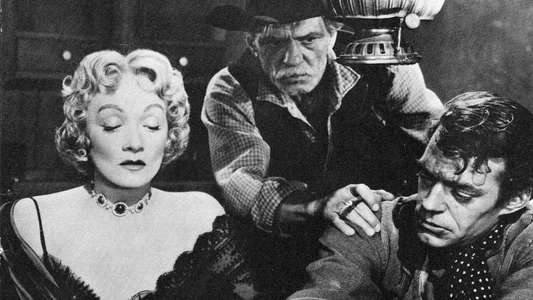
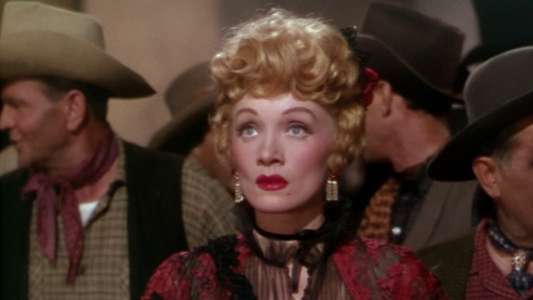
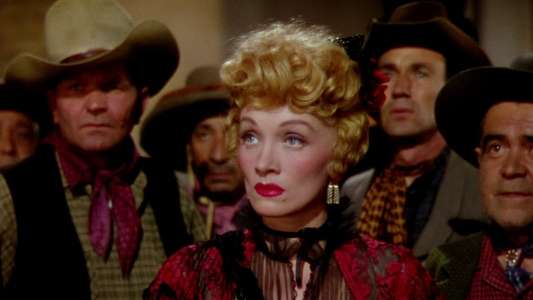
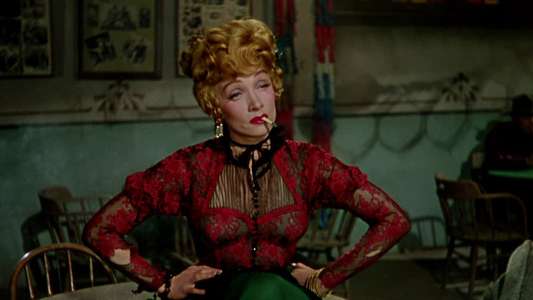
Cinematographer Hal Mohr, who had previously photographed Marlene Dietrich in "Destry Rides Again" (1939), attempted to resign from the film due to 50-year old Dietrich's insistence that he use lighting to make her look much younger than she actually was, and Mohr didn't think it was possible.
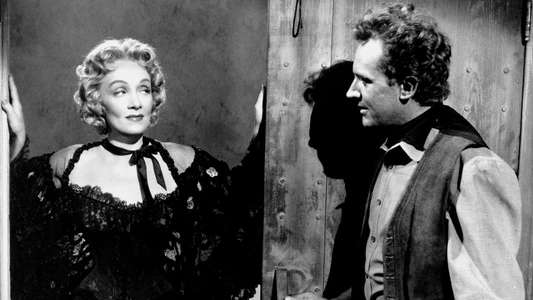
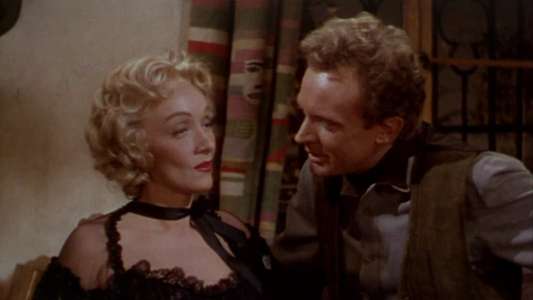
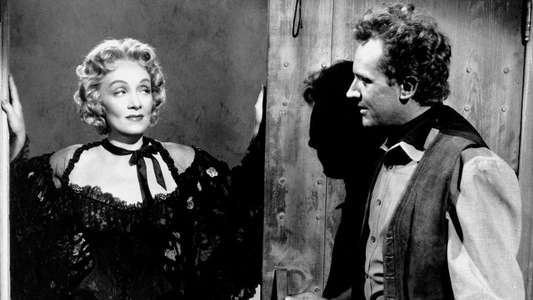
"Altar Keane: [to Vern] I'd wish you go away... and come back ten years ago."
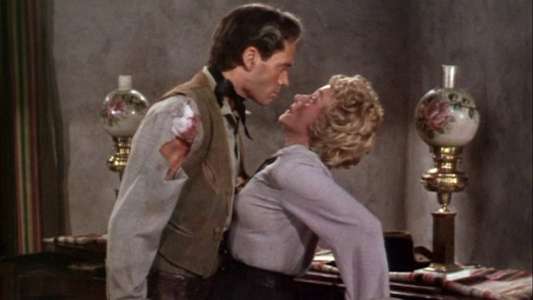
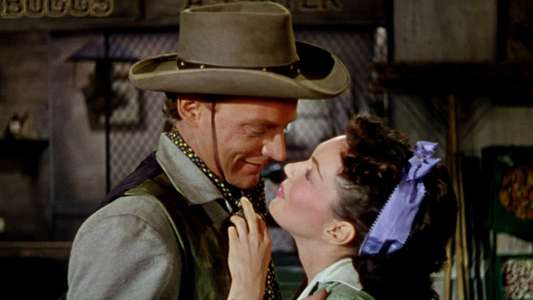
"[first lines] Vern Haskell: [after the opening title song ends with the line, "the old, old story of hate, murder, and revenge," breaking away from a kiss] There's nothing like that to make a man feel agreeable. Beth Forbes: Especially in the middle of the day. Why'd you come in town? Vern Haskell: To kiss you."