
Movie |
Jazz | Biography
Disclaimer: All content and media belong to original content streaming platforms/owners like Netflix, Disney+ Hotstar, Amazon Prime Videos, JioCinema, SonyLIV etc. 91mobiles entertainment does not claim any rights to the content and only aggregate the content along with the service providers links.
Best Music Original Score | 1987 | Herbie
Best Foreign Actor Migliore Attore Straniero | 1987 | Dexter
Best European Film Bedste europiske film | 1988 | Bertrand
Top Ten Films | 1986
Best Music | 1986 | Herbie
Best Film | 1986 | Bertrand
Best Foreign Actor Mejor Actor Extranjero | 1988 | Dexter
Best Foreign Director Regista del Miglior Film Straniero | 1987 | Bertrand
Best Foreign Actor (Migliore Attore Straniero) | 1987 | Dexter
Best Actor in a Leading Role | 1987 | Dexter
Best Original Score Motion Picture | 1987 | Herbie
Best Performance by an Actor in a Motion Picture Drama | 1987 | Dexter
Best Score | 1987 | Herbie
1986 | Bertrand
Outstanding Actor in a Motion Picture | 1987 | Dexter
Outstanding Supporting Actress in a Motion Picture | 1987
Outstanding Motion Picture | 1987
Outstanding Actress in a Motion Picture | 1987
Best Editing (Meilleur montage) | 1987 | Armand
Best Production Design Meilleurs dcors | 1987 | Alexandre
Best Foreign Language Film | 1986
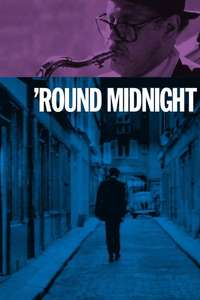
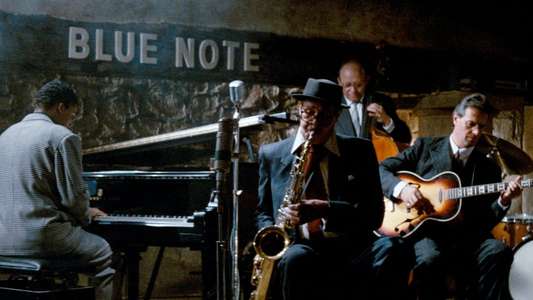
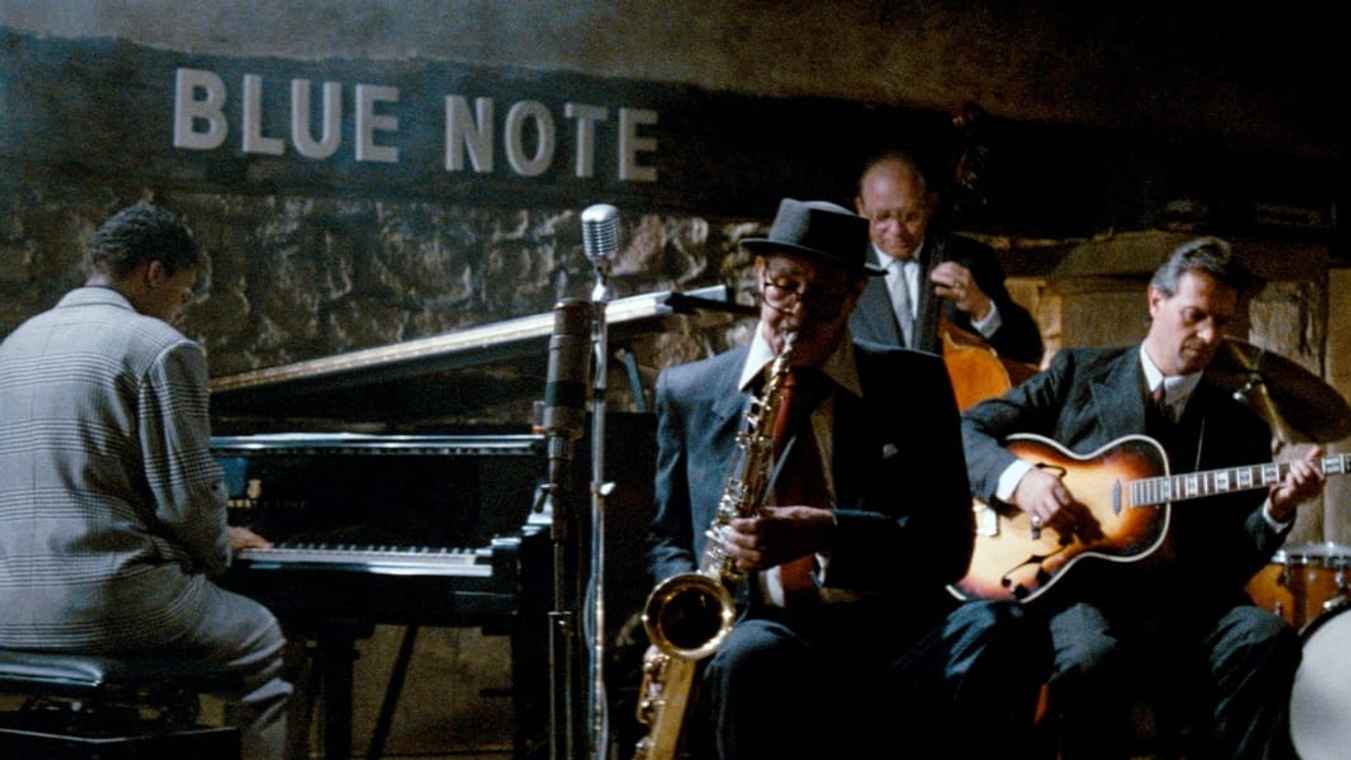
The character of Francis Borler is based on Francis Paudras, who died in 1997. The character of Dale Turner is a combination of real-life jazzmen Bud Powell and Lester Young. The real-life friendship between Paudras and Bud Powell has been the subject of several books.
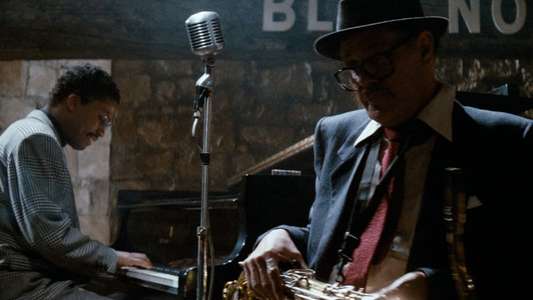
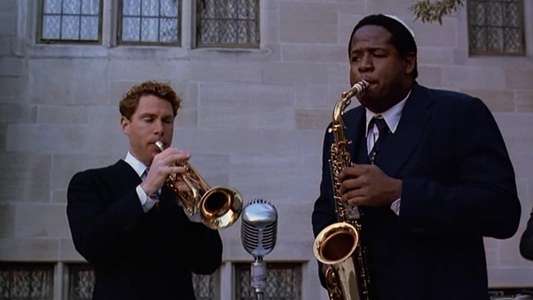
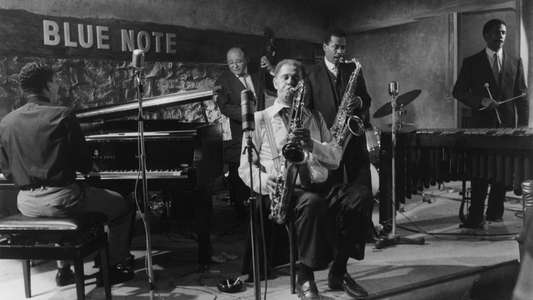
All the music is performed live, on the set. There are two soundtrack albums: one from Columbia and another "The Other Side of 'Round Midnight" under Dexter Gordon's name on the Blue Note label.
Dexter Gordon became the first Jazz Musician to earn a Best Actor Academy Award Nomination for this film.
Victoria Gabrielle Platt's debut.
Features Dexter Gordon's only Oscar nominated performance.
"Dale: You know, Lady Francis, there's not enough kindness in the world."
"Dale: Listen to that, Francis. The swing bands used to be all straight tonics seventh chords. And then, with the Basie band I heard Lester Young and he sounded like he came out of the blue. Because he was playing all the color tones the sixths and the ninths and major sevenths. You know, like Debussy and Ravel. Then Charlie Parker came on and he began to expand and he went into elevenths and thirteenths and flat fives. Luckily, I was going in the same direction already. You just don't go out and pick a style off a tree one day. The tree is inside you growing naturally."