
Movie |
Plane | Culture
Disclaimer: All content and media belong to original content streaming platforms/owners like Netflix, Disney+ Hotstar, Amazon Prime Videos, JioCinema, SonyLIV etc. 91mobiles entertainment does not claim any rights to the content and only aggregate the content along with the service providers links.

Best Documentary | 1943
Best Sound Recording | 1944
Best Music Original Song | 1944
Best Music Scoring of a Musical Picture | 1944
Box Office Collection 1,135,000 USD
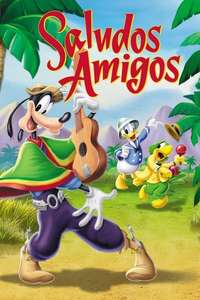
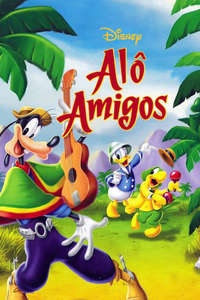
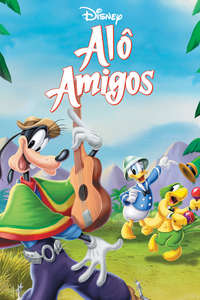
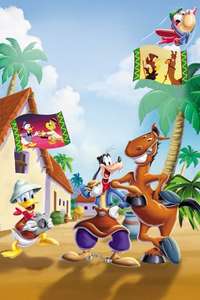
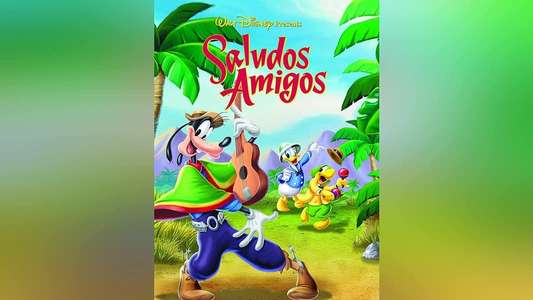
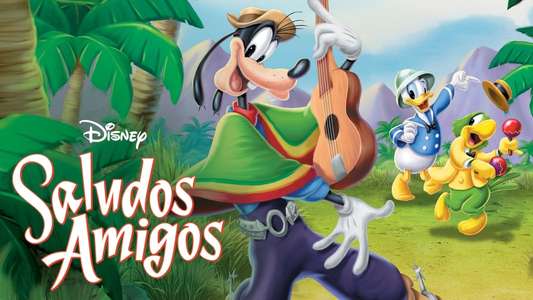
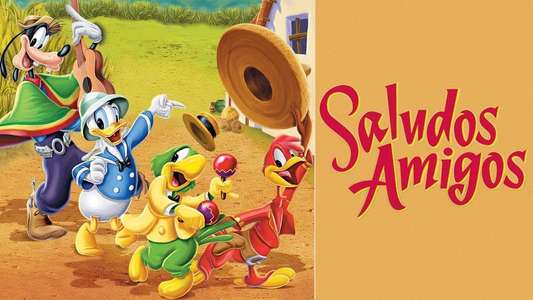
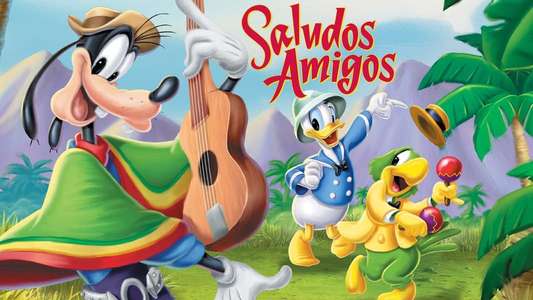
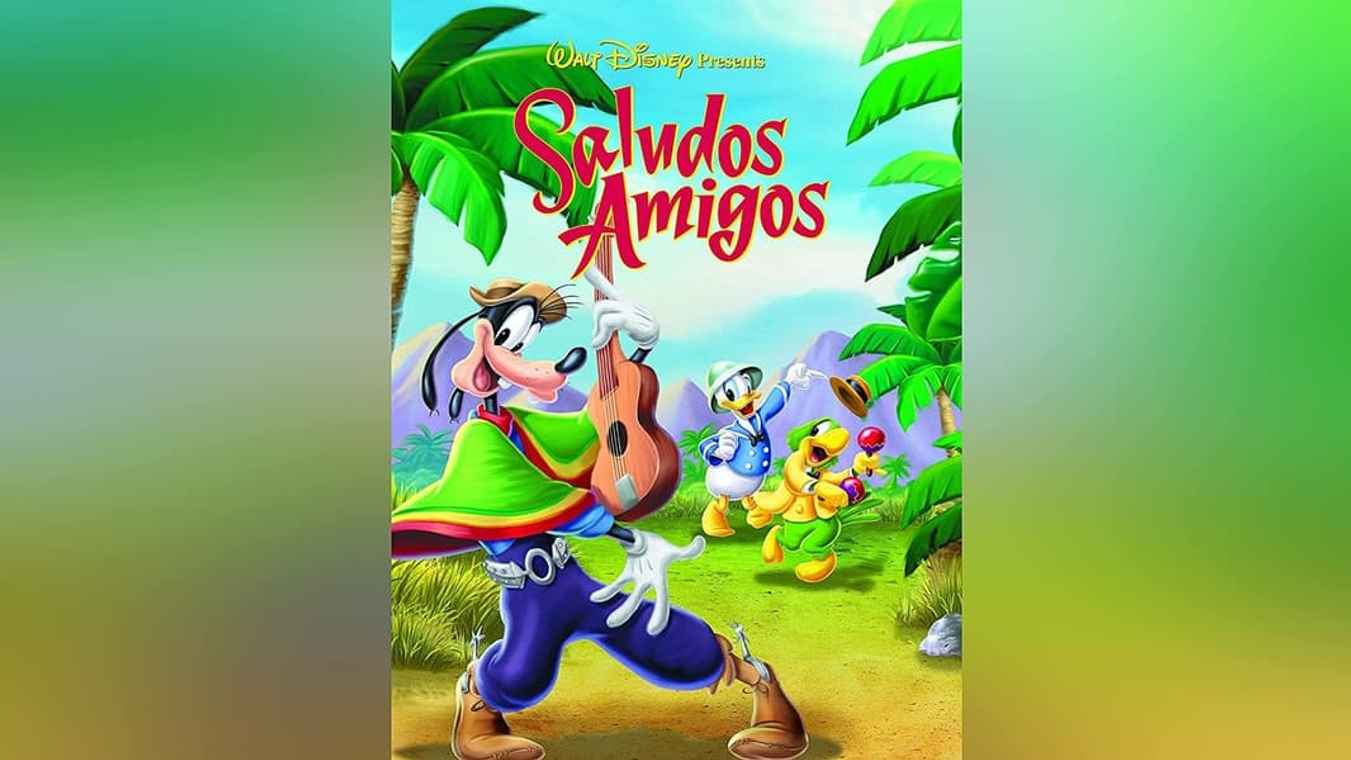
This movie and The Three Caballeros (1944) were created by Disney in order to improve the United States of America's relations with South American countries during World War II.
While the film's animated sequences were well-received at the time and still have a decent reputation, film historians have suggested that it was the film's live-action documentary sequences which had the most impact on American culture. They featuring footage of modern Latin American cities with skyscrapers and fashionably dressed residents. This went against the then-current perception of the American audience that Latin America was a culturally backwards area, predominately rural, and mostly inhabited by poorly-dressed peasants. The film is credited with helping change the American perception of Latin America and its inhabitants.
The footage of the team boarding the plane was staged after the trip when the decision was made to use home-movie footage as linking material. Disney realized they had no footage of the real boarding, so everyone dressed in the same outfits they left with and shot footage of them leaving the studio and going into the plane.
This was the first Disney Animated feature to be shown in South America before it was screened in the USA.
Chilean cartoonist René Ríos Boettiger a.k.a. "Pepo" was dissatisfied with Pedro the Airplane. He wanted a character that could be seen in the same league as Donald Duck and José Carioca. As a "response" to the film, in 1949 he created his most famous character: "Condorito", an anthropomorphic condor (this type of bird can actually be seen in the film's segment). He became one of the most popular comic strip characters around the world.
"[first lines] Narrator: Here's an unusual expedition: artists, musicians and writers setting out for a trip through Latin America to find new personalities, music and dances for their cartoon films. So, adios, Hollywood, and saludos, amigos."
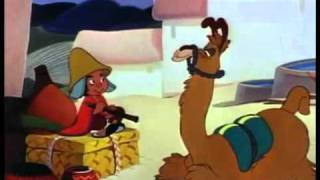
"[Donald is struggling to cross a very high and very rickety suspension bridge on a llama] Narrator: The traveler should be cautioned against any reckless behavior at this high altitude. Overexertion is dangerous. And above all, one should never lose one's temper. Donald Duck: Shut up, you big windbag!"