
Movie |
Cold War | Based On Novel Or Book
Disclaimer: All content and media belong to original content streaming platforms/owners like Netflix, Disney+ Hotstar, Amazon Prime Videos, JioCinema, SonyLIV etc. 91mobiles entertainment does not claim any rights to the content and only aggregate the content along with the service providers links.


Best Supporting Actor | 1965 | Edmond
Best NonEuropean Film Bedste ikkeeuropiske film | 1965 | John
Best Picture of the Month for the Whole Family March | 1964 | John
Best Foreign Actor Migliore Attore Straniero | 1964 | Fredric
Best Art DirectionSet Decoration BlackandWhite | 1965
Best Actor in a Supporting Role | 1965 | Edmond
Best Director | 1965 | John
Best Actor Drama | 1965 | Fredric
Best Original Score | 1965 | Jerry
Best Written American Drama | 1965 | Rod
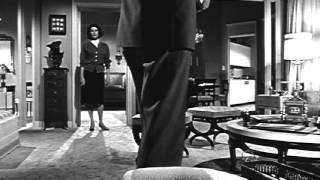
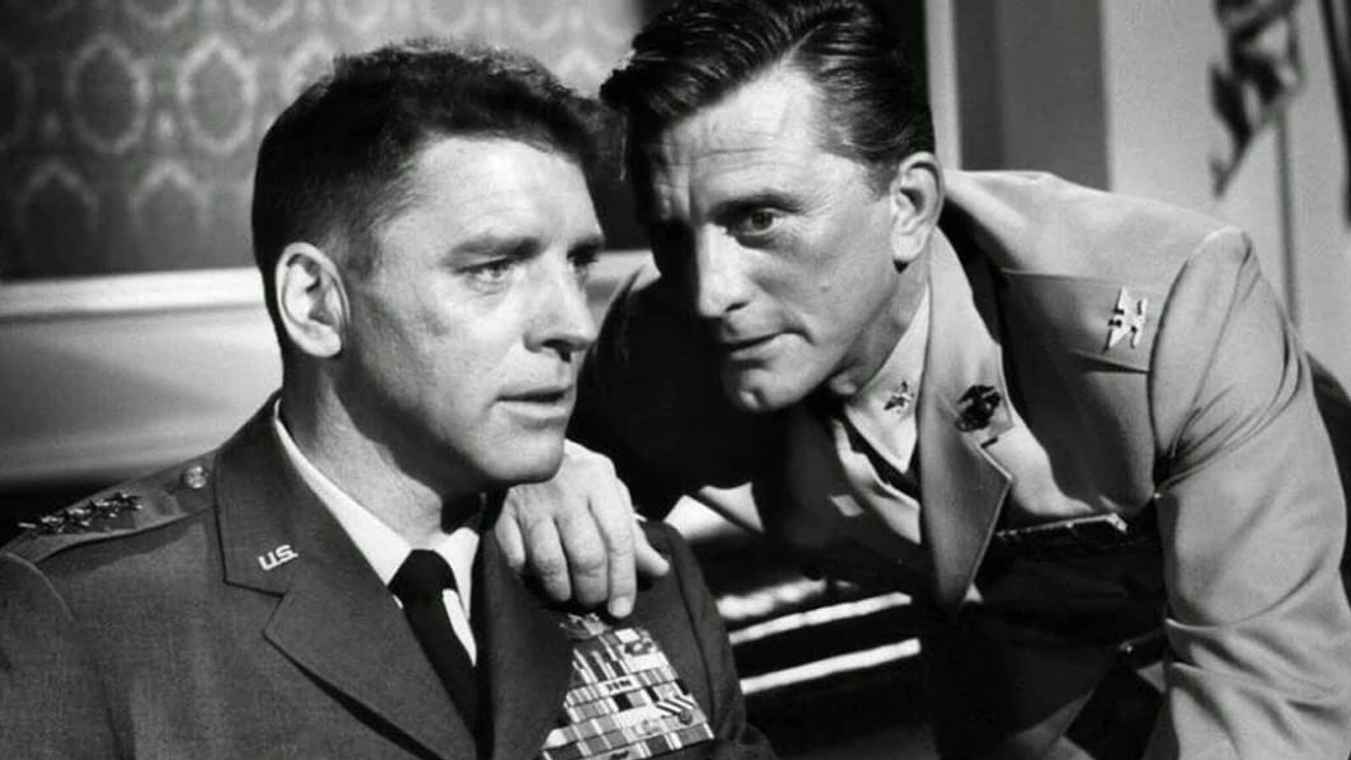
The story is set in the "not too distant" future. While viewing slides of pictures taken at the last naval inspection, the date 1970 can be seen. Although likely overlooked by modern audiences, the movie has many futuristic items that would have seemed state of the art at the time of release. The wall projecting slide viewer, the television based teleconference equipment, even the digital time/date display at the Pentagon were all touches meant at the time of release to reflect a high tech environment of the near future.
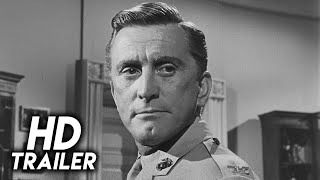
Kirk Douglas had been at a dinner with John F. Kennedy, who asked him if he planned to make the novel "Seven Days in May" into a movie. When Douglas said "yes", the president spent the next half hour telling him how great a movie it would be.
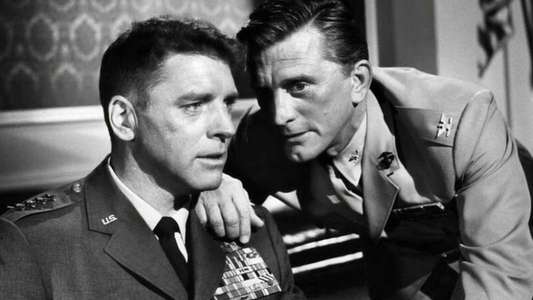
A liberal Democrat, Burt Lancaster was hesitant to take the role of Scott, as he felt the character and film unfairly vilified the conservative Republican party. Kirk Douglas persuaded him that the role of Scott was a morally ambiguous figure rather than a villain.
Originally scheduled for release in December 1963 but Burt Lancaster insisted the release date be postponed as it was too soon after the assassination of President John F. Kennedy. The same fate befell Dr. Strangelove or: How I Learned to Stop Worrying and Love the Bomb (1964), which was also scheduled for a December 1963 opening.
The White House wanted the film made and was very cooperative with the production. Press Secretary Pierre Salinger arranged for the production designer to have access to President John F. Kennedy's office and other rooms so they could be duplicated exactly at the studio.
"General James Mattoon Scott: And if you want to talk about your oath of office, I'm here to tell you face to face, President Lyman, that you violated that oath when you stripped this country of its muscles - when you deliberately played upon the fear and fatigue of the people and told them they could remove that fear by the stroke of a pen. And then when this nation rejected you, lost faith in you, and began militantly to oppose you, you violated that oath by not resigning from office and turning the country over to someone who could represent the people of the United States. President Jordan Lyman: And that would be General James Mattoon Scott, would it? I don't know whether to laugh at that kind of megalomania, or simply cry. General James Mattoon Scott: James Mattoon Scott, as you put it, hasn't the slightest interest in his own glorification. But he does have an abiding interest in the survival of this country. President Jordan Lyman: Then, by God, run for office. You have such a fervent, passionate, evangelical faith in this country - why in the name of God don't you have any faith in the system of government you're so hell-bent to protect?"
"[last lines] President Jordan Lyman: [to reporters at a televised press conference] There's been abroad in this land in recent months a whisper that we have somehow lost our greatness, that we do not have the strength to win without war the struggles for liberty throughout the world. This is slander, because our country is strong, strong enough to be a peacemaker. It is proud, proud enough to be patient. The whisperers and the detractors, the violent men are wrong. We will remain strong and proud, peaceful and patient, and we will see a day when on this earth all men will walk out of the long tunnels of tyranny into the bright sunshine of freedom. [president exits; reporters stand and applaud] Announcer: Ladies and gentlemen, that was the President of the United States."