
Movie |
Musical | Singing
Disclaimer: All content and media belong to original content streaming platforms/owners like Netflix, Disney+ Hotstar, Amazon Prime Videos, JioCinema, SonyLIV etc. 91mobiles entertainment does not claim any rights to the content and only aggregate the content along with the service providers links.
Best Supporting Actor | 1969 | Daniel
Best Music Original Song | 1969
Best Actor in a Supporting Role | 1969 | Daniel
Best Cinematography | 1969
Best Art DirectionSet Decoration | 1969
Best Music Score of a Musical Picture Original or Adaptation | 1969
Best Costume Design | 1969
Best Sound | 1969
Best Actress Comedy or Musical | 1969 | Julie
Most Promising Newcomer Male | 1969 | Daniel
Best Original Song | 1969
Best Written American Musical | 1969
Budget 14,320,000 USD
Box Office Collection 14,000,000 USD
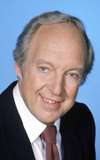
Daniel Massey played Noël Coward, his own godfather. Massey made his theatrical movie debut as a young boy, playing Noël Coward's son in the wartime drama, In Which We Serve (1942).
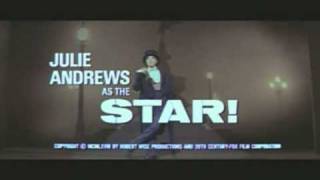
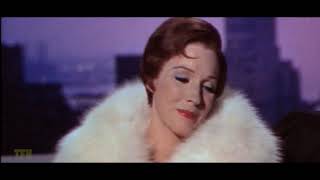
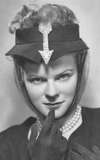
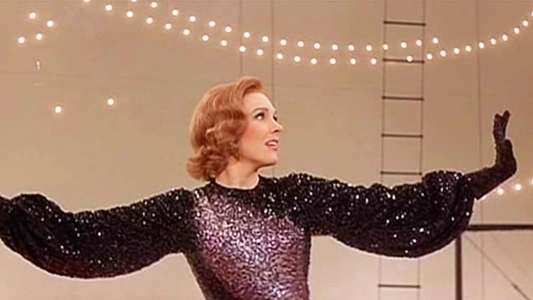
Dame Julie Andrews and Gertrude Lawrence have much in common: both were born in London; performed in music hall as children; and became box-office stars after their first American shows.
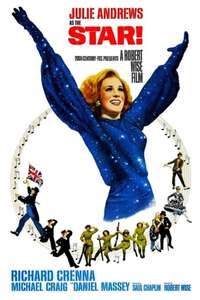
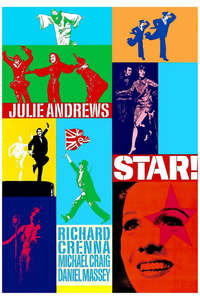
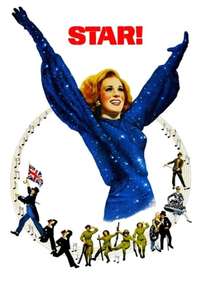
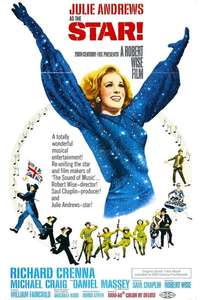
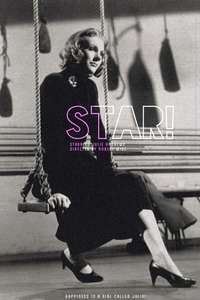
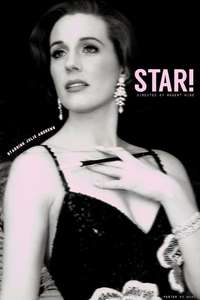
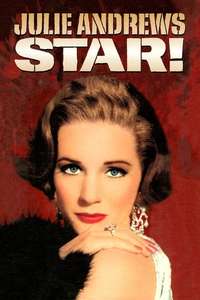
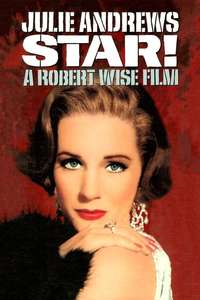
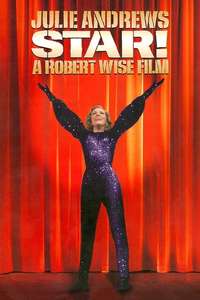
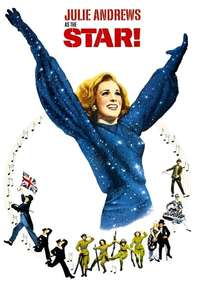
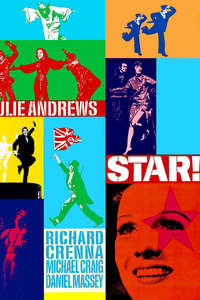
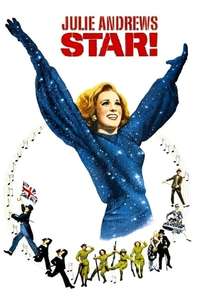
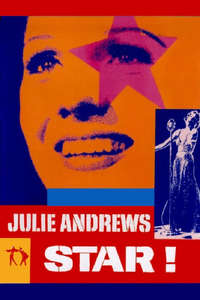
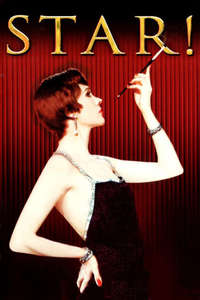
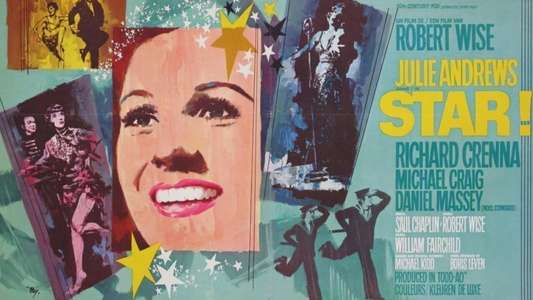
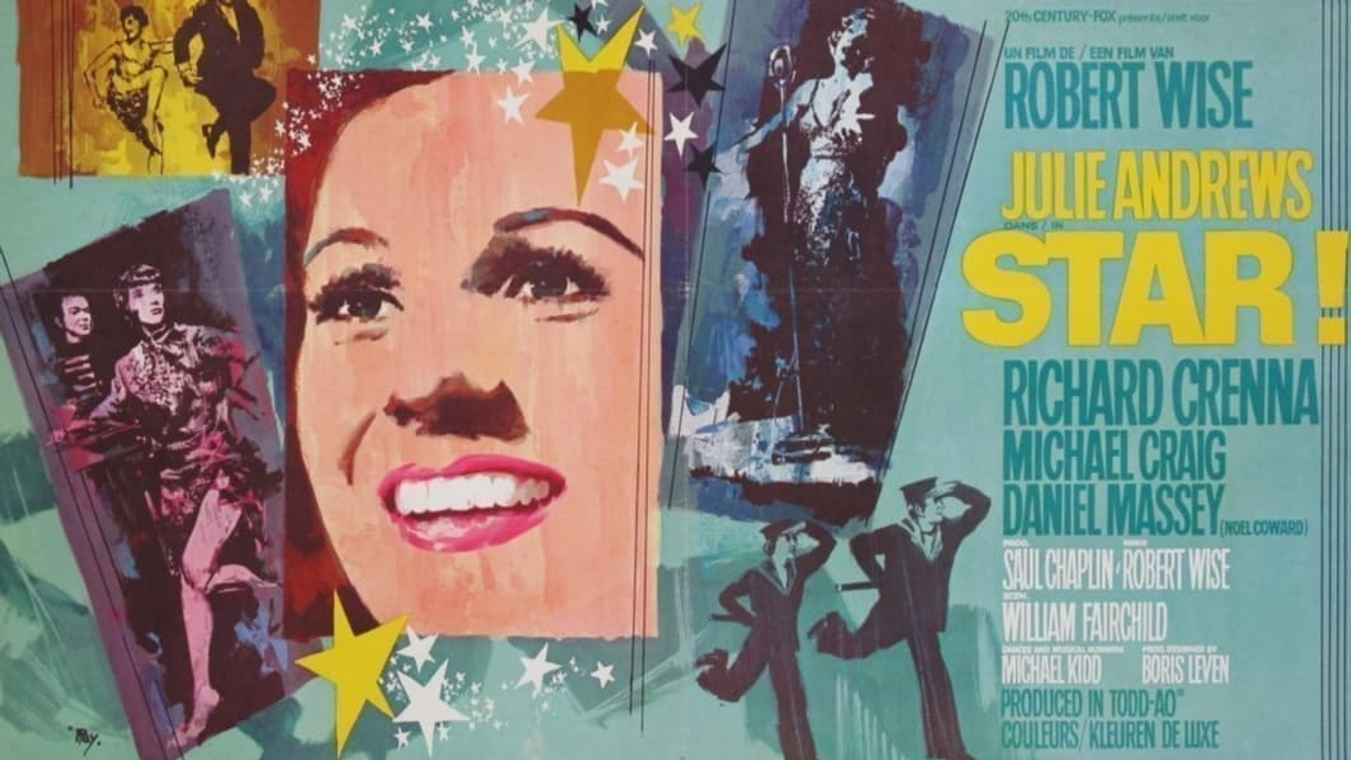
After this musical flopped at the box office, Twentieth Century Fox decided to substantially cut and re-market the movie. They did some primitive market research, and tested audience response to three titles: "Music For The Lady", "Star!", and "Those Were the Happy Days". The latter got the best response, but (possibly to avoid confusion with a couple songs about happy days) the final title was "Those Were the Happy Times". Executive producer and director Robert Wise didn't believe revamping this movie would work, but he didn't interfere. He declined to be involved in the re-cutting and asked that his credit "A Robert Wise Film" be removed. Original editor William Reynolds was hired to cut down this movie based on instructions from Richard D. Zanuck. The cuts were a bad idea, but they were very adeptly done. They hired the same artist who did the poster for The Sound of Music (1965) and every attempt was made to make audiences think this two hour version was a similar movie. The original title was tucked into a corner of all of the ads, so audiences were not fooled, and this desperate effort only convinced people who hadn't seen the original that it really was a bad movie. By the time it debuted on American television, the original title was restored, but the movie was still cut. At almost the same time, it debuted on television in England, but in the full original version, missing only the overture and intermission.
Jewelery worth £1,250 was provided by Cartier for Dame Julie Andrews to wear, and on every occasion, a Pinkerton detective was on-duty.
Dame Julie Andrews' wardrobe (designed by Donald Brooks) set a record for the largest number of costumes for an actress in one movie, at one hundred twenty-five.
"Noel Coward: Close personal relationships are bloody difficult, my darling but they do get easier with time. Loneliness gets harder."
"Noel Coward: The nasty part about the really good parties is when they end. Gertrude Lawrence: [sighs] I'm not sure. Noel Coward: You used to be. You said so. 'Why go third class when you can go first?' 'I want to be lots of different people.' 'Beware of wishing for anything in youth, because you will get it in middle age.' So said Johann Wolfgang Von Goethe. Gertrude Lawrence: Whoever he was, he wasn't born in Clapham. Noel Coward: 'You'll never decide what you want, until you've decided who you are.' So says Noel Coward. Better? Gertrude Lawrence: I'm an actress. Noel Coward: Unfortunately, my darling, you can't take a whole audience home to bed without being accused of immorality on rather a grand scale."