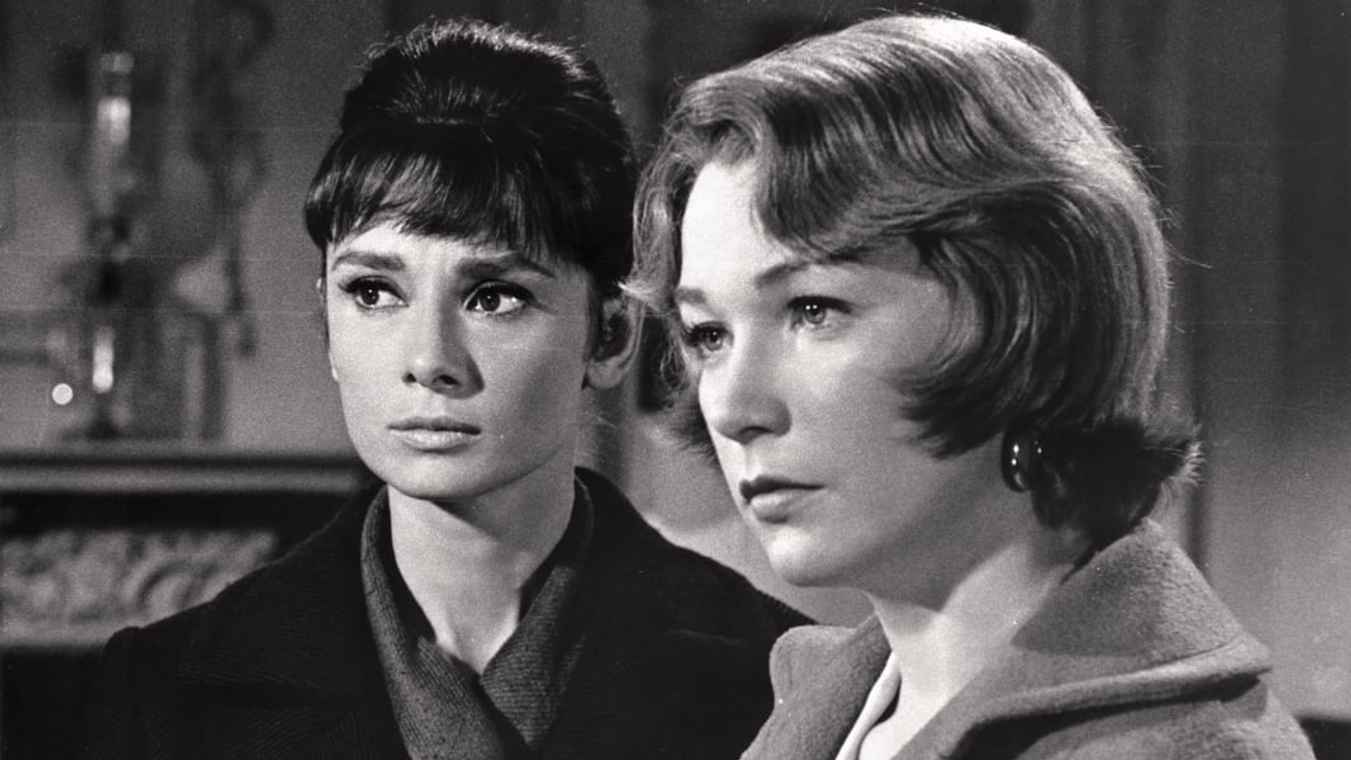

Movie |
Female Friendship | Falsely Accused
Disclaimer: All content and media belong to original content streaming platforms/owners like Netflix, Disney+ Hotstar, Amazon Prime Videos, JioCinema, SonyLIV etc. 91mobiles entertainment does not claim any rights to the content and only aggregate the content along with the service providers links.




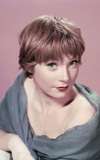
Top Female Dramatic Performance | 1962 | Shirley
Best Sound | 1962
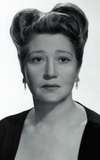
Best Actress in a Supporting Role | 1962 | Fay
Best Cinematography BlackandWhite | 1962
Best Art DirectionSet Decoration BlackandWhite | 1962
Best Costume Design BlackandWhite | 1962
Best Director | 1962 | William
Best Actress Drama | 1962 | Shirley
Best Supporting Actress | 1962 | Fay
Best Foreign Language Film | 1963 | William
Outstanding Directorial Achievement in Motion Pictures | 1962 | William
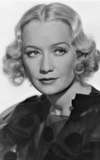
Top Female Dramatic Performance | 1962 | Audrey
Top Female Supporting Performance | 1962 | Fay
Budget 3,600,000 USD
Box Office Collection 3,000,000 USD
Veronica Cartwright (Rosalie) said in an interview that she and the other children were told not to hang around with Shirley MacLaine on set because she "cursed a lot". They all did, however, because they thought she was "cool" and "very generous". She also became Cartwright's mentor throughout the making of the film.
The original stage-play was partly inspired by an actual case in Edinburgh, Scotland in 1810. A pupil named Jane Cumming accused her schoolmistresses, Jane Pirie and Marianne Woods, of having an affair. Dame Cumming Gordon, the accuser's influential grandmother, advised her friends to remove their daughters from the boarding school. Within days the school was deserted and the two women had lost their livelihood. Pirie and Woods sued and eventually won, both in court and on appeal, but given the damage done to their lives, their victory was considered hollow.
William Wyler cut several scenes hinting at Martha's homosexuality for fear of not receiving the seal of approval from the Motion Picture Production Code. At the time, any story about homosexuality was forbidden by the production code.
The start of the movie implies that Mary gets the idea to "accuse" Karen and Martha of lesbianism from a forbidden book that gets passed around secretly among the school's students. Although this book is not identified by title in the movie, Lillian Hellman's play specifies that the book is Mademoiselle de Maupin, by Théophile Gautier, a French novel published in 1835. The novel concerns a woman who disguises herself as a man and has both a woman and a man fall in love with her, so it did contain at least the concept of lesbianism and, therefore, answers the question of how Mary could have conceived of the charge she levels against Martha and Karen without ever actually seeing them engage in any romantic or sexual activity.
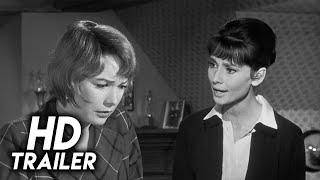
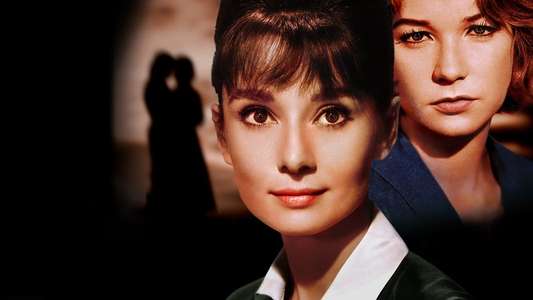
Shirley MacLaine, in the documentary The Celluloid Closet (1995), said that nobody on the set of The Children's Hour (1961) discussed the ramifications of the issues regarding homosexuality that are implied, but never spoken about outright, in the film. She said, "none of us were really aware. We might have been forerunners, but we weren't really, because we didn't do the picture right. We were in the mindset of not understanding what we were basically doing. These days, there would be a tremendous outcry, as well there should be. Why would Martha break down and say, 'Oh my god, what's wrong with me, I'm so polluted, I've ruined you.' She would fight! She would fight for her budding preference. And when you look at it, to have Martha play that scene - and no one questioned it - what that meant, or what the alternatives could have been underneath the dialog, it's mind boggling. The profundity of this subject was not in the lexicon of our rehearsal period. Audrey and I never talked about this. Isn't that amazing. Truly amazing."
"Martha: There's always been something wrong. Always, just as long as I can remember. But I never knew what it was until all this happened. Karen: Stop it Martha! Stop this crazy talk! Martha: You're afraid of hearing it, but I'm more afraid that you. Karen: I won't listen to you! Martha: No! You've got to know. I've got to tell you. I can't keep it to myself any longer. I'm guilty! Karen: You're guilty of nothing! Martha: I've been telling myself that since the night I heard the child say it. I lie in bed night after night praying that it isn't true. But I know about it now. It's there. I don't know how, I don't know why. But I did love you! I do love you! I resented your plans to marry. Maybe because I wanted you. Maybe I've wanted you all these years. I couldn't call it by name before, but maybe it's been there since I first knew you. Karen: But it's not the truth, not a word of it is true! We've never thought of each other that way. Martha: No, of course you didn't. But who's to say I didn't. I'd never felt that way about anybody before you. I've never loved a man. I never knew why before, maybe it's that. Karen: You're tired and worn out. Martha: It's funny. It's all mixed up. There's something in you, and you don't know anything about it because you don't know it's there. And then suddenly, one night a little girl gets bored and tells a lie, and there, for the first time, you see it. Then you say to yourself, did she see it? Did she sense it? Karen: But you know it could have been any lie. She was looking for anything to... Martha: But why this lie? She found the lie with the ounce of truth. Don't you see? I can't stand to have you touch me! I can't stand to have you look at me! Oh, it's all my fault. I have ruined your life and I have ruined my own. I swear I didn't know it! I didn't mean it! Oh, I feel so damn sick and dirty I can't stand it anymore!"
"Mrs. Lily Mortar: God will punish you. Martha: He's doing all right."