
Movie |
Vietnam | Self Immolation
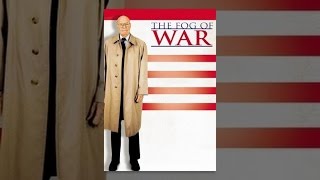
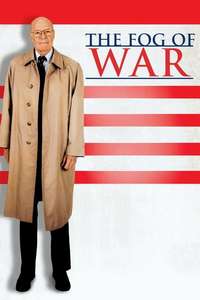
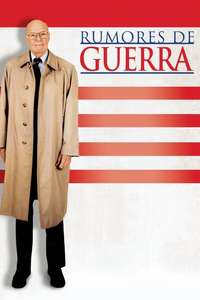
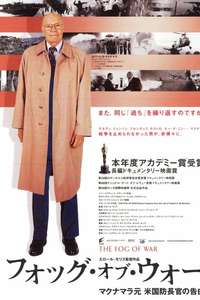
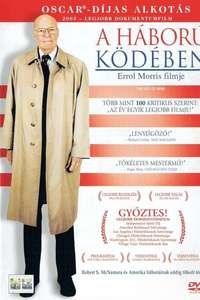
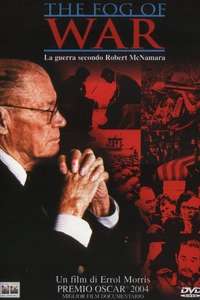
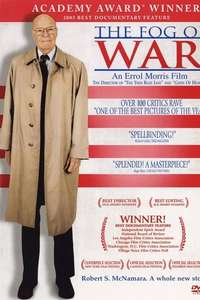
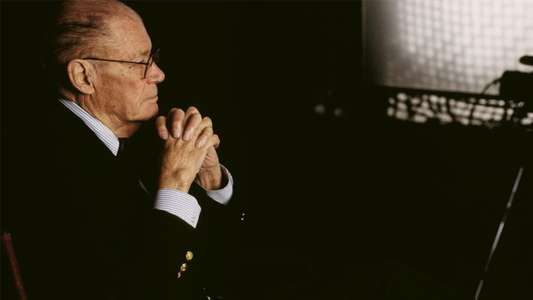
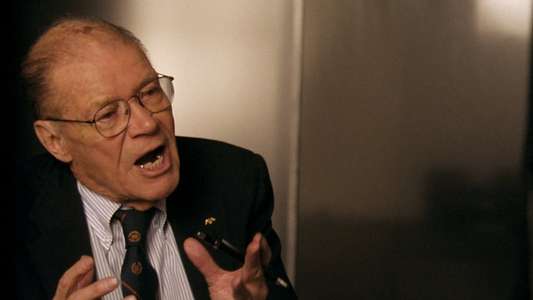
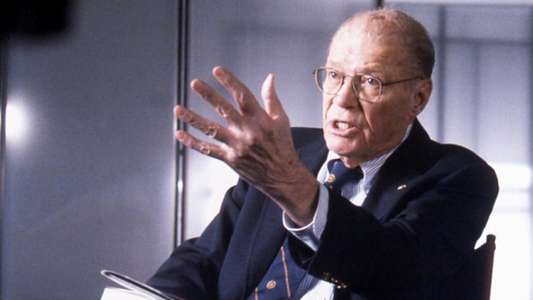
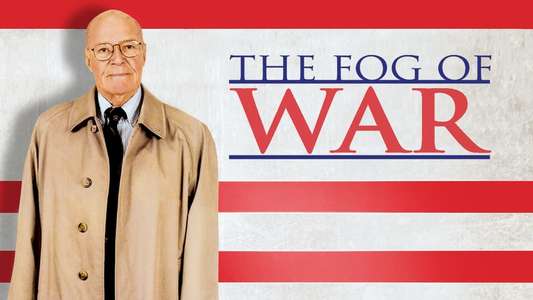
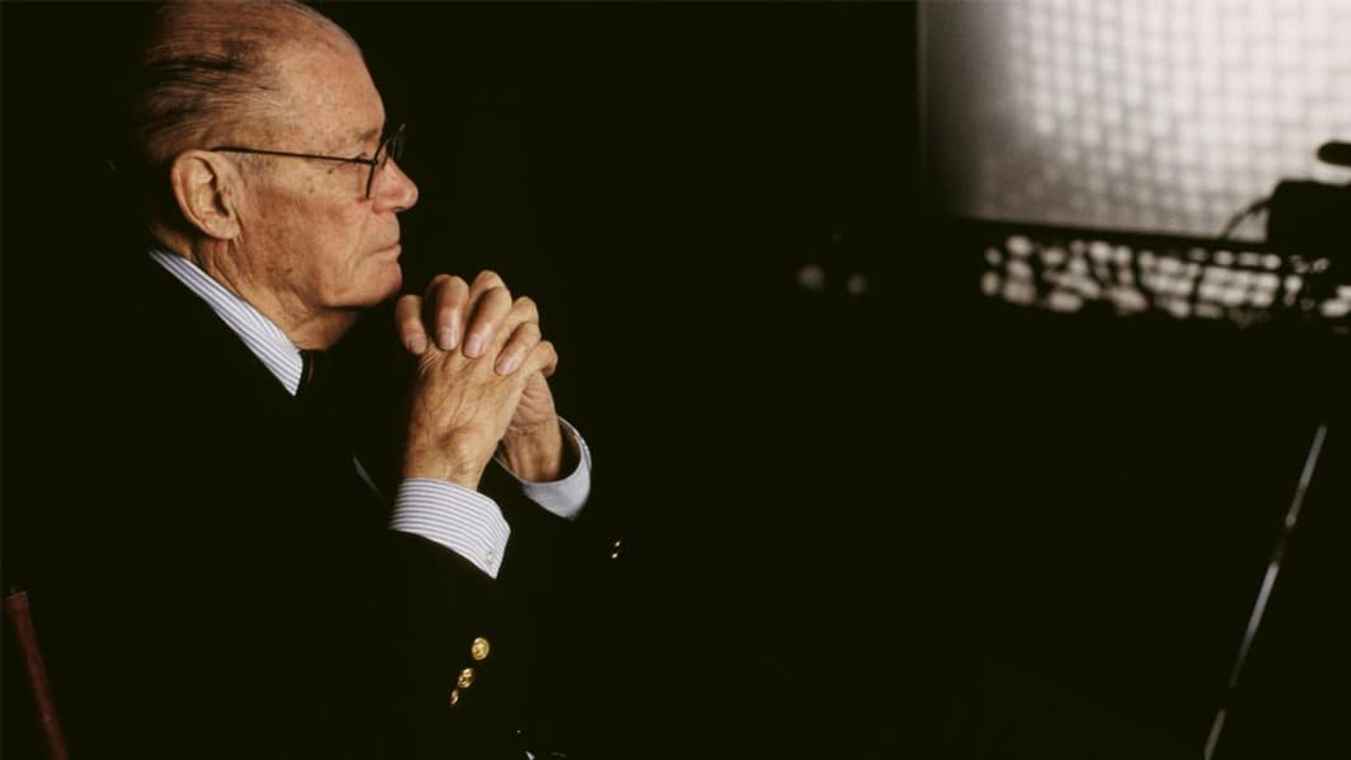
Using archival footage, United States Cabinet conversation recordings, and an interview of the 85-year-old Robert McNamara, THE FOG OF WAR depicts his life, from working as a WWII whiz kid military officer, to being the Ford Motor Company's president, to managing the American Vietnam War, as defense secretary for presidents Kennedy and Johnson.
Disclaimer: All content and media belong to original content streaming platforms/owners like Netflix, Disney+ Hotstar, Amazon Prime Videos, JioCinema, SonyLIV etc. 91mobiles entertainment does not claim any rights to the content and only aggregate the content along with the service providers links.





Using archival footage, United States Cabinet conversation recordings, and an interview of the 85-year-old Robert McNamara, THE FOG OF WAR depicts his life, from working as a WWII whiz kid military officer, to being the Ford Motor Company's president, to managing the American Vietnam War, as defense secretary for presidents Kennedy and Johnson.
Best Documentary Features | 2004 | Michael
The Influentials | 2016 | Errol
National Film Preservation Board | 2019
Best Documentary | 2004 | Errol
Best DocumentaryNonFiction Film | 2004 | Errol
Websites Movie Film | 2004
Best Documentary | 2004
Best Documentary | 2004
Best Documentary | 2003
Best Documentary Feature Film | 2003
Documentary Feature | 2004
Best Documentary | 2005
Best Deleted Scenes Outtakes and Bloopers | 2005 | Errol
Best Edited Documentary Film | 2004 | Chyld
Best Original Score | 2004 | Philip
Outstanding Directorial Achievement in Documentary | 2004 | Errol
Best Documentary Picture | 2004 | Errol
Best Documentary | 2004
Best Documentary | 2004
Best Documentary | 2004
Best NonFiction Film | 2004
Best Motion Picture Documentary | 2004
Best Documentary | 2004
Best Documentary | 2003
Best NonFiction Film | 2003
Best Film | 2003
The "Eleven Lessons" listed in the film are as follows: 1. Empathize with your enemy.2. Rationality will not save us.3. There's something beyond one's self.4. Maximize efficiency.5. Proportionality should be a guideline in war.6. Get the data.7. Belief and seeing are both often wrong.8. Be prepared to reexamine your reasoning.9. In order to do good, you may have to engage in evil.10. Never say never.11. You can't change human nature.
McNamara originally agreed to an hour-long interview for the Errol Morris PBS series, First Person (2000). The interview lasted eight hours and McNamara stayed for a second day of interviewing. He also returned months later, for two more days of interviews. Morris found himself with more than enough material for a feature-length documentary.
The trick that the filmmaker used to get the subject to look directly at the camera throughout the interview was very simple. He used a small format teleprompter, which is traditionally used just for displaying text. It includes a flat panel display that points straight up and which has a sheet of glass positioned over it at and angle of 45º. The camera shoots straight through the glass at the subject. Meanwhile, the interviewer is facing a second camera, having his image projected on the teleprompter, which is reflected on the angled glass. Meanwhile, a similar teleprompter is set up in front of the interviewer's camera. This way, they can be looking directly at each other as they talk.
Errol Morris's wife jokingly nicknamed his interviewing device the Interrotron, which is what it later became known as.
Errol Morris invented a device called the Interrotron not for this film. He did indeed use the Interrortron, but he invented it several years earlier, and has used it on several of his other films.
"Robert McNamara: I'm not so naive or simplistic to believe we can eliminate war. We're not going to change human nature any time soon. It isn't that we aren't rational. We are rational. But reason has limits. There's a quote from T.S. Eliot that I just love: "We shall not cease from exploring, and at the end of our exploration, we will return to where we started, and know the place for the first time." Now that's in a sense where I'm beginning to be."
"Robert McNamara: If we can't persuade nations with comparable values of the merits of our cause, we'd better reexamine our reasoning."