
Movie |
World War Ii | Drama
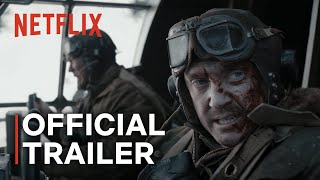
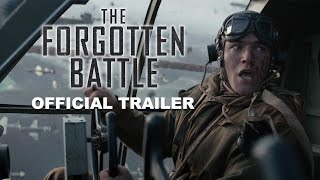
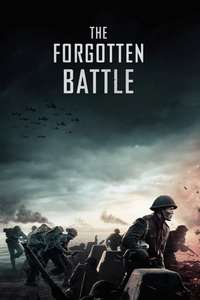
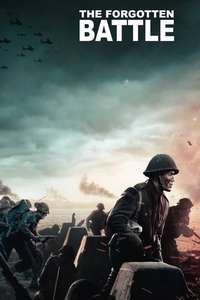
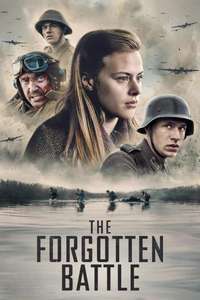
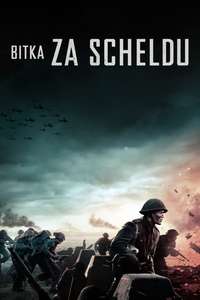
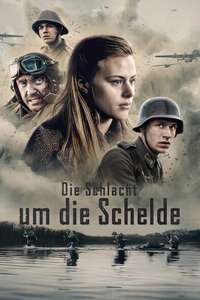
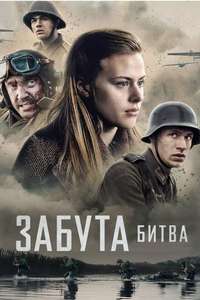
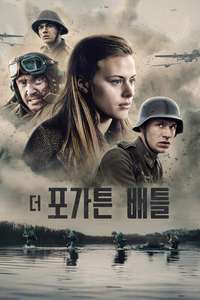
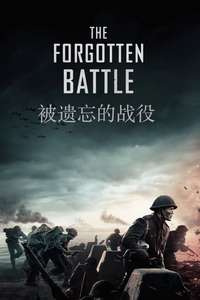
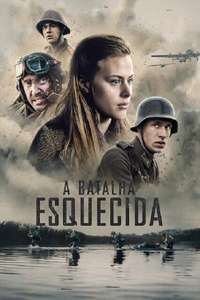
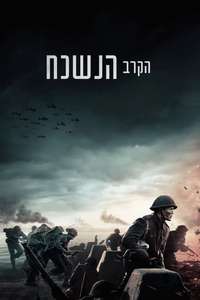
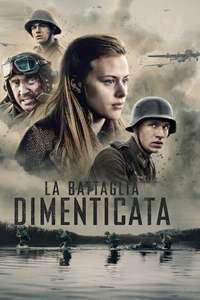
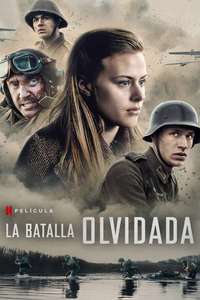
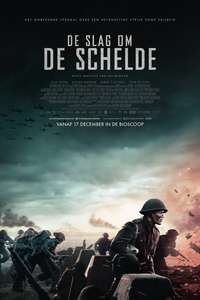
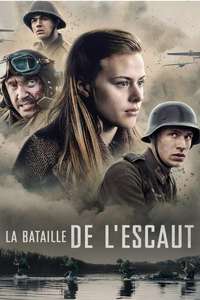
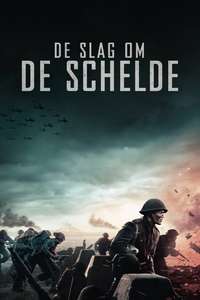
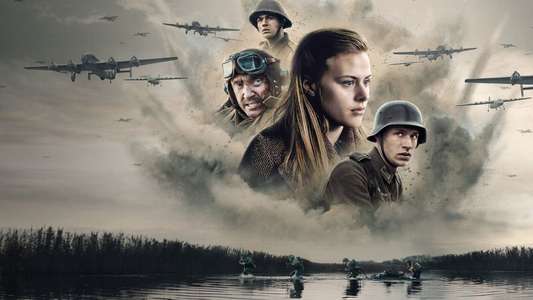
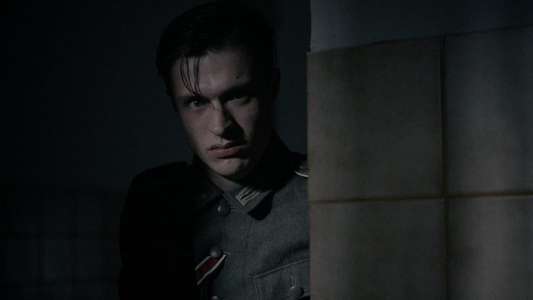
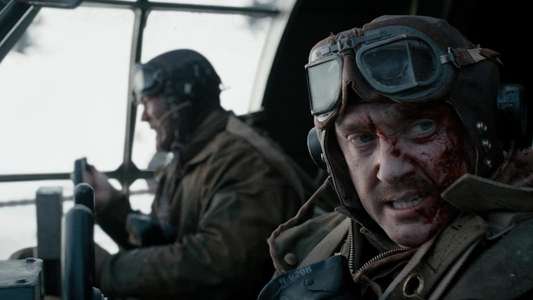
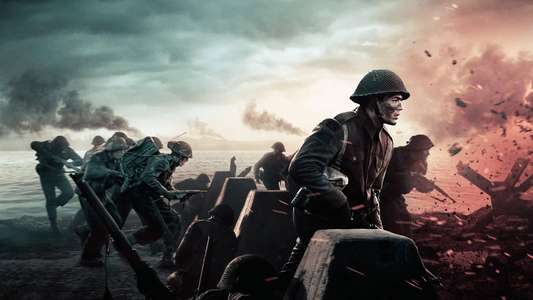
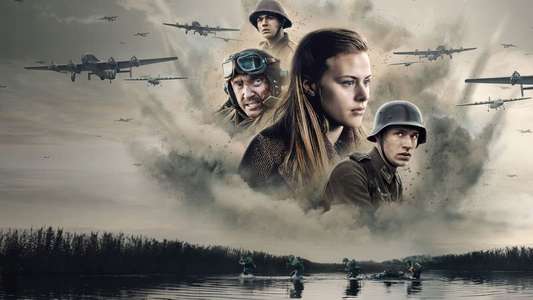
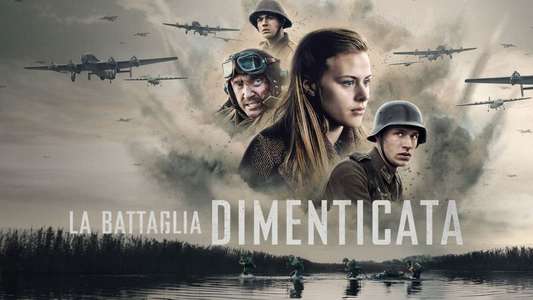
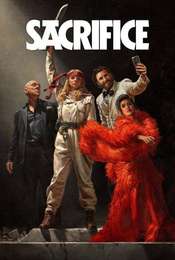
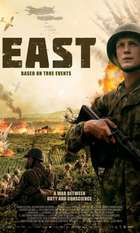
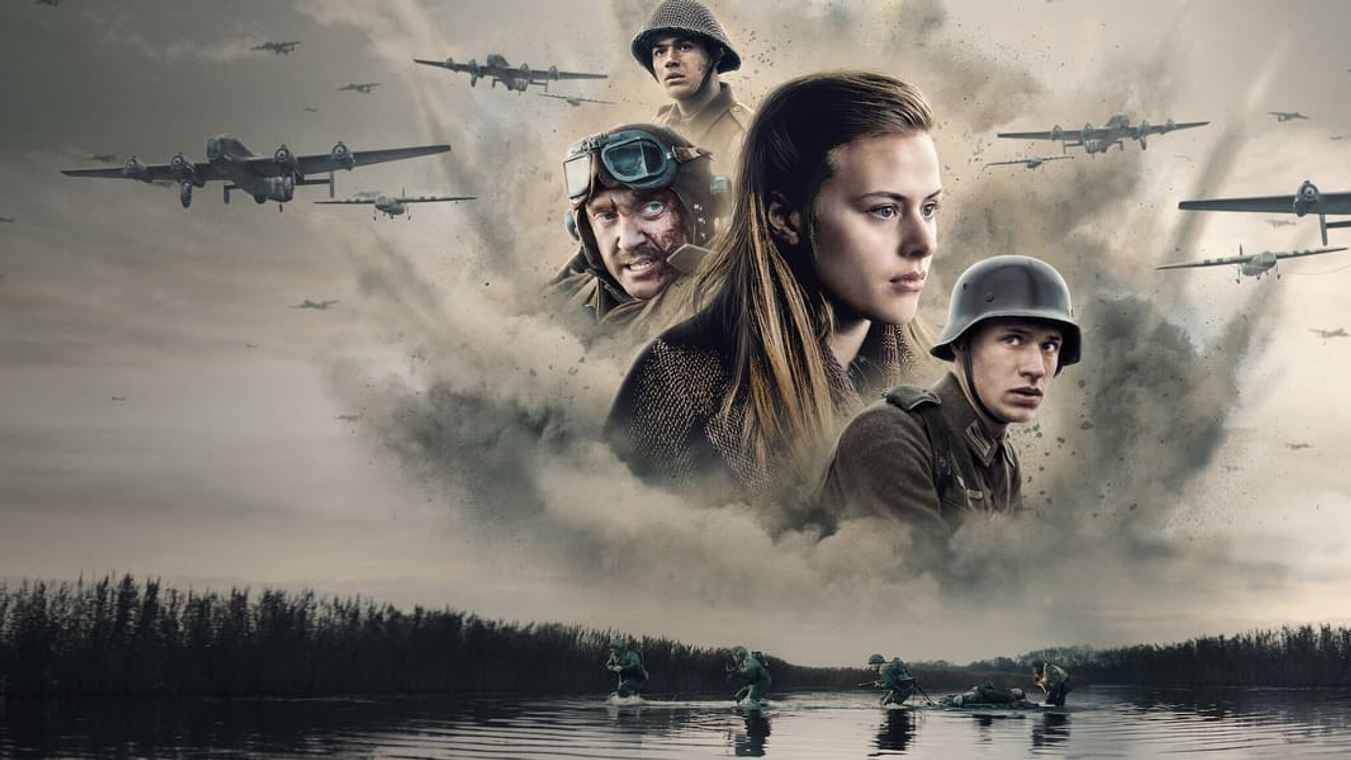
November 1944, the Second World War. A British glider pilot, a Dutch boy fighting on the German side, and a Dutch female resistance member all end up involved in the Battle of the Scheldt. Their choices differ, but their goal is the same: freedom. Directed by Matthijs van Heijningen Jr..
Disclaimer: All content and media belong to original content streaming platforms/owners like Netflix, Disney+ Hotstar, Amazon Prime Videos, JioCinema, SonyLIV etc. 91mobiles entertainment does not claim any rights to the content and only aggregate the content along with the service providers links.

November 1944, the Second World War. A British glider pilot, a Dutch boy fighting on the German side, and a Dutch female resistance member all end up involved in the Battle of the Scheldt. Their choices differ, but their goal is the same: freedom. Directed by Matthijs van Heijningen Jr..
Admissions | 2021 | Alain de
Best Editing Beste Montage | 2021 | Marc
Best Film Beste Lange Speelfilm | 2021
Best Director of a Feature Film Beste Regie | 2021
Audience Award Publieksprijs | 2021
Best Screenplay of a Feature Film Beste Scenario | 2021
Budget 14,000,000 USD
Filming the battle scenes in the Netherlands turned out to be near-impossible due to all kinds of environmental issues (certain wild animal populations that couldn't be disturbed, no permission for explosive effects, etc.). Another problem was that modern windmills had been placed around the original site of the titular battle, and money spent on digitally removing them would be better spent on adding planes or destroyed villages. The problem was solved by going to Lithuania, which offers tax benefits for movie productions. A piece of unused farmland was rented there from a farmer, who told production that they could do with it as they pleased. An entire dam was built there specifically for the battle scene.
The movie's opening scene takes place on September 5th, 1944, a day which was later dubbed "Dolle Dinsdag" (Mad Tuesday). The Allied forces had advanced through Belgium in record time, having just liberated Antwerp a day before; rumors spread that they would free the Dutch province of Zeeland the next day. In anticipation, the German army went in full retreat, while the population was anxiously awaiting the arrival of the Allies. In vain, as it turned out, since the Allies lacked the troops and supplies to continue their push into occupied territory.
The German MG-42 heavy machine gun was universally feared by allied soldiers. It could fire 1500 rounds per minute, and was nicknamed "Hitler's buzzsaw" because its firepower could easily rip bodies apart. When sound designer Herman Pieëte learned that surviving veterans described its sound as "ripping linen", he mixed the actual sounds of ripping linen and paper into the soundtrack.
This being a Dutch movie with a limited budget of EUR14 million (by comparison: Saving Private Ryan (1998) cost around EUR60 million), director Matthijs van Heijningen Jr. saved money by doing copious rehearsals of the battle scene with only the actors and stunt people, and no crew. This allowed him to thoroughly choreograph the action before the cameras rolled, managing to film the scene in a mere three days (the opening scene of Saving Private Ryan took six weeks to shoot).
The sound design of the film was extensive: an average Dutch feature film at the time contained about 500-600 separate audio tracks, while this film has well over 1700. Some sounds were arranged by Charles Maynes, who had been a sound effects editor on Starship Troopers (1997) and sound designer on Letters from Iwo Jima (2006). The sound of the Russian T-34 tank also had to be bought because there was only one good recording of it in existence.
"Tony Turner: We're not giving ourselves up. If we do that, we're as good as dead. I'd rather drown. John: That's easy for you to say, you're going to die anyway. Tony Turner: Maybe, John. But not today."