
Movie |
Scandal | Biography
Disclaimer: All content and media belong to original content streaming platforms/owners like Netflix, Disney+ Hotstar, Amazon Prime Videos, JioCinema, SonyLIV etc. 91mobiles entertainment does not claim any rights to the content and only aggregate the content along with the service providers links.

Best Writing Screenplay | 1938
Best Picture | 1938
Best Actor in a Supporting Role | 1938
Best Sound Recording | 1938
Best Music Score | 1938
Best Art Direction | 1938
Best Writing Original Story | 1938
Best Director | 1938
Best Actor in a Leading Role | 1938
Best Assistant Director | 1938
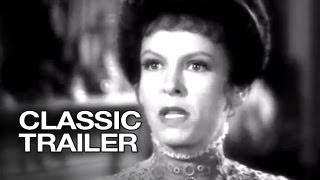
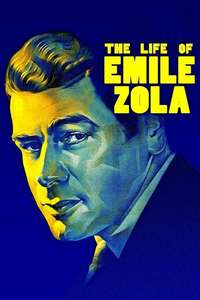
Studio boss Jack L. Warner, who was himself Jewish, personally ordered that the word "Jew" be removed from all dialogue in this movie about the Alfred Dreyfus Affair, apparently in order to make the drama more universal and not to offend the Nazi regime and hurt business for the film in Germany. (Source: Ben Urwand in his controversial 2013 study, "The Collaboration: Hollywood's Pact With Adolf Hitler".) However, the word does appear on screen in a single shot of Dreyfus' army file, where the audience can read: "Religion: Jew".
This was the first film to break double digits in Academy Award nominations, receiving an astonishing ten nods.
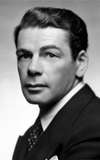
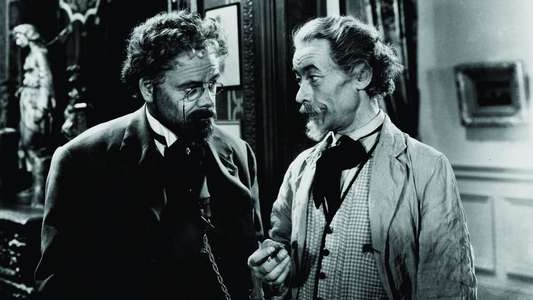
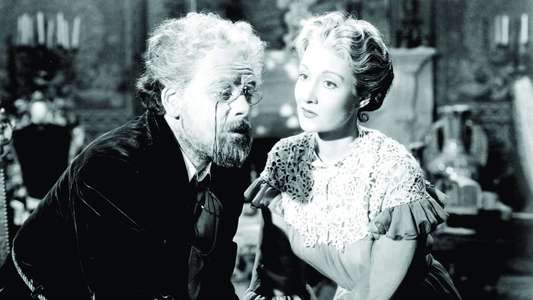
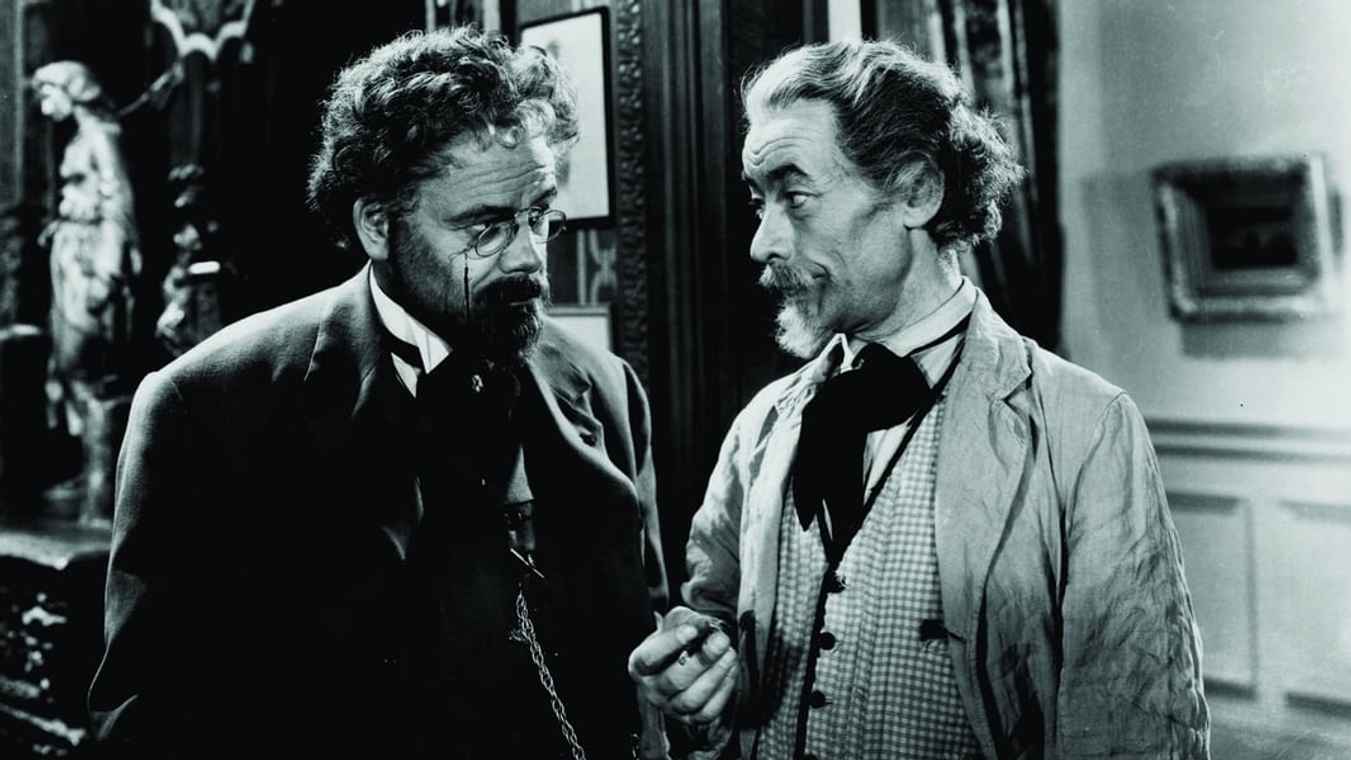
The film was shot in reverse order; Paul Muni grew his own beard for the role, and it was trimmed and darkened as he proceeded to scenes where Zola is younger. His makeup took 3-1/2 hours to apply each morning.
Paul Muni's finest moment in the film is probably the famous six minute courtroom speech. He had to do multiple takes of this crucial scene. Upon completion, he received a standing ovation from the cast and crew.
Considered highly contentious in France, the film wasn't granted a proper release in that country until 1952.
"Émile Zola: Paul. Paul Cezanne: Hmm. Émile Zola: Will you write? Paul Cezanne: No. But I'll remember."
"Émile Zola: Life is tricky."