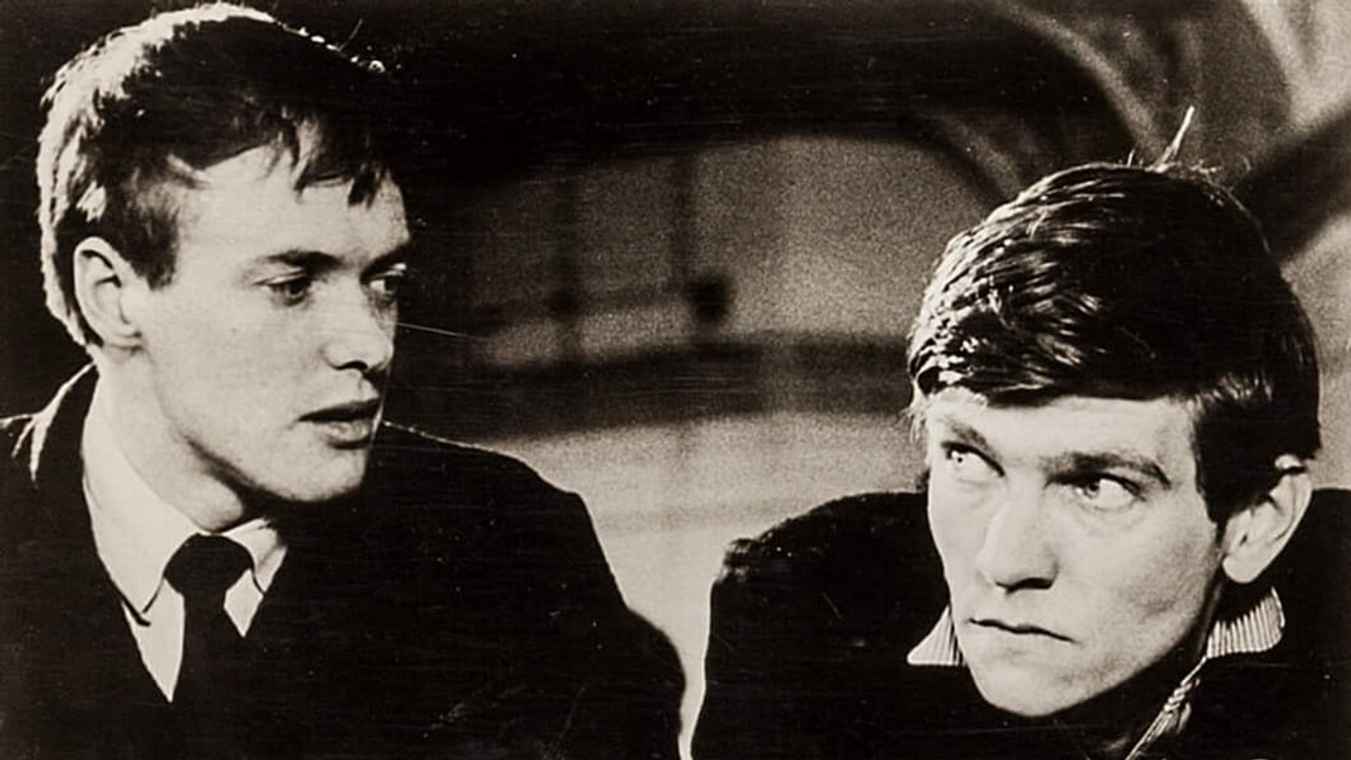

Movie |
Prison | Rebel
Disclaimer: All content and media belong to original content streaming platforms/owners like Netflix, Disney+ Hotstar, Amazon Prime Videos, JioCinema, SonyLIV etc. 91mobiles entertainment does not claim any rights to the content and only aggregate the content along with the service providers links.

Most Promising Newcomer to Leading Film Roles | 1963 | Tom
1963 | Tom
1963 | Tony
Best Foreign Director Regista del Miglior Film Straniero | 1967 | Tony
International Competition | 1963 | Tony
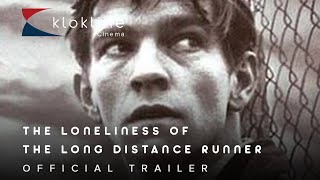
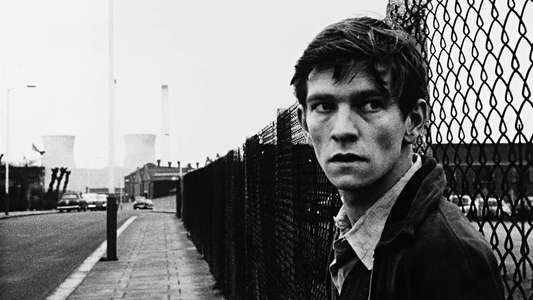
Producer and Director Tony Richardson continued to insist on selecting filming locations, which he'd begun with A Taste of Honey (1961), the first British movie shot entirely outside of a studio. According to Cinematographer Walter Lassally, location work was very difficult to sell to British movie financiers at the time. "They were afraid that a lack of sunlight would delay the shooting interminably. It was impossible to convince them that for greater realism, it was actually desirable to shoot exteriors without sun."
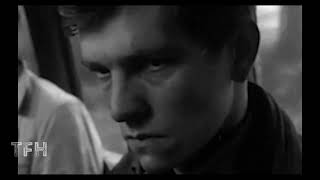
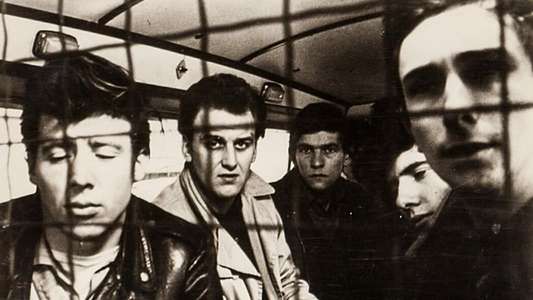
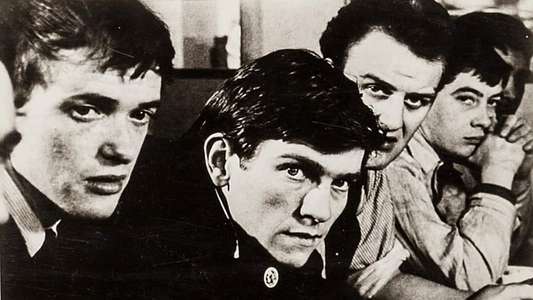
Real borstal inmates were used as extras, primarily in the riot scene. Director of Photography Walter Lassally stated: "The mix was so good that you couldn't-, unless you knew that this is an actor and this is an extra and this is a Borstal boy, you couldn't tell. The only time you could tell was at lunchtime, because they were absolutely ravenous. It looked like in the Borstal they were never properly fed because they were always looking. If you'd finished your dinner and you'd left something on your plate, they'd say, can I have that? They participated with great glee in the riot."
There is a running scene in which the camera catches both the rising sun and the setting moon. Director of Photography Walter Lassally recalled a critic writing of this scene: "'What consultation of ephemerides there must have been to capture that precious moment'...which only goes to show that critics don't know a great deal about how movies are made, because you can't possibly plan a thing like that. It would take forever, and fall well outside your schedule." The shot was actually one of those happy accidents that sometimes happen in filmmaking. Two cameras were set up, one with a wide angle lens and one with a long focus. It was pure luck that the two celestial bodies were caught.
The riot was largely improvised. There was one camera tracking up and down the aisles at the edge of the dining hall. Director of Photography Walter Lassally operated a second hand-held camera. His technique was to use the static camera and switch to hand-held at the exact moment everything turns violent or alive with frenetic movement, then cut back to static when the movement is less lively. "The choice, I think, of that moment where you switch from tripod or dolly to hand-held is very important", Lassally said.
Tony Richardson later noted that by not being based in a major studio, he was able to hand-pick his crew and get a much more enthusiastic group of colleagues together while still complying with union regulations.
"Colin Smith: Running's always been a big thing in our family, especially running away from the police."
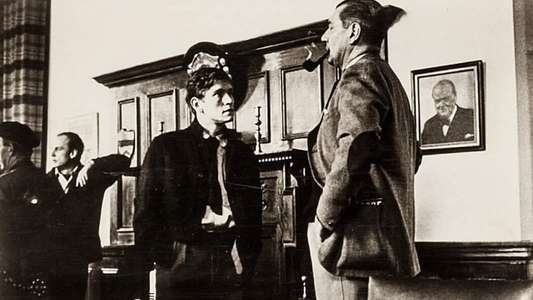
"Brown, House Master: Now when you broke into this, um, what was it... Colin Smith: Bakery Brown, House Master: Bakery, yup... what were you thinking about at the time? Colin Smith: I wasn't thinking about anything, I was too busy breaking in."