
Movie |
Tasmania | Rape
Disclaimer: All content and media belong to original content streaming platforms/owners like Netflix, Disney+ Hotstar, Amazon Prime Videos, JioCinema, SonyLIV etc. 91mobiles entertainment does not claim any rights to the content and only aggregate the content along with the service providers links.











Best Supporting Actor | 2020 | Sam
Best Actress | 2020 | Aisling
Best Actor | 2020 | Baykali
Best Film | 2020
Bravest Performance | 2020 | Aisling
Best Film | 2019 | Jennifer
Best Direction | 2019 | Jennifer
Best Supporting Actress | 2019
Best Achievement in Mixing for a Feature Film For | 2019 | Peter D.
Best Achievement in Mixing for a Feature Film | 2019 | Peter D.
Most Promising Performer | 2019 | Aisling
Top Ten Independent Films | 2019
2019 | Jennifer
Breakthrough Artist | 2019 | Aisling
Best Young Actor or Actress | 2018 | Baykali
2018 | Jennifer
Best Film | 2018 | Jennifer
Best International Film | 2021
Best Supporting Actor | 2020 | Damon
Best Actor | 2020 | Baykali
Best Director | 2020 | Jennifer
Best Cinematography | 2020 | Radek
Best Actress in a Lead Role Film | 2020 | Aisling
Best Woman Storyteller | 2019 | Jennifer
Best Movie by a Woman | 2019
Best Actress | 2019 | Aisling
Best Supporting Actor | 2019 | Sam
Breakout of the Year | 2019 | Aisling
Best Actress | 2019 | Aisling
Best Actress | 2019 | Aisling
Breakthrough Star | 2019 | Aisling
Best Film | 2019 | Jennifer
Breakthrough Actor | 2019 | Aisling
Breakthrough | 2019 | Aisling
Best Film | 2019 | Jennifer
Best Casting in a Feature Film | 2019 | Nikki
Best Directorial Debut | 2019 | Jennifer
Box Office Collection 855,756 USD
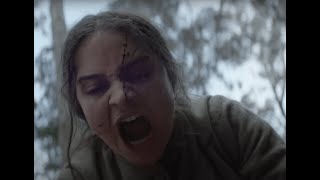
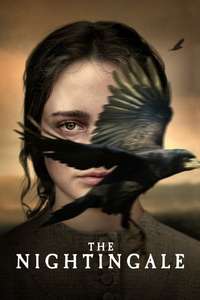
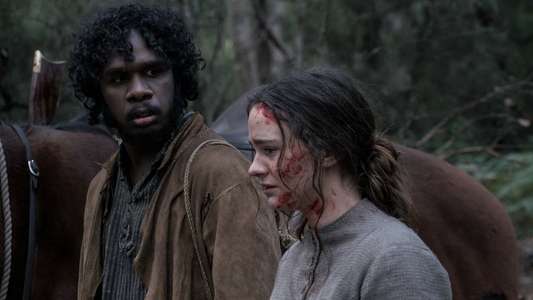
"I've always had a fascination with Tasmania," writer-director Jennifer Kent said. It was considered the most brutal of the Australian colonies, known as 'hell on earth' through the western world at the time. Repeat offenders were sent there; the rapists, murderers, hardened criminals. And severe punishments were devised for them to strike fear in the hearts of those back in Britain, to deter them from crime. Women on the other hand, who'd often committed minor crimes, were sent to Tasmania to even the gender balance. They were outnumbered eight to one. You can imagine what kind of an environment that would set up for women. It was not a good place or time for them. And in terms of the Aboriginal invasion, what happened in Tasmania is often considered the worst attempted annihilation by the British of the Aboriginal people and everything they hold dear."
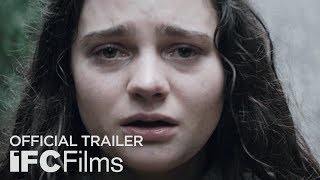
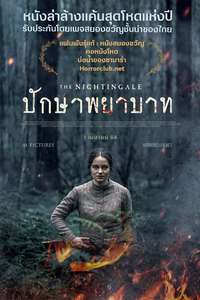
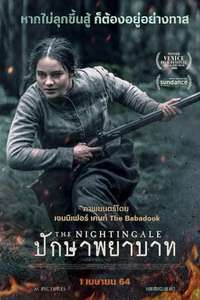
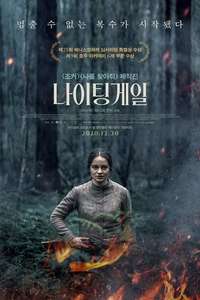
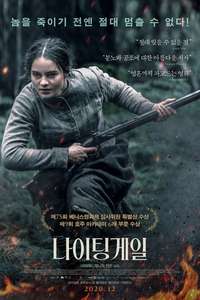
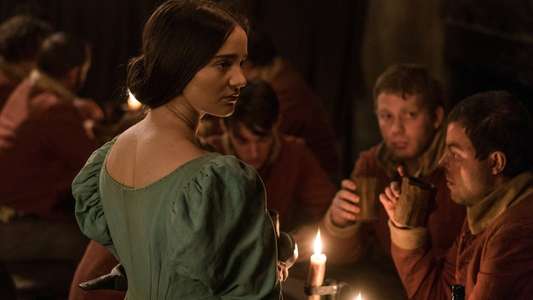
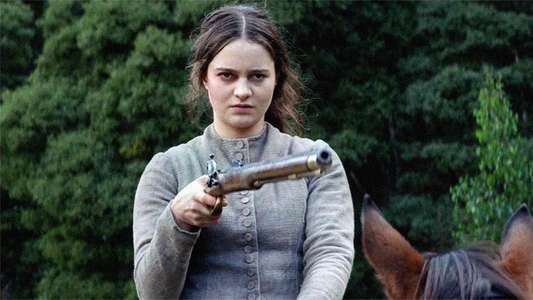
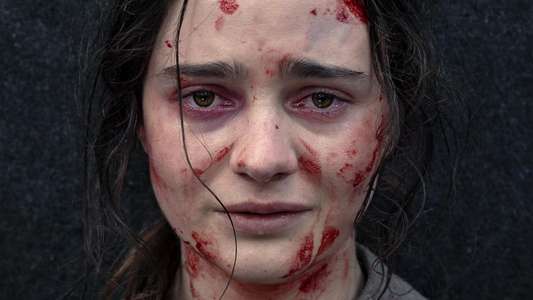
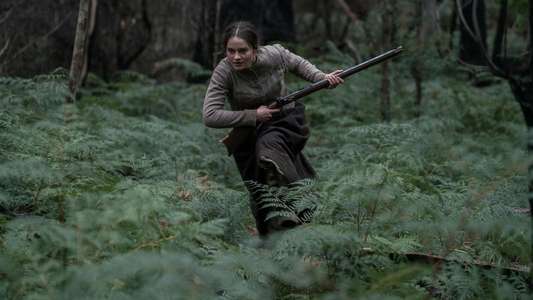
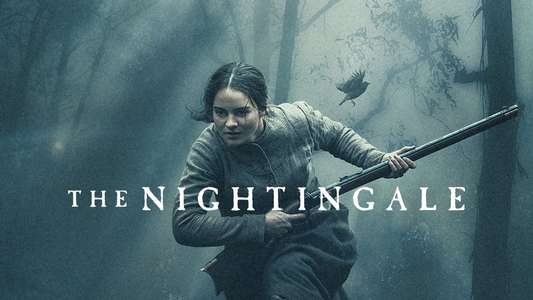
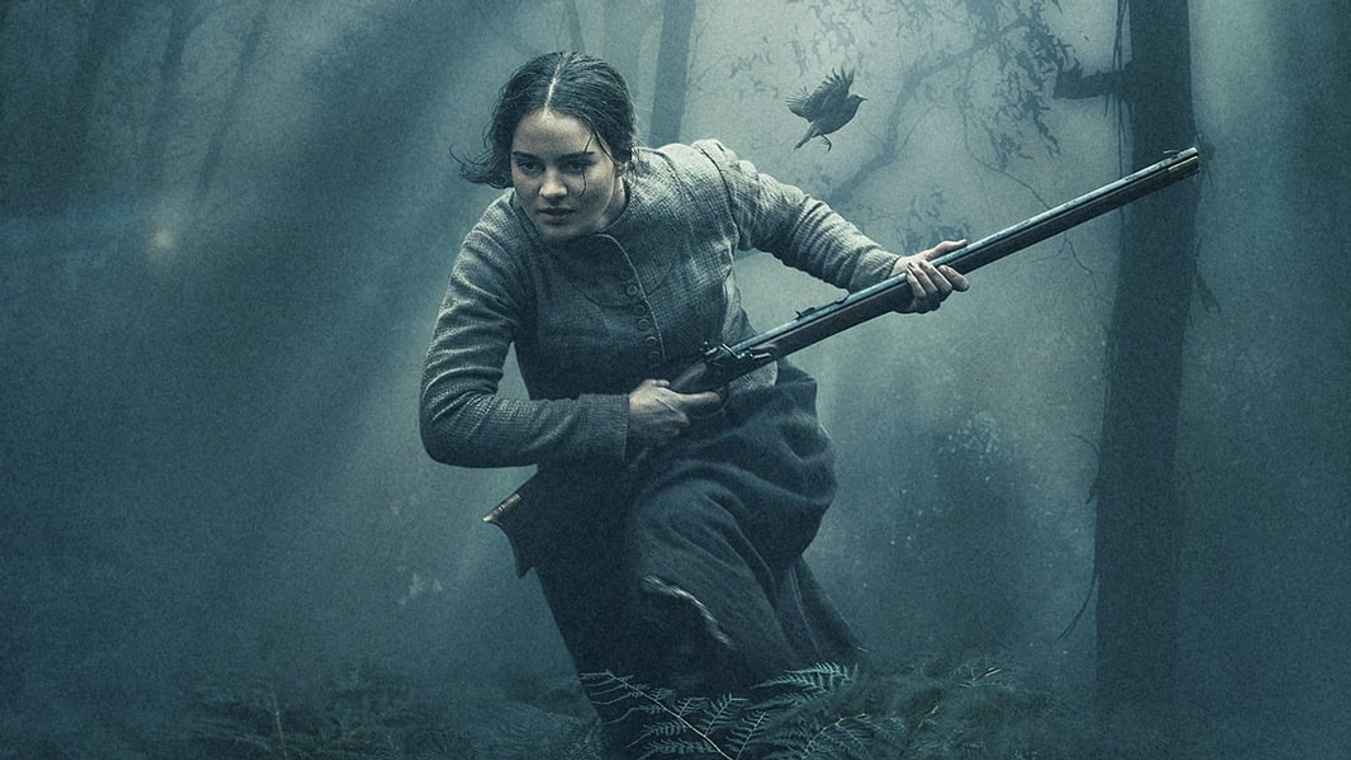
For director Jennifer Kent, the character of Clare (Aisling Franciosi) had to possess a fierce tenacity and a steely strength, character traits that came from close research into the era. "In the convict prison in Richmond, Tasmania, a plaque on the wall explains that women inmates were put in solitary confinement for three weeks straight - no light, freezing cold, on a sandstone floor with a hessian sack." explained Kent. "They were put in for talking back to their masters, or getting drunk, or other very minor crimes. They would be released after twenty-one days to go back to that same master, and they would deliberately commit another crime so that they could be put back into solitary confinement." She added: "That made me think: 'Why would a woman do that? What was so bad about that situation that they would prefer total deprivation?' The answer is rape, beatings, physical and psychological abuse. As she took form in my head, Clare emerged as a woman who has come from a very, very difficult background. To be poor in the Georgian era was not seen as an economic problem but a moral weakness. So convicts were viewed with next to no compassion. And female convicts were seen as worse than male convicts, because women were meant to be a symbol of purity. And the Irish were seen by the English as the 'scum of the earth', one step up from Aboriginal people, who were viewed as animals. So it made sense to me that she was also going to be Irish."
Extensive research was done by writer-director Jennifer Kent on the history of convicts in Australia and the history of Tasmanian Aboriginal people. The filmmakers and cast also researched PTSD (post-traumatic stress disorder), violence against women, and how people deal with trauma.
Clinical psychologists had to be brought on set in order to help the actors deal with filming the more brutal, traumatic scenes.
A crucial production team member, brought on early in the process, was Aboriginal Consultant Jim Everett, a Plangermairreenner man whose Aboriginal name is "pur-lia meenamatta". "Our people lived through two Ice Ages," said Everett. "We were here when the ice melted and the land bridge that connected to the mainland became submerged. Evidence uncovered in one of the latest Tasmanian archaeological digs dates back 42,000 years."
"Clare: You can tell me to shut up. You can threaten me. But it won't do nothing. That girl you raped, whose husband and baby you murdered - that girl died. And you can't kill what's already dead. Hawkins: This woman's a lying thief. She's just upset because I caught her trying to steal my horse. I'll have you arrested, you drunken whore. Clare: I'm not your whore. I'm not your nightingale, your little bird, your dove. I'm not your anything. I belong to me and no one else!"
"[last lines] Billy: I'm still here you white bastards! I'm not going anywhere! I'm home!"