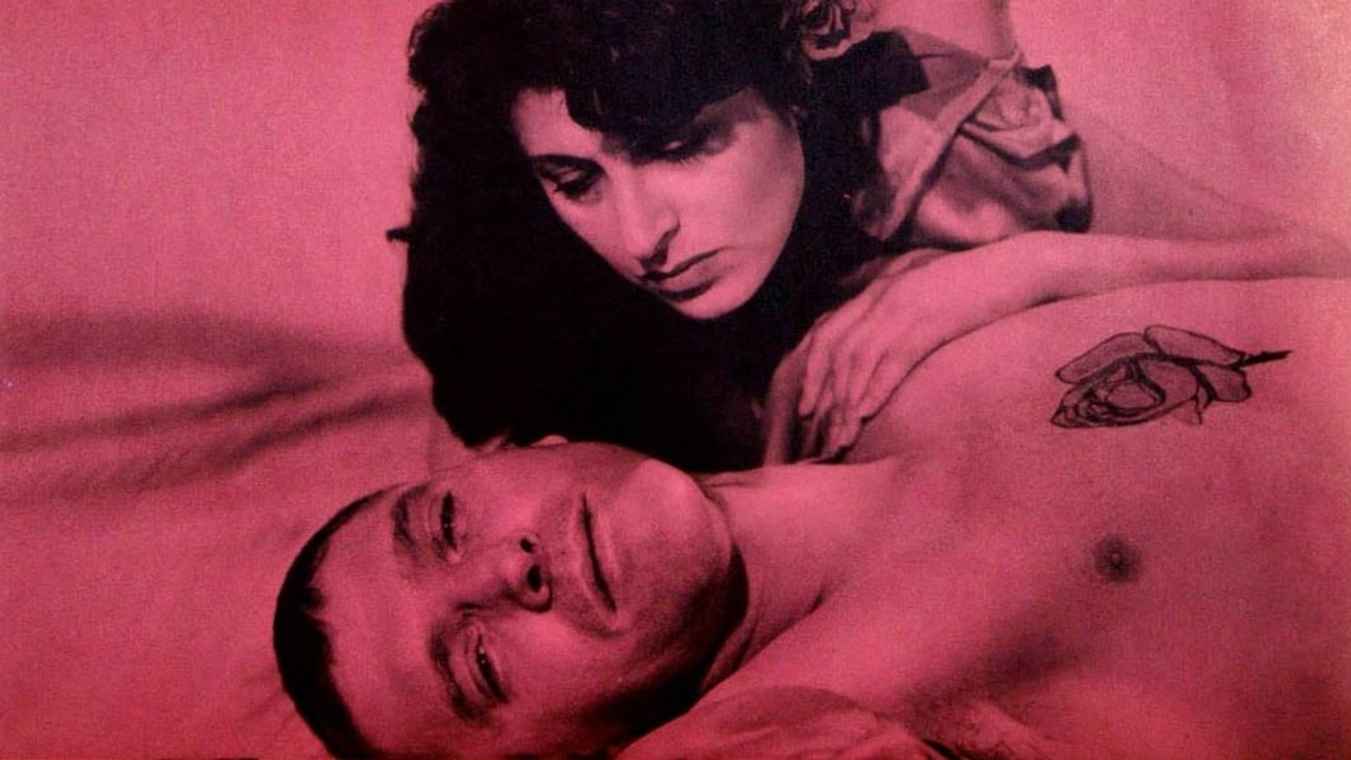

Movie |
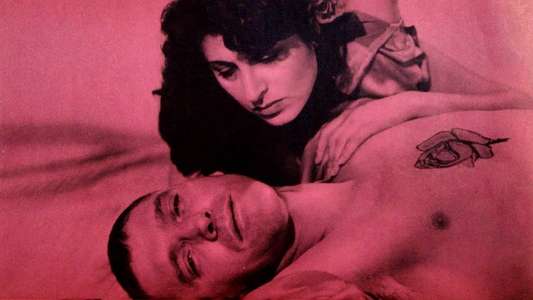
Widow | Tattoo
Disclaimer: All content and media belong to original content streaming platforms/owners like Netflix, Disney+ Hotstar, Amazon Prime Videos, JioCinema, SonyLIV etc. 91mobiles entertainment does not claim any rights to the content and only aggregate the content along with the service providers links.


Best Art DirectionSet Decoration BlackandWhite | 1956
Best Cinematography BlackandWhite | 1956
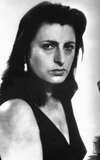
Best Actress in a Leading Role | 1956 | Anna
Best Foreign Actress | 1957 | Anna
Best Actress | 1955 | Anna
1956 | Anna
Best Picture | 1956 | Hal B.
Best Music Scoring of a Dramatic or Comedy Picture | 1956 | Alex
Best Film Editing | 1956
Best Actress in a Supporting Role | 1956
Best Costume Design BlackandWhite | 1956
Best Foreign Actress | 1957
Outstanding Directorial Achievement in Motion Pictures | 1956 | Daniel
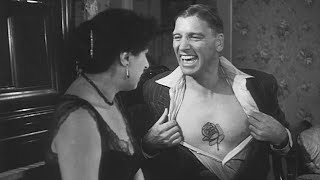
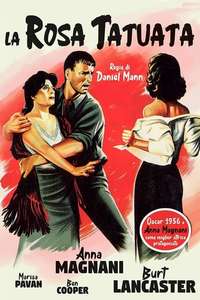
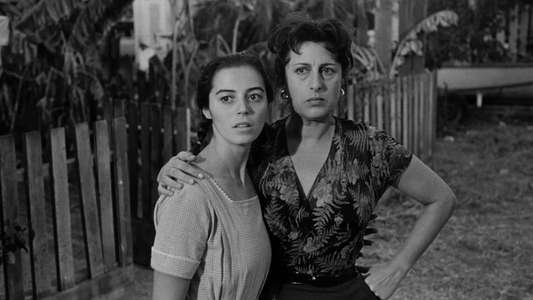
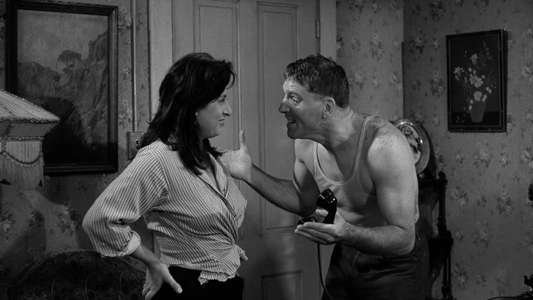
Though the script places the location in a small Mississippi Gulf town, exteriors were shot in Key West. While scouting for locations, a perfect fit was found for the exterior of the house owned by Serafina Delle Rose on Duncan Street. A fence indicating a goat paddock was needed next door and the crew was worried the owner may object to the filming nearby and the addition of a ramshackle fence on his property. They needn't have worried - the house and property next door at 1431 Ducan was the home that Tennessee Williams shared with his lover Frank Merlo himself who happily agreed to its use, even inviting Magnani (close friends of Merlo and Williams) and Lancaster to use it as their dressing rooms. In later years, Williams had an enormous mosaic of a rose tattoo embedded in the floor of the pool behind the house, which is still there.
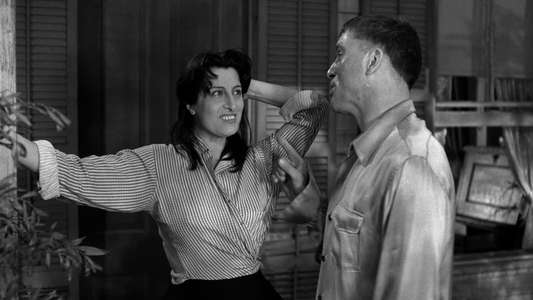
In The Mardi Gras Club scenes, there are a few familiar faces amongst the extras. As Serafina storms by the men on bar stools, Tennessee Williams himself can be seen sitting at the bar in a striped shirt. The man beside him is producer Hal B. Wallis. The shorter man in the white shirt standing directly behind Estelle Hohengarten Virginia Grey helping to restrain her is Frank Merlo - William's long-time companion and lover.
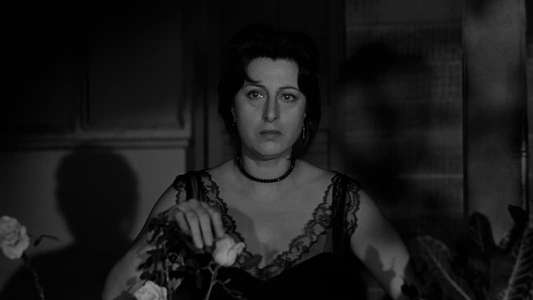
This was Magnani's first English-speaking role in a Hollywood film. She was very nervous about her English and her heavy accent during filming, and in fact had turned down the role in the stage version earlier for the same reason. Magnani's performance was widely applauded and she walked home with the Oscar for Best Actress as a result.
Although Tennessee Williams wrote the role of Serafina in his 1951 Broadway play for Anna Magnani, her English skills were too limited and Maureen Stapleton played the role instead to great acclaim. Stapleton also would originate the role of Lady Torrance in Williams' "Orpheus Descending", a role Magnani would play on film in "The Fugitive Kind" (1959).
The original Broadway production of "The Rose Tattoo" by Tennessee Williams opened at the Martin Beck Theater in New York on February 3, 1951, ran for 308 performances and won the 1951 Tony Award for the Best Play.
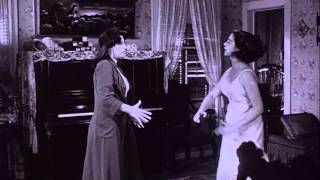
"Schoolteacher: Mrs. Delle Rose. I don't understand how a woman that acts like you could have such a sweet and refined young girl for a daughter."
"Serafina Delle Rose: I hate to start to remember, you know? And then not remember, you know?"