
Movie |
Electro Shock | Schizophrenia
Disclaimer: All content and media belong to original content streaming platforms/owners like Netflix, Disney+ Hotstar, Amazon Prime Videos, JioCinema, SonyLIV etc. 91mobiles entertainment does not claim any rights to the content and only aggregate the content along with the service providers links.

Best Sound Recording | 1949
Best Actress | 1948 | Olivia de
Best Foreign Actress Migliore Attrice Straniera | 1950 | Olivia de
The Robert Meltzer Award Screenplay Dealing Most Ably with Problems of the American Scene | 1949
Best Written American Drama | 1949
Best American Film Bedste amerikanske film | 1950
Best Picture | 1949
Best Actress in a Leading Role | 1949 | Olivia de
Best Director | 1949
Best Writing Screenplay | 1949
Best Music Scoring of a Dramatic or Comedy Picture | 1949
1949
Best Classic DVD | 2005
Outstanding Directorial Achievement in Motion Pictures | 1949
Best Film | 1948
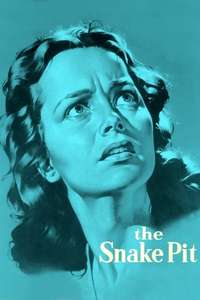
The Snake Pit compelled 13 states to change their laws concerning mental health issues following the film's release.
Mary Jane Ward's book, the basis for this film, was an autobiographical account of the author's experiences in psychiatric hospitals. The book caused considerable controversy upon its publication in 1946, as it was a scathing indictment of the treatment of psychiatric patients, a subject considered taboo in the 1940s. Naturally, the book was a runaway bestseller.
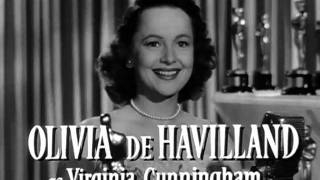
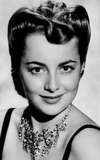
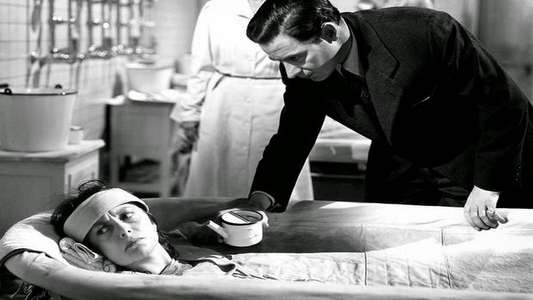
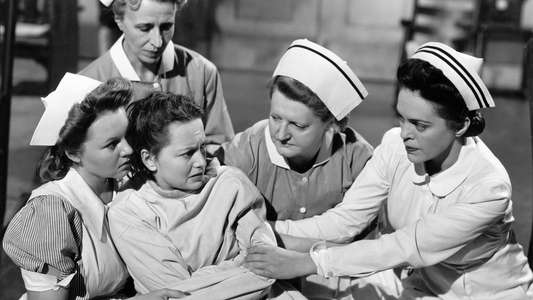
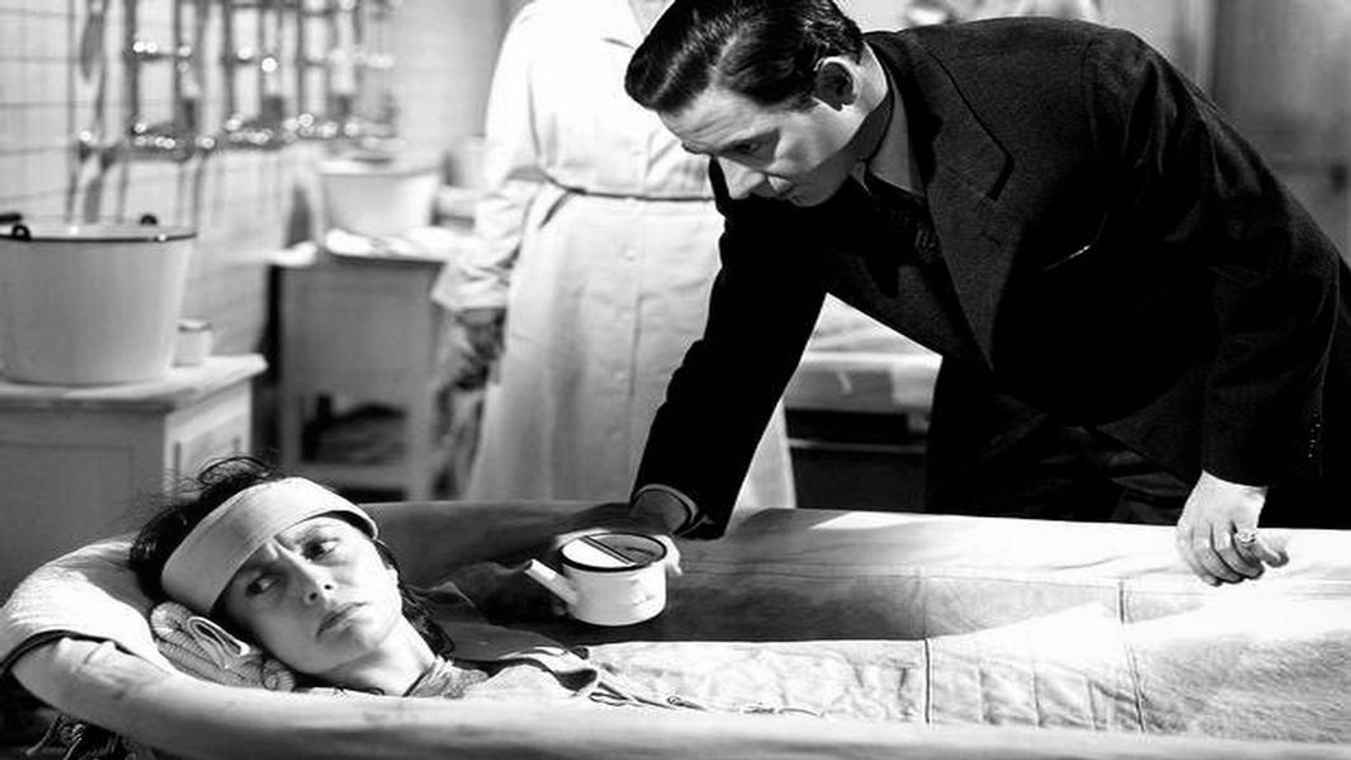
Director Anatole Litvak insisted that the cast and crew spend three months visiting mental institutions and attending psychiatric lectures to prepare themselves for the film. Olivia de Havilland willingly threw herself into the research. She attended patient treatments at the institutions, and observed electric shock therapy and hydrotherapy first-hand. When permitted, she sat in on doctor-patient therapy sessions. She also attended social events for patients at the institutions. After seeing the film, a "Daily Variety" columnist questioned whether any mental institution would really allow violent inmates to dance with each other at a social event. De Havilland personally called the columnist to confirm that she had attended several such dances at institutions.
The character of the gentle psychiatrist was based on the real-life career of Dr. Gerard Chrzanowski, who told his patients to call him simply "Dr. Kik." Dr. Chrzanowski died in November, 2000 at age 87.
The New York Film Critics awarded Olivia de Havilland Best Actress for the film. It was the first time since the awards' inception in 1935 that a performer won unanimously. And, as of 2014, the only time.
"Celia Sommerville: And we're so crowded already. I just don't know where it's all gonna end! Virginia Stuart Cunningham: I'll tell you where it's gonna end, Miss Somerville... When there are more sick ones than well ones, the sick ones will lock the well ones up."
"Mrs. Greer: Good afternoon, my dear. I don't think I've had the pleasure of seeing you here before. Virginia Stuart Cunningham: I'm Virginia Cunningham. I came from Five. Mrs. Greer: Nobody comes to One from Five. Even I had to spend a few days in Two before coming here. And I, my dear, have money. Virginia Stuart Cunningham: That must be convenient. Mrs. Greer: My husband, Mr. Greer, is very wealthy. I have more jewels than I can possibly wear. You, of course, are a charity patient? Virginia Stuart Cunningham: Oh, no. It so happens that my husband, Mr. Cunningham, is very wealthy. My diamonds simply weigh me down. Mrs. Greer: I have the Hope Diamond! Virginia Stuart Cunningham: I have the Hopeless Emerald! It carries the Cunningham curse. You've probably read about it. Mrs. Greer: Mr. Greer... Virginia Stuart Cunningham: Your husband? Mrs. Greer: Mr. Greer, my husband, considered buying it, but it has a flaw. You see, you can't put an imperfect stone on the most beautiful hands in the world."