
Movie |
Shrew
Disclaimer: All content and media belong to original content streaming platforms/owners like Netflix, Disney+ Hotstar, Amazon Prime Videos, JioCinema, SonyLIV etc. 91mobiles entertainment does not claim any rights to the content and only aggregate the content along with the service providers links.
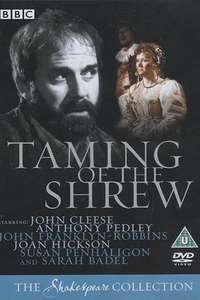
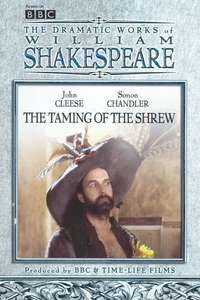
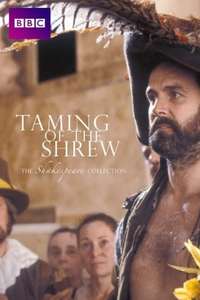
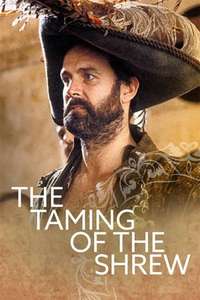
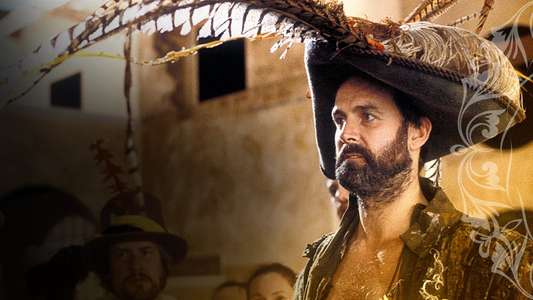
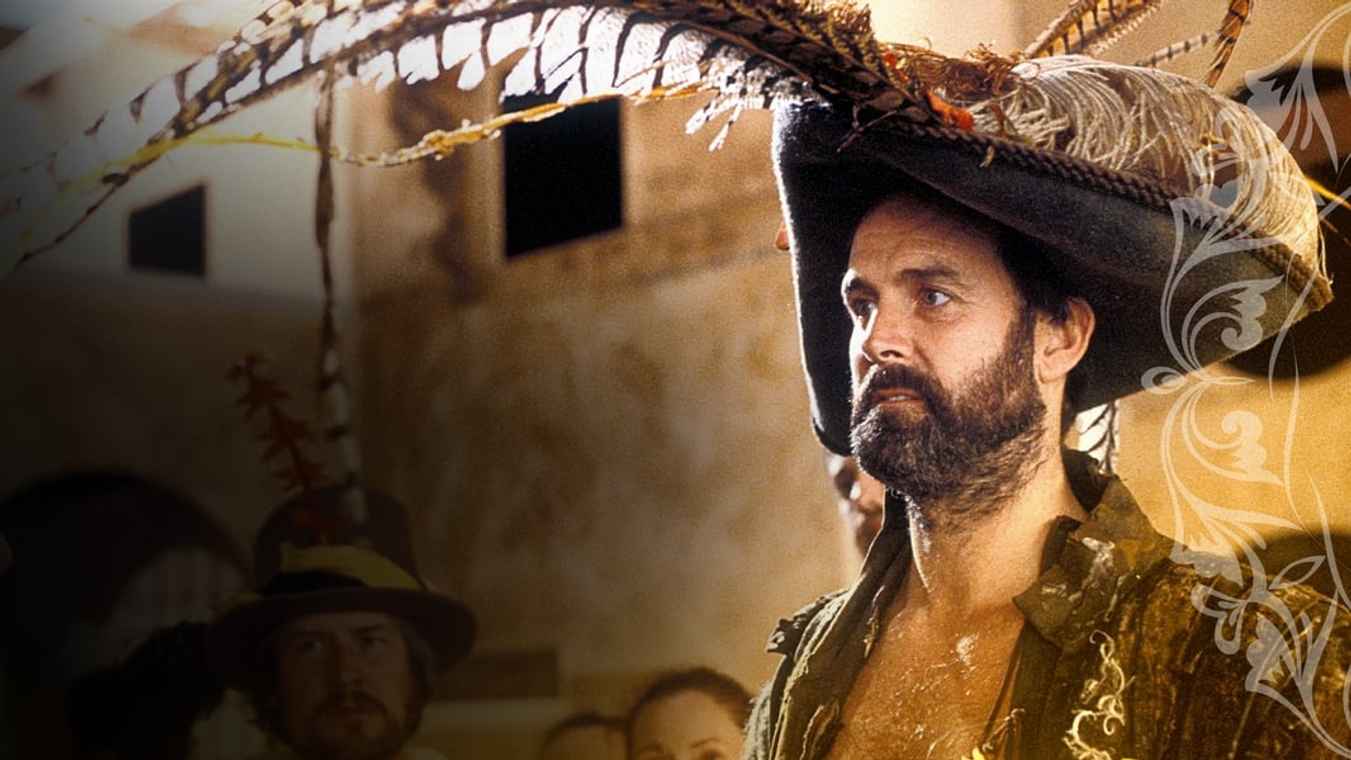
John Cleese had never performed Shakespeare prior to this film. Coupled with this, he had seen several of the BBC Television Shakespeare productions and been unimpressed with them. As such, it took a great deal of persuasion from director/producer Jonathan Miller to convince Cleese to appear.
Jonathan Miller told John Cleese that the episode would interpret Petruchio as an early Puritan more concerned with attempting to show Kate how preposterous her behaviour is ("showing her an image of herself" as Miller put it), rather than bullying her into submission, and as such, the part was not to be acted along the traditional lines of the swaggering braggart a la Richard Burton in Franco Zeffirelli's The Taming of The Shrew (1967).
Jonathon Miller was determined that the adaptation not become a farce, and in that vein, two keys texts for him during production were Lawrence Stone's The Family, Sex and Marriage in England: 1500-1800 and Michael Walzer's The Revolution of the Saints, which he used to help ground his interpretation of the play in recognisably Renaissance-esque societal terms; Petruchio's actions are based on accepted economic, social and religious views of the time, as are Baptista's.
The street set was based on the work of architect Sebastiano Serlio, as well as the Teatro Olimpico, designed by Andrea Palladio.
The production was at least partially based on Jonathan Miller's own 1972 Chichester Festival stage production starring Joan Plowright and Anthony Hopkins.