
Movie |
Long Take | Hotel
Disclaimer: All content and media belong to original content streaming platforms/owners like Netflix, Disney+ Hotstar, Amazon Prime Videos, JioCinema, SonyLIV etc. 91mobiles entertainment does not claim any rights to the content and only aggregate the content along with the service providers links.





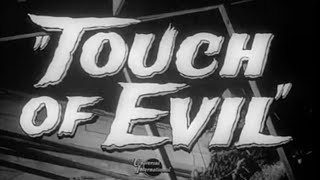
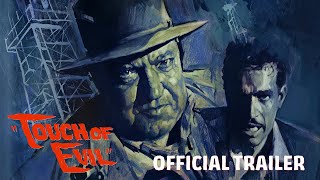

1999 | Walter
Motion Picture | 2008
1999 | Philip H.
1998 | Rick
Best Film | 1958 | Orson
Best Director | 1958 | Orson
Budget 829,000 USD
Box Office Collection 2,247,500 USD
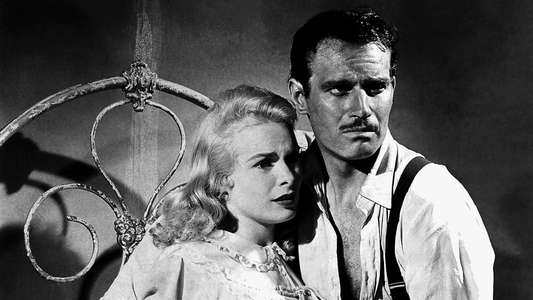
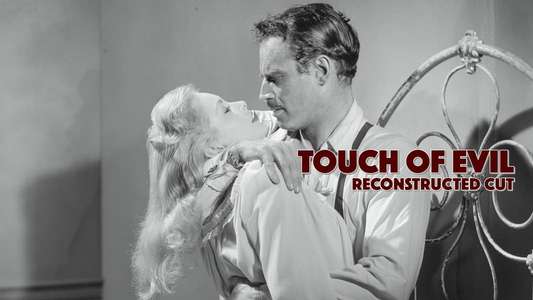
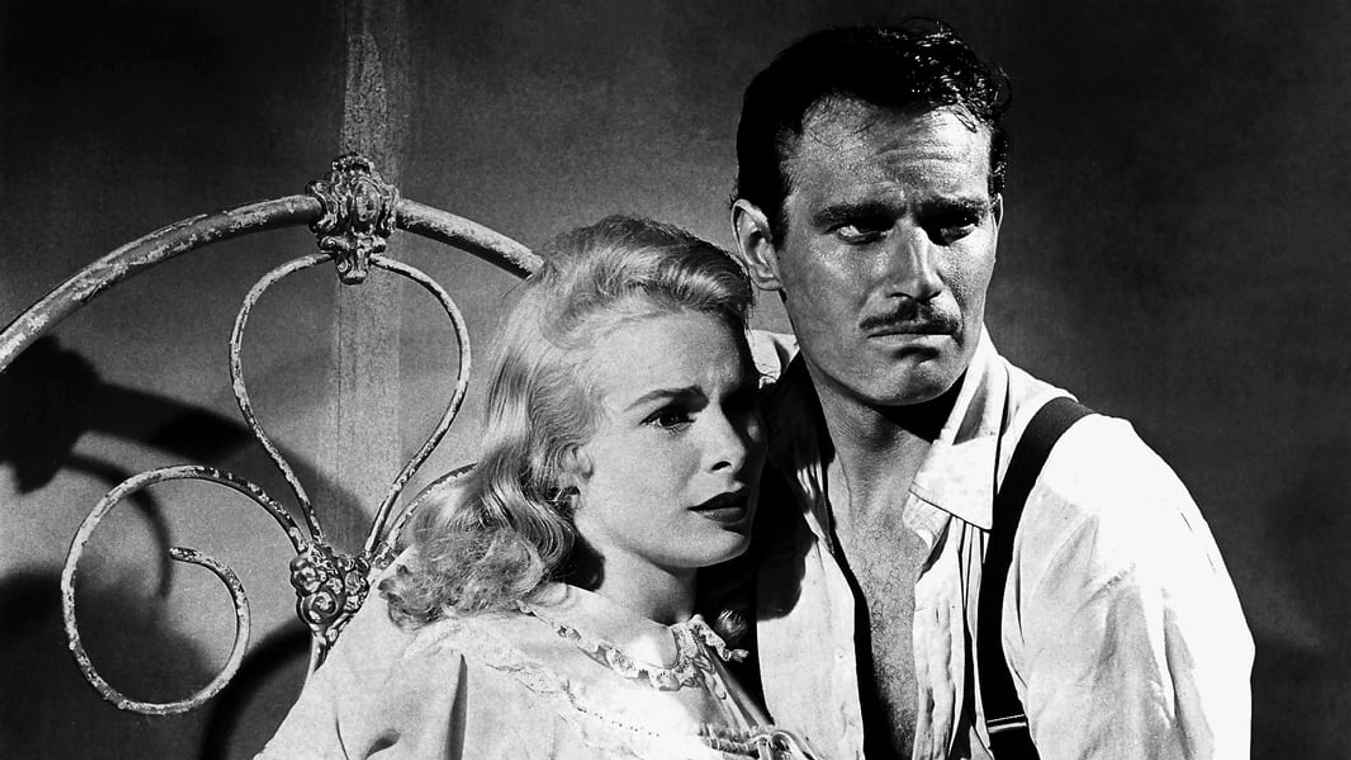
Janet Leigh's agent initially rejected her participation in this film due to the low salary offered without even consulting the actress. Orson Welles, anticipating this, sent a personal letter to the actress, telling her how much he looked forward to their working together. Leigh, furious, confronted her agent telling him that getting directed by Welles was more important than any paycheck.
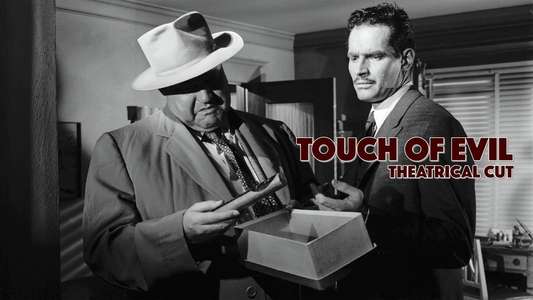
The opening scene took an entire night to get right, mainly because the actor playing the customs officer kept blowing his lines. It was beginning to get light on the horizon when Orson Welles made the final take of the night, saying to the cast, "All right, let's try it one more time." Then he looked at the actor and said, "If you forget your line this time, just move your lips and we'll dub it in later, but please, God do NOT say, 'I'm sorry, Mr. Welles!'" This is the take seen in the film.
Oscar winner Mercedes McCambridge only appears in the film because she was having lunch with Orson Welles during filming and Welles convinced her to film a scene. He had her wear a leather jacket, cut her hair himself and had her character say the sinister line, "I wanna watch."
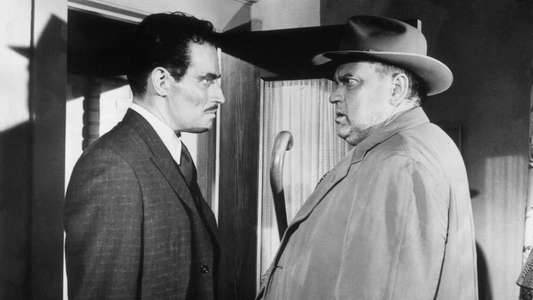
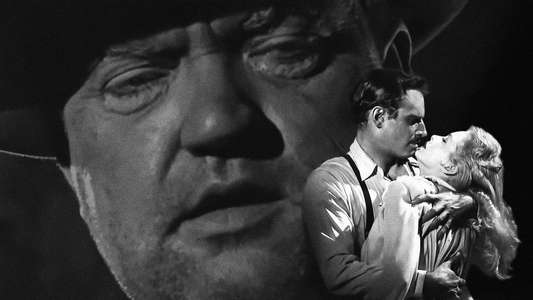
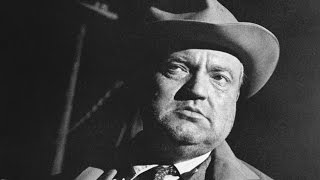
Despite popular speculation, Orson Welles is wearing make-up throughout the film. For hours every night, they'd add pounds and pounds onto him, and use prosthetics for his face. He once said that he was late going to a dinner party at his house during the filming, and arrived with his make-up still on. A famous actress approached him when he entered and in all seriousness said: "Orson! You look wonderful!"
Orson Welles said that this was the most fun he'd ever had filming a picture, unlike most of his Hollywood films, because he wasn't troubled by studio interference (until after he completed the picture, anyway). He was given a healthy budget, and he was working with some of his favorite actors on a script that didn't involve as much symbolism and all-out cinematic trickery as something like Citizen Kane (1941).
"Quinlan: Come on, read my future for me. Tanya: You haven't got any. Quinlan: Hmm? What do you mean? Tanya: Your future's all used up."
"Ramon Miguel 'Mike' Vargas: A policeman's job is only easy in a police state."