
Movie |
Nazi | World War Ii
Disclaimer: All content and media belong to original content streaming platforms/owners like Netflix, Disney+ Hotstar, Amazon Prime Videos, JioCinema, SonyLIV etc. 91mobiles entertainment does not claim any rights to the content and only aggregate the content along with the service providers links.

When the man running the pub in the village where the film was being shot discovered that he had used up his alcohol ration on the film crew, he was so distraught he committed suicide.
This is the same church that was used in "The Vicar Of Dibley."
The basic premise of this film inspired the 1975 Jack Higgins novel (later a film) 'The Eagle Has landed'.
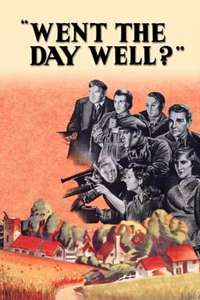
The poem from which the title is taken and which appears at the start of the film, is actually the second of four epitaphs written in 1918 by Greek scholar John Maxwell Edmonds. These were written for graves and memorials for those who died in battle. The full epitaph included a heading, "On Some who died early in the Day of Battle Went the day well? We died and never knew. But, well or ill, Freedom, we died for you." Another of Edmonds' epitaphs is "When you go home, tell them of us and say, For your tomorrows these gave their today".
Basil Sydney refused to re-record some dialogue, saying that he was a member of a religious sect whose members were forbidden to look upon their own image.
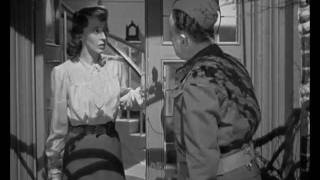
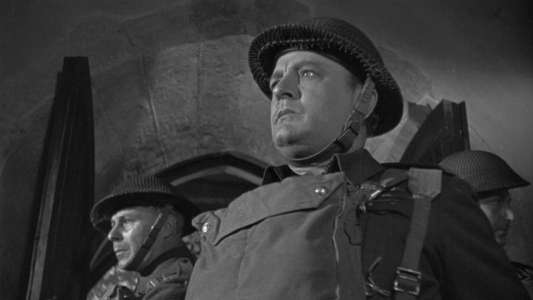
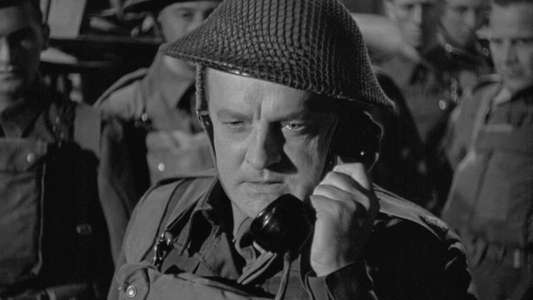
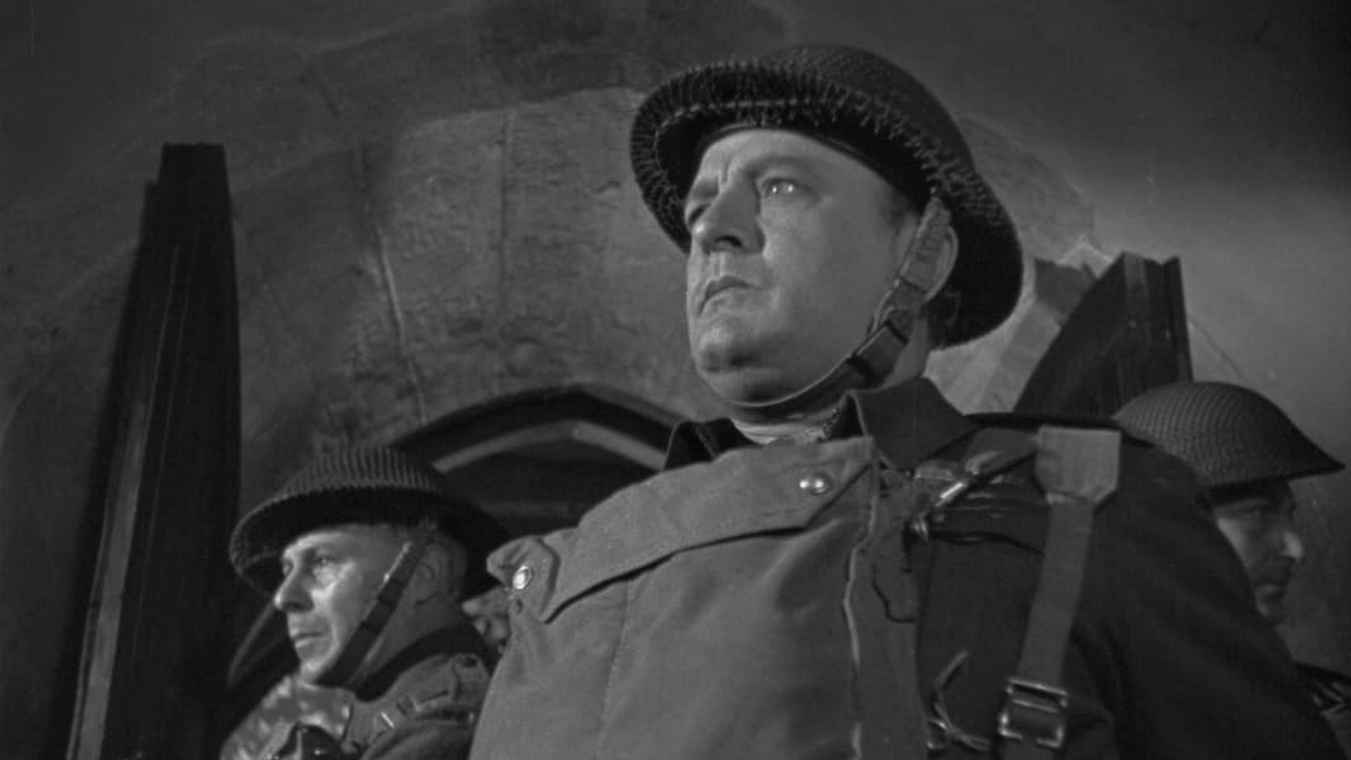
"Kommandant Orlter, alias Major Hammond: [addressing the church's congregation] Obey my order and you will not be harmed. Any person who attempts to escape or communicate with the outside world will be shot! [shouting even louder] Kommandant Orlter, alias Major Hammond: Is that clear? The Vicar: You ask me to bow down to the forces of evil here in this House of God? Kommandant Orlter, alias Major Hammond: I ask nothing! I give you my orders! The Vicar: I am a minister of the Christian faith. I will take no orders from those who are the enemies and oppressors of mankind!"
"Axed German Soldier: Babies on bayonets? What would be the advantage?"