The dedicated handheld gaming category in India is largely uncharted territory, but ARC is looking to change that with the upcoming X1 console. Set to launch in Early Access on October 2 for Rs 29,500 for the waitlist community—with a regular price of Rs 33,500—the ARC X1 aims to shift the focus from chasing peak benchmark numbers to delivering a deeply integrated, sustained gaming experience.
In a recent sit-down, ARC Co-Founder Kaustubh K. Jadhav outlined the ambitious philosophy driving the X1. Rather than simply slapping controllers onto an existing Android device, the company reverse-engineered its approach around the ideal gaming experience it wanted to deliver.
Prioritising sustained power over peak specs
At the heart of the ARC X1 is the Snapdragon G2 Gen 2, a chipset chosen specifically for its balance of sustained performance, thermals, and power efficiency. According to Qualcomm, this silicon delivers a 2.3x CPU and 3.8x GPU uplift over the previous generation, alongside Wi-Fi 6E support.
“We weren’t looking for the fastest Snapdragon on a spec sheet. We were looking for the right silicon for a dedicated handheld,” Jadhav explains. “For us, the important word is sustained. A handheld needs to perform consistently for a long session without becoming uncomfortably hot or destroying battery life”.
This focus on consistency extends to the device’s massive 9,300mAh battery. While many PC handhelds require players to manually tweak TDP (Thermal Design Power) and wattages, the ARC X1 manages this complexity at the system level. The performance target remains identical whether the device is plugged in or running on battery, ensuring peak performance can be maintained over long sessions rather than briefly reached and aggressively throttled.
 OWL OS and the developer advantage
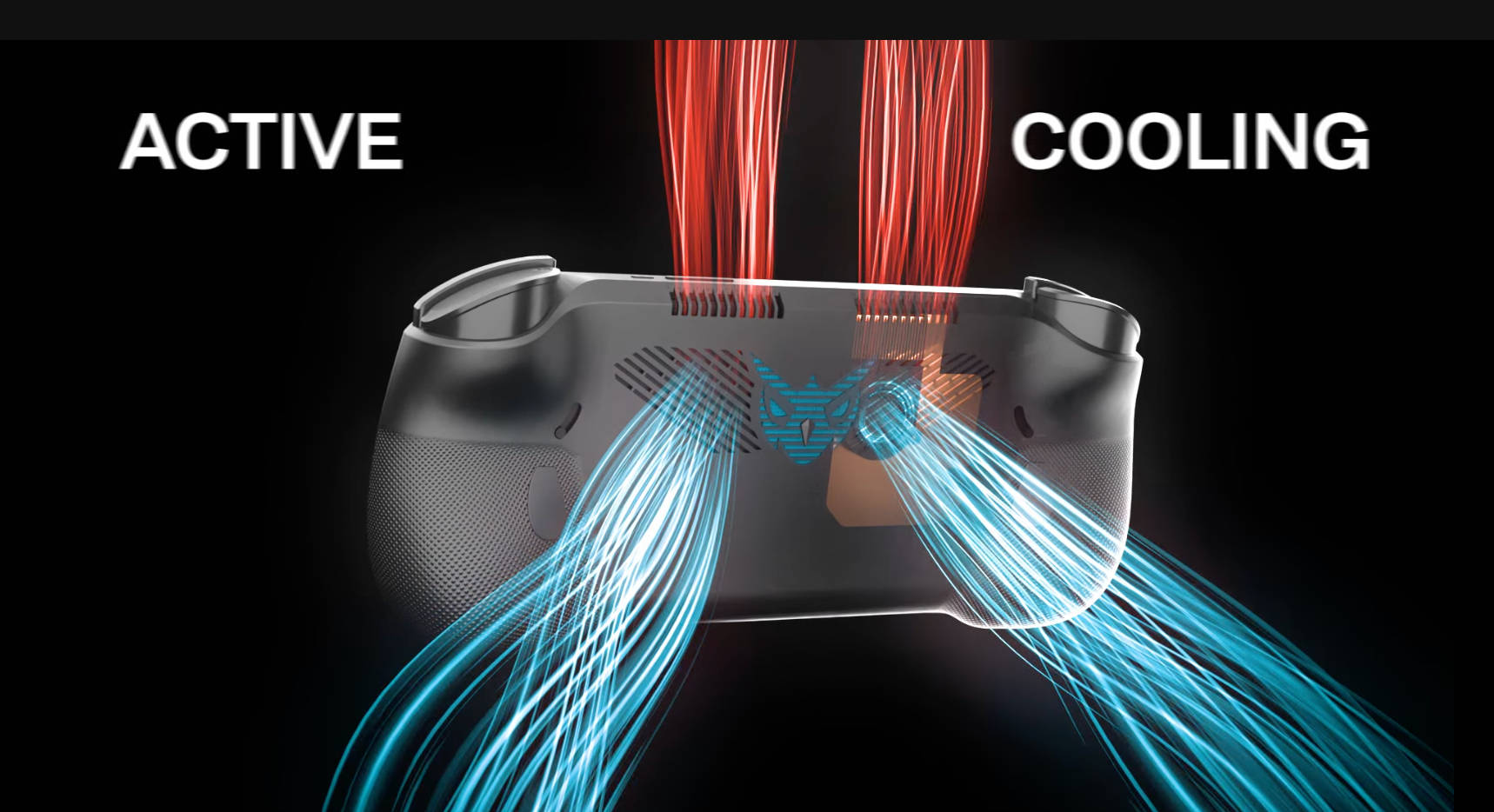
While the X1’s operating system, OWL OS, is built on the Android Open Source Project (AOSP), Jadhav is quick to distinguish the console from a standard mobile device. ARC controls the entire hardware ecosystem—from thermals and haptics to the display and firmware—allowing OWL OS to be heavily customised for controller-first navigation, game profiles, and system-level performance management.
This fixed hardware target is a massive boon for developers. “A game shipping on Android today has to account for a huge range of phones with very different thermals, cooling systems and sustained-performance limits,” says Jadhav.
The console also flexes its muscles through emulation, capable of running heavy PC-class titles locally, such as GTA V, Batman: Arkham Knight, Dark Souls III, and Need for Speed Payback. For everything else, including major AAA titles currently unavailable natively on Android (like Resident Evil 4 or Death Stranding), the X1 supports browser-based cloud gaming services like GeForce NOW. “If you already pay for a supported cloud gaming service, we don’t want you buying those games again through ARC,” Jadhav notes.
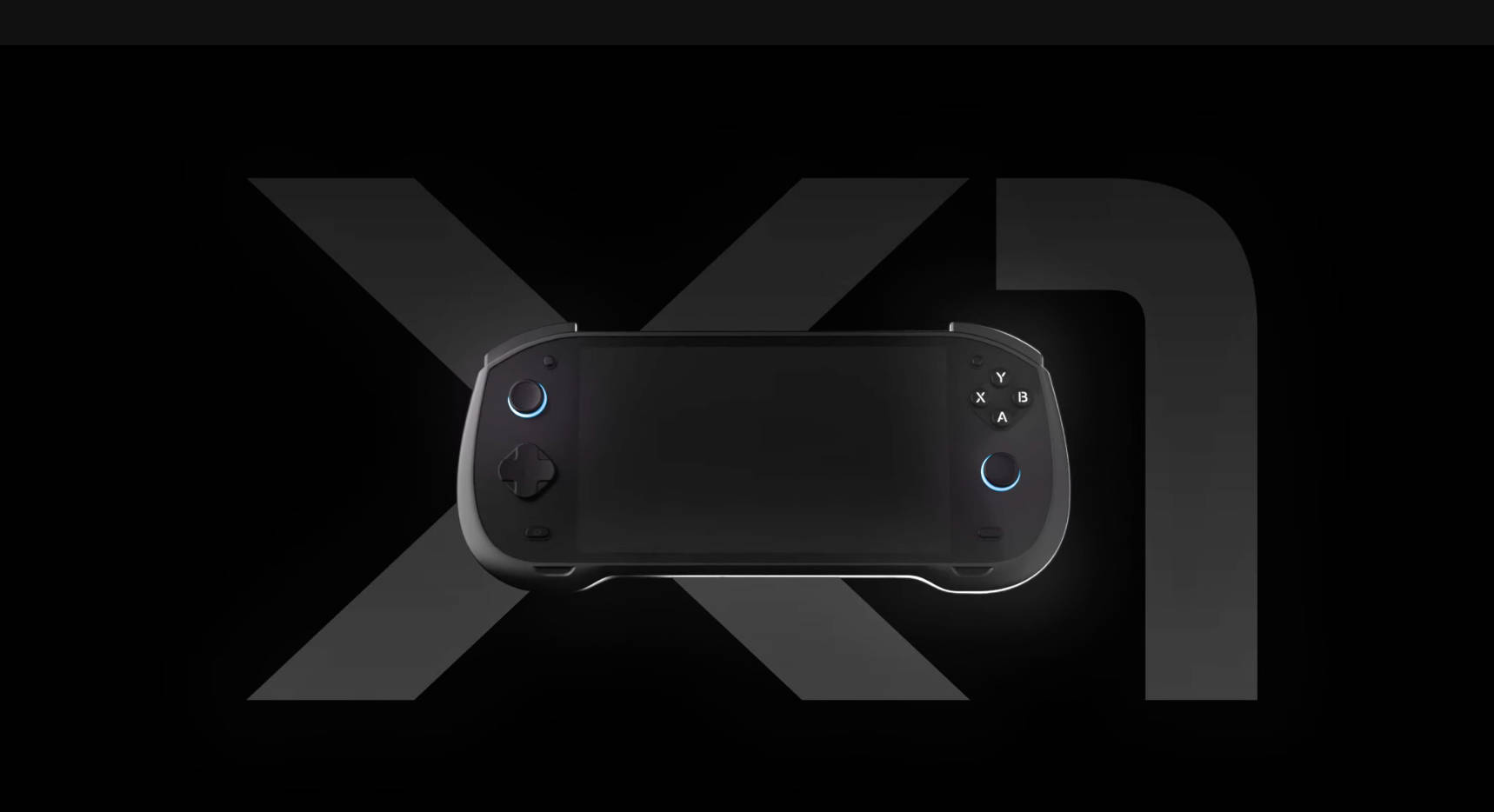
Built for the long haul
Drawing inspiration from the fixed hardware of the Nintendo Switch, the broad ecosystem of the Steam Deck, and the remote capabilities of the PS Portal, ARC has engineered the X1 with hardware longevity in mind.
ARC built repairability into the console’s architecture from day one. By removing four screws on the back chassis, users can easily access the battery. Furthermore, users can replace the joystick caps without unscrewing anything, and the internal high-wear controls sit on modular daughterboards rather than being integrated into the main PCBA. “The philosophy is simple: a worn-out component shouldn’t have to mean a worn-out console,” Jadhav states.
One standout, under-the-radar feature for on-the-go players is One Click Resume. When the device goes to sleep, it retains the active game in memory, letting users skip boot sequences and jump back into the action with a single press of the power button.
For ARC, the X1 is more than just a new gadget hitting the market. As Jadhav puts it: “X1 succeeds if it becomes more than a piece of gaming hardware—if it starts a change in how an entire generation in India discovers, carries and identifies with gaming”.