Globally, esports is a two-headed beast. In arenas from Seoul to Los Angeles, the industry stands on two solid pillars: the accessible ubiquity of mobile gaming and the high-fidelity prestige of PC gaming. For years, the global narrative has been a balance of the two.
But in India, the map looks different. We are an esports superpower, but almost entirely on the small screen. While we have mastered the art of the thumb-swipe, the “click-heads” of the PC world remain a niche community. However, as 2026 unfolds, the winds are shifting. The world is coming to our doorstep, asking a crucial question: Is India finally ready to log in to the big game?
Beyond BGMI: Why the next generation of Indian esports athletes won’t be playing on a phone.
Table of Contents
The reality check at Bharat Mandapam
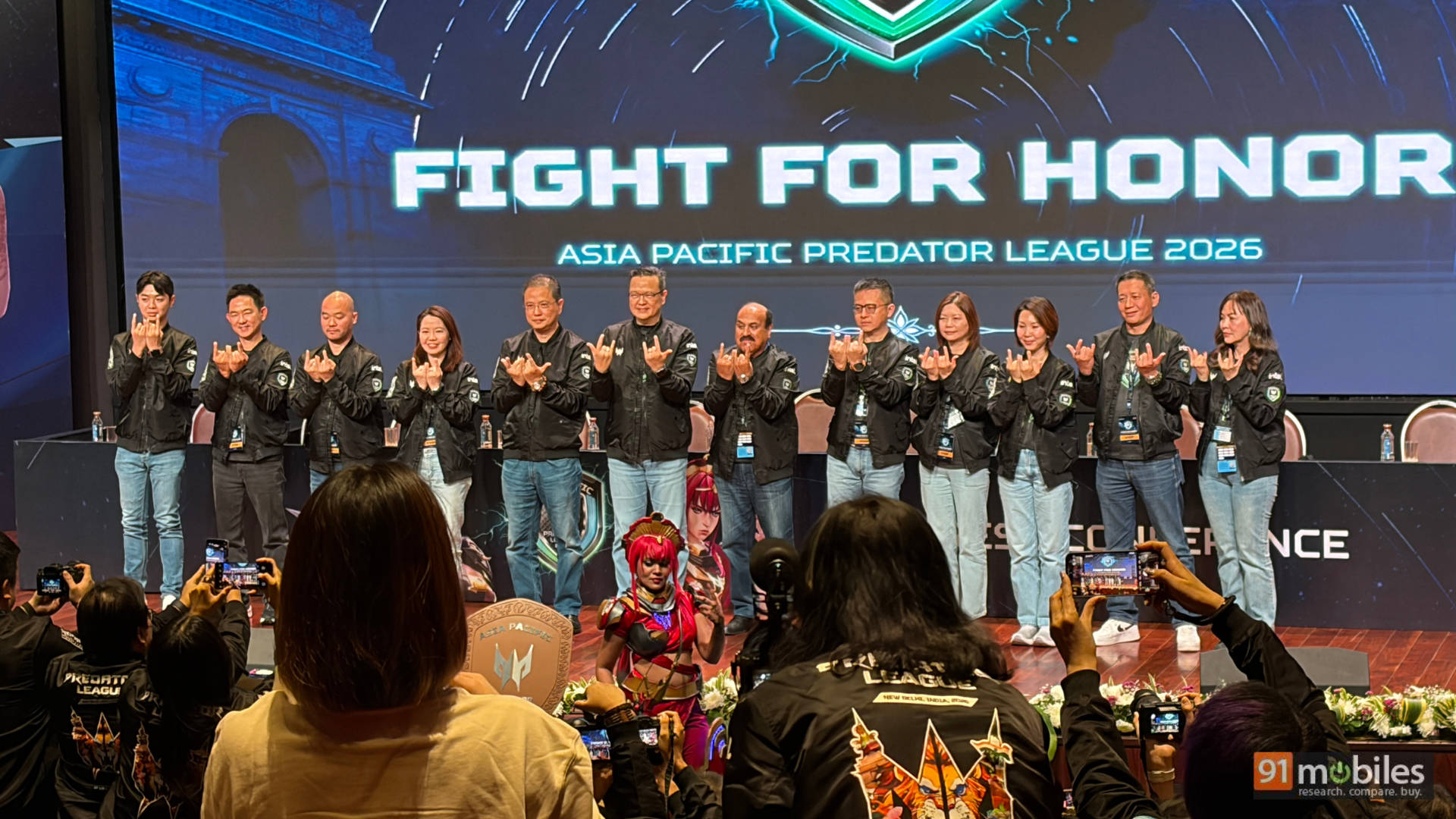
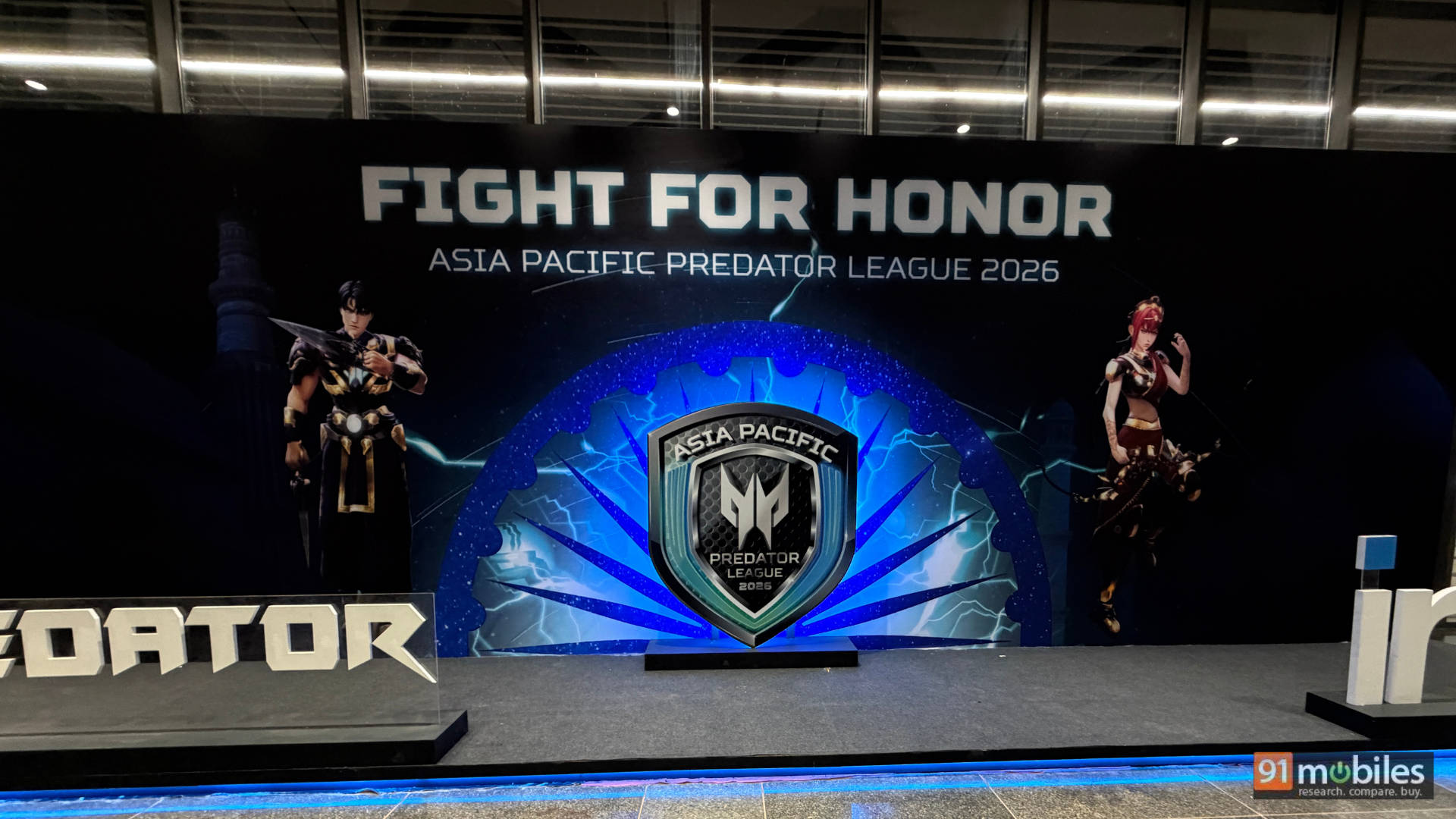
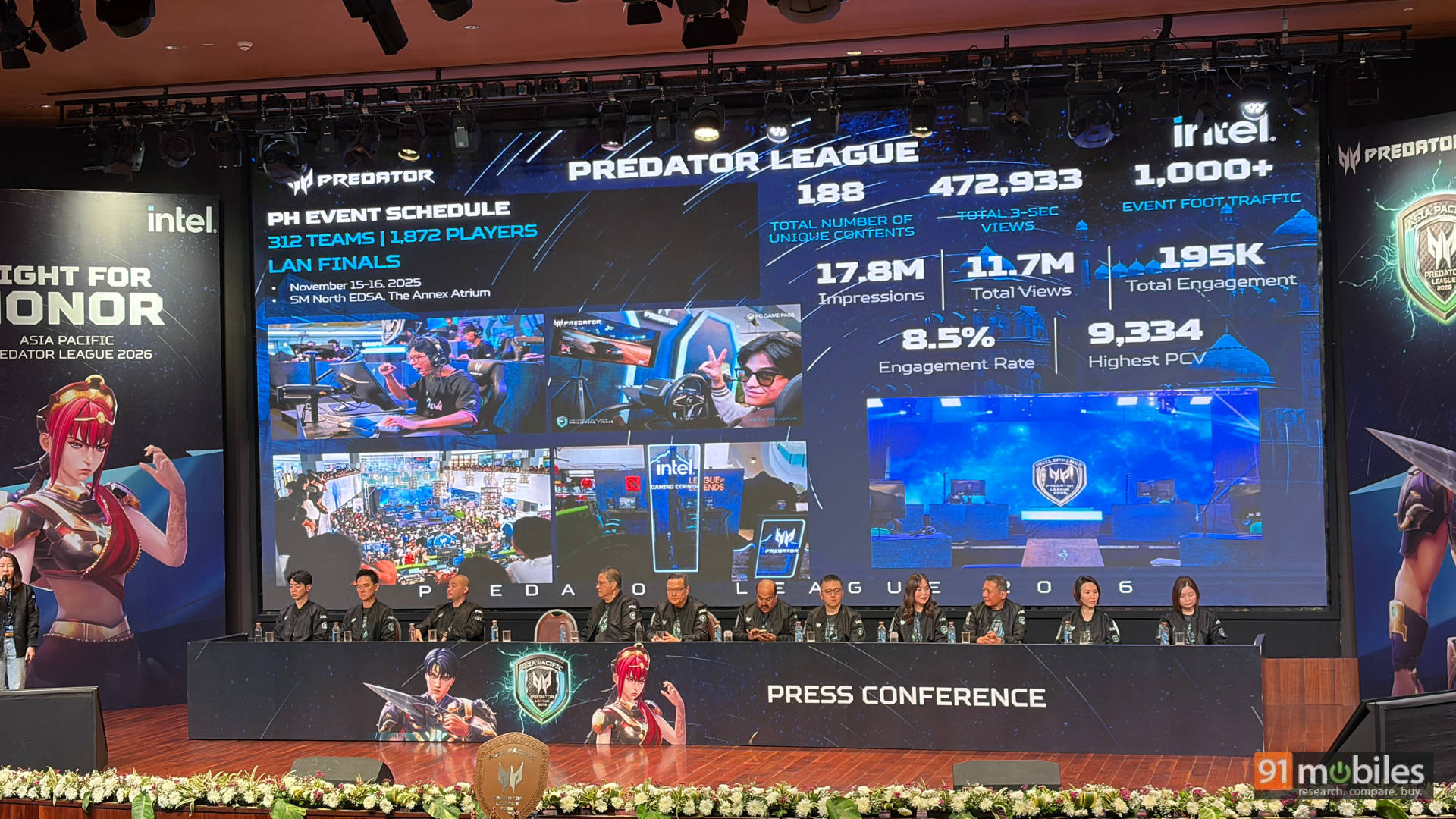
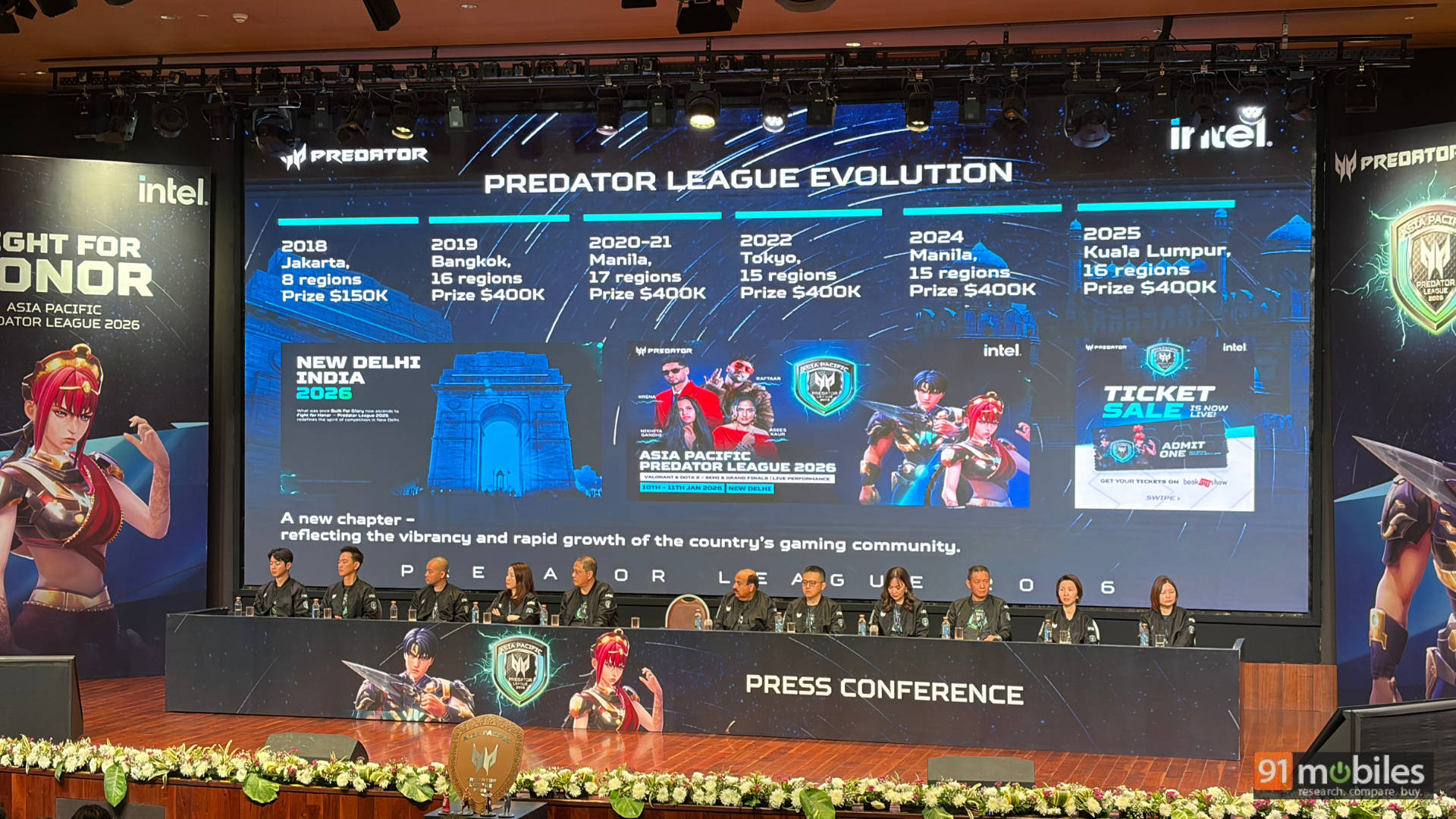
The answer arrived spectacularly this January 2026, when the Acer Predator League hosted its Asia Pacific Grand Finale in New Delhi.
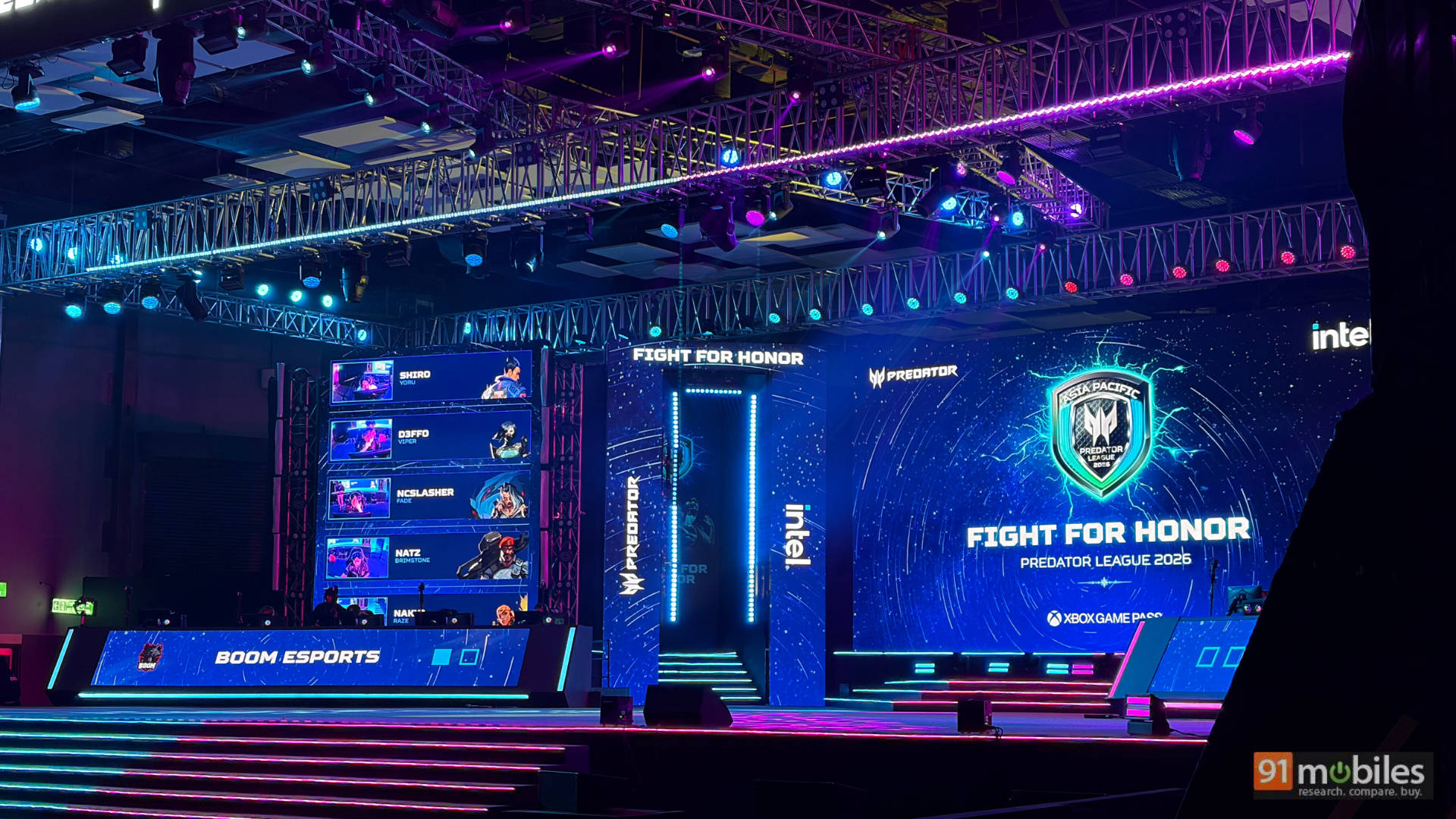
This was historic. For the first time, a PC esports tournament of this magnitude, featuring top-tier teams from Japan, South Korea, and Southeast Asia, played out on Indian soil at the iconic Bharat Mandapam. The setup was world-class, with a total prize pool of $400,000 USD on the line. It was a massive vote of confidence from the global ecosystem in India’s potential.
Yet, inside the server, the story was sobering. Despite the “home ground advantage,” no Indian team reached the Grand Finals. While teams from Southeast Asia battled for the trophy, Indian squads watched from the sidelines. It was a bittersweet moment: we proved we can host the world, but we haven’t yet learned to beat them. Teams Myth Avenue Gaming – a Malaysian esports team, and Fancy United Esports – a Vietnamese esports team, emerge as winners for DOTA 2 & VALORANT, respectively.
The mobile juggernaut: a game of numbers
To understand why, we have to look at the scoreboard. India’s esports economy is a pyramid with a massive base, and that base is mobile.
According to recent industry data from Niko Partners (2024-25), India’s gamer base has surged past 500 million, yet 96.8% of these gamers play on mobile devices. The numbers don’t lie:
- Revenue Dominance: Mobile gaming accounts for nearly 78% of India’s total gaming revenue.
- Viewership Records: Tournaments for BGMI (Battlegrounds Mobile India) consistently shatter records. The BGMI Pro Series (BMPS) has seen peak concurrent viewership touch 400,000+ regularly. In comparison, domestic PC tournaments often celebrate hitting 20,000 concurrent viewers as a major milestone.
For the average Indian teen, the path is clear: A decent gaming phone costs Rs 20,000 and sits in your pocket. A competitive gaming PC rig starts at Rs 1.5 Lakhs. In a price-sensitive market, mobile isn’t just a preference; it’s an economic inevitability.
The “rupee” reality gap
To truly understand the disparity, we don’t just need to look at player counts; we need to follow the money. In the 2024-25 season, the gap between the biggest domestic Mobile tournament and the biggest domestic PC league was staggering.
| Feature | Mobile Esports (The Giant) | PC Esports (The Challenger) |
| Tournament | BMPS 2024 (Battlegrounds Mobile India Pro Series) | Valorant Challengers South Asia 2024 (Split 2) |
| Organizer | Krafton | Nodwin Gaming / Riot Games |
| Total Prize Pool | Rs 2,00,00,000 | ~Rs 57,00,000 ($64,000 USD) |
| Winner’s Share | ~Rs 75 Lakhs | ~Rs 18 Lakhs ($20,000) |
| Accessibility | Mass Market (Tier 1 to Tier 3 Cities) | Niche (Metros & Hubs) |
(Sources: Krafton Esports Roadmap; VLR.gg Tournament Stats)
Currently, a top-tier mobile team fights for a prize pool roughly 4x larger than their PC counterparts. This financial disparity is the primary reason why talented young gamers in India gravitate toward mobile; it is simply a more viable career path today.
The PC pivot: not “dead,” just “gestating”
However, it would be a mistake to write off the Indian PC space. If you look past the raw numbers, you see a vibrant, hungry ecosystem that is bubbling just beneath the surface.
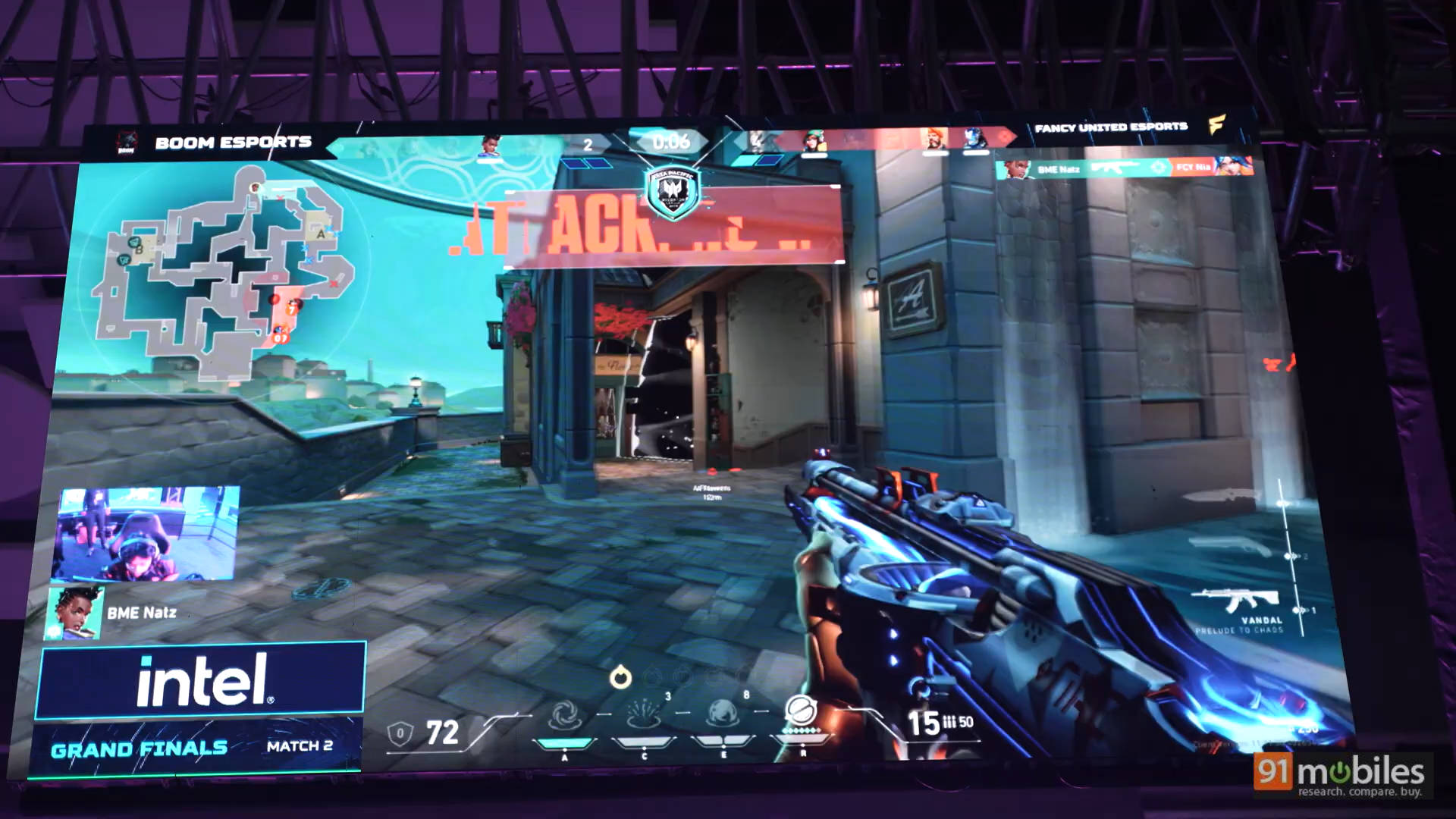
The narrative isn’t that India can’t do PC esports; it’s that we are just getting started. The gap is narrowing, and the “doom and gloom” perspective ignores four massive green shoots:
- The “Valorant” Effect: If Counter-Strike was the old guard, Valorant is the new religion. Riot Games’ shooter has done the impossible: it has made PC gaming “cool” again for Gen Z. Viewership for global events like Valorant Champions has spiked in India, creating a generation of fans who understand the high-strategy nuances of PC gaming.
- Global Prize Pools Coming Home: While domestic pools are smaller, international events hosted in India are changing the game. Looking beyond the Acer Predator League, the Skyesports Masters brought a massive $350,000 (approx. Rs 3 Crores) prize pool to the table, proving that when Indian organisers go global, the money follows.
- Infrastructure Investments: The barrier to entry is high, but bridges are being built. Hardware giants like Acer, Intel, and Nvidia are aggressive with their India strategy. The very existence of the Predator League in Delhi is proof that brands see the ROI in Indian PC gaming.
- Government Recognition: With the Ministry of Youth Affairs and Sports officially recognising esports, the stigma is fading. Parents are slowly, very slowly, starting to see an Rs 1.5 Lakh PC not as a “toy” but as a potential career tool, much like a cricket kit.
The future is hybrid
The absence of an Indian team in the 2026 finals wasn’t a failure; it was part of the process. Every major esports nation, from China to Brazil, had a “gestation period” before it exploded onto the scene.
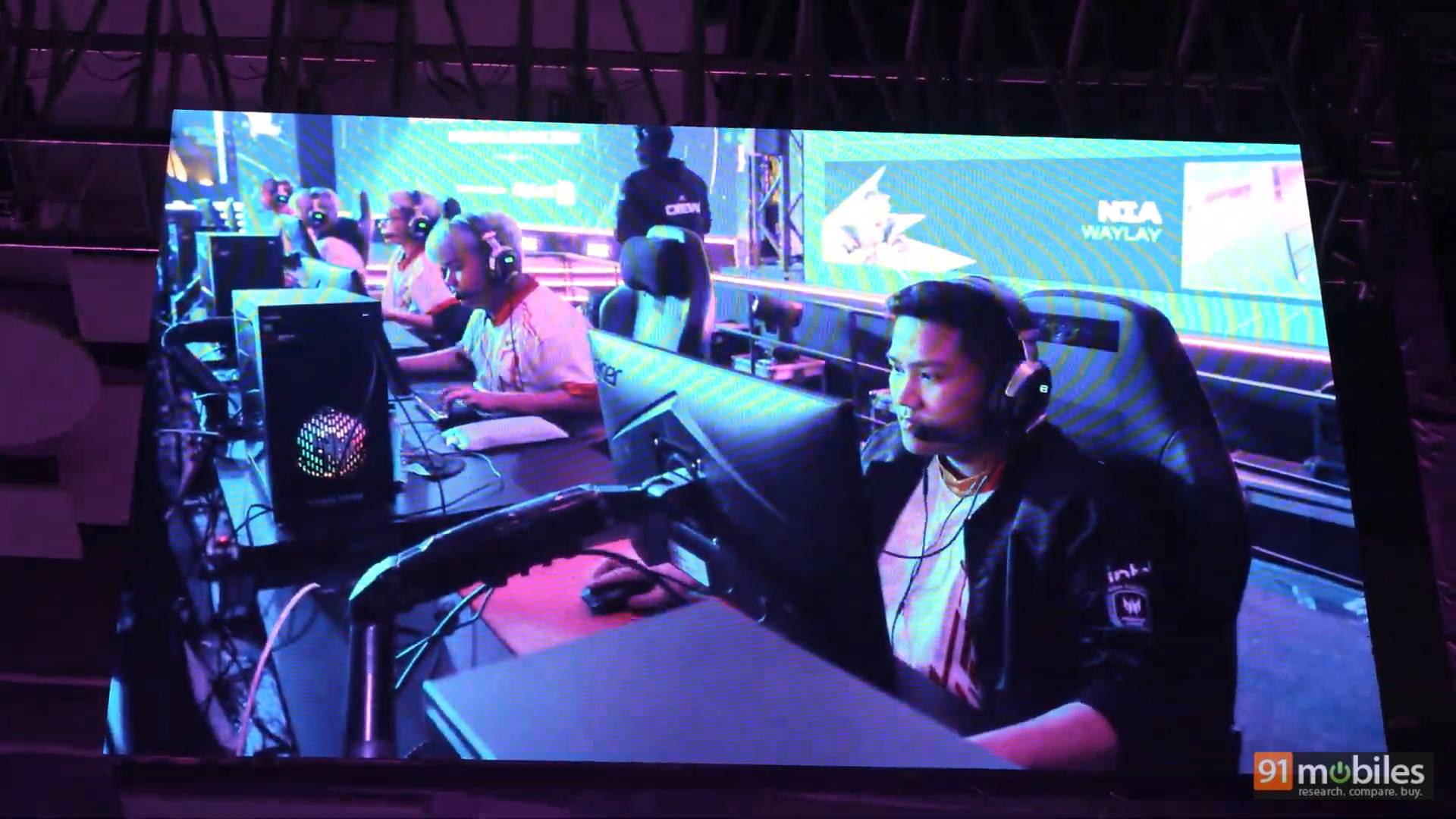
India is currently in that phase. We have conquered the mobile world. Now, the infrastructure is catching up to our ambition. Despite market uncertainties, the PC market is projected to grow in India as disposable incomes rise and families start seeing high-end gaming rigs more as an investment and less as a luxury.
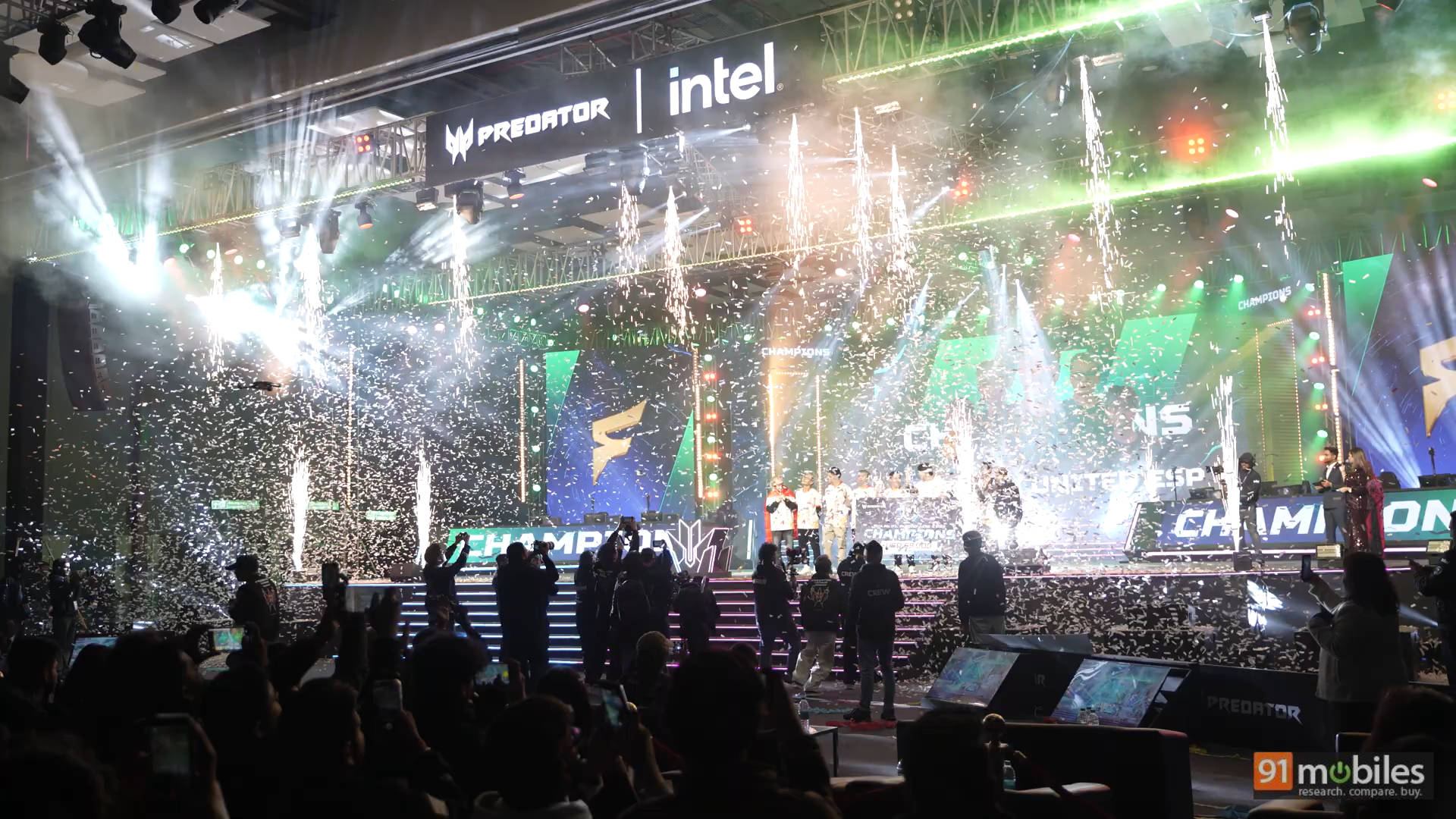
The future of Indian esports isn’t Mobile vs. PC. It is a hybrid powerhouse. We will always be a mobile-first nation, but with tournaments like the Predator League bringing the global standard to our doorstep, a new generation of keyboard-and-mouse warriors is being forged. The stage is set. The servers are live. It’s only a matter of time before India respawns as a global contender.