
After years of operating on the fringes of the smartphone market, ASUS is hitting pause. The company has confirmed that it does not plan to launch any new smartphones in 2026, raising fresh questions about the long-term future of its phone business.
The confirmation comes via a Digitimes report that cites Taiwanese distributors as well as ASUS’ own response. According to the report, distributors in Taiwan have been unable to source ASUS smartphones for some time and were told that the company’s smartphone unit would effectively operate only until December 31st, 2025, with no new products planned after that. ASUS has pushed back on the idea of a shutdown, saying it has “clearly communicated” to telecom partners that its smartphone operations will continue. However, it also explicitly confirmed that there will be no new smartphone launches in 2026.
ASUS insists it is not exiting the market, but a full year without new devices is unusual in an industry that runs on annual refresh cycles. While the company has framed this as a pause, it also fuels speculation that ASUS may be gradually winding down its smartphone ambitions.
The good news is that existing users are not being abandoned. ASUS says software updates, after-sales service, and warranty support for current phones will continue as usual. The company has backed this up with action. Android 16 was rolled out to the ROG Phone 9 and Zenfone 12 Ultra as recently as November. The Zenfone 12 Ultra, launched globally in February 2025, remains ASUS’ last major international release, while the ROG Phone 9 FE was introduced in select markets such as Thailand.
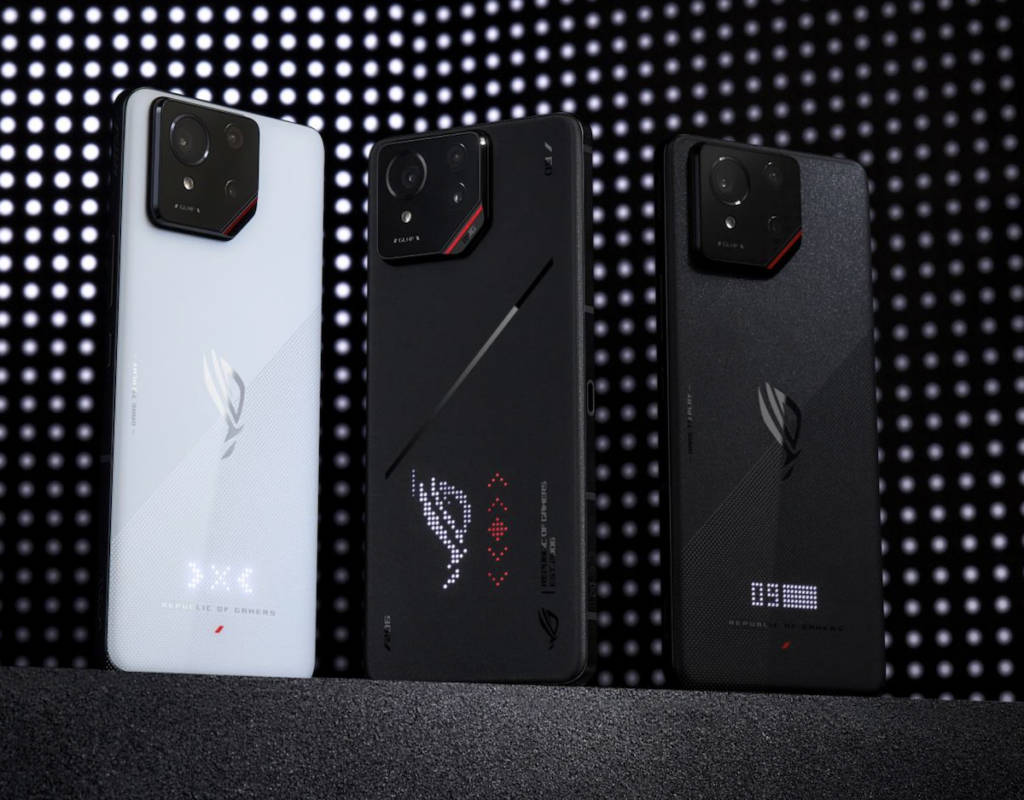
ASUS has never been a volume player in smartphones, but its strength lay in niche appeal. The ROG Phone series, focussed on performance, cooling and sustained frame rates, earned a loyal following among hardcore mobile gamers. But that niche has become harder to defend. Dedicated gaming phones now face competition not just from rivals like RedMagic, but also from increasingly powerful mainstream flagships that handle gaming just fine. OnePlus, iQOO and even Apple have been pushing the bar when it comes to equipping phones with competent hardware for heavy gaming.
The market remains dominated by giants like Samsung and Apple, leaving little room for smaller brands to grow. Rising component costs, including DRAM and NAND, tariffs, and slower global smartphone demand have only added to the pressure. ASUS’ global smartphone market share has long been small, often reported under one percent, making the business difficult to sustain.
For buyers, the impact is limited but still worth noting. If you already own an ASUS phone, continued updates and support should offer reassurance. But if you were waiting for a next-generation ROG Phone or a new Zenfone Ultra powered by the latest flagship chip, it may be time to start looking at alternatives.