ASUS is bringing Qualcomm’s Snapdragon X2 Elite to mini‑PCs for the first time with the new Ascent QN10. It’s a tiny, space‑saving box aimed at prosumers, developers, and small businesses who want a quiet desktop that can handle AI assistants, coding, and everyday work without a bulky tower. Instead of chasing high‑end gaming, this mini‑PC focuses on efficient performance, long, cool‑running sessions, and the ability to run modern AI tools directly on the device.
Table of Contents
What powers the ASUS Ascent QN10?
The ASUS Ascent QN10 runs on Qualcomm’s Snapdragon X2 Elite platform. It offers up to 18 Oryon CPU cores, integrated Adreno X2 graphics, and a dedicated NPU rated at 80 TOPS, so it can handle everyday desktop work, coding, and on‑device AI tools without needing a separate graphics card.
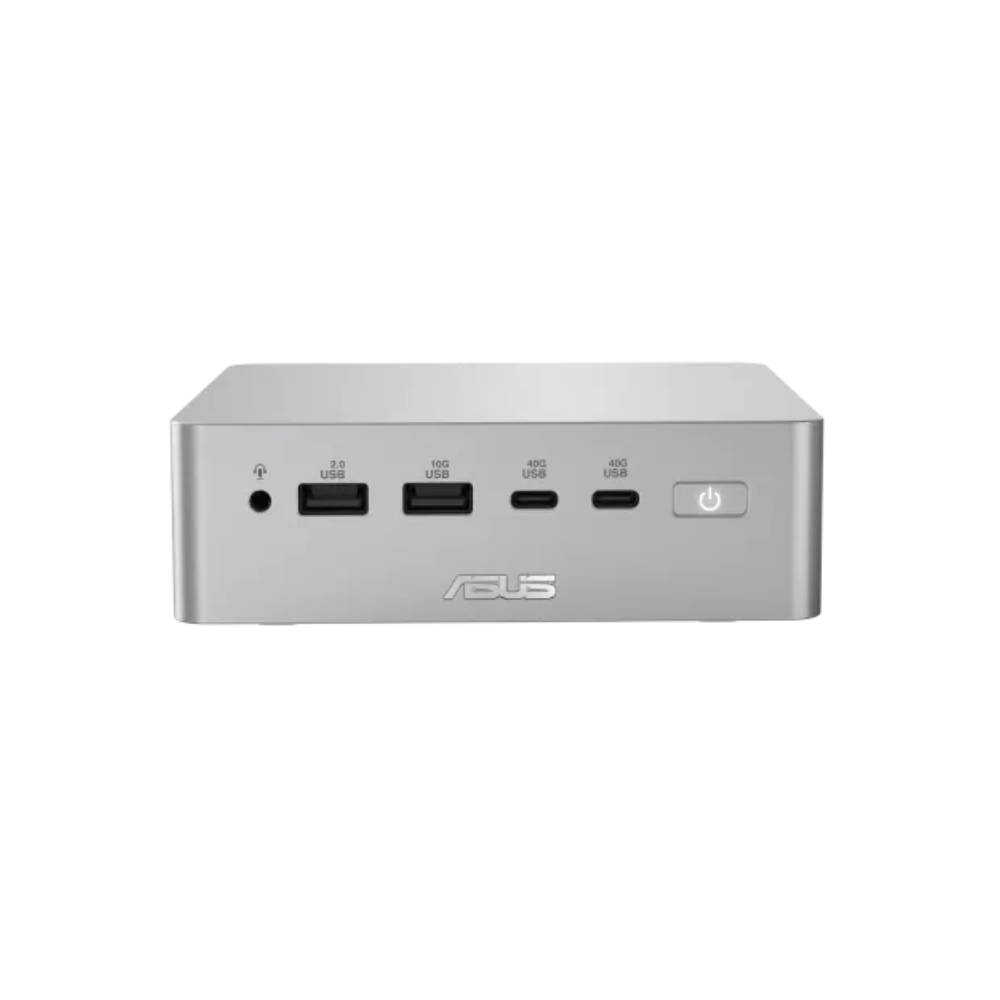
It can be configured with up to 32GB of LPDDR5X memory at 9,600 MHz and dual SSD storage, and it’s certified as a Copilot+ PC, so you get Microsoft’s latest on‑device AI features out of the box. The QN10 is built for long, cool‑running sessions where you might have multiple apps, browser tabs, and AI assistants open at once.
Qualcomm is also pitching Snapdragon X2 Elite as a secure platform for work. The chip comes with hardware-level protections and works with modern Windows security features, which helps keep more of your data on the device while still letting you use cloud services when you want to. For freelancers, small teams, and businesses that handle sensitive documents or code, that mix of performance, efficiency, and built‑in security is a big part of the appeal.
Why does the compact design matter?
The ASUS Ascent QN10’s chassis comes in under 0.7 litres, which is tiny even by mini‑PC standards, and ASUS claims it’s around 86 percent smaller than the usual 5‑litre small‑form‑factor desktop. The size essentially lets it disappear behind a monitor, mount it under a desk, or sit beside a TV without drawing attention. For cramped student rooms, shared home offices, or small studios, that’s a sure benefit.
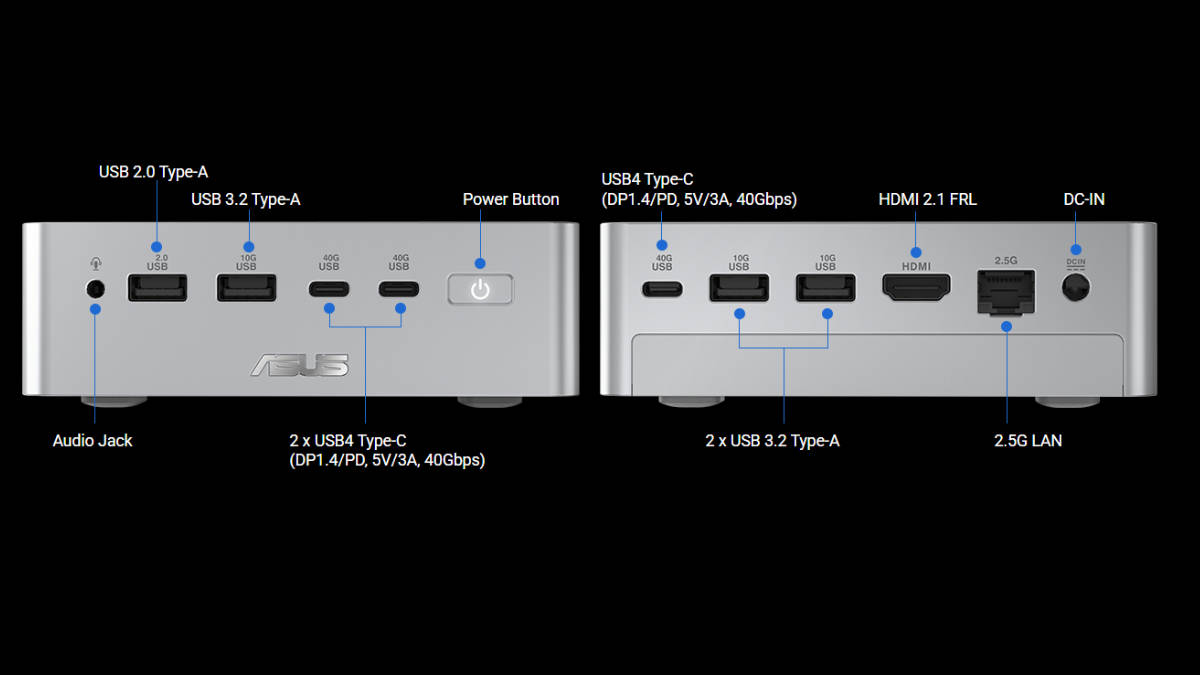
Despite its ultra‑small 0.7L chassis, the QN10 still supports up to four 4K displays (one HDMI plus three over USB4) and packs seven USB ports in total: three USB4, three USB 3.2 Gen 2, and one USB 2.0, along with Wi‑Fi 7 for fast wireless connection. It is flexible enough to serve as a personal desktop, a small office PC, or a box that drives digital signage in a shop or lobby.
Who is it for?
The Snapdragon X2 Elite inside the QN10 is designed to run a mix of AI assistants, coding tools, and office apps directly on the device. Qualcomm talks about support for “agentic” AI workflows, which basically means you can run AI tools that chain together multiple tasks, like summarising research, drafting emails, or refactoring code. without sending every step to a remote server.
For developers, that could mean using tools like VS Code, AI code copilots, and local model experiments on a box that still fits under a monitor. For professional users and small teams, the QN10 is pitched as a quiet machine that can juggle content creation, spreadsheets, browser tabs, and communication apps without feeling sluggish.
It won’t rival a full‑size desktop with a big RTX card for gaming, but for AI assistants, code copilots, and day‑to‑day productivity, the Snapdragon X2 Elite is designed to deliver higher AI throughput and better performance‑per‑watt than most similarly sized Intel and AMD‑based mini‑PCs, especially given how compact the QN10’s sub‑0.7L chassis is.