


Review Summary
Expert Rating
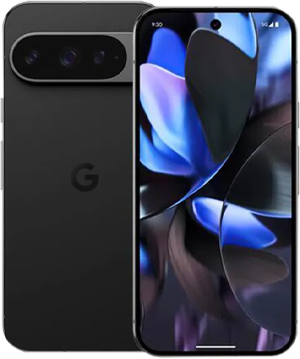
The Pixel 9 Pro has to be my most recommended Pixel phone of the year, even though I am not the biggest fan of “compact” smartphones. With a 6.3-inch OLED display, the regular Pro model feels lighter and more natural in average-sized palms. It offers the same AI and camera features as the Pixel 9 Pro XL (review). Mind you, the regular Pro model is priced much lower than the 9 Pro XL, especially with exchange and bank offers.
However, the Tensor G4 SoC-powered Pixel 9 Pro is a decent choice for gaming and heavy lifting, if not the best. While Google is spearheading the Gen AI battle with Gemini advances, Galaxy AI features on the Galaxy S24 series feel more wholesome at this point. Can cameras and stock Android experience give the Pixel 9 Pro an edge over its rivals? Let’s find out.
Table of Contents
Verdict
The Pixel 9 Pro is a terrific choice for Android lovers who prefer a compact phone. It does resemble the latest iPhone series in design, but the new aesthetics feel premium and justify the high price tag. The new Gen AI features still need some refinements I feel. The same applies to the cameras, which perform reliably, but there’s room for improvement. Overall though, it’s a solid choice for productivity-focused customers.
Design and display
The top-end Pixel Pro twins share the same tech inside and outside. The only difference is in the size, which also allows for a bigger screen and larger battery on the Pixel 9 Pro XL. The rest between the Pixel 9 Pro and the elder sibling remains the same.
| Smartphone | Google Pixel 9 Pro | iPhone 16 Pro | Xiaomi 14 Ultra |
| Thickness | 8.5mm | 8.3mm | 9.2mm |
| Weight | 199 grams | 199 grams | 219 grams |
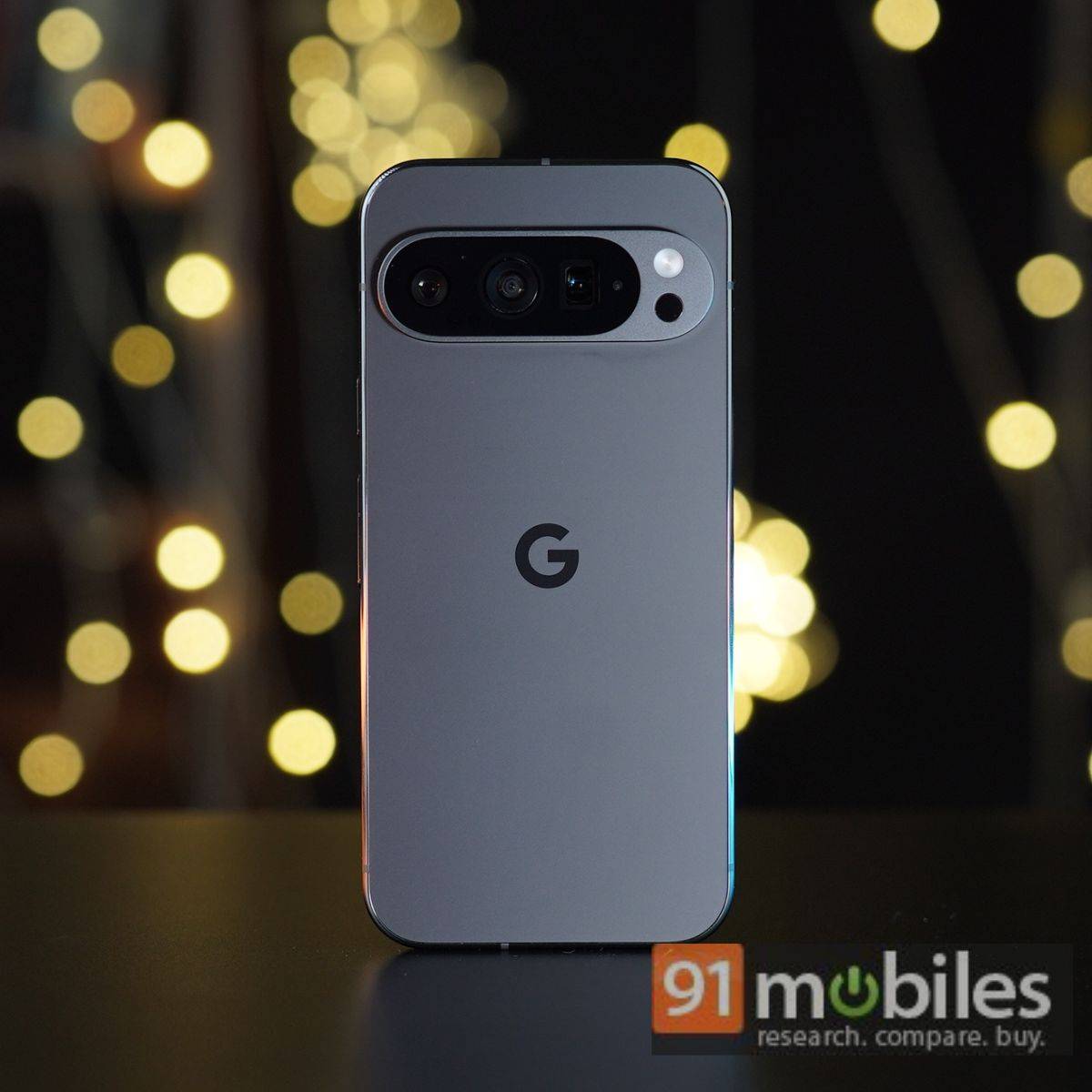
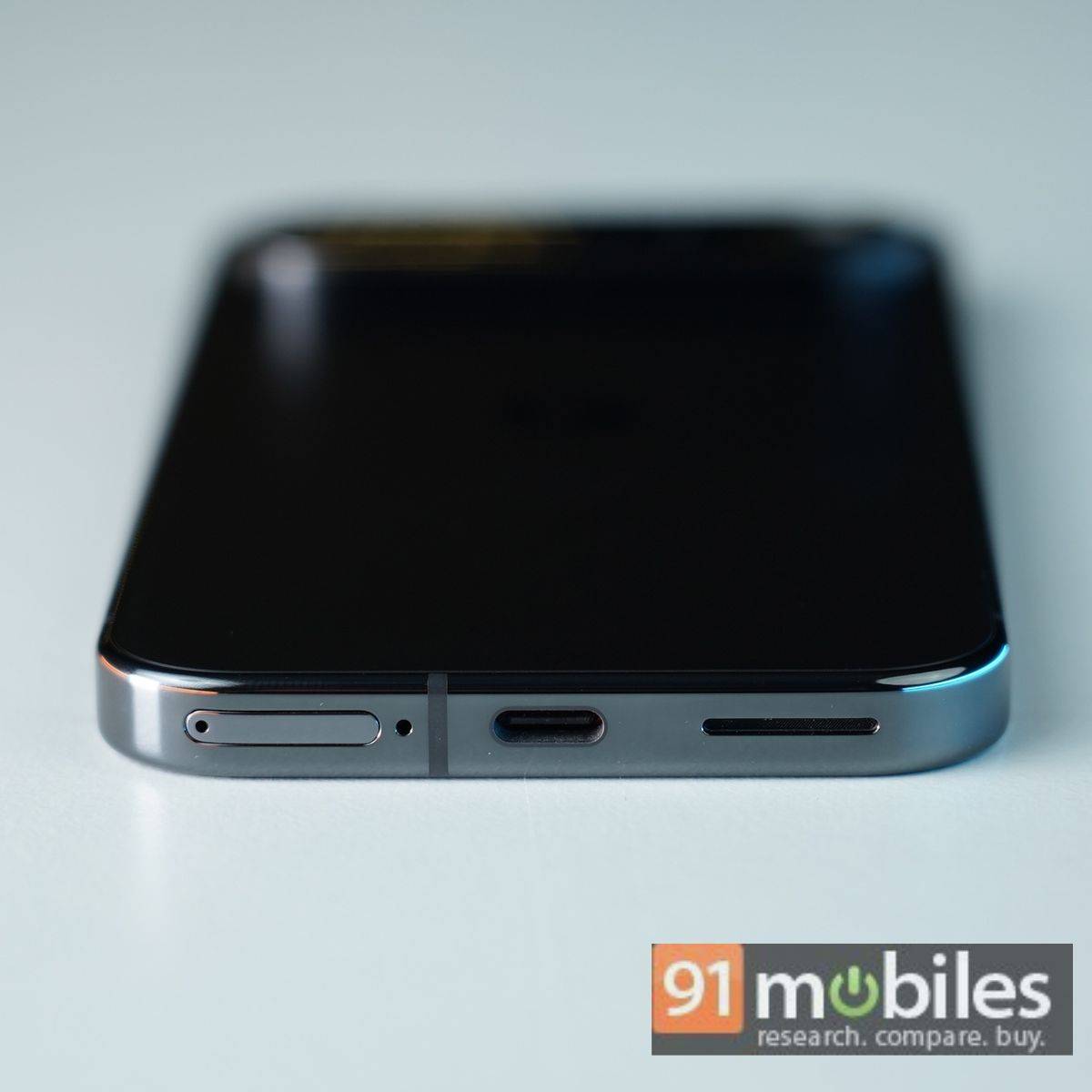
The Pixel 9 Pro also opts for the usual port and button selection, which includes volume rockers, a USB-C port for charging, and a power button. Google aims to stand out with the temperature sensor on the rear camera casing, which can be useful in its own way. Honestly, I have not discovered significant use cases, and many app developers have not actively utilised the sensor to create a unique user experience. On the other hand, Samsung’s S-Pen on Galaxy S24 Ultra and the AirTriggers on the ASUS ROG Phone 8 Pro (review) offer everyday benefits for productivity and gaming, respectively.
Safe to assume that Google’s focus is on looks and design, which it surely nails. The Pixel 9 Pro is undoubtedly among the best-looking devices on the market, suitable for young and older customers. The glossy edges, matte glass back panel, and flat display with slim bezels provide a luxurious appeal.
Google also does not compromise on durability with an IP68 rating for dust and water protection and Gorilla Glass Victus 2 for the front and back panels. I’d recommend getting additional protective film for scratches and a phone case for added durability. I reviewed the Obsidian Black colour option, which is the safest choice for most users. The Porcelain White variant remains my favourite as it matches the aesthetics of my Pixel Buds Pro 2 earbuds (review). Some colleagues prefer the Rose Quartz option, a rare colour choice for most ‘Pro’ smartphones.
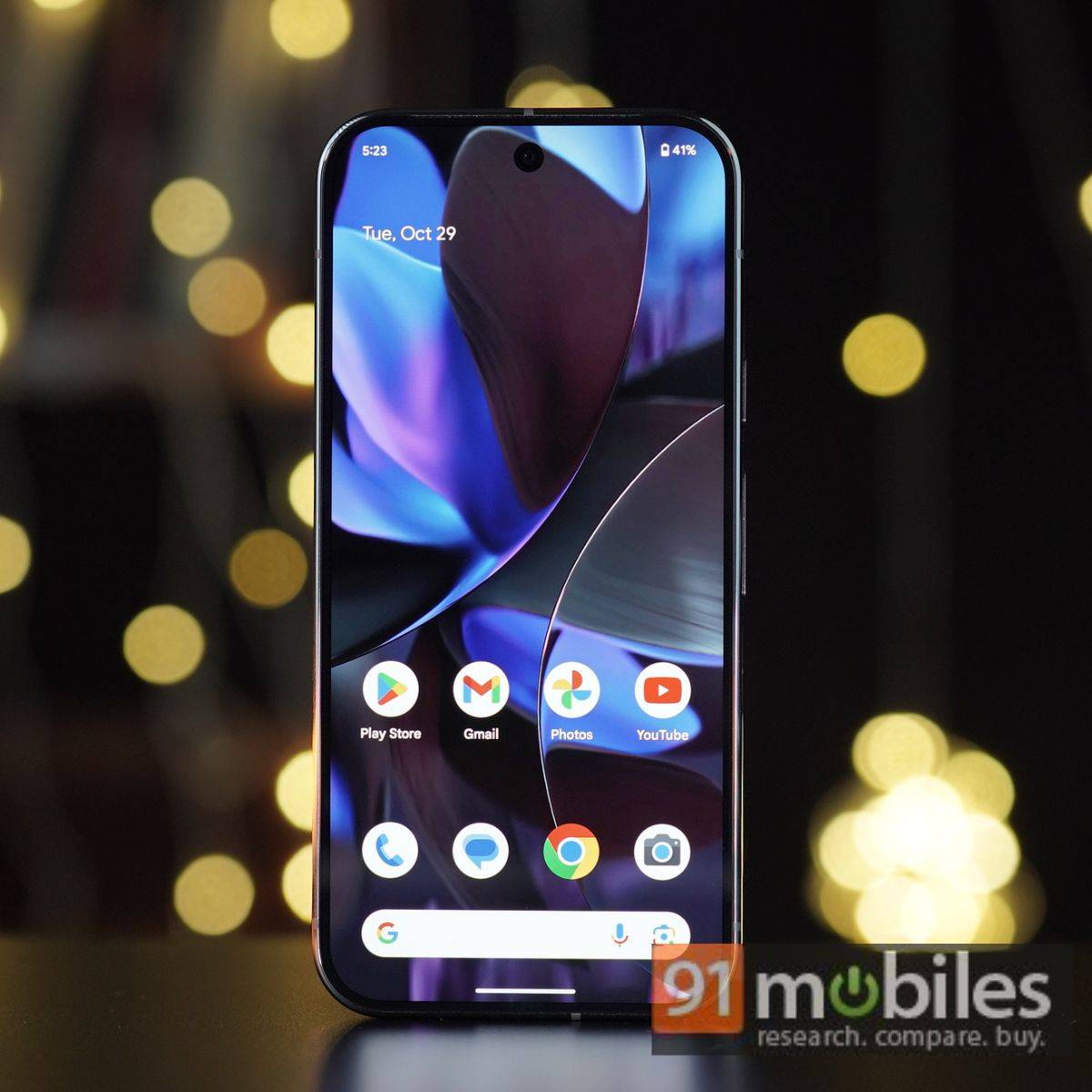
The OLED display offers almost 2K resolution (2,856 x 1,280 pixels), 3,000 nits peak brightness, and a familiar 20:9 aspect ratio for an edge-to-edge movie viewing experience. Google is leveraging the LTPO technology for variable refresh rates (1Hz to 120Hz) to preserve the battery life. The scrolling experience during my review was silky smooth, and I didn’t encounter any touch-related issues, even while gaming.
| Smartphone | Google Pixel 9 Pro | iPhone 16 Pro | Xiaomi 14 Ultra |
| Display size | 6.3-inch OLED | 6.3-inch OLED | 6.73-inch |
| Peak brightness | 3,000 nits | 2,000 nits | 3,000 nits |
The Pixel 9 Pro also offers brighter display output than the iPhone 16 Pro under harsh sunlight. However, the Galaxy S24 Ultra, with its anti-reflective coating, delivers the best readability indoors and outdoors.
Another upgrade on this year’s Pixel 9 Pro phones is the addition of an ultrasonic fingerprint sensor. It was about time for the premium Pixel phones to have more reliable and faster biometric security.
Software and performance
As expected, Google prominently boasts AI on the Pixel 9 series, particularly Gen AI capabilities, through Google Gemini integration. My experience has been mostly good, though I will argue that Samsung has managed to do relatively better on that front with the Galaxy AI on the Galaxy S24 series. More on that in a bit.
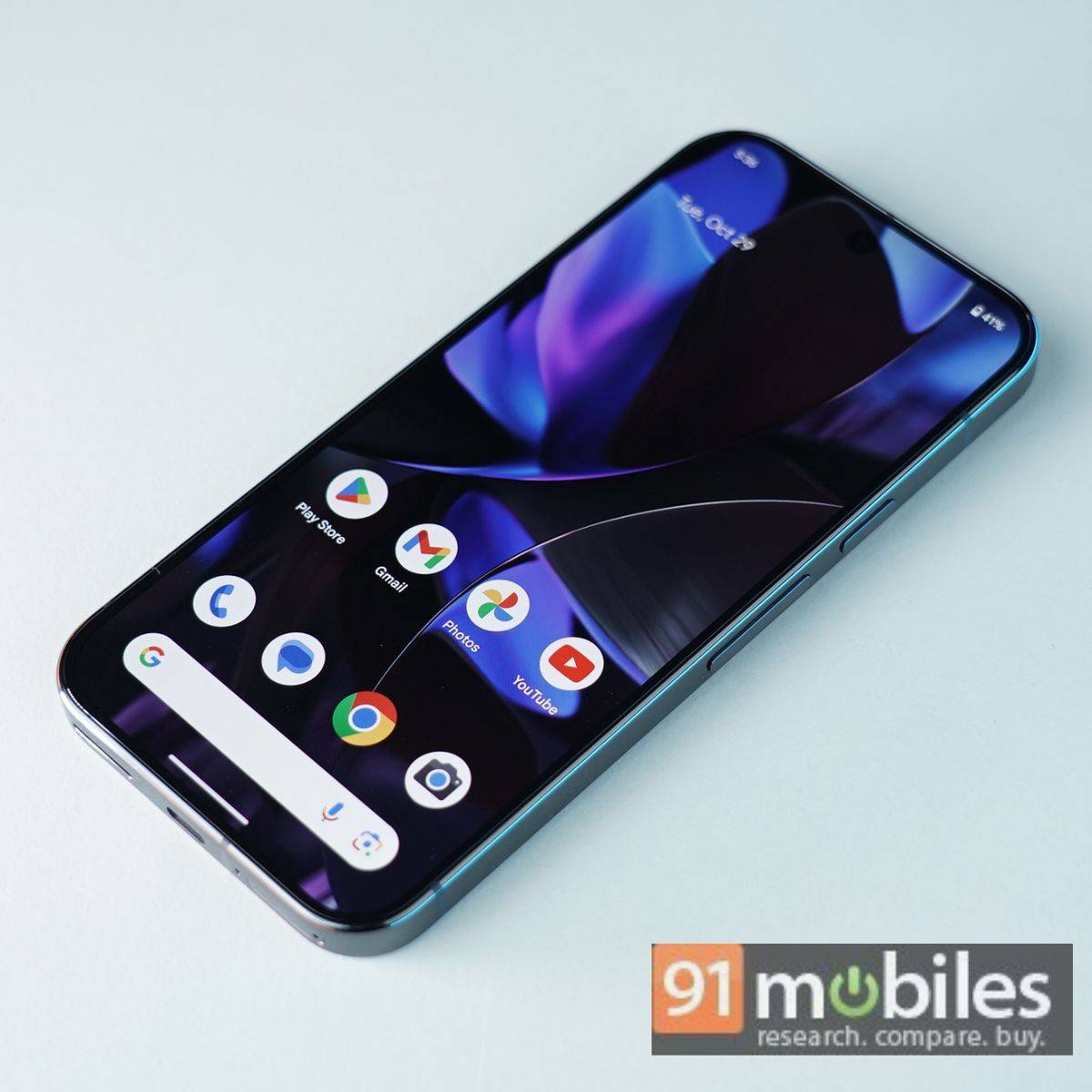
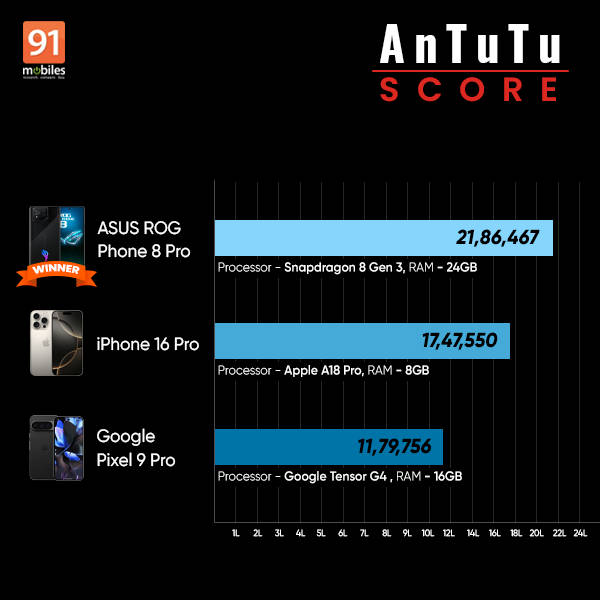
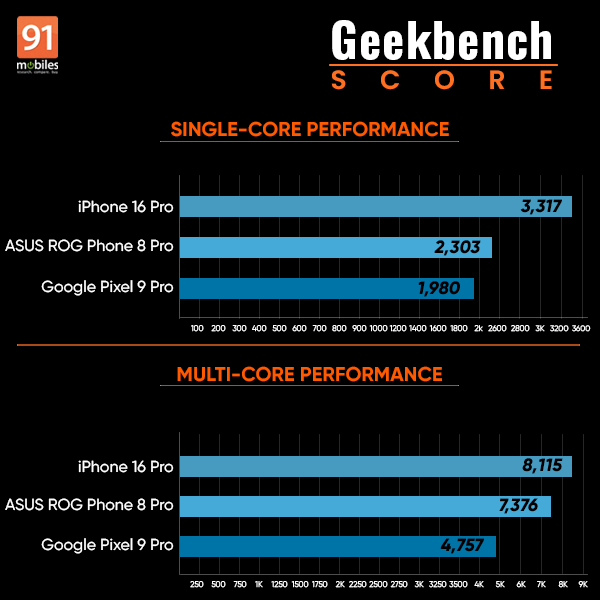
Overall, the Tensor G4 SoC offers sufficient juice for daily tasks, like browsing, cameras, note-taking, and texting. The chipset, combined with 16GB RAM and stock Android experience, makes the UI feel light and snappy.
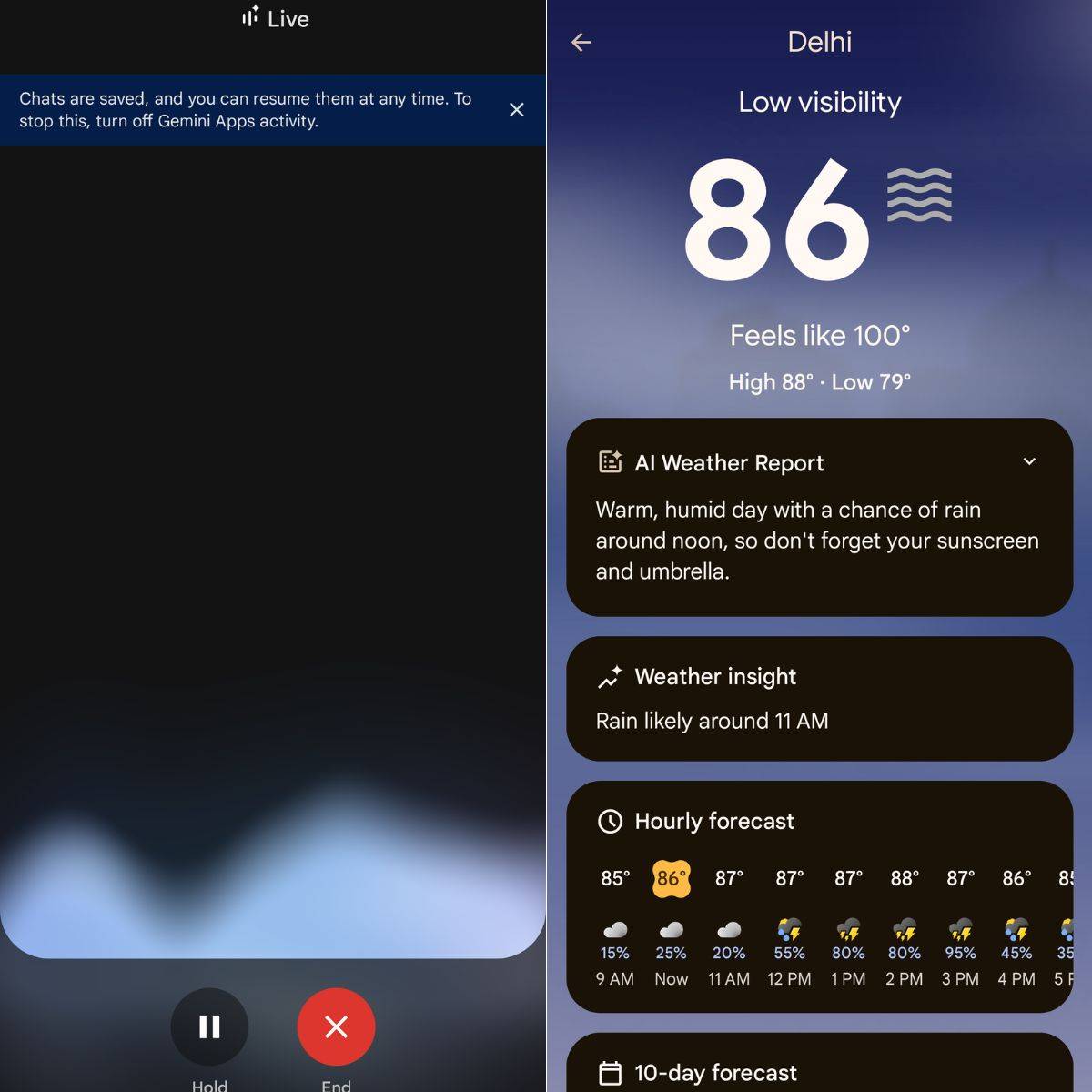
That said, Google has some tricks up its sleeves, which surely will give other OEMs a run for their money. The Pixel-exclusive AI-backed Screenshot app is among my favourites, which I can’t wait to see on Android smartphones. The Weather app also gets Gen AI support for forecast-related summaries, which can be useful for those who prefer planning their day around weather updates.
| Smartphone | Pre-installed apps | OS updates |
| Google Pixel 9 Pro | 39 | 7 years OS + 7 years security |
| iPhone 16 Pro | 48 | 6 years OS + 6 years security |
| Xiaomi 14 Ultra | NA | 4 years OS + 5 years security |
While the productivity-focused features can improve over time with OTA updates, the gaming experience on the Pixel 9 Pro remains decent at best. The phone can handle demanding titles like BGMI and COD Mobile, but the Pixel’s long-standing heating issues persist. I even noticed a slight delay in the camera app’s shutter click during continuous shots. Lastly, Google should consider upgrading the 3.1 UFS memory standard, which feels essential for a phone priced above Rs 1 lakh.
Cameras and AI features
The camera specifications of the Pixel 9 Pro and 9 Pro XL are identical and similar to those of last year’s Pixel 8 Pro (review). Apart from a few tweaks here and there, the camera performance remains largely familiar and predictable, especially if you’re upgrading from an older Pixel smartphone.
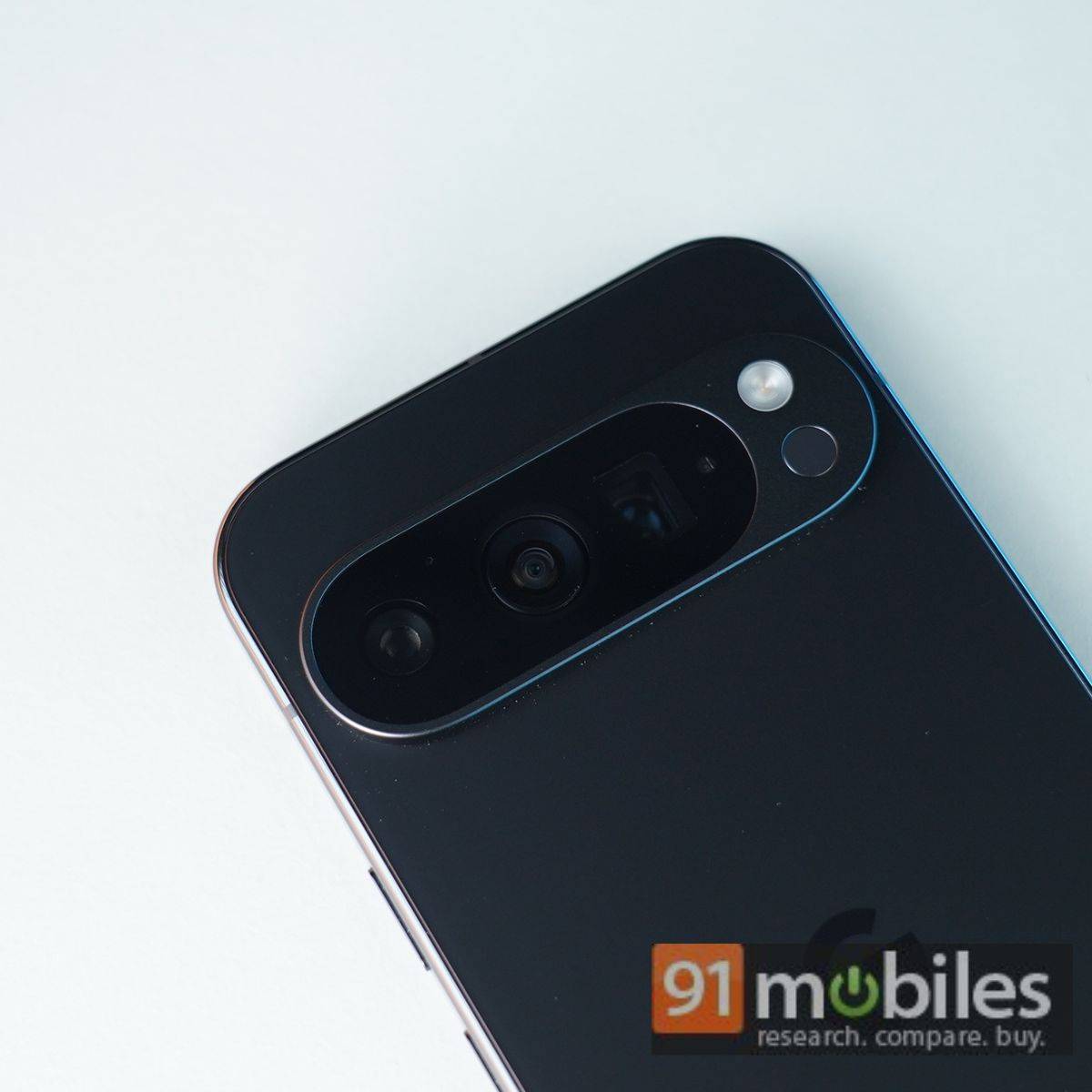


Perhaps I am most impressed by the video performance, especially in bright conditions. While I prefer the iPhone Pro series’ balanced colour approach for videos, the Pixel 9 Pro series has improved in terms of stability even at 4K60fps video quality. The native stabilisation and Google’s Video Boost technology can potentially be a blessing for content creators. Even the Pan option within the Camera app offers loads of versatility.
In short, whatever Google does well continues to perform well, with a few areas seeing incremental improvements. However, there’s still room for enhancement, especially with the telephoto camera in low-light environments. Even when you max out the digital zoom to 30x, details remain quite sketchy, while rivals like Xiaomi 14 Ultra (review), Vivo X100 Pro (review), and Galaxy S24 Ultra excel in that area. Upgrading the camera hardware in the next-gen series would hopefully give Google an edge over rivals.
I have tested the Pixel 9 Pro XL’s camera (essentially Pixel 9 Pro) against the Galaxy S24 Ultra and iPhone 15 Pro Max (review). Here’s a more detailed Pixel 9 Pro camera analysis with some shots compared against the iPhone 16 Pro for reference.
Daylight, ultra-wide and selfie
While both shots look good in their own regards, there’s a clear difference in the colour treatment by the Pixel 9 Pro and iPhone 16 Pro. As mentioned, the former occasionally plays around with shadows and contrast for a dramatic appeal. The iPhone 16 Pro, on the other hand, keeps the scene bright for a natural appeal and captures more details.


You’ll notice a similar colour science in shots taken with the ultra-wide camera. I prefer the Pixel 9 Pro’s ultra-wide shots, as the iPhone 16 Pro’s images can look somewhat flat. However, the iPhone still excels at capturing sharper details without adding noise.
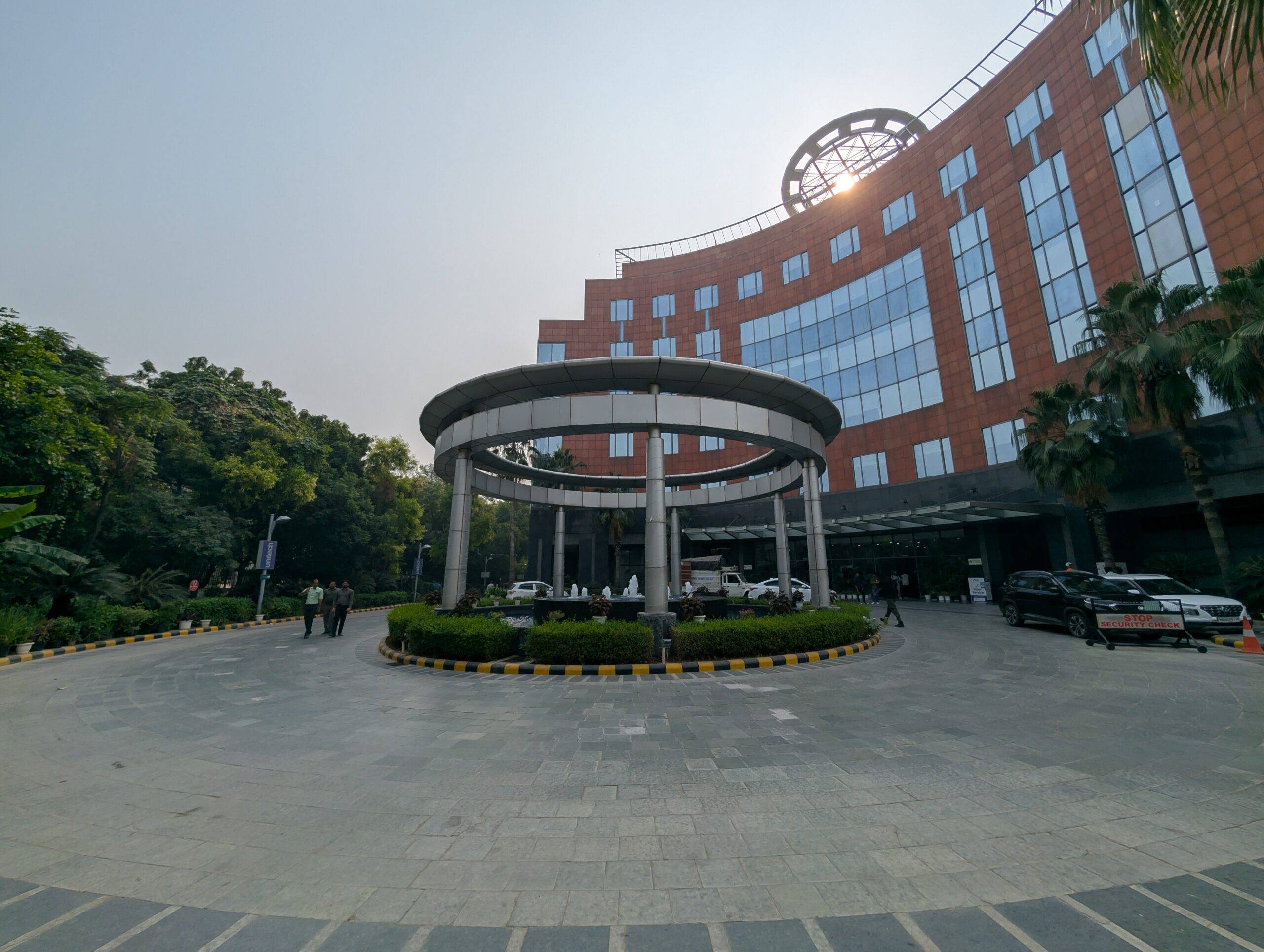

Similarly, when comparing the selfie and portrait shots below, Google does a much better job of preserving facial details and accurately detecting the subject’s skin tone.


However, I’m less impressed with its edge detection for the bokeh effect around the subject.


Low-light and telephoto
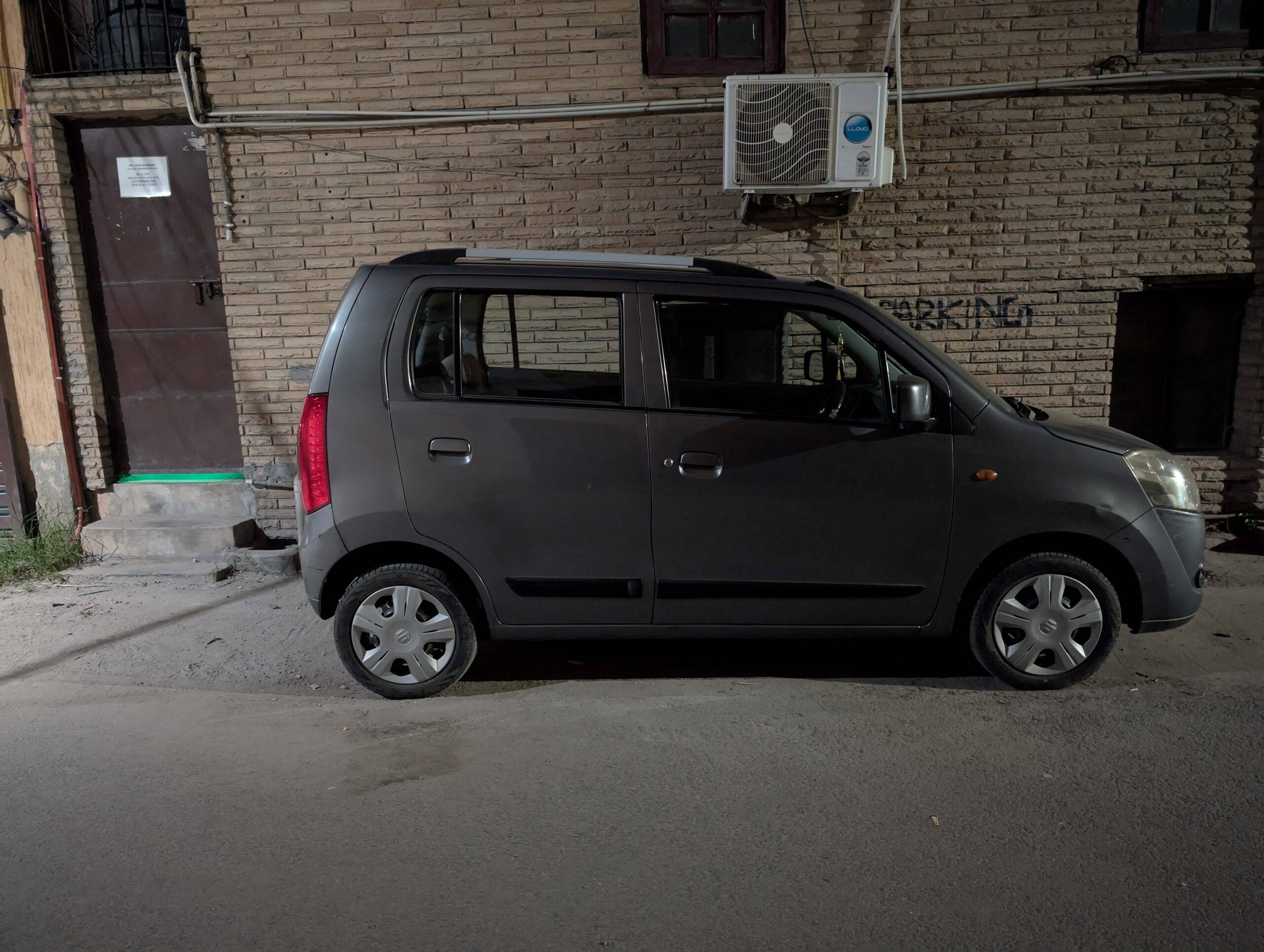
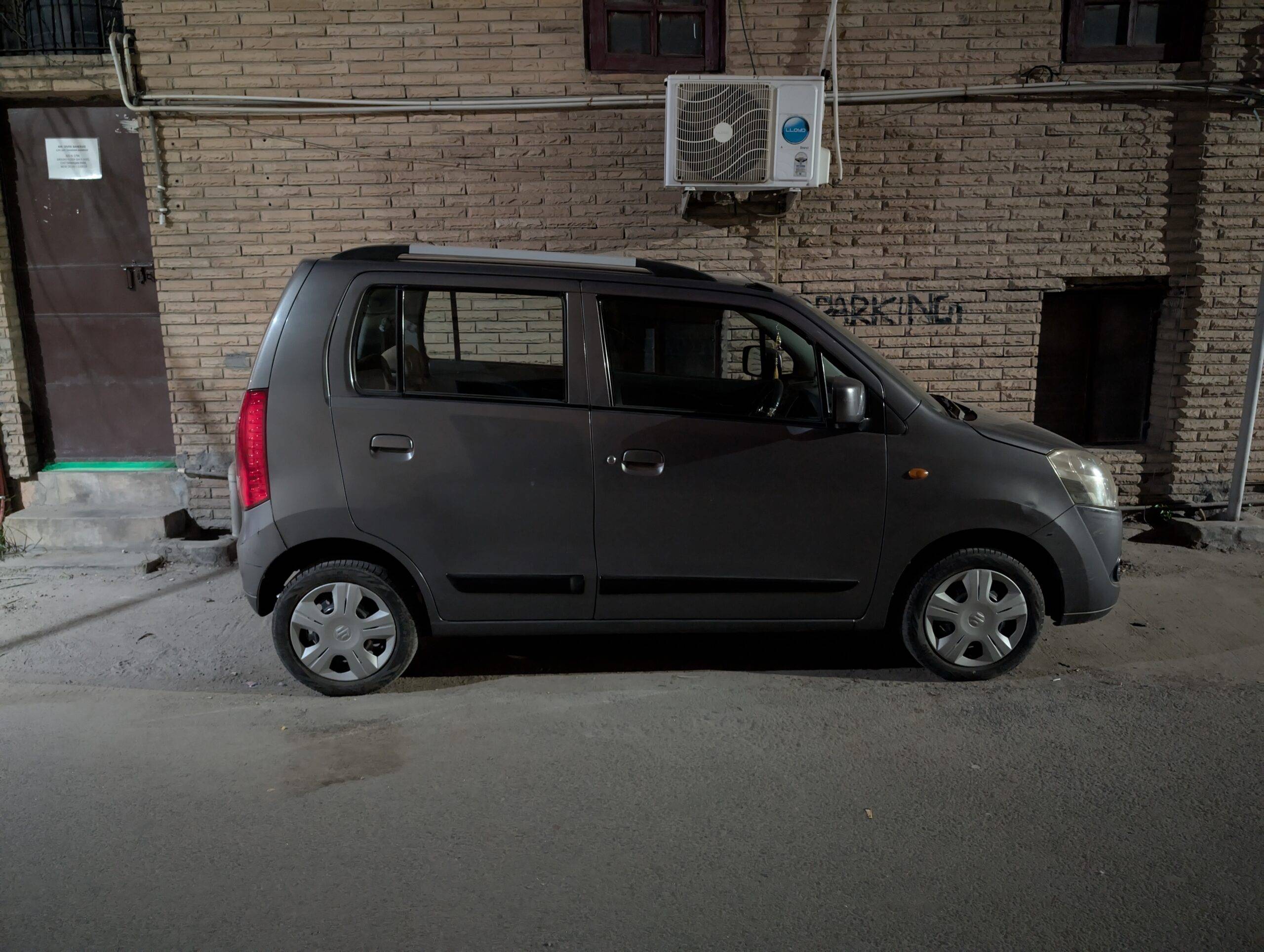
As mentioned, the 48MP telephoto camera, which gets utilised for shots above 5x zoom, is average at best. You can expect an aesthetically pleasing vibrant colour science in decent lighting conditions.

However, shots taken at maximum zoom can lack finesse.

In low-light conditions, the telephoto camera can struggle to capture accurate colours and details.

In such cases, you might want to stick to the primary or ultra-wide camera, which captures decent-looking photos even in dim lighting.
AI camera features
As expected, Google’s efforts to improve the camera experience continue with new AI features. Old AI tools, such as Best Take, AI Enhance and Unblur, Magic Eraser and so on, still remain. This year, Google introduced the “Add me” feature that essentially lets you clone yourself or take group shots with little trickery. The feature is more of a party trick, though I like that it works offline and gives users something different for a social media flex.

Google’s Best Take from last year is also gaining a new ‘Reimagine’ feature, which works just as it sounds. This feature lets you select a specific area of an image and ‘reimagine’ it however you like. In most cases, the results are impressively realistic. Notably, Google does not overlay a watermark to indicate that the image was AI-generated; however, the metadata automatically includes an ‘edited with Google AI’ prompt.

Battery and charging
Apart from the evident difference in size between the two Pixel Pro models, the regular variant houses a smaller battery. Its 4,700mAh battery also gets 27W charging support (wired), while the 5,060 battery on the Pro XL supports up to 37W of charging speeds.
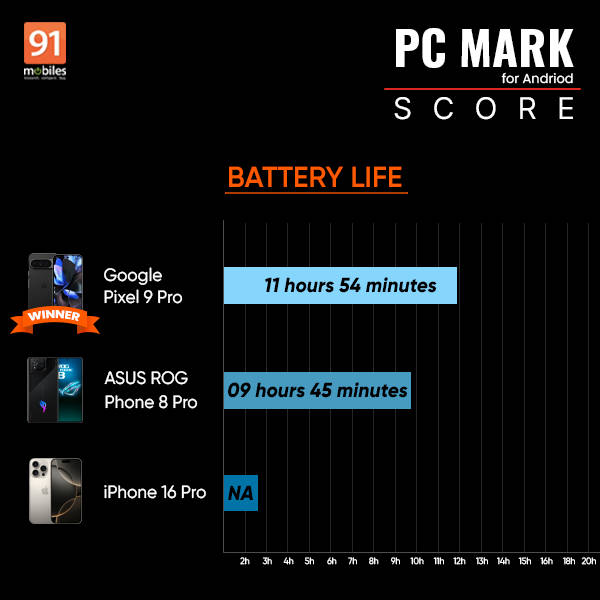
| Smartphone | Charging speed | Charging time (20 to 100%) |
| Google Pixel 9 Pro | 27W | 76 minutes |
| iPhone 16 Pro | 30W | 94 minutes |
| Xiaomi 14 Ultra | 90W | 35 minutes |
Final verdict
If size isn’t a concern, the Pixel 9 Pro is a sensible choice for those who want more than the basics without paying the premium Pixel 9 Pro XL demands. Its 6.3-inch display also offers a much better viewing experience than the average 6.1-inch screen without feeling overwhelmingly big. Google deserves credit for improving the display brightness and biometric security.
It’s also easier to recommend the Pixel 9 Pro over the 9 Pro XL if you’re choosing the latest Pixel iteration solely based on camera performance. The camera performance and related AI features between the two are identical. You can expect pleasing results in good lighting conditions, though there’s still room for improvement, especially for the telephoto camera.
Similarly, the ASUS ROG Phone 8 Pro and iPhone 16 Pro are better options for users who prioritise high performance. The Galaxy S24 series also currently offers more useful Gen AI features than the Pixel 9 Pro.
Still, I wouldn’t underestimate Google in the artificial intelligence space, and the Pixel 9 Pro is likely to receive many new features in the coming months, delighting users who choose this smartphone.
Editor’s rating: 7.5 / 10
Reasons to buy:
- The Pixel 9 Pro features a compact build and brilliant display.
- The stock Android experience is enhanced with AI-backed new apps.
- The Pixel 9 Pro also offers the same AI editing tools as the Pixel 9 Pro XL.
- Video recording gets worthy upgrades.
Reasons to not buy:
- The Pixel 9 Pro still offers slow charging.
- The phone heats up quickly.
- The telephoto camera needs improvements.
 | vs |  |
| vs |  |