Lenovo just concluded Tech World ’26, its annual flagship innovation event in New Delhi. The two-day showcase brought together industry leaders, partners, customers, and content creators to showcase Lenovo’s latest technologies and highlight how AI is gradually moving from concept to everyday use case with real-world impact.
One of the key announcements at this year’s Lenovo Tech World was the introduction of Qira, the company’s first AI personal assistant for the Indian market. Announced last month at CES 2026, Qira can unify context, memory, and continuity across Lenovo and Motorola devices including laptops, PCs, tablets and smartphones. This allows the ‘AI super-agent’ to adapt and evolve around the user offering better results and performance over time.
Lenovo also used the event to showcase updates to its ThinkSystem AI servers and ThinkEdge inferencing platforms, which the company says bring major gains in memory bandwidth, networking, and up to five times higher GPU performance for AI-driven workloads. Designed for enterprise use cases where low latency, regulatory compliance, and data sovereignty are critical, these systems are aimed at real-world deployments across multiple industries.
Lenovo also emphasized its Hybrid AI Advantage strategy, which blends public cloud resources with on-premises and edge infrastructure. The approach reflects the direction of AI adoption in India, where organizations are increasingly opting for hybrid models rather than fully cloud-based or fully localized setups.
As a real-world example, the company highlighted its role as the official technology partner for the FIFA World Cup 2026, where AI-powered systems are being used to improve operational efficiency and enhance the fan experience.
The company also set up various demo-zones where we got a chance to experience a range of devices under Lenovo’s portfolio including smartphones, laptops, tablets, PCs, and many more. Here are some of the most interesting devices we got to see at the event.
Table of Contents
Lenovo IdeaPad 5 2-in-1 Gen 11
Among the new products, Lenovo showcased the IdeaPad 5 2-in-1 (Gen 11) laptops powered by Intel’s latest Core Ultra Series 3 CPUs (Panther Lake) as well AMD Ryzen AI 400 CPUs. Both laptops feature a similar 15-inch design with a 360-degree hinge allowing users to use the device in tablet mode and tent mode. Both laptops offer dual USB Type-A and USB Type-C ports, HDMI, 3.5mm headphone jack and a microSD card reader.
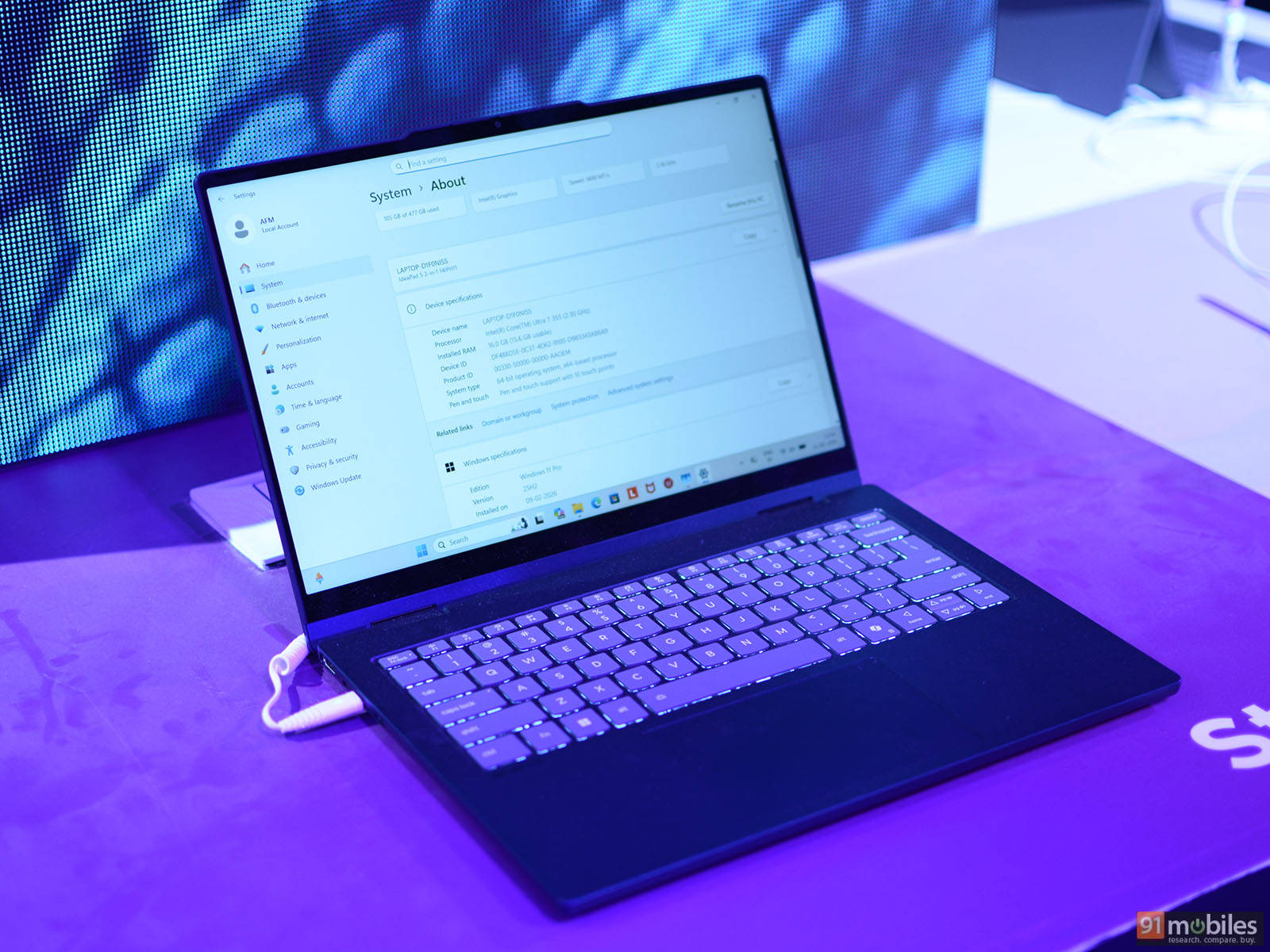
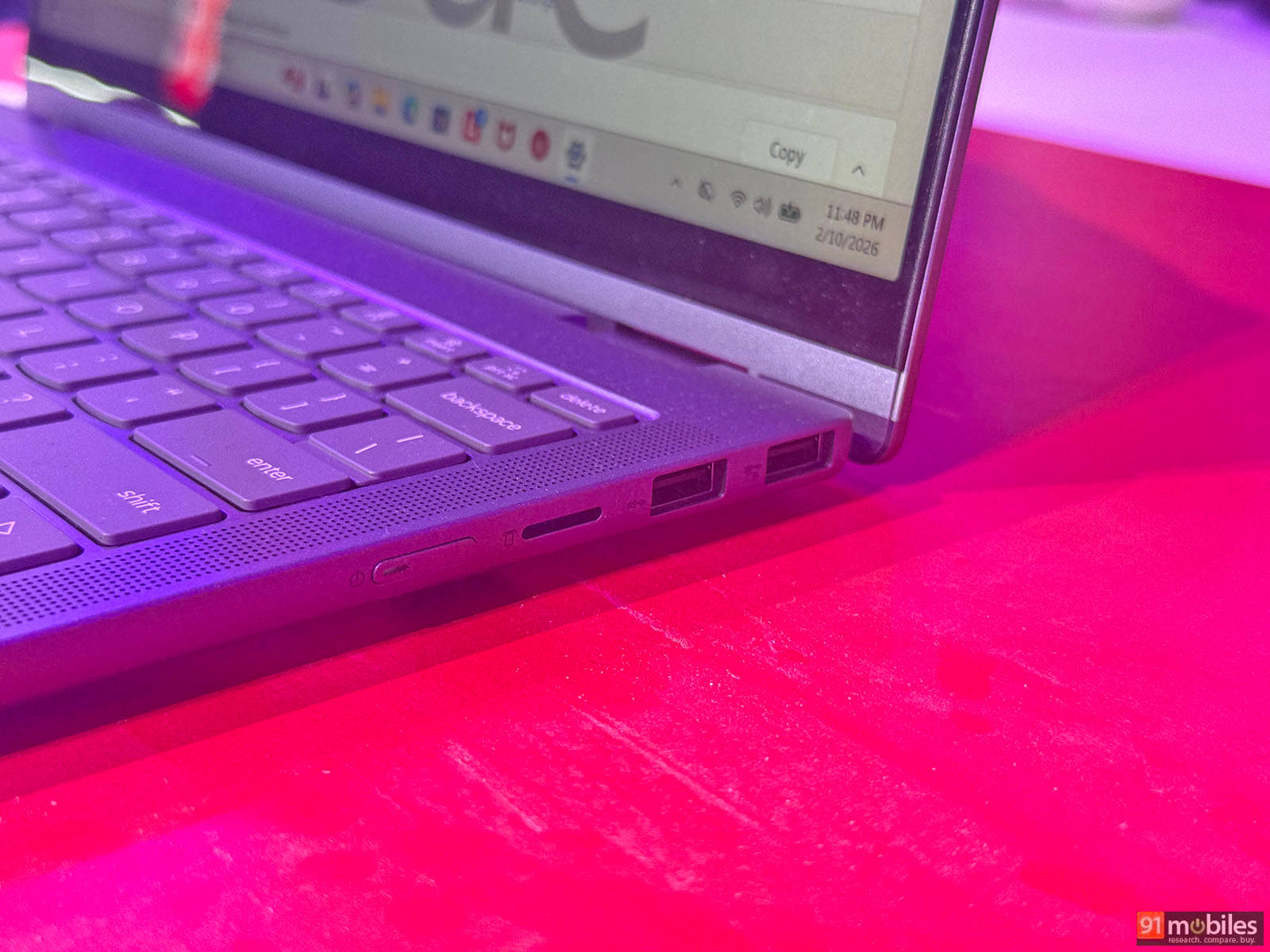
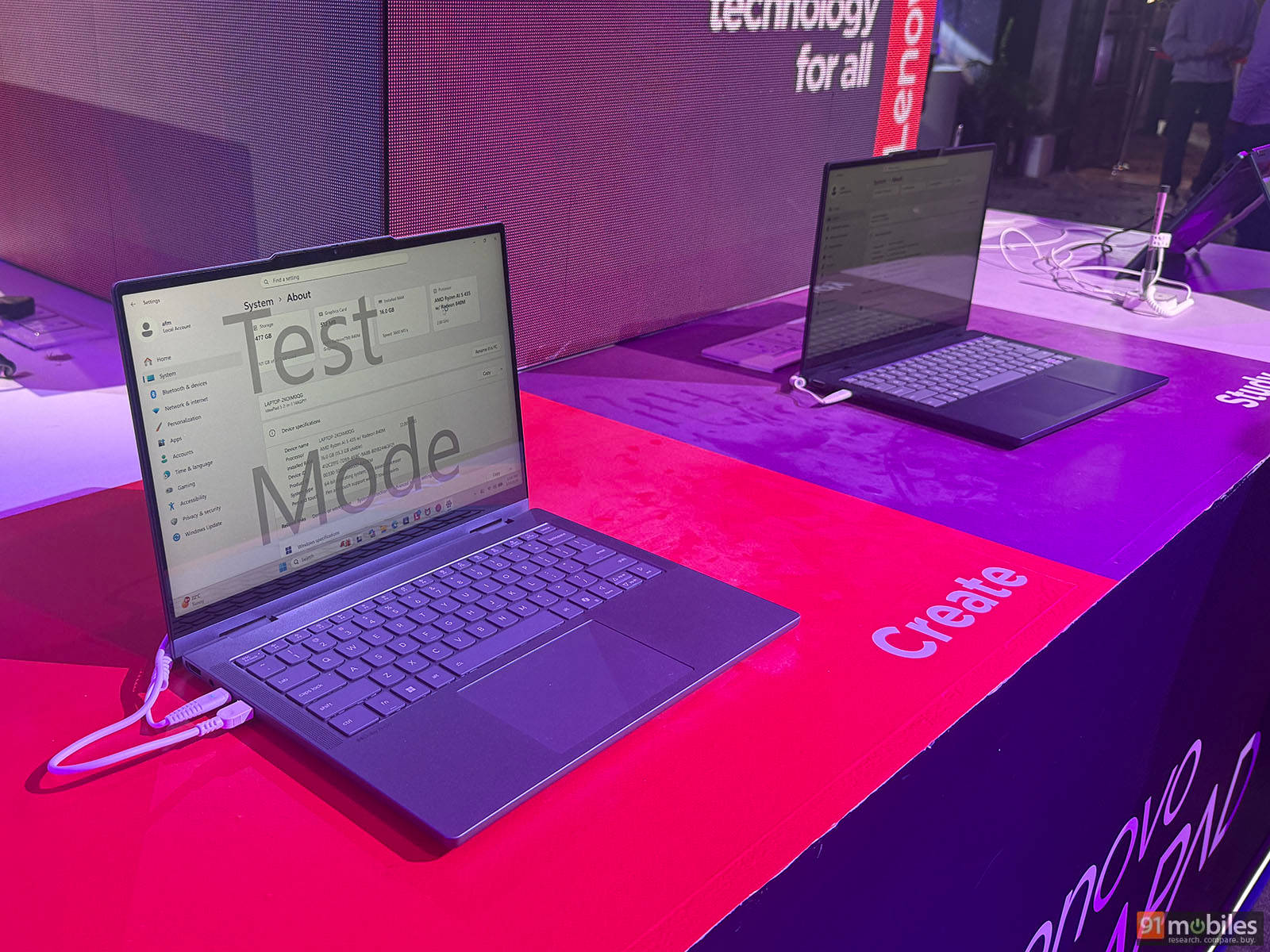
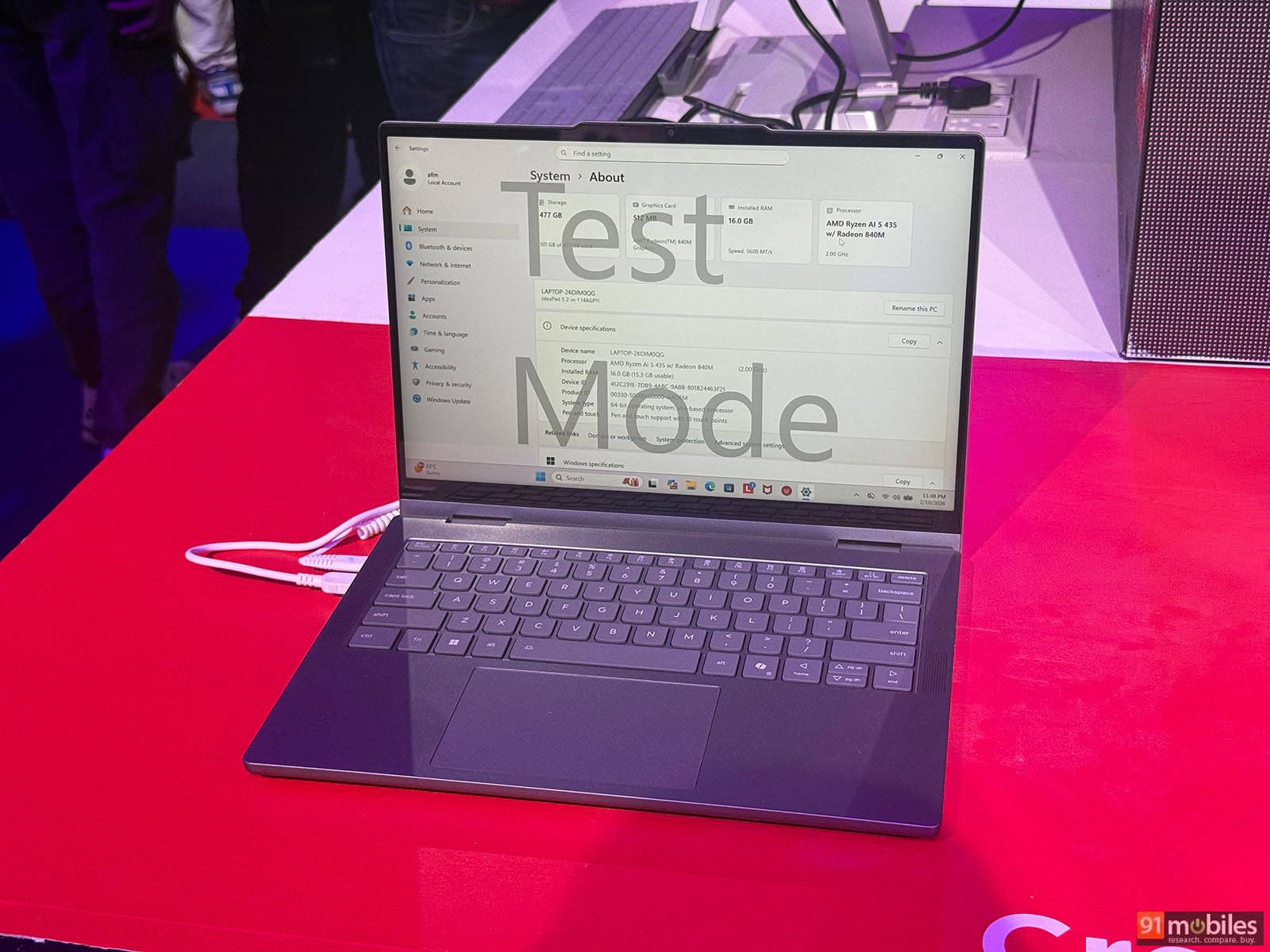
The AMD model on display featured a Ryzen AI 5 435 which features a six-core CPU and maximum boost clock speeds of up to 4.5GHz along with Radeon 840M graphics, 16GB of DDR5 memory at 5,600 MT/s and a 512GB SSD. Similarly, the Intel model featured a Core Ultra 7 355 which is slightly more powerful with eight-cores and 4.7GHz of boost clock speeds, paired with 16GB of DDR5 memory at 5,600 MT/s and a 512GB SSD. As per a Lenovo representative, final pricing for these new laptops is still under wraps but expect these to launch around Rs 1 lakh price range.
Lenovo Legion Go 2
We also got a chance to get a quick preview of Lenovo’s latest handheld console, then Legion Go 2. Building on the original Legion Go, the newer model comes with meaningful upgrades across performance, display, and ergonomics. The device is powered by AMD’s latest Ryzen Z2 Extreme which is a handheld-focused chip that is claimed to deliver a bump in gaming performance while supporting configurations with up to 32GB of LPDDR5x memory and fast NVMe storage.
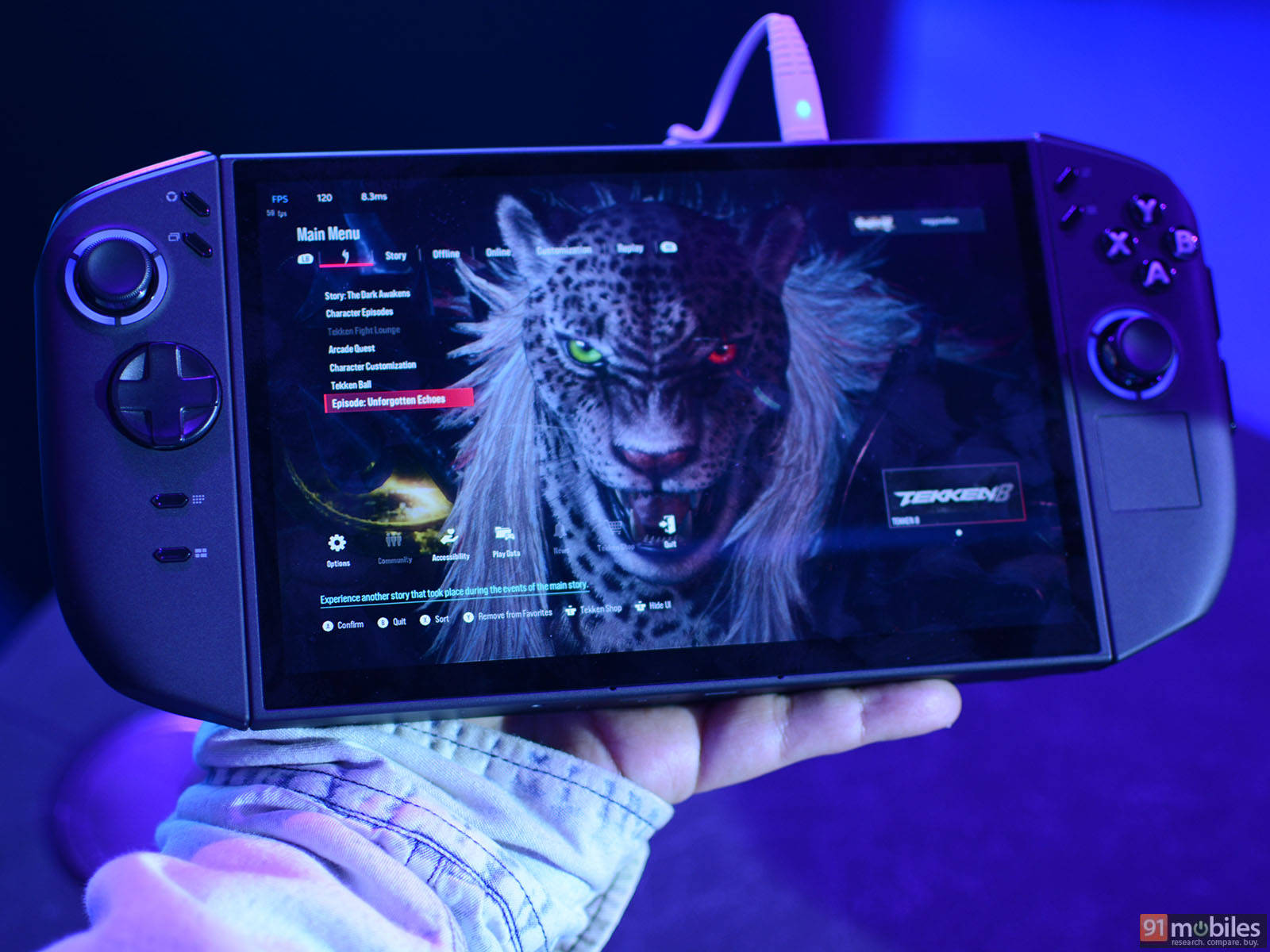
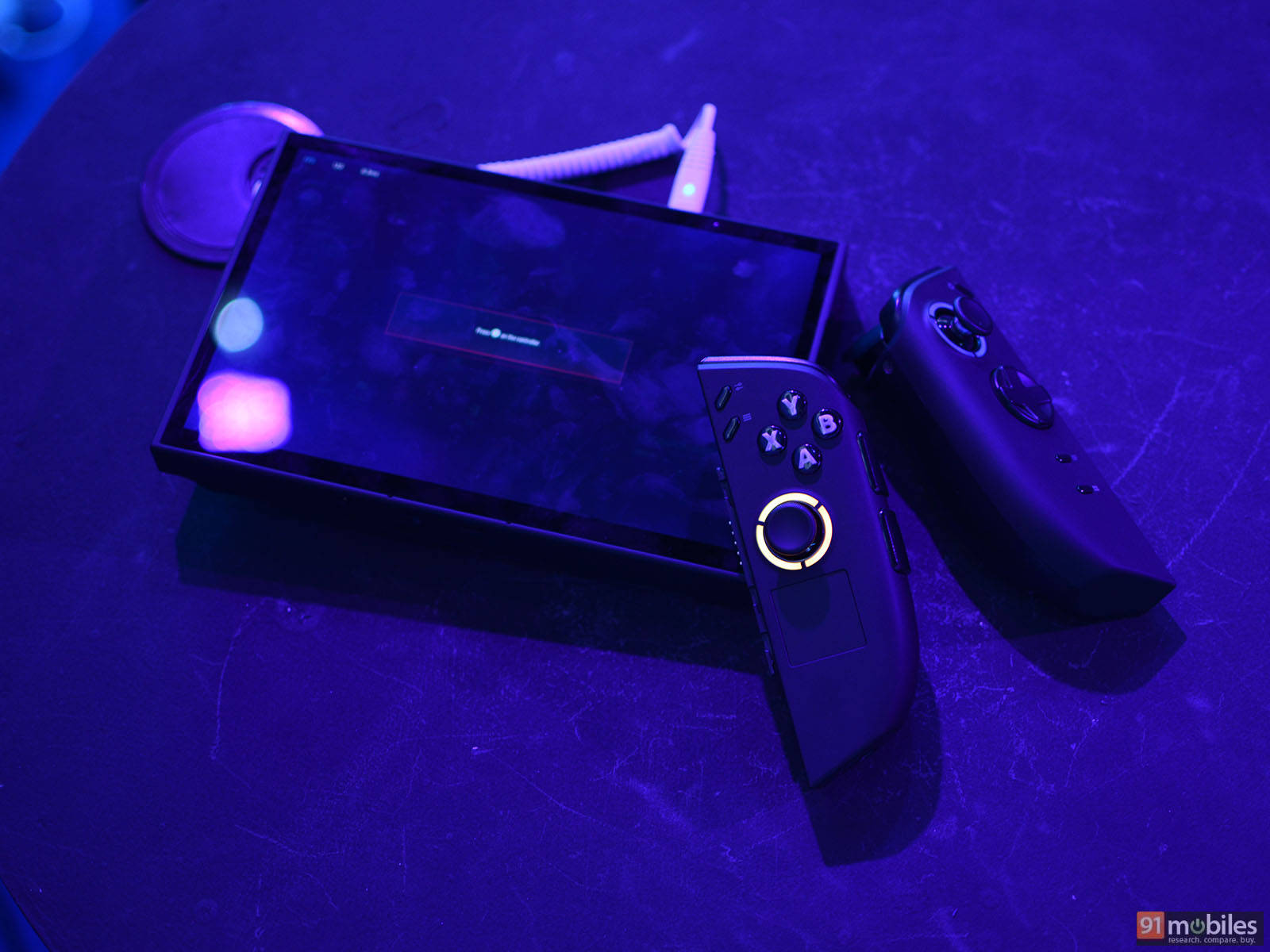
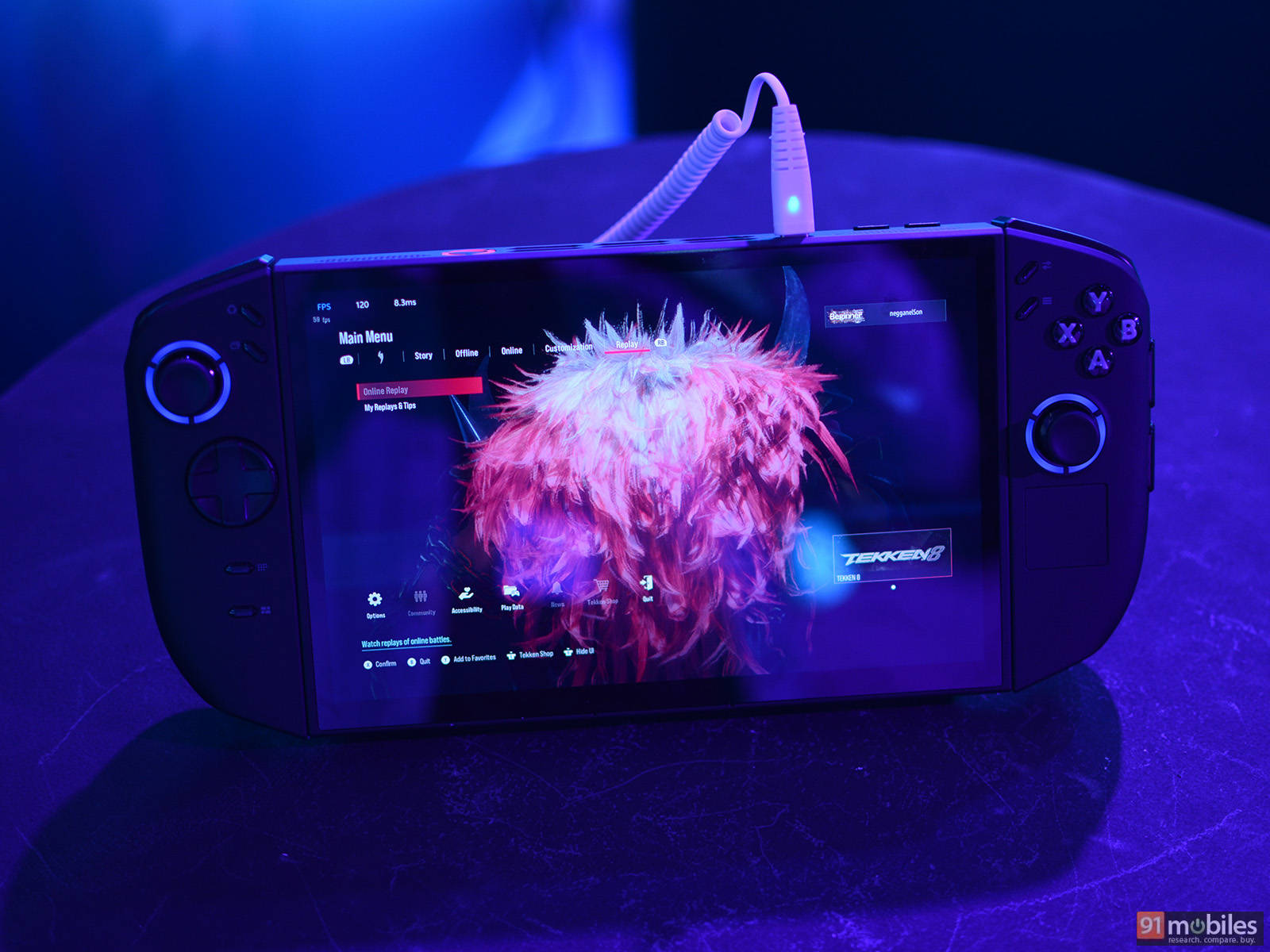
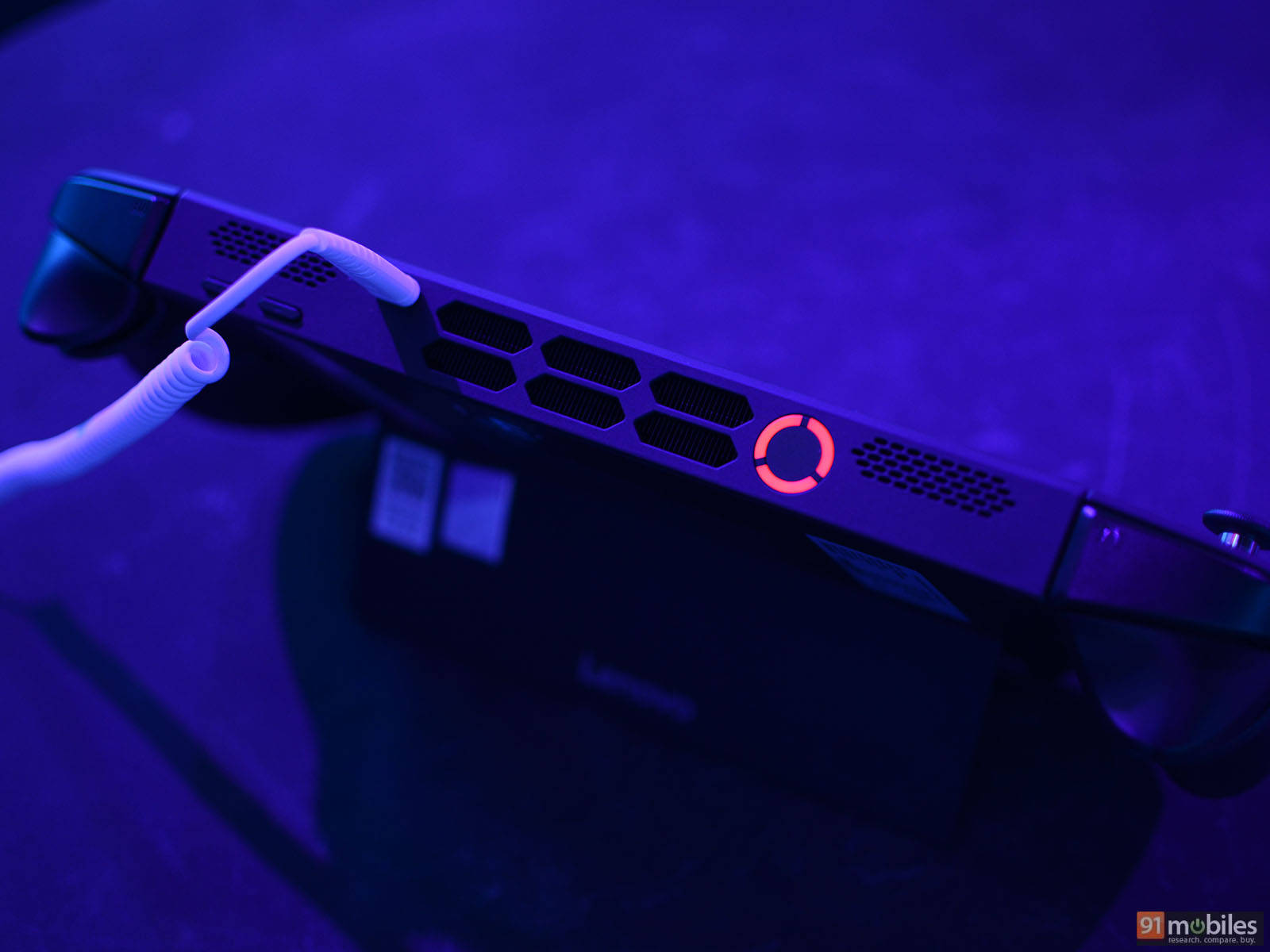
One of the biggest highlights is the upgraded 8.8-inch OLED display, which offers a 1920×1200 resolution, a high refresh rate up to 144Hz along with variable refresh rate support. It offers vibrant colors, deep blacks, and smooth motion, making it one of the best screens that you can have on a gaming handheld today. Lenovo has also improved the detachable TrueStrike controllers with Hall-effect joysticks for better durability, while retaining flexible play modes that let users switch between handheld, tabletop, and controller-separated setups.
Battery life has also seen an upgrade thanks to a larger 74Wh battery with 65W fast charging, though real-world endurance is going to depend on game settings and power profiles. Overall, the Legion Go 2 feels like a no-compromise handheld aimed at enthusiasts who care about the best visuals, strong performance, and PC versatility. Lenovo doesn’t have any plans to launch the device in India at the moment, but considering the $1100 base price it is going to be an expensive affair, if and when it actually launches.
Lenovo ThinkPad Rollable XD
Probably the most interesting device gathering all the attention at the event was the ThinkPad Rollable XD. The concept device was first showcased at CES 2026 and is Lenovo’s next evolution of rollable display technology. It features a vertically expanding flexible OLED panel that starts as a 13.3-inch display and rolls up into a taller 16-inch workspace with just a quick swipe. This gives users roughly 50-percent more screen real estate for productivity tasks such as document editing and multitasking. Notably, this vertical expansion differs from previous designs by routing the flexible display up and over the top of the lid instead of hiding unused portions within the chassis.
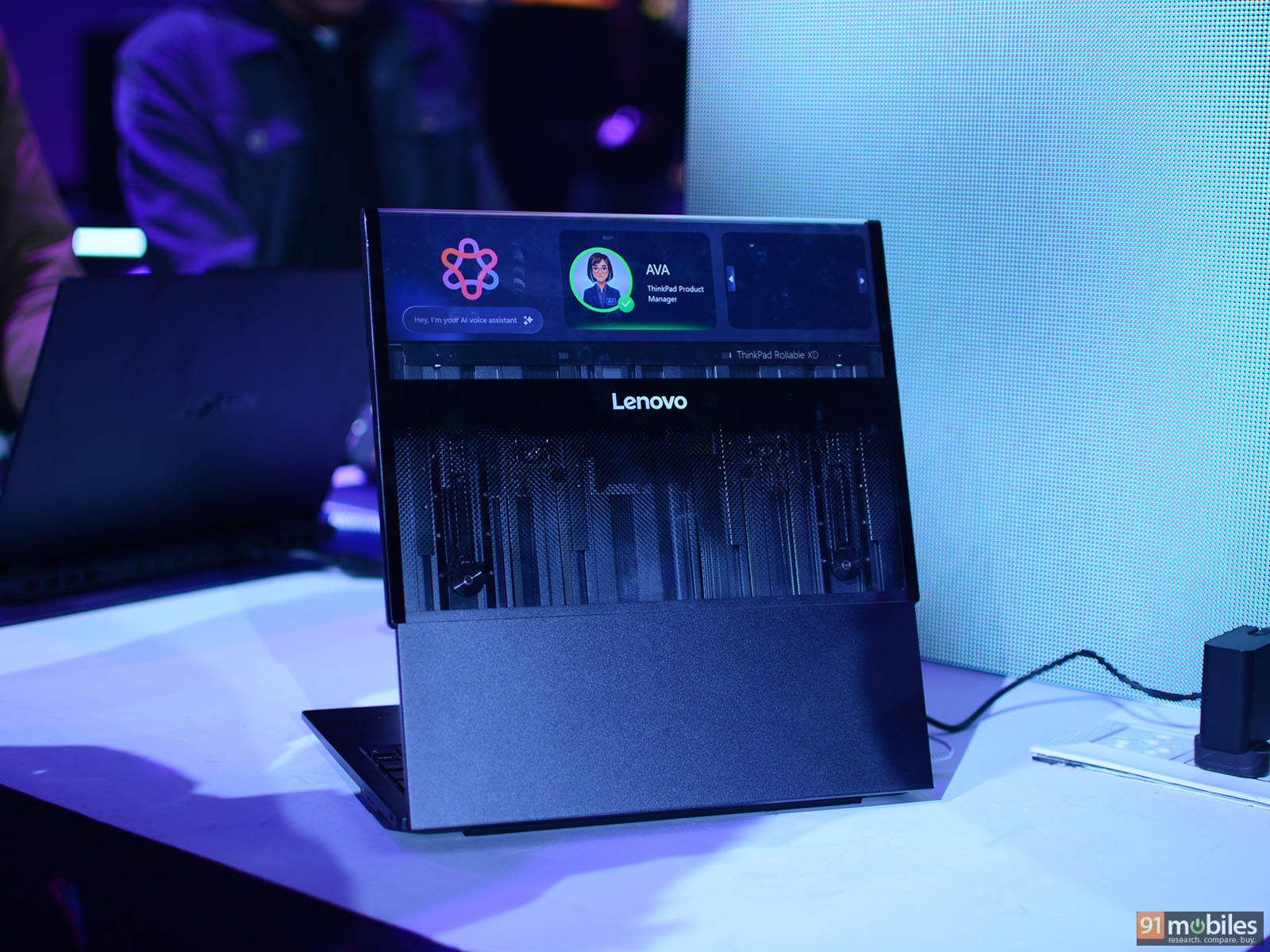
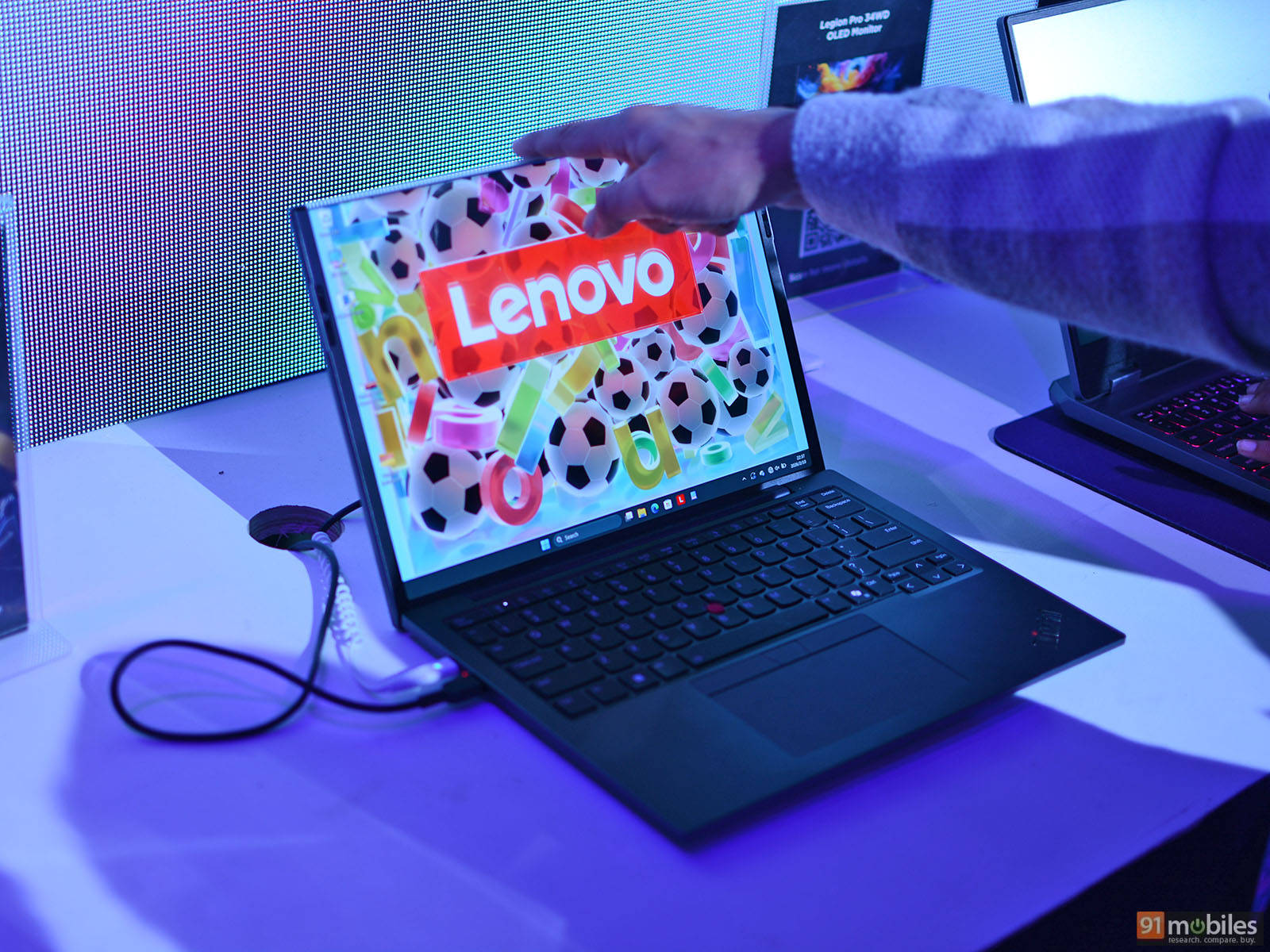
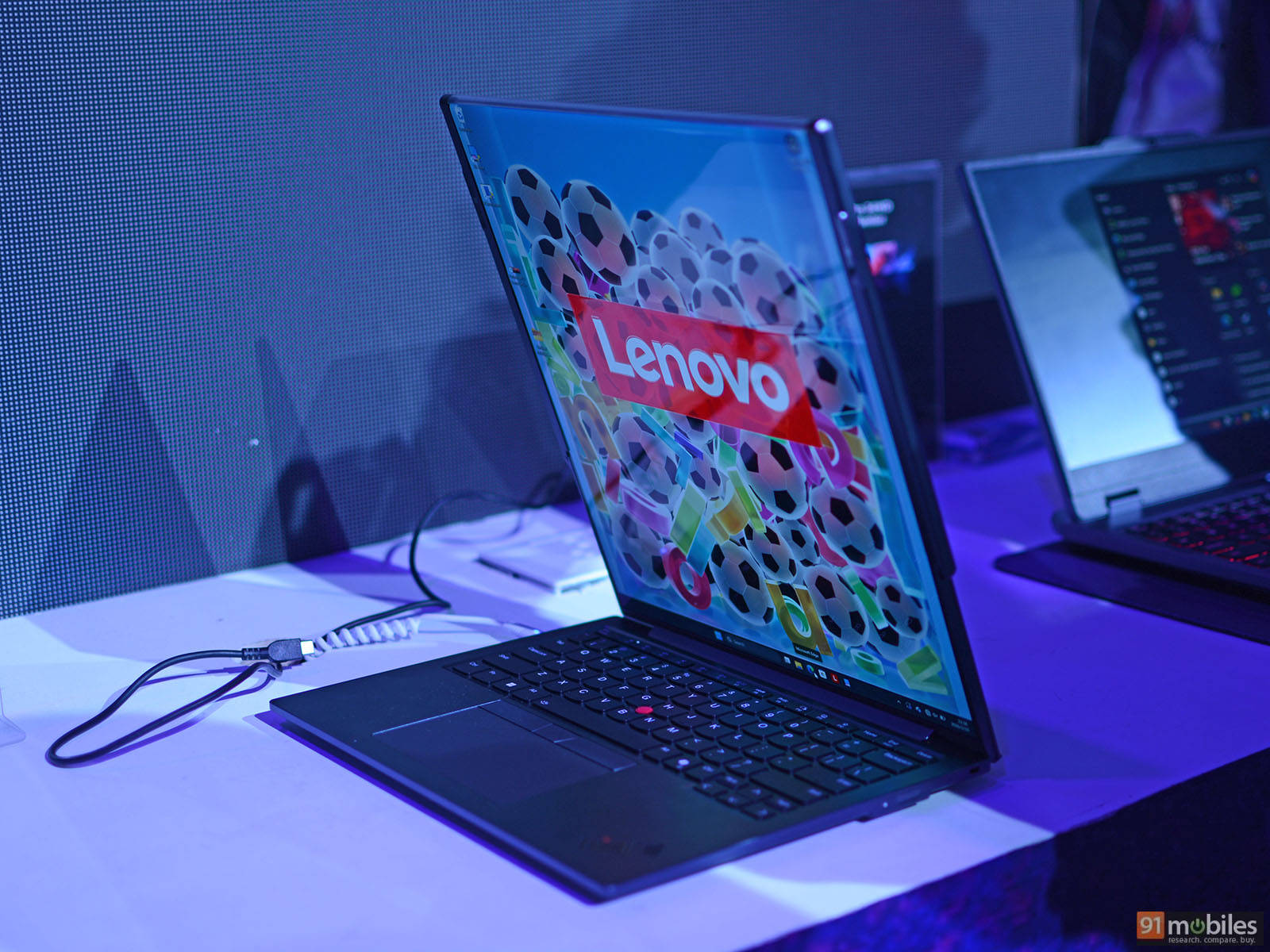
A key design element of the Rollable XD concept is its transparent Corning Gorilla Glass Victus 2 lid, which not only protects the flexible OLED but also exposes a part of the unrolled screen beneath. This effectively transforms the top portion of the back of the laptop into an outward-facing display. This “world-facing” portion can show glanceable content like calendar widgets or notifications or can even be used in business meetings to showcase live audio translation. Lenovo has not shared full hardware specifications or a commercial launch timeline, but the device on display was powered by an Intel Core Ultra 7 255H but expect the device to potentially release with an Intel Core Ultra Series 3 mobile CPU.
Lenovo Yoga Book 9i
Another interesting notebook on display was the Yoga Book 9i, an innovative dual-screen Windows 2-in-1 that pairs two 14-inch 2880 × 1800 OLED touchscreens designed for flexibility and creative workflows. The twin panels support a 120Hz refresh rate and wide color gamut, offering a large screen real estate similar to a desktop monitor. It also includes an 88Whr battery to power both displays, though real-world performance should be pretty average considering the two high-resolution OLED panels.
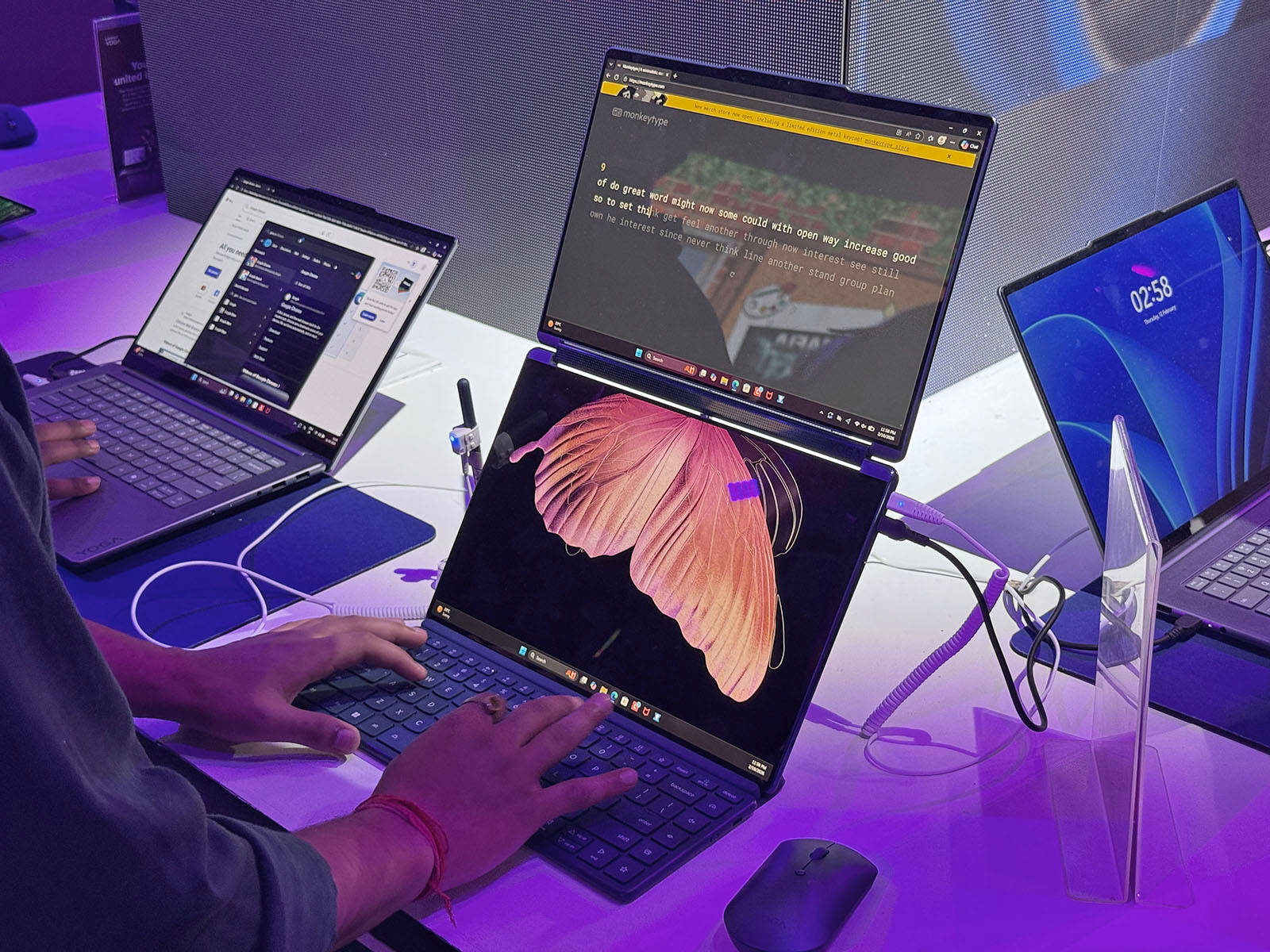
The Yoga Book 9i also includes a detachable Bluetooth keyboard that magnetically connects to the bottom display, turning the lower screen into a virtual touchpad or extended workspace. When attached, the second OLED panel can function as a responsive touchpad or launch custom shortcuts and widgets, giving users a flexible input experience without sacrificing screen real estate.
Under the hood, the Yoga Book 9i is powered by an Intel Core Ultra 7 255H processor paired with 16GB of LPDDR5X memory, an Intel Arc 140V GPU, and a 512GB PCIe 4.0 NVMe SSD, with a higher-end configuration offering 32GB RAM and a 1TB SSD for a modest price bump. This hardware combo should deliver excellent performance for everyday productivity, creative tasks, and even light gaming. It also offers fast connectivity with three Thunderbolt 4/USB Type-C ports, Wi-Fi 7, and Bluetooth 5.4.
Legion Glasses Gen 2
Another interesting piece of tech was the Legion Glasses Gen 2 which represent Lenovo’s second-generation gaming-focused AR/micro-OLED wearable. These glasses are designed to create a large, immersive virtual display from almost any USB Type-C device. Each eye is served by a 1920×1080 micro-OLED panel capable of up to 120Hz refresh rate, with a 43.5-degree field of view. According to Lenovo, these glasses can simulate a massive 126-inch screen when viewed from a few meters away, making them ideal for gaming, movies, or extended desktop screens without relying on a physical monitor.
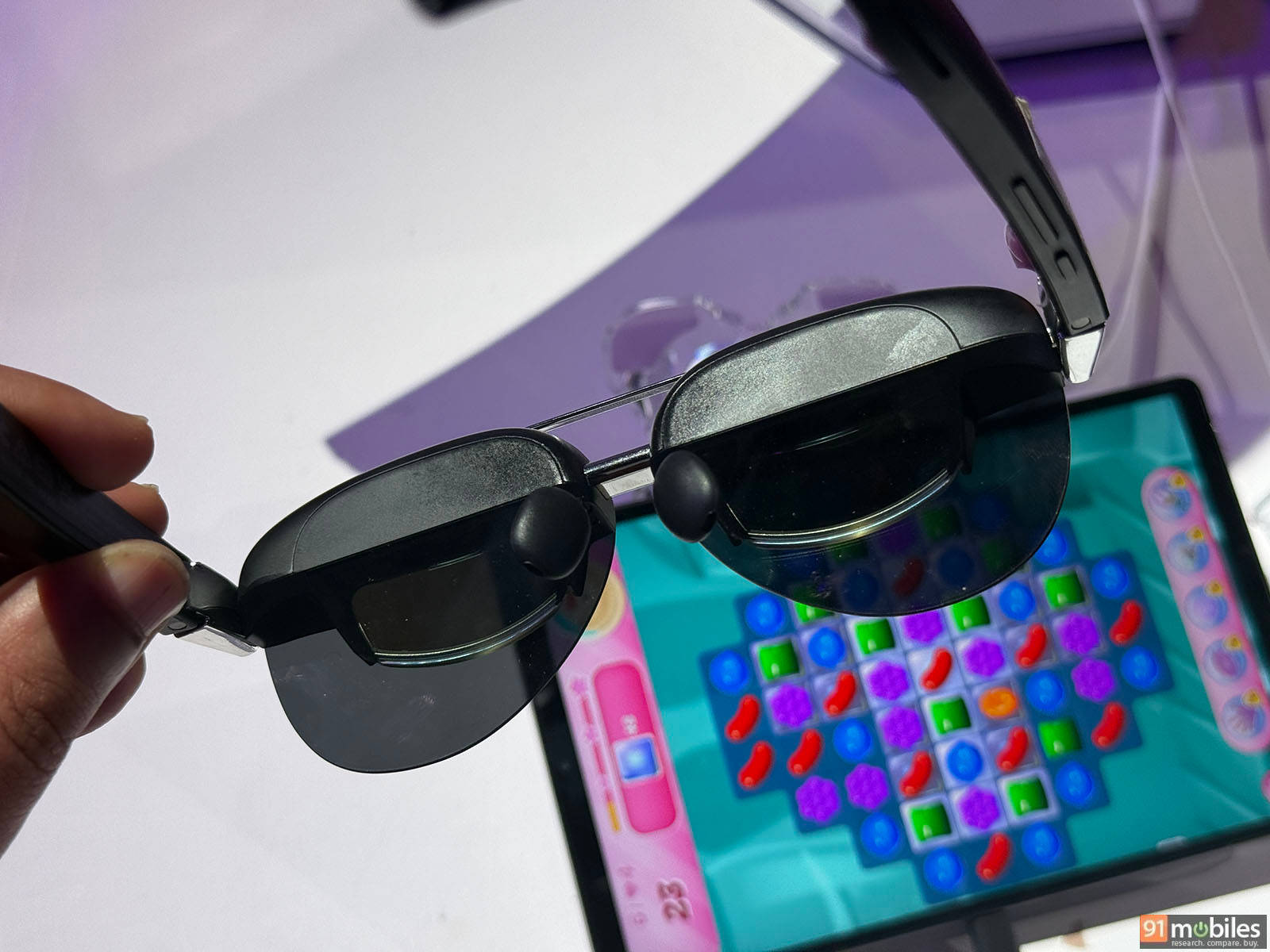
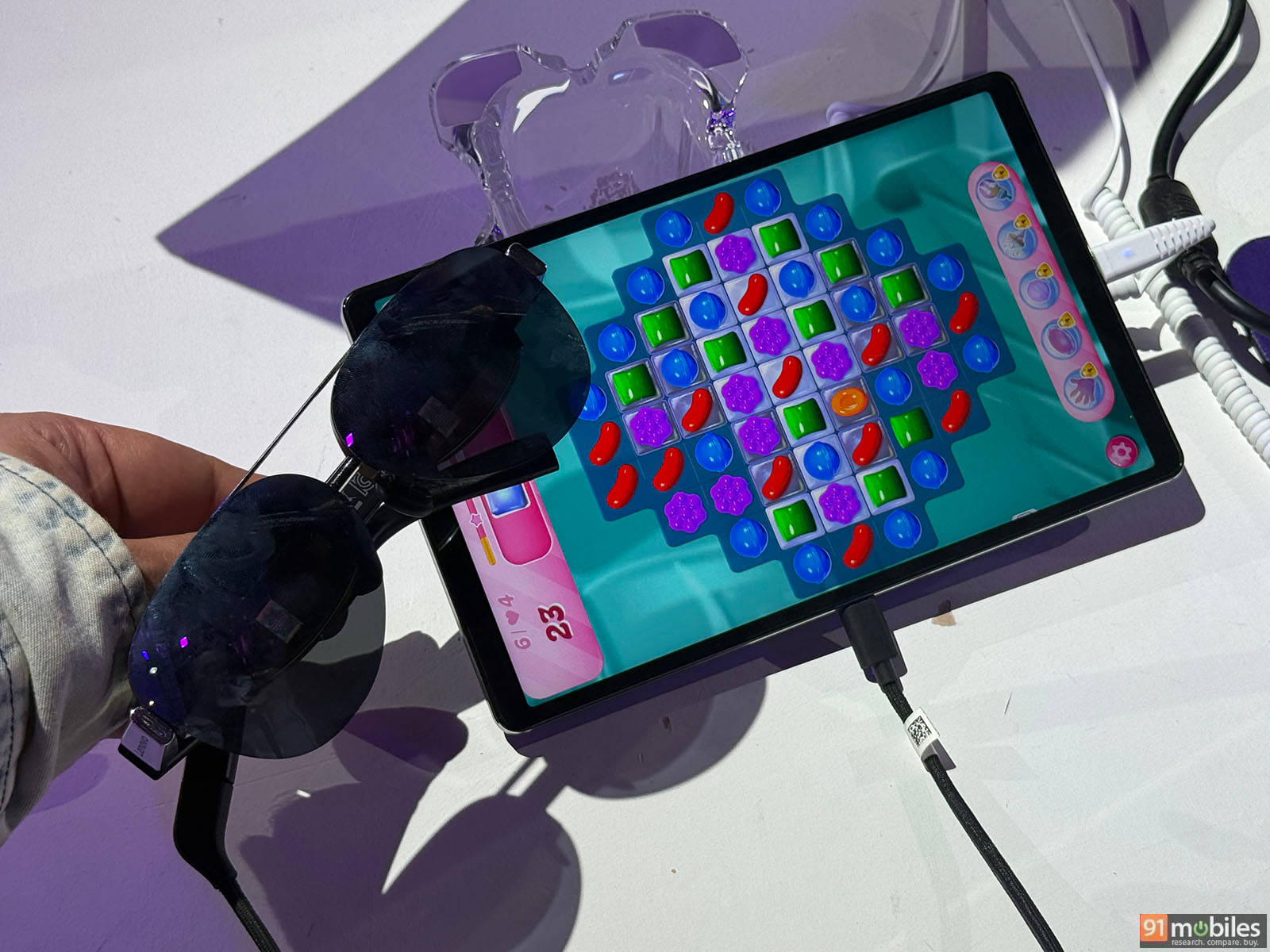
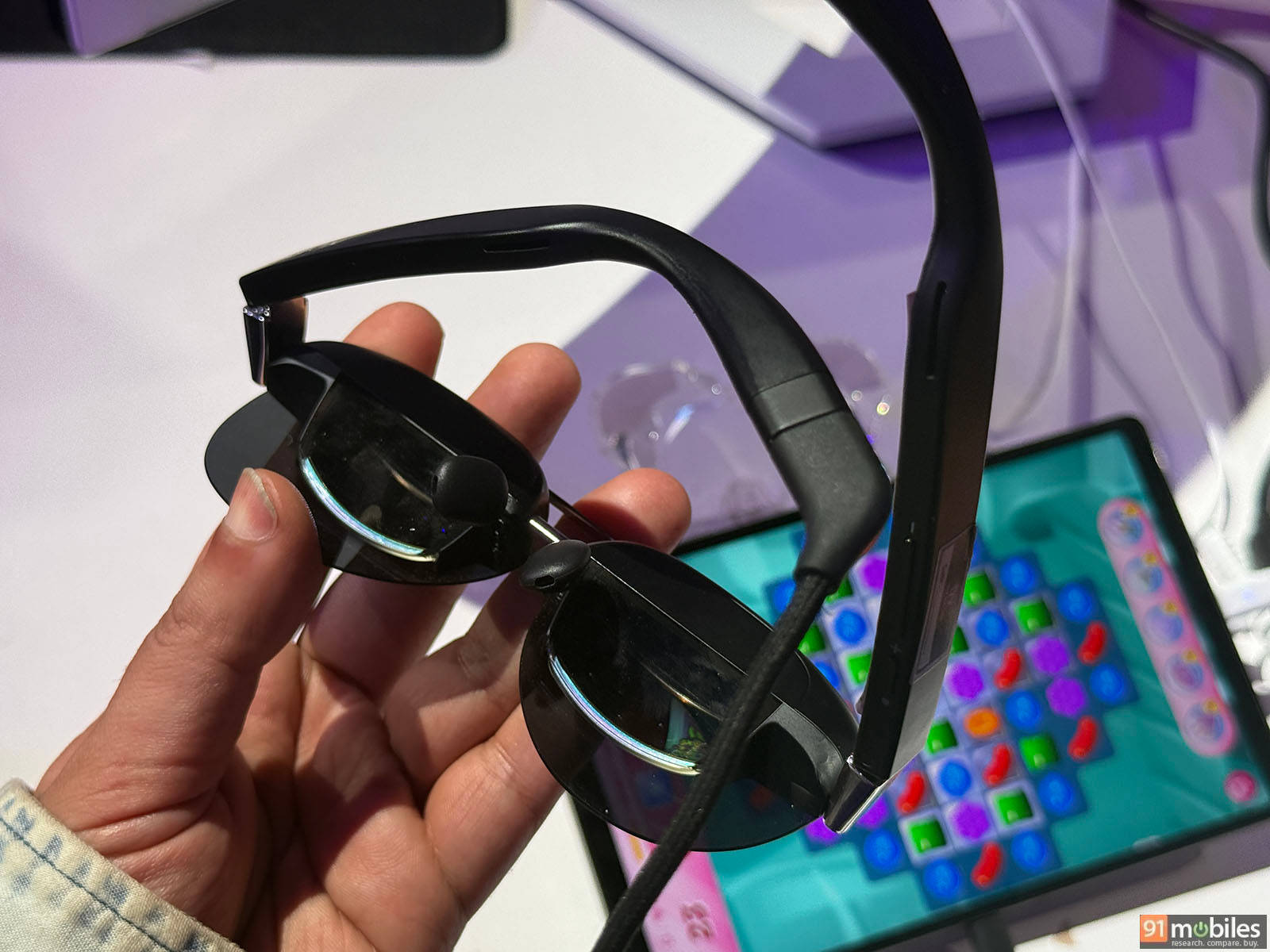
Weighing just 65-grams, the Legion Glasses Gen 2 are said to be lighter and more comfortable for longer sessions than their predecessor, with integrated stereo speakers and dual microphones for basic audio and communication. The glasses connect via USB-C with DisplayPort support, making them compatible not only with dedicated handhelds but also with laptops, tablets, and smartphones that support external displays. Lenovo also offers adjustable nose pads and an optional light shield to reduce environmental distractions. Honestly, I did find the aviator-style design to be a little out of my league, but overall they deliver a compelling plug-and-play personal display experience.
Additionally, all the current generation of Legion and LOQ gaming laptops were on display, showcasing powerful hardware configurations for both enthusiast and mainstream players, alongside a broader range of Android tablets designed for entertainment, productivity, and on-the-go connectivity. Immersive experiences were amplified with dedicated racing simulator setups and console gaming stations, giving attendees hands-on time with high-performance hardware and environments that highlighted Lenovo’s ecosystem approach across PC, gaming, and mobile hardware.