The FIFA World Cup has always been about jaw-dropping goals, last-minute drama, and millions of fans screaming at their TVs. But the 2026 edition is also shaping up to be one of the biggest technology showcases the tournament has ever seen.
Think about it. There are 48 teams, 104 matches, and 16 stadiums spread across the United States, Canada, and Mexico. Add billions of viewers from around the world into the mix, and suddenly the biggest challenge isn’t just scoring goals. It’s making sure every broadcast, offside decision, security check, and fan experience runs without a hitch.
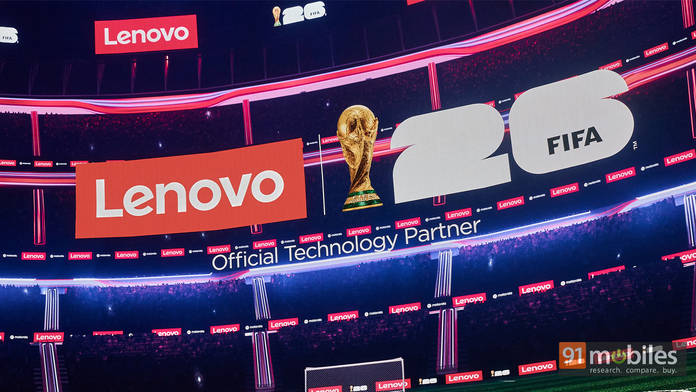
That’s exactly where Lenovo steps in. As FIFA’s Official Technology Partner, the company isn’t just slapping its logo on the sidelines. It’s building the digital backbone of the entire tournament with AI, edge computing, servers, and smart devices working behind the scenes.
Table of Contents
AI that wants to be your assistant coach
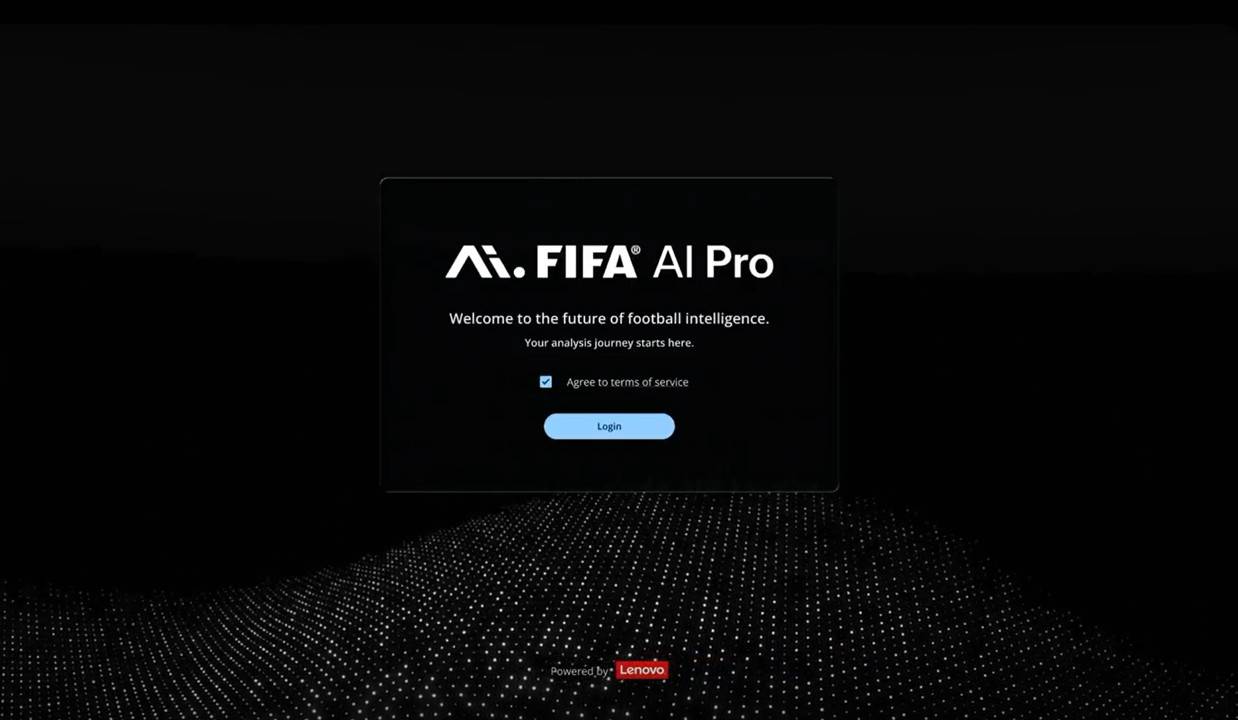
Football has become a game of data as much as talent. Teams today analyze everything from passing lanes to player movement, but not every nation has access to expensive analytics departments. Lenovo wants to change that with FIFA AI Pro.
Instead of making analysts dig through endless spreadsheets, the platform uses generative AI trained on FIFA’s football knowledge base to process millions of data points and more than 2,000 match metrics. Coaches can simply ask questions in natural language and get meaningful tactical insights within seconds. Want to know how the opposition defends late in the game? Curious about recurring patterns during corner kicks? FIFA AI Pro can surface those answers through summaries, visual charts, and even interactive 3D animations.
The biggest win here is accessibility. By making the same AI-powered insights available to every participating nation, smaller teams suddenly get access to tools that were previously reserved for football’s richest organizations.
Finally, a referee cam that won’t make everyone dizzy
Body cameras on referees sound like a brilliant idea until someone actually watches the footage. Between sprinting players, rapid head turns, and constant movement, traditional referee POV videos usually end up looking like a roller coaster ride. Lenovo’s Referee View AI Stabilizer fixes exactly that.
Every referee camera feed is processed locally at the stadium using edge computing instead of being sent to distant cloud servers. AI then stabilizes the footage in real time, significantly reducing shake and distortion without introducing noticeable delay.
For viewers, it means getting an immersive first-person look at crucial moments while actually being able to follow what’s happening. For officials, it adds another layer of transparency by letting audiences see major incidents from the referee’s own perspective. Safe to say, this could make those heated post-match debates a little more interesting.
The stadium might greet you before your friends do
The technology isn’t limited to what’s happening on the pitch. Lenovo is also bringing AI-powered holograms to fan zones and stadium concourses, turning waiting areas into interactive experiences.
Instead of static displays, visitors could be welcomed with personalized holographic messages, interact with digital football legends, or pose for futuristic photo opportunities alongside tournament mascots and virtual players. It’s one of those features that sounds straight out of a sci-fi movie, but it fits perfectly with FIFA’s push to make attending matches about more than just the 90 minutes on the field.
The coolest tech is probably the stuff nobody notices
Some of Lenovo’s biggest contributions won’t even be visible to fans. Behind the scenes, powerful ThinkSystem servers at the International Broadcast Centre handle enormous amounts of live video data, helping distribute match feeds with extremely low latency across venues and media centers.
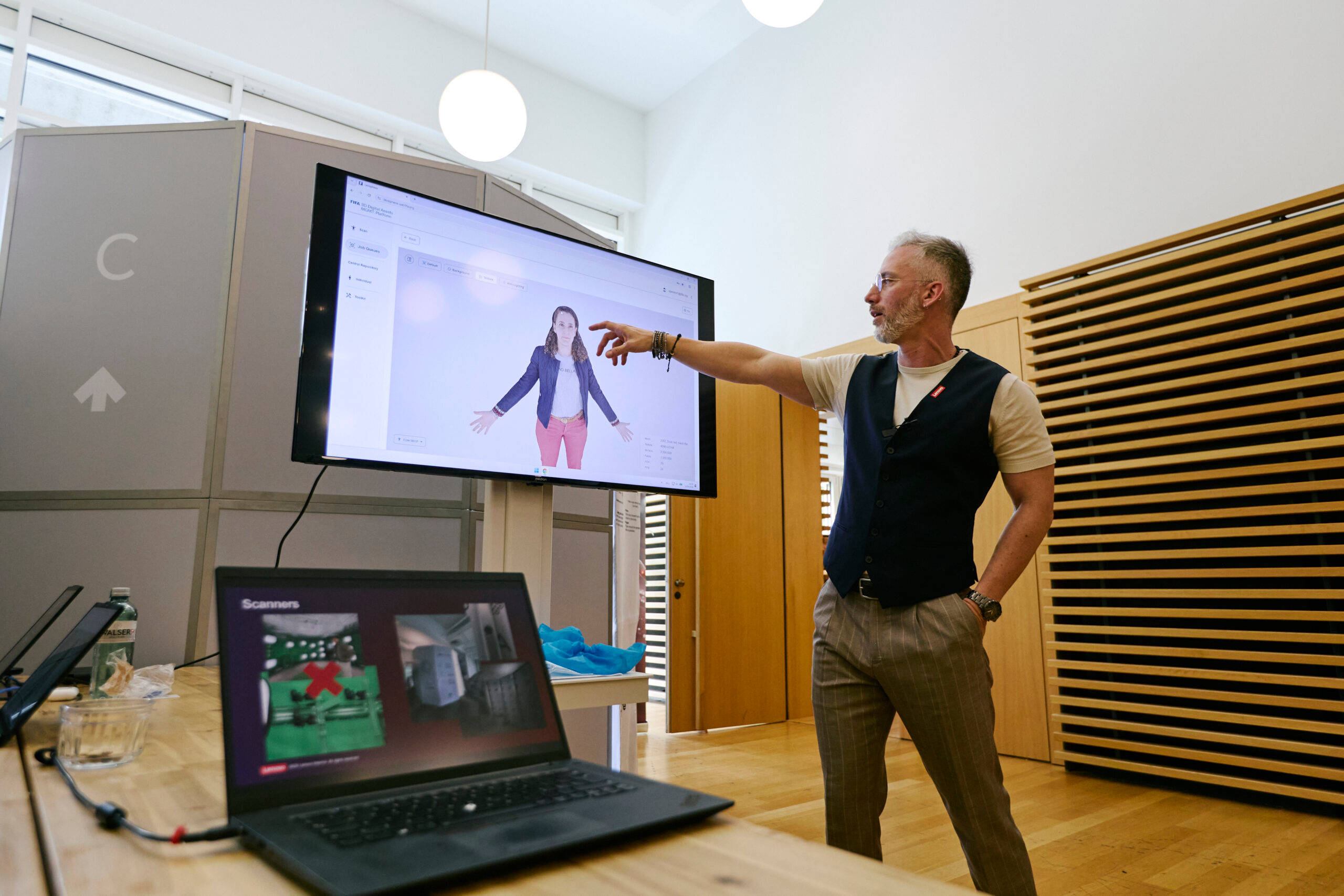
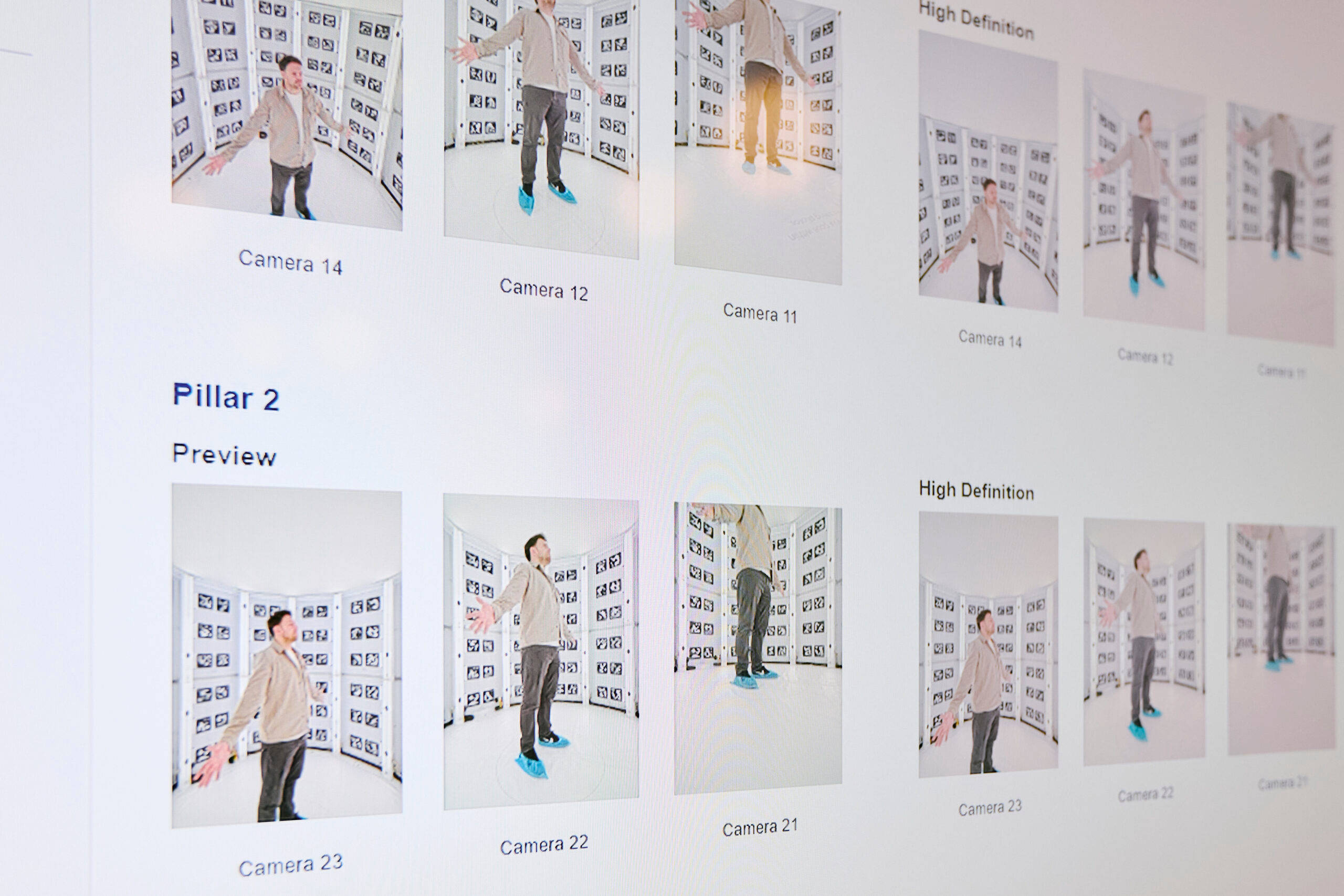
The same infrastructure also powers AI-generated 3D player avatars. Before the tournament begins, every player undergoes a rapid body scan that creates an accurate digital model. Combined with data from the sensor-equipped Adidas match ball, these avatars help FIFA’s semi-automated offside system generate faster and more precise decisions while showing fans easy-to-understand 3D visualizations.
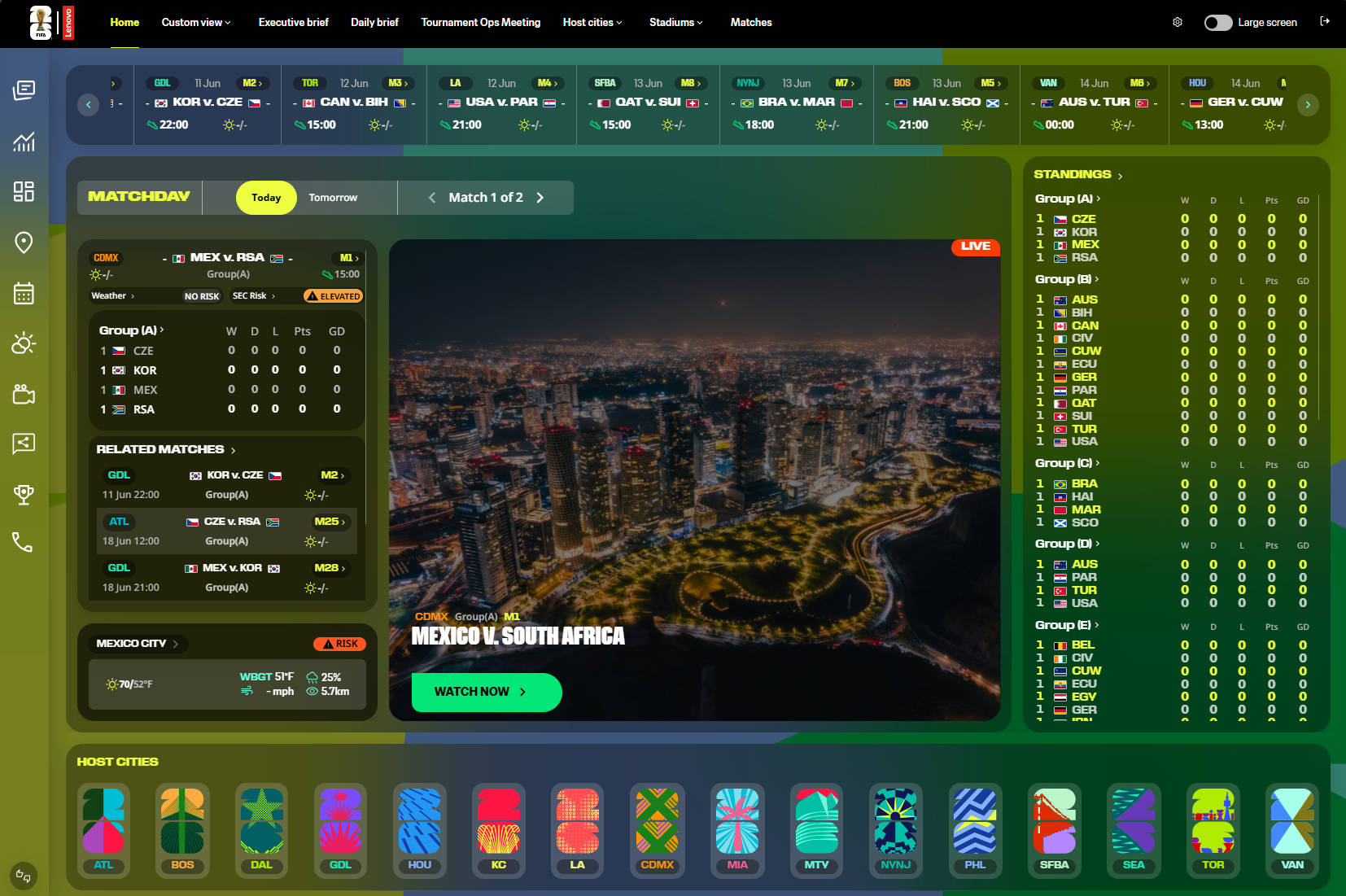
Away from the action, Lenovo’s Intelligent Command Center monitors digital twins of stadiums to oversee operations and crowd movement. Its Smart Wayfinding system can even analyze congestion in real time and suggest better routes for spectators trying to find their seats or navigate busy entrances.
In other words, the AI isn’t just helping referees. It’s helping fans avoid getting stuck behind that one person who always stops in the middle of a walkway.
You can even buy a piece of the tournament
The partnership doesn’t stop when the final whistle blows. Lenovo and Motorola are also launching FIFA World Cup 2026 special edition products, including custom versions of devices like the Motorola Razr, ThinkPad X1 Carbon, ThinkPad X9, Yoga Slim 7i Aura Edition, Idea Tab, and Legion Pro 7i.
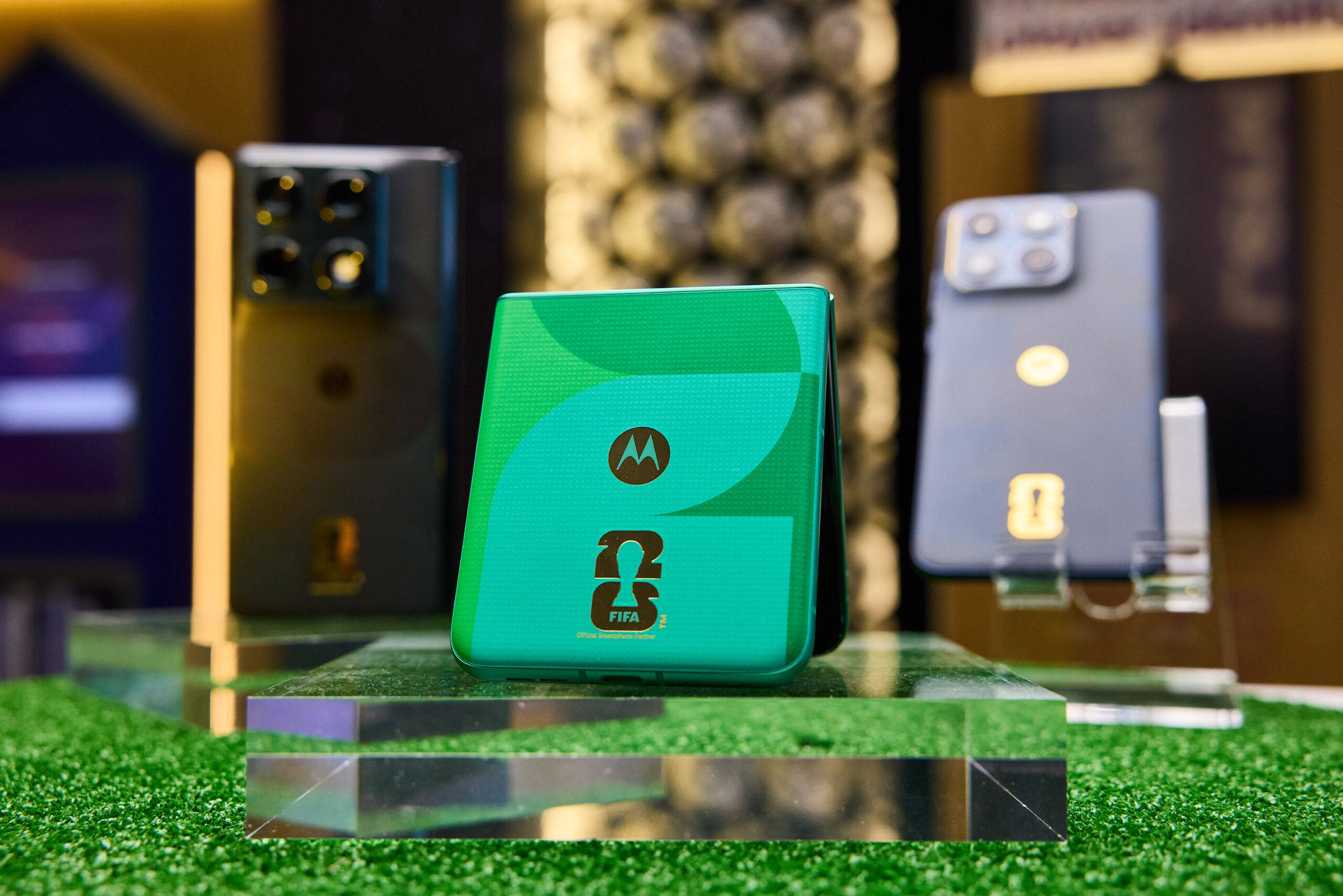
For football fans who also happen to love gadgets, it’s a chance to own hardware that celebrates one of the biggest sporting events in the world.
More than just a sponsorship
What’s fascinating about Lenovo’s role is that it goes far beyond branding. AI is helping coaches prepare smarter, giving referees new tools, improving broadcast quality, streamlining stadium operations, and making life easier for fans from the moment they enter the venue until they head home. By the time the first ball is kicked at the FIFA World Cup 2026, millions of people may never realize how much technology is quietly working in the background. But if everything goes according to plan, that’s probably the biggest compliment Lenovo could receive.