For years, the high-performance laptop sat behind a singular, rigid identity: the gaming rig. Wrapped in RGB lighting and built for heavy frame rates, it was an enthusiast’s luxury. But inside the bustling technology landscape of India, a quiet, massive shift has taken place. The silicon hasn’t just gotten faster; it has transformed into the primary engine for human productivity, creativity, and modern learning.
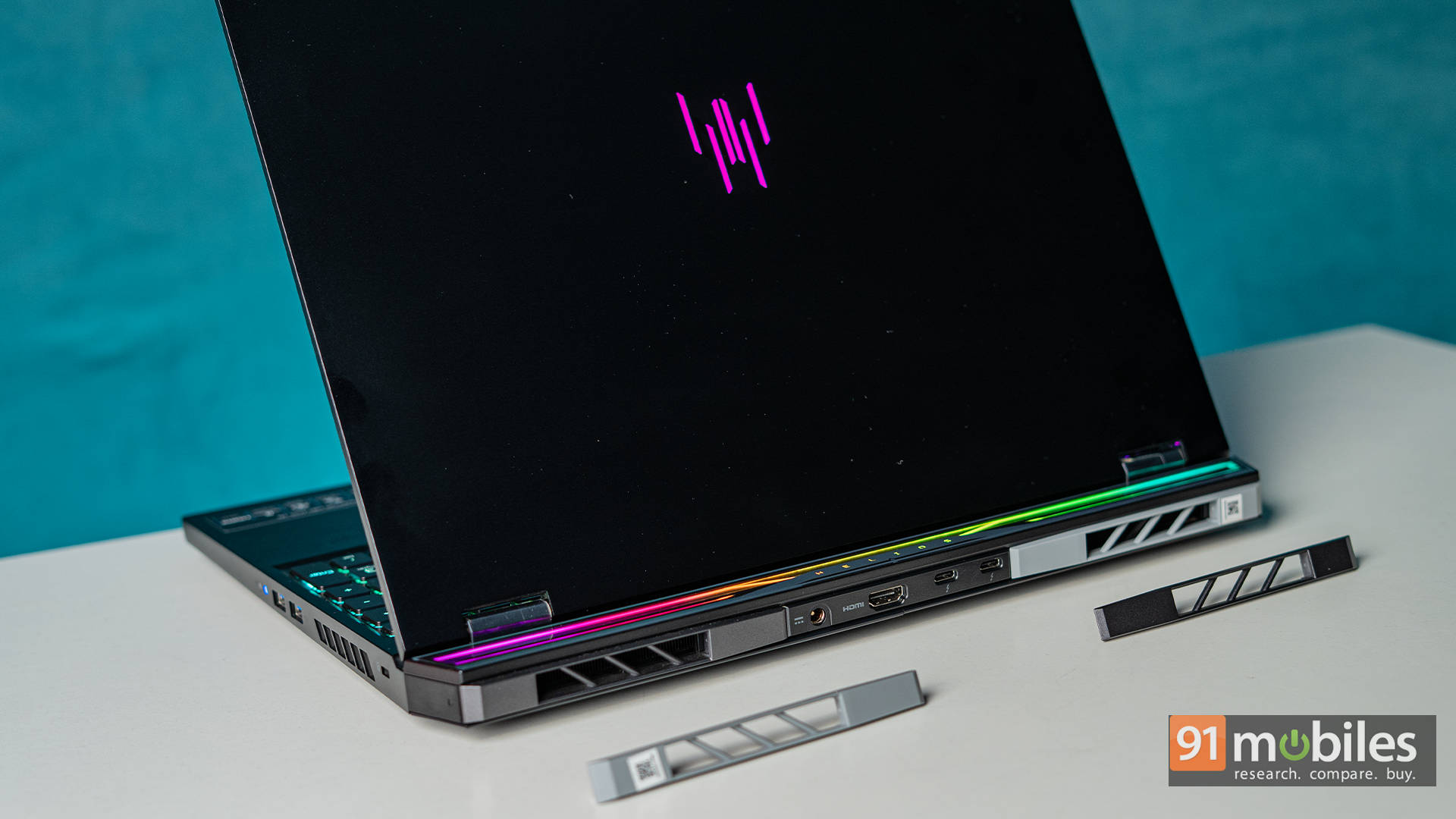
As G.S. Sondhi (Senior Director, Product Management Group, Acer India) reflects on Acer’s modern direction, the core transformation comes down to a single focus. “It’s all AI-centric,” Sondhi explains, pointing to how the shift is redefining consumer expectations.
“One is on the gaming side with a GPU… but a GPU laptop is a big word now. It can be used anywhere; it’s no longer just a gaming laptop. Now I want to reframe myself calling it a gaming laptop; it’s like a GPU laptop. People are using it not only for gaming, but for creative content, coding, everything.”
This shift isn’t occurring in a vacuum. It is being driven by a new generation of Indian consumers engineering students, architects, software developers, and creators who demand hardware capable of surviving four- to five-year lifecycles while handling increasingly complex workloads. As artificial intelligence advances from text generation into autonomous workflows, hardware requirements are shifting in real time.
“Generative AI is more common; Agentic AI is the new buzzword. And all of this you can do with a GPU-based laptop. That is why we see more and more traction happening in the student fraternity. They see a laptop lifecycle for at least four or five years, so they want to invest at the right time.”
Unlike global markets where feature adoption can be passive, the Indian buyer approaches personal technology with extreme intentionality and deep technical awareness. The traditional buffer where global hardware releases took six months to reach Indian shores has collapsed down to mere weeks, matching an audience that tracks reviews long before products hit local shelves.
“Indian customers are much more educated out there, and they know what they want. They want to have the right price for the right product. They don’t want to compromise just for price… I see Indian customers are much wiser and much more educated as compared to any other customer in the world.”
This high expectation shapes how Acer approaches engineering for the subcontinent. Balancing price sensitivity with top-tier performance means prioritising the non-negotiables: thermal efficiency, long-lasting battery life, and vivid displays like OLED. Whether designing an accessible laptop for students preparing for online competitive exams in Tier 2 and Tier 3 cities or building a high-end machine for specialised developers, the foundational hardware design must remain uncompromising.
“When you are developing any product, the thermals are most important. Especially with an AI PC, which can unveil the real power of the machine, you have to have the right thermal out there; that is the key point.”
Looking across India’s digital landscape, the horizon for personal computing remains vast. With laptop penetration currently sitting around 20%, the vast majority of the potential market remains untapped, representing an extraordinary landscape for growth as digital curricula expand far beyond traditional tech hubs.
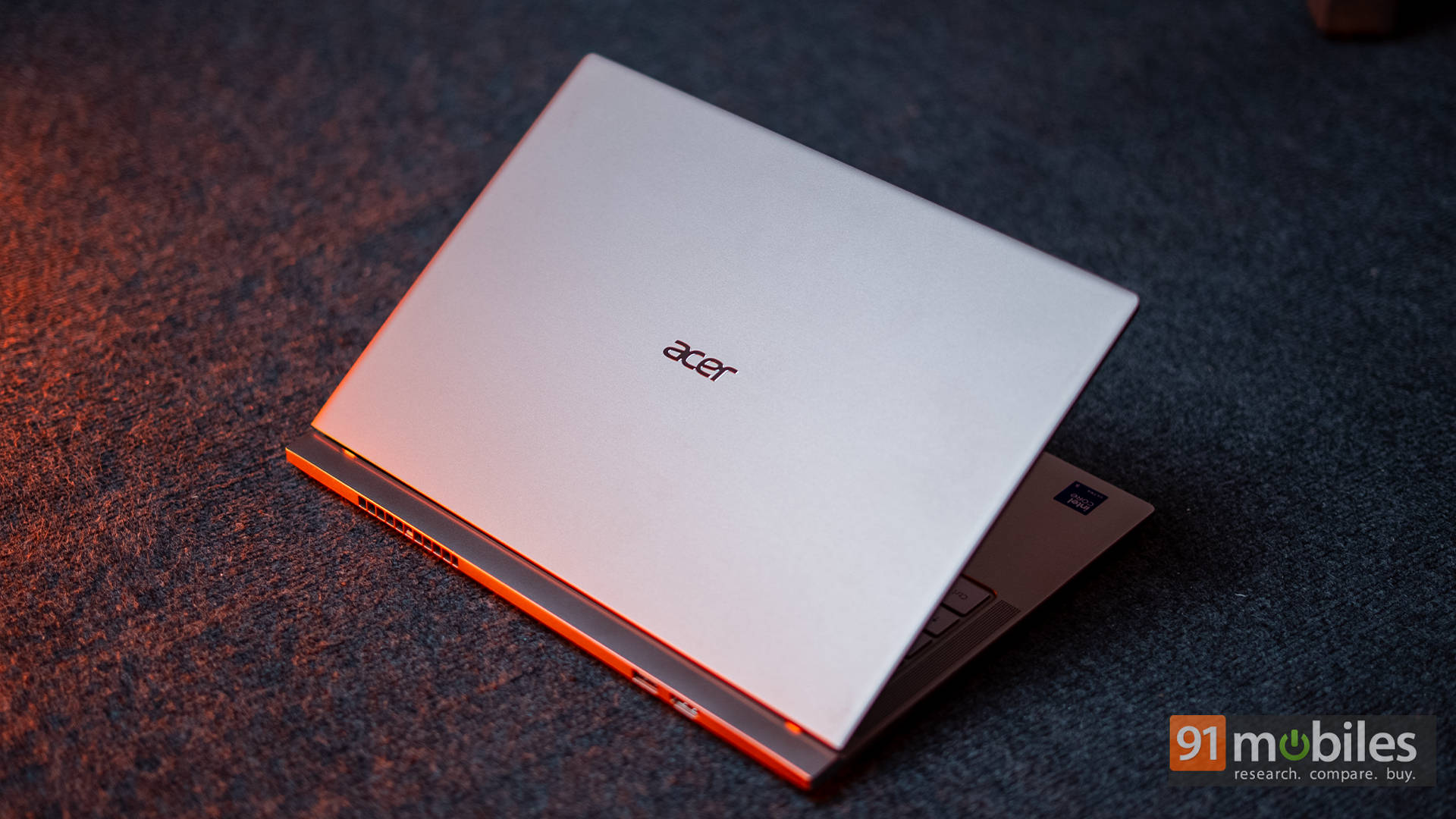
As technology evolves from desktop tools to intelligent agents, the machine on the desk is becoming an active partner in daily work.
“Agentic AI, if you really look at it, is going to change the way we use our devices. You have one PC, and it takes care of everything… It keeps on evolving, and we just have to keep evolving with it.”