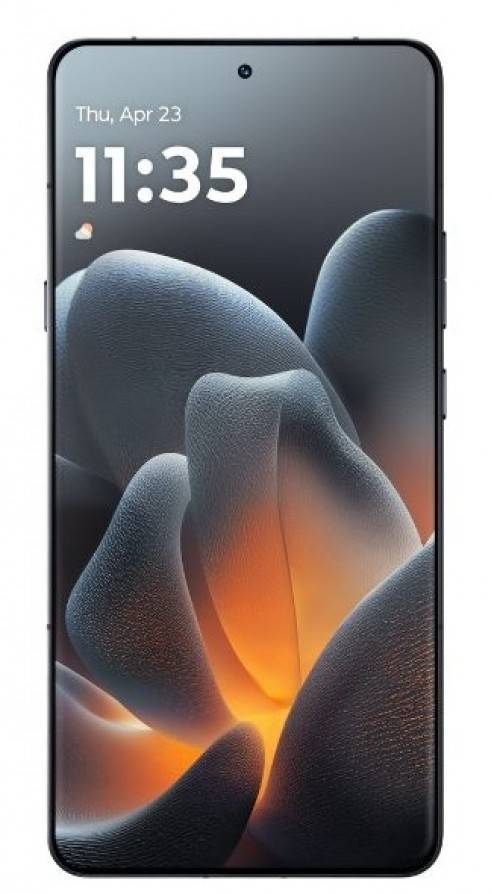
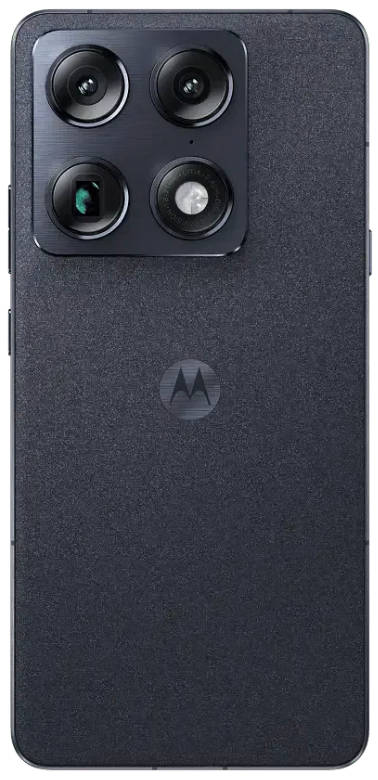
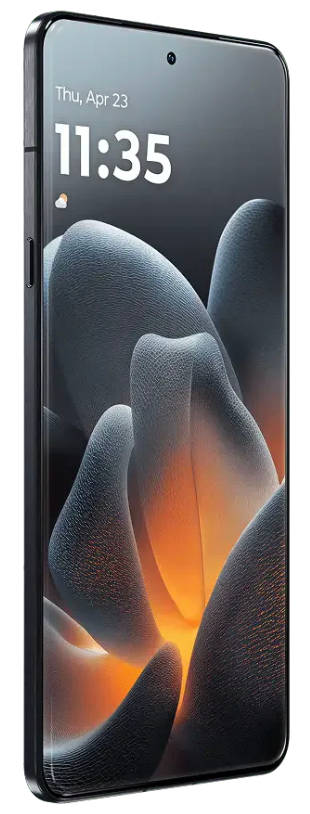
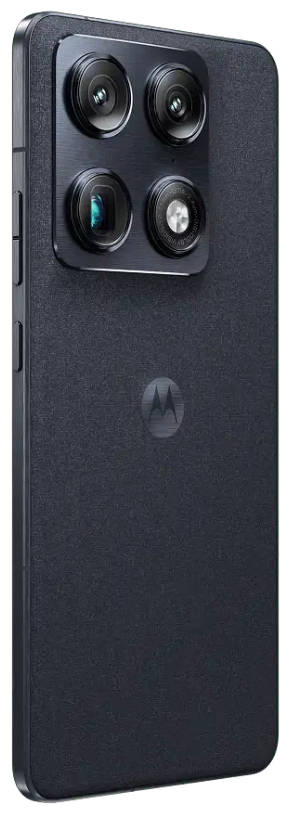
The recently launched Motorola Edge 70 Max and Motorola Signature (review) are flagship offerings from the same brand and are priced almost identically. However, both have been built for entirely different purposes. The Motorola Edge 70 Max is designed for gamers, while the Motorola Signature prioritises a lifestyle-focused experience. Here’s a quick specs-based comparison of the two to find out which one is the better choice for you.
Specs at a glance
| Specs | Motorola Edge 70 Max | Motorola Signature |
| Dimensions & weight | 164 x 77 x 8.29mm, 221 grams | 162.1 x 76.4 x 6.99mm, 186 grams |
| Durability | IP68/ IP69, MIL-STD-810H | IP68/ IP69, MIL-STD-810H |
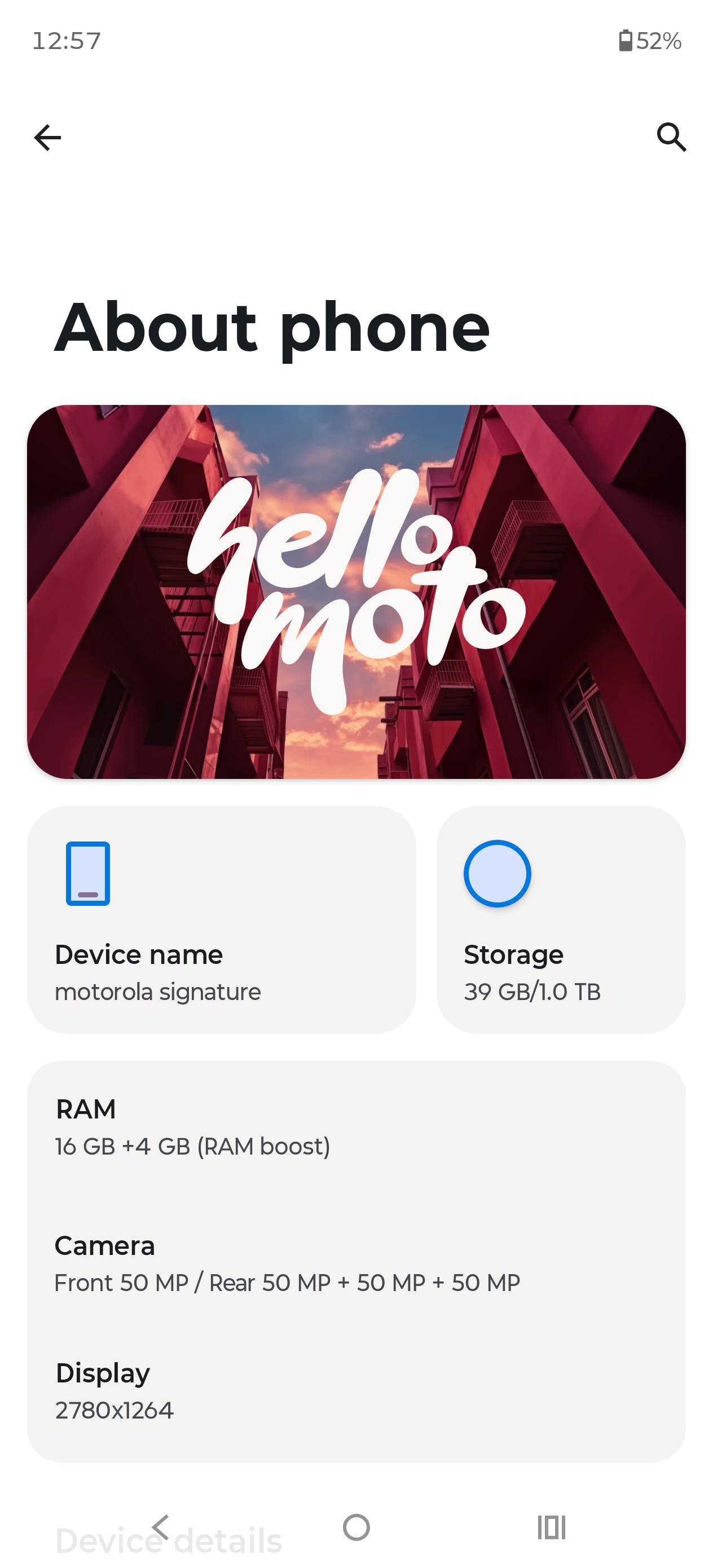
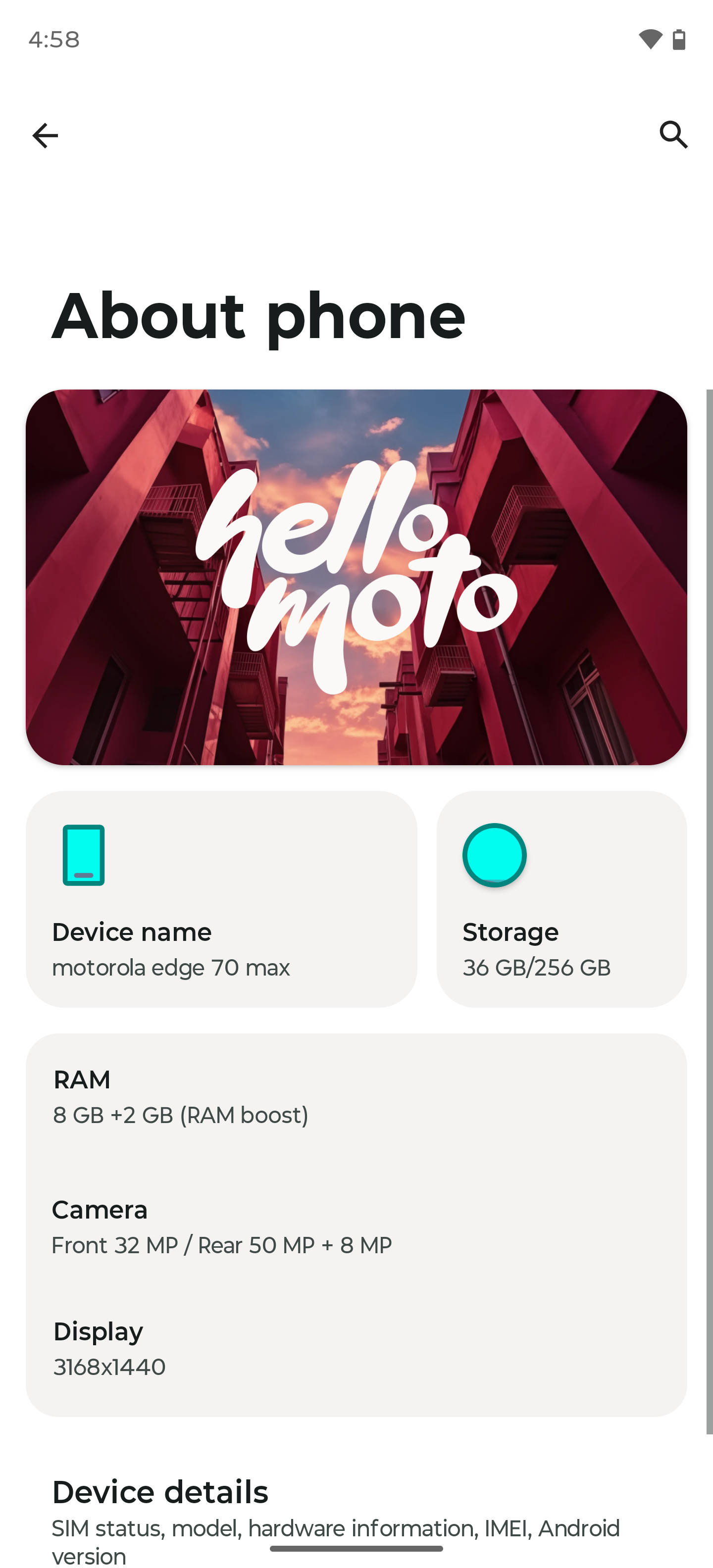
| Display | 6.8-inch QHD+ AMOLED, 144Hz refresh rate, 7,000 nits brightness | 6.8-inch FHD+ AMOLED, 165Hz refresh rate, 6,200 nits brightness |
| Chipset | Snapdragon 8 Gen 5 | Snapdragon 8 Gen 5 |
| Software | Hello UI, Android 16 | Hello UI, Android 16 |
| Rear camera | 50MP + 8MP | 50MP + 50MP + 50MP |
| Front camera | 32MP | 50MP |
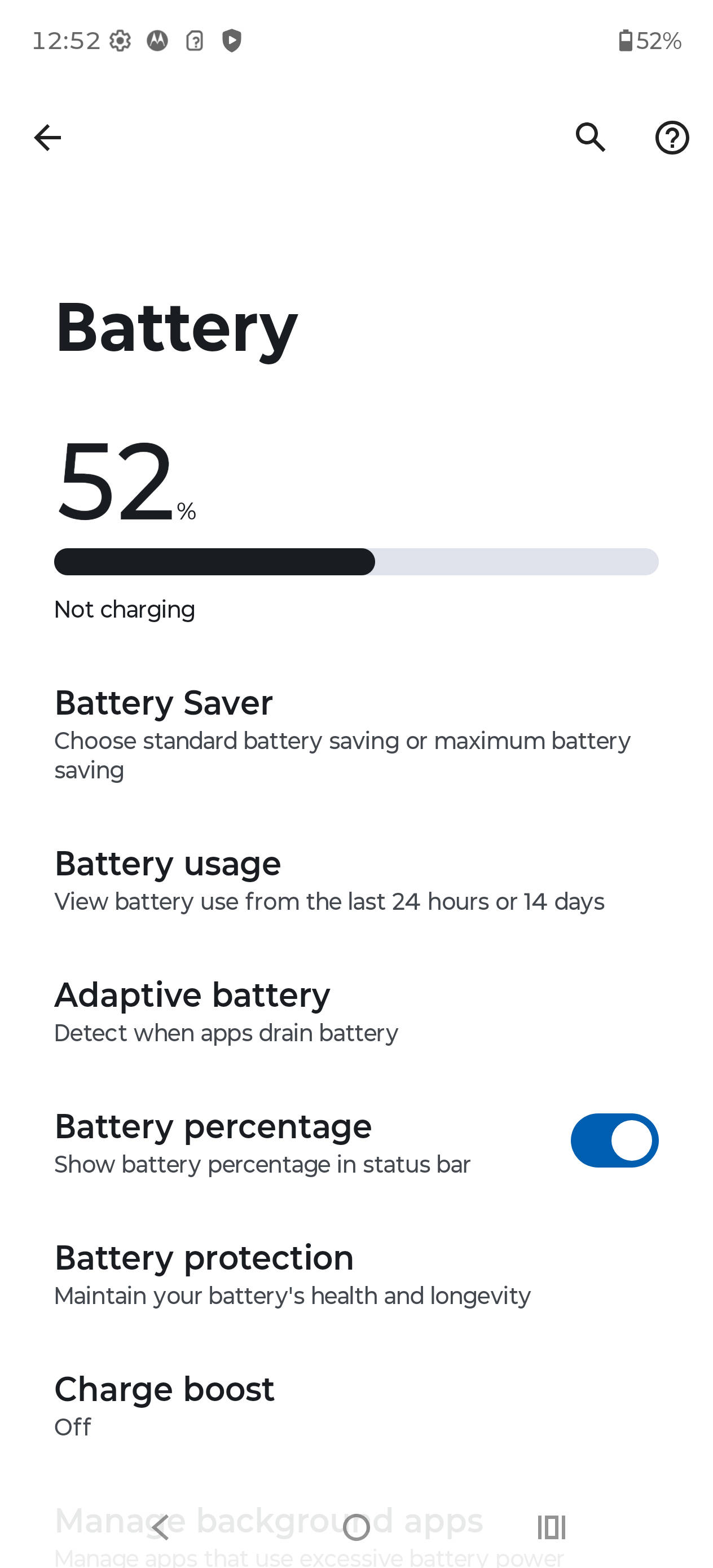
| Battery | 7,100mAh, 90W wired, 25W wireless charging | 5,200mAh, 90W wired, 10W wireless charging |
Table of Contents
Motorola Edge 70 Max vs Signature price in India
The Motorola Edge 70 Max has been competitively priced in India at Rs 54,999 for its base 8GB RAM + 256GB storage option. Its top-end 12GB RAM variant costs Rs 58,999. The handset will be available for sale via Flipkart from July 20th with an early bird discount of Rs 5,000 – effectively bringing its price down to Rs 49,999.
The Motorola Signature, on the other hand, was launched in India back in January at Rs 59,999 for its base 12GB RAM and 256GB storage variant. The handset also comes in 16GB + 512GB and 16GB + 1TB configurations, which cost Rs 64,999 and Rs 69,999. However, the handset is currently selling with a Rs 2,500 instant discount across variants on e-commerce platform Flipkart, bringing its price down to Rs 57,499.
| Smartphone | Motorola Edge 70 Max | Motorola Signature |
| 8GB + 256GB | Rs 54,999 | NA |
| 12GB + 256GB | Rs 58,999 | Rs 59,999 |
| 16GB + 512GB | NA | Rs 64,999 |
| 16GB + 1TB | NA | Rs 69,999 |
Design
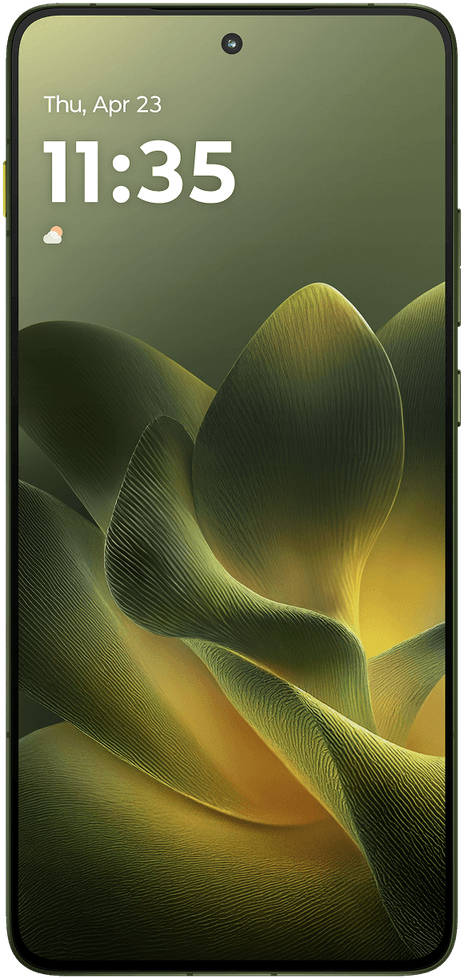
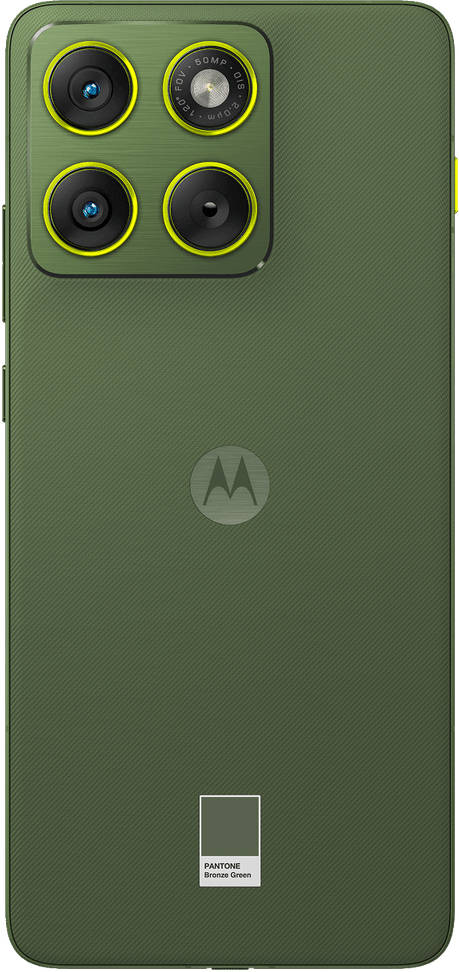
As observed in the Motorola Edge 70 Max first impressions, the smartphone features flat edges instead of the curved ones seen on previous Edge-series models. This change has been made deliberately to minimise accidental touches while holding the phone horizontally during gaming. However, if you’re coming from an older Motorola smartphone, the Edge 70 Max may feel slightly bulky in the hand. This is largely due to its weight of over 221 grams and its 8.29mm thickness.
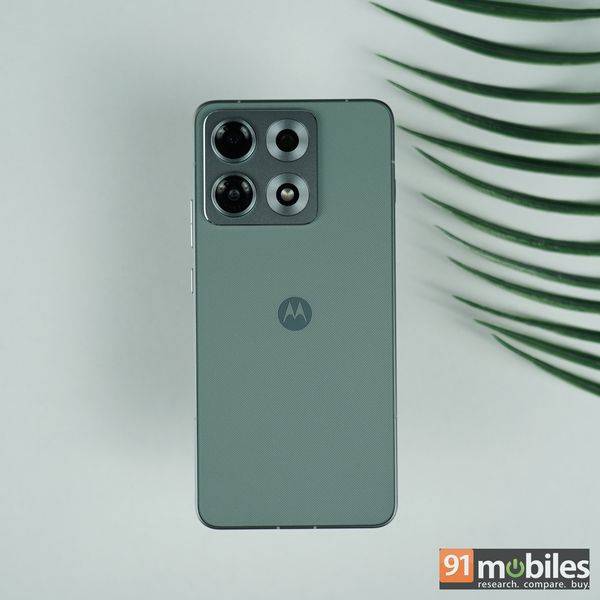
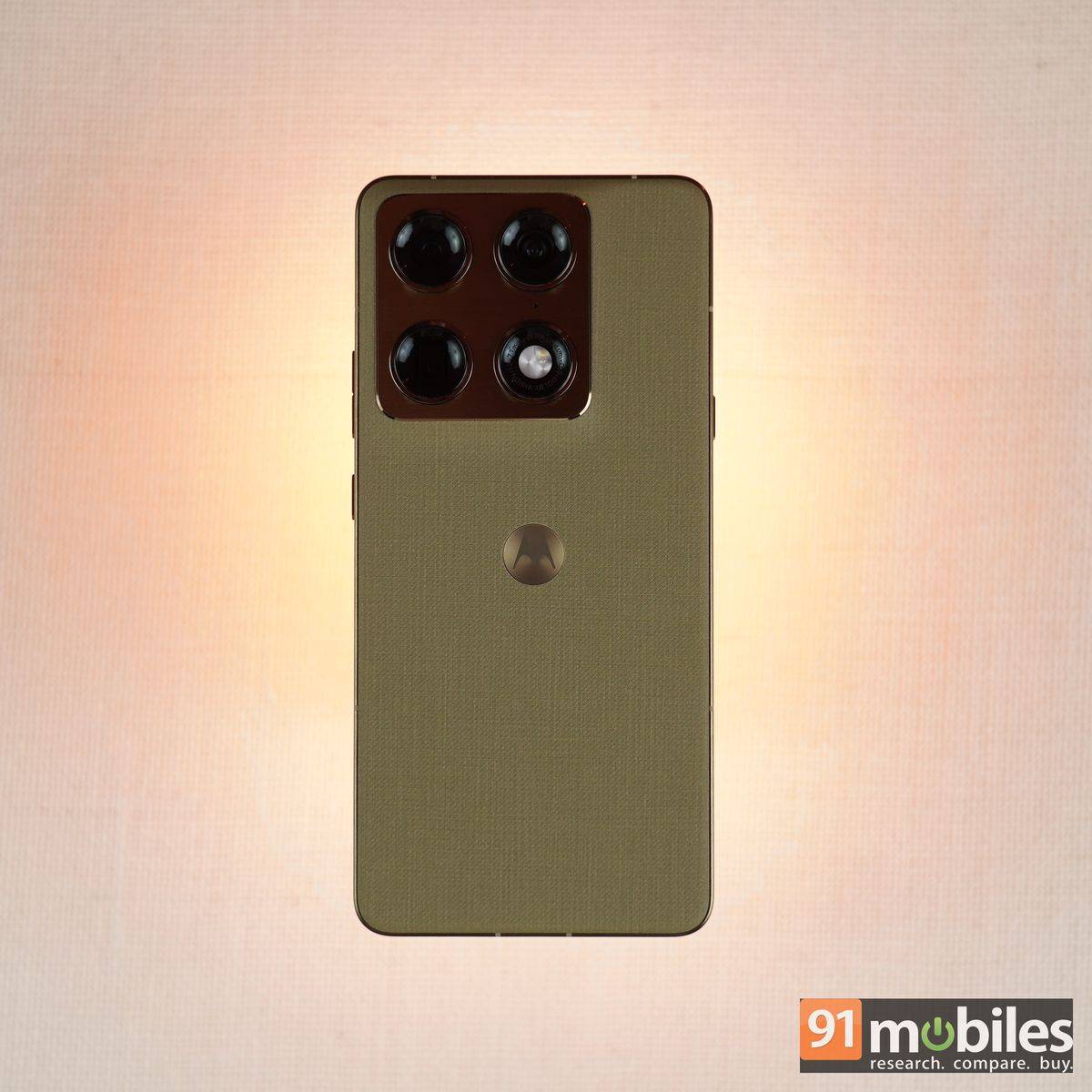
Besides that, the Edge 70 Max flaunts a glass back instead of fabric/ psuedo leather/ wooden finish. The handset is IP68/IP69 water and dust resistance certified, along with MIL-STD-810H military-grade durability safeguarding it from minor drops and falls. The durability level is on par with the more expensive Motorola Signature. However, the latter is sleeker and easier to manage – despite being relatively wider.
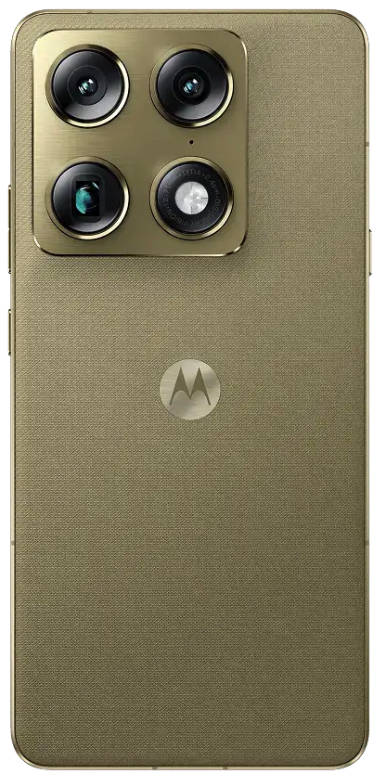
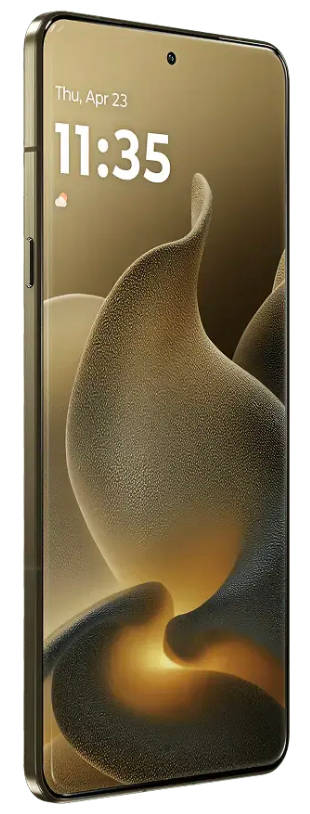
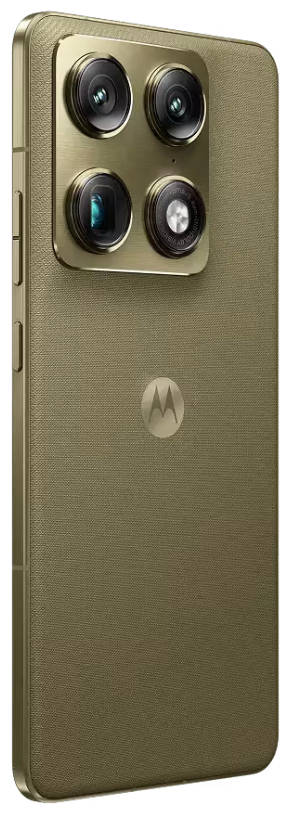
The Motorola Signature weighs just 186 grams and measures 7mm in thickness, making it easier to hold and more pocket-friendly. The handset also features gently curved edges, which did not result in any accidental touches during my time with the device. However, I’m not a hardcore gamer, so I’m probably not the best person to judge its performance in that regard.
| Smartphone | Thickness | Weight | IP Rating |
| Motorola Edge 70 Max | 8.29 mm | 221 grams | IP68 +IP69 |
| Motorola Signature | 6.99 mm | 186 grams | IP68 +IP69 |
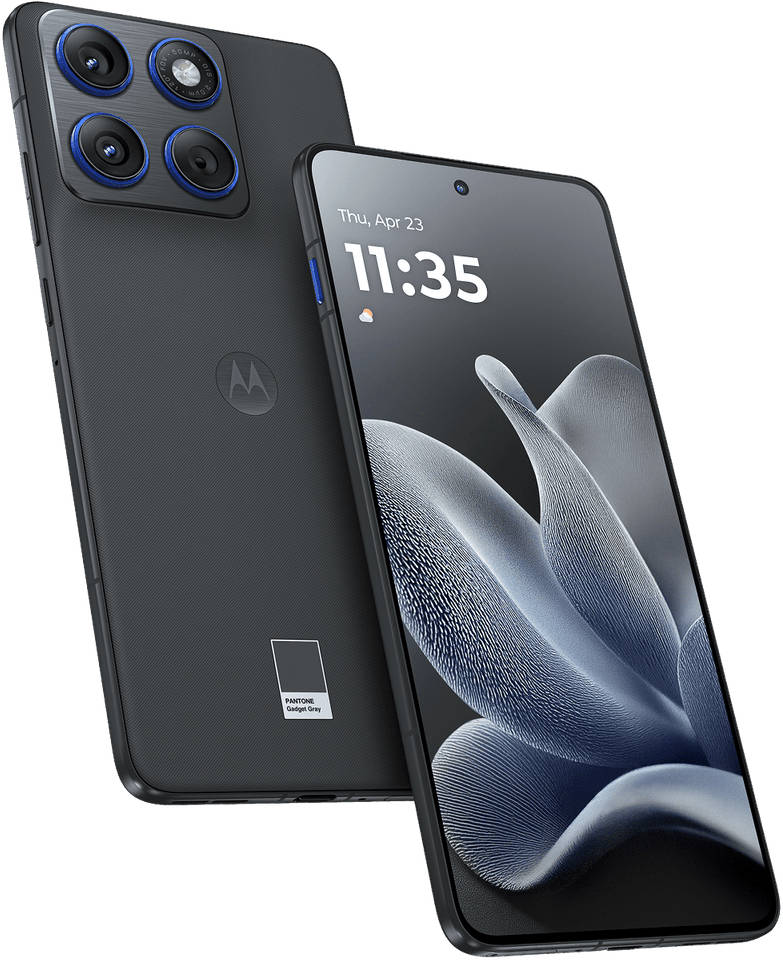
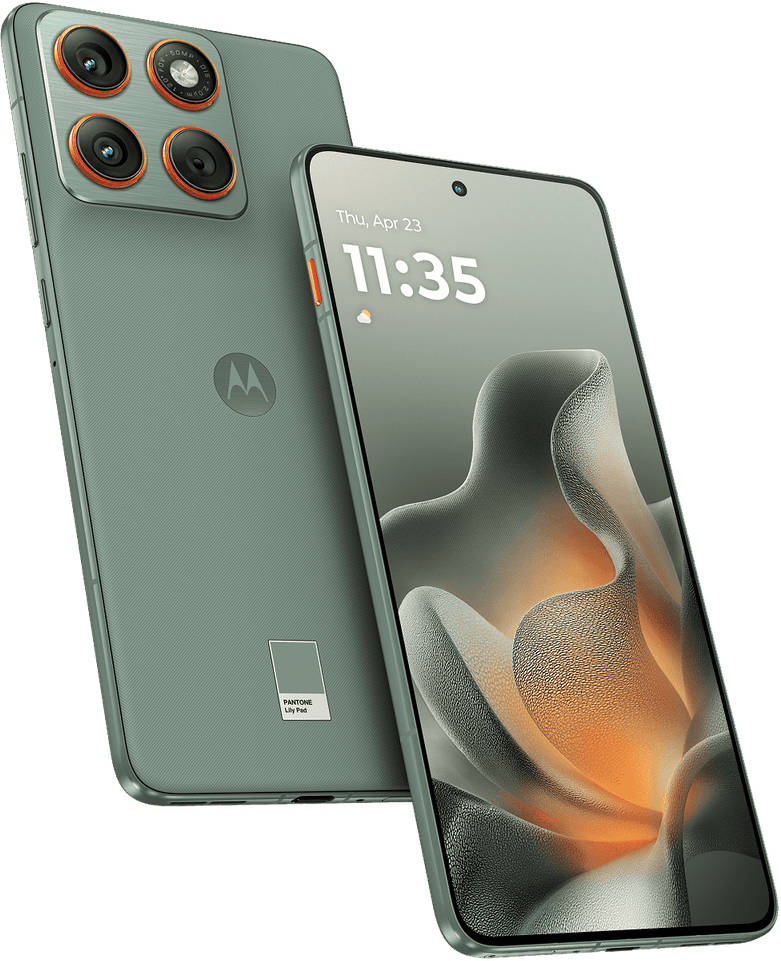
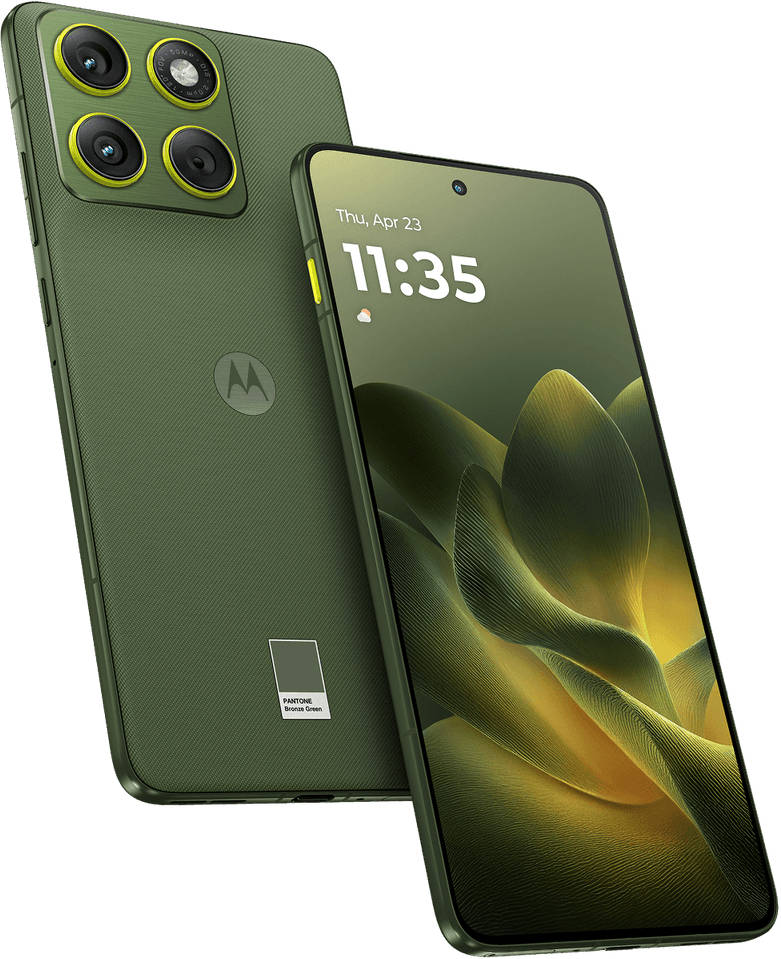
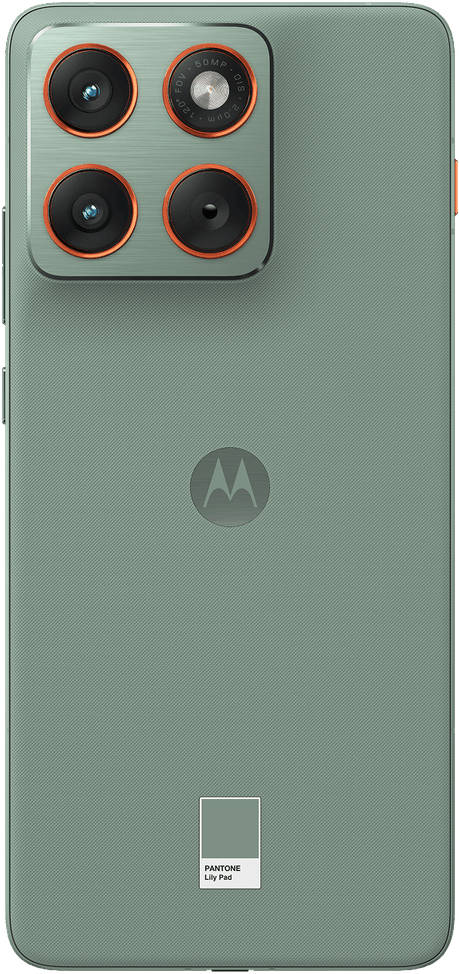
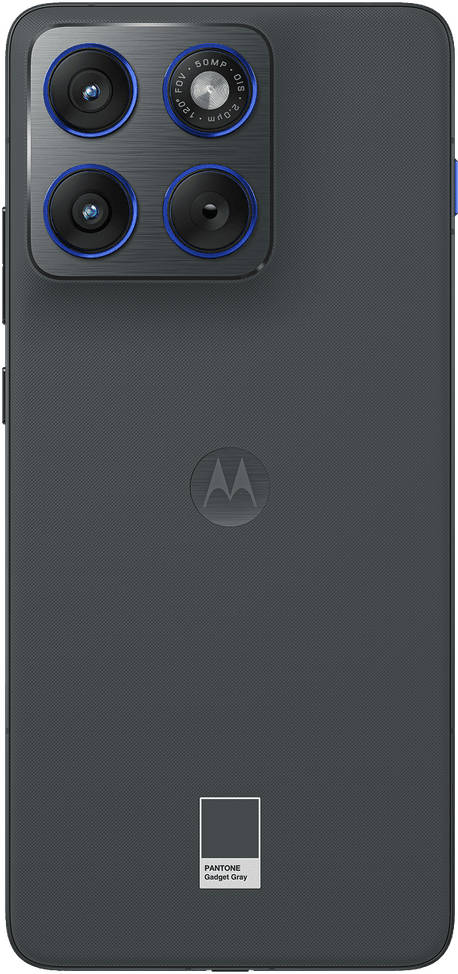
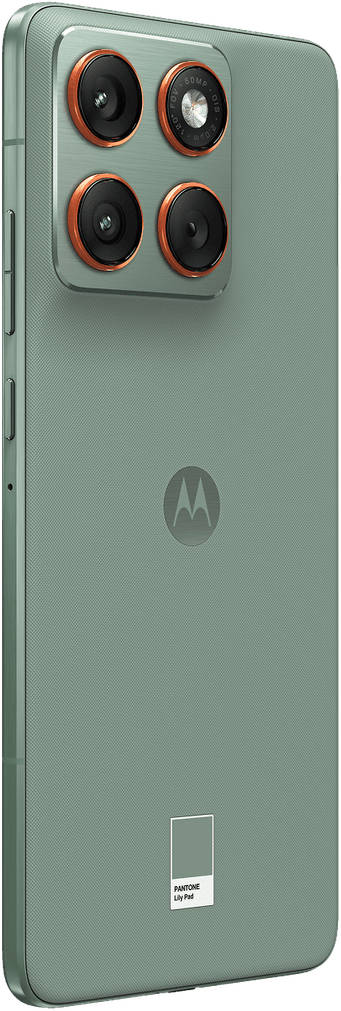
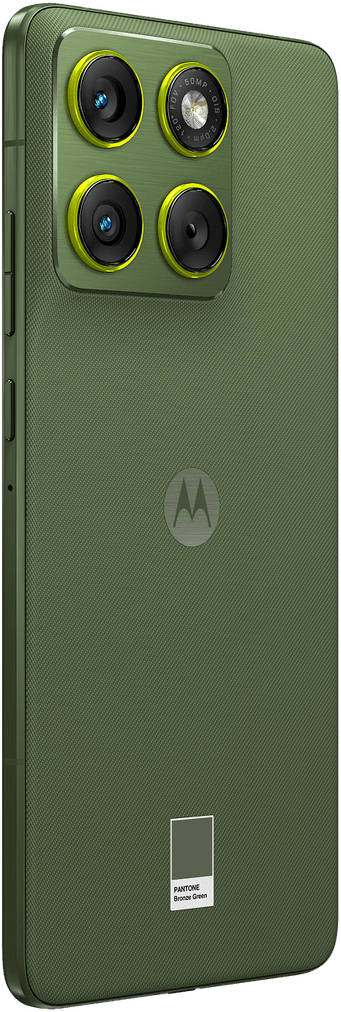
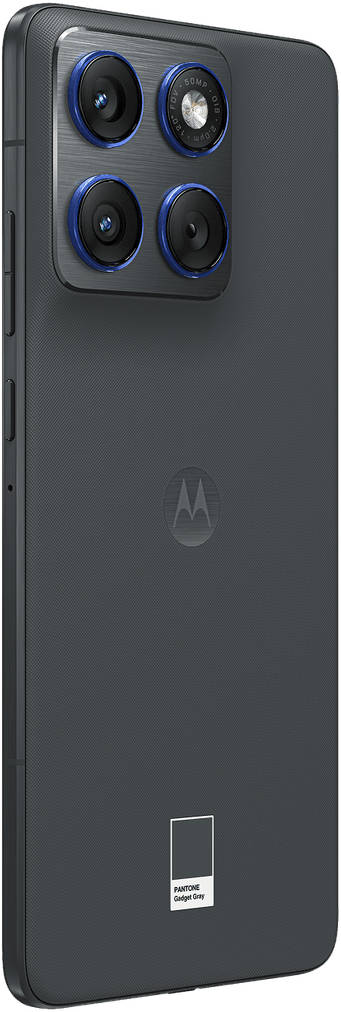
The Motorola Signature comes in Pantone Carbon and Pantone Martini Olive colour options – both with fabric finish. The Edge 70 Max, meanwhile, comes with a glass finish across its Pantone-certified colour options: Aqua Grey, Dark Shadow, and Ice Melt.
Display
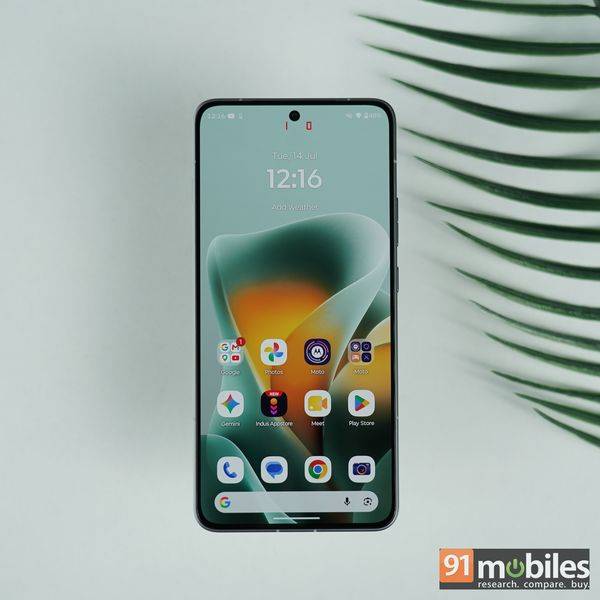
The Motorola Signature and Edge 70 Max both ship with a near bezel-less centre punch-hole 6.8-inch 10-bit OLED LTPO display. However, on paper, the Edge 70 Max’s screen much more promising with Quad HD+ (2k) resolution and 7,000 nits brightness, alongside the usuals – HDR10+ support, water touch, and 100 percent DCI-P3 colour gamut.
| Smartphone | Display | Peak Brightness |
| Motorola Edge 70 Max | 6.8 inches - Extreme AMOLED (Curved Display) | 7000 nits |
| Motorola Signature | 6.8 inches - AMOLED | 6200 nits |
However, despite being a gaming-focused smartphone, its peak dynamic refresh rate of 144Hz is lower than that of the Motorola Signature. The Signature’s 6.8-inch display supports a dynamic refresh rate of up to 165Hz, which should translate to slightly smoother visuals. That said, the difference is unlikely to be easily noticeable in everyday use. While the Signature also supports Dolby Vision, its display is limited to an FHD+ resolution and a peak brightness of 6,500 nits.
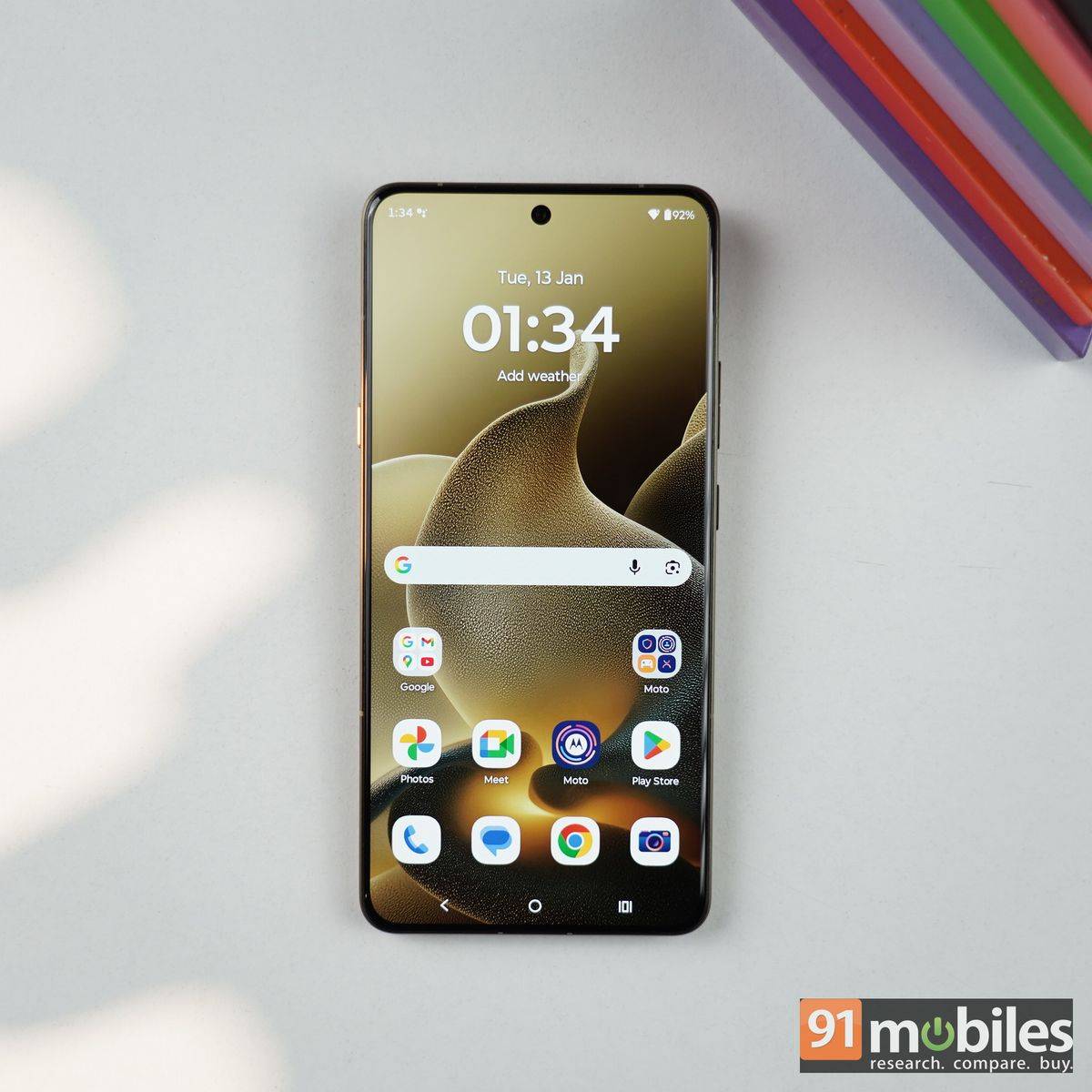
Both smartphones ship with dual stereo speakers, backed by Dolby Atmos and Hi-Res Audio. Theoretically, the handsets should deliver identical listening experience, but the Signature has its speakers fine-tuned by Bose.
Performance and software
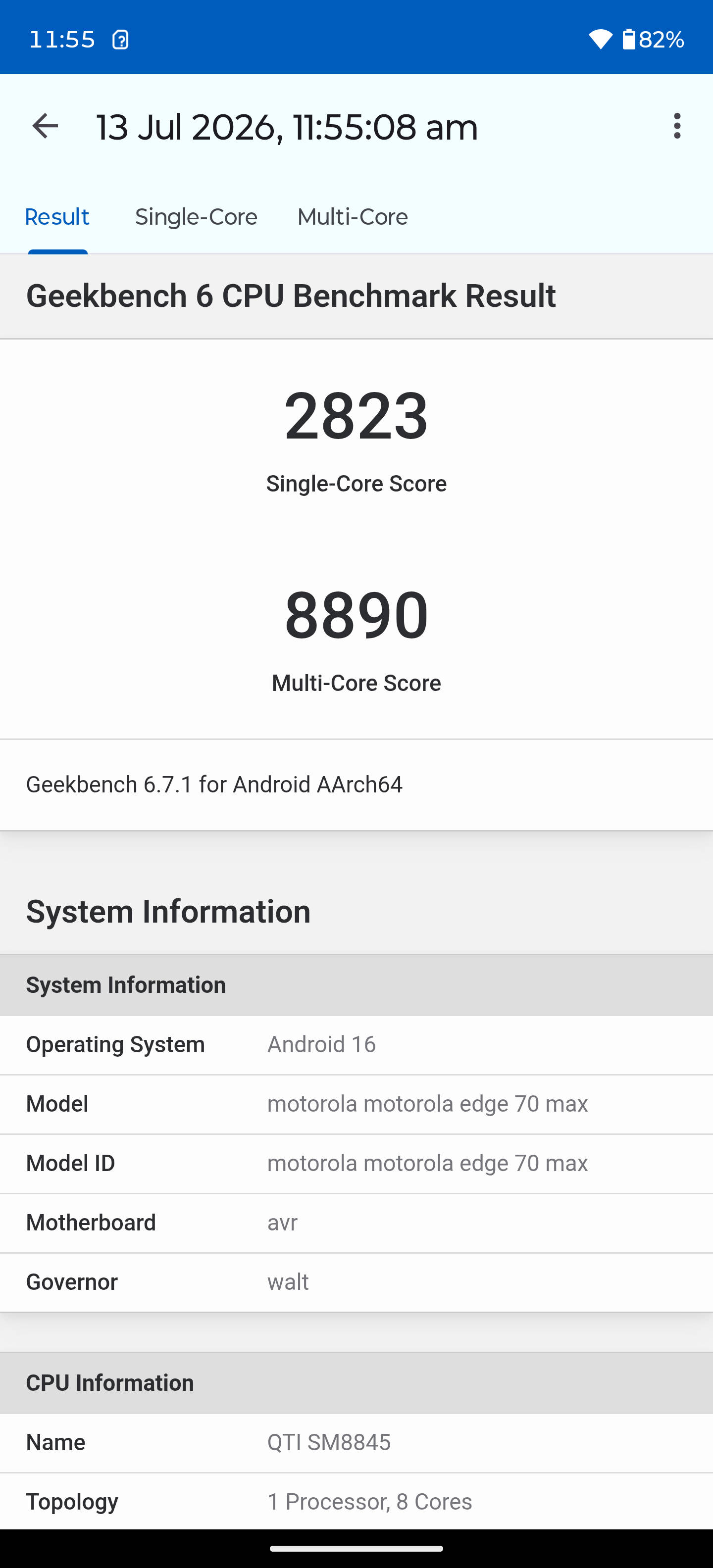
The Motorola Edge 70 Max and Motorola Signature are both powered by the Qualcomm Snapdragon 8 Gen 5 SoC, paired with LPDDR5X RAM and UFS 4.1 storage. The Signature’s higher memory capacity allows it to keep more apps and data in memory than the Edge-series offering. Both smartphones also feature Motorola’s ArcticMesh cooling system. Even though the Signature is not marketed as gaming, it features a larger 6,500mm2 vapour chamber compared to the 5,500mm2 unit on the Edge 70 Max.
| Smartphone | Pre-Installed Apps | Software Support |
| Motorola Edge 70 Max | 59 | 3 Year OS Updates + 5 Year Security Updates |
| Motorola Signature | 38 | 7 Years OS Updates + 7 Years Security Updates |
The Motorola Signature can also deliver gaming at up to 120fps, just like the performance-oriented Edge 70 Max. The software experience should be identical on both smartphones, as they run Android 16-based Hello UI. However, if you’re planning a long-term investment, the Signature has a clear advantage. It is promised to receive seven years of major Android OS and security updates, whereas the Edge 70 Max is limited to three major Android OS upgrades and five years of security updates.
Battery
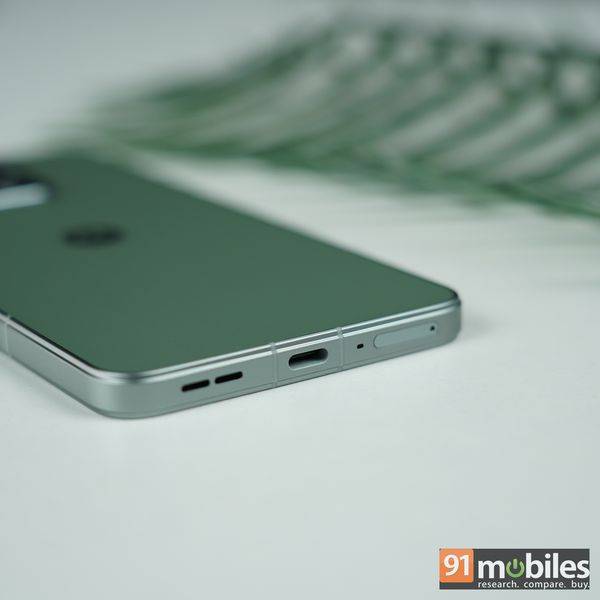
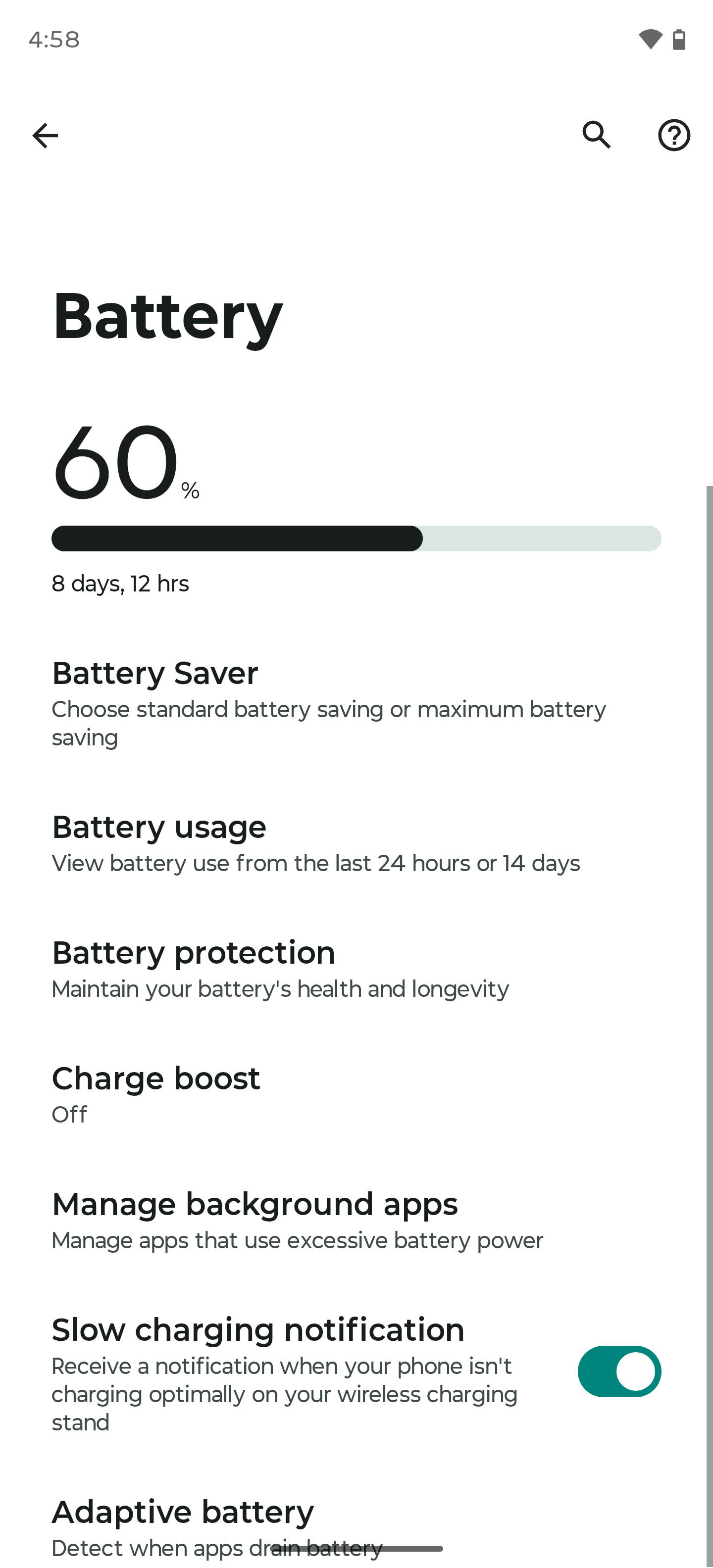
The Motorola Edge 70 Max fares better in battery. The handset packs a 7,100mAh silicon-carbon battery, with 90W Turbo wired charging. This is bigger than the Motorola Signature’s 5,200mAh battery, which is also backed by 90W fast wired charging. Both phones feature wireless charging capabilities, but the Edge 70 Max supports 25W Qi2.2 magnetic wireless charging. Beyond charging, users can attach accessories, such as wallets, to the smartphone like the iPhone.
Cameras
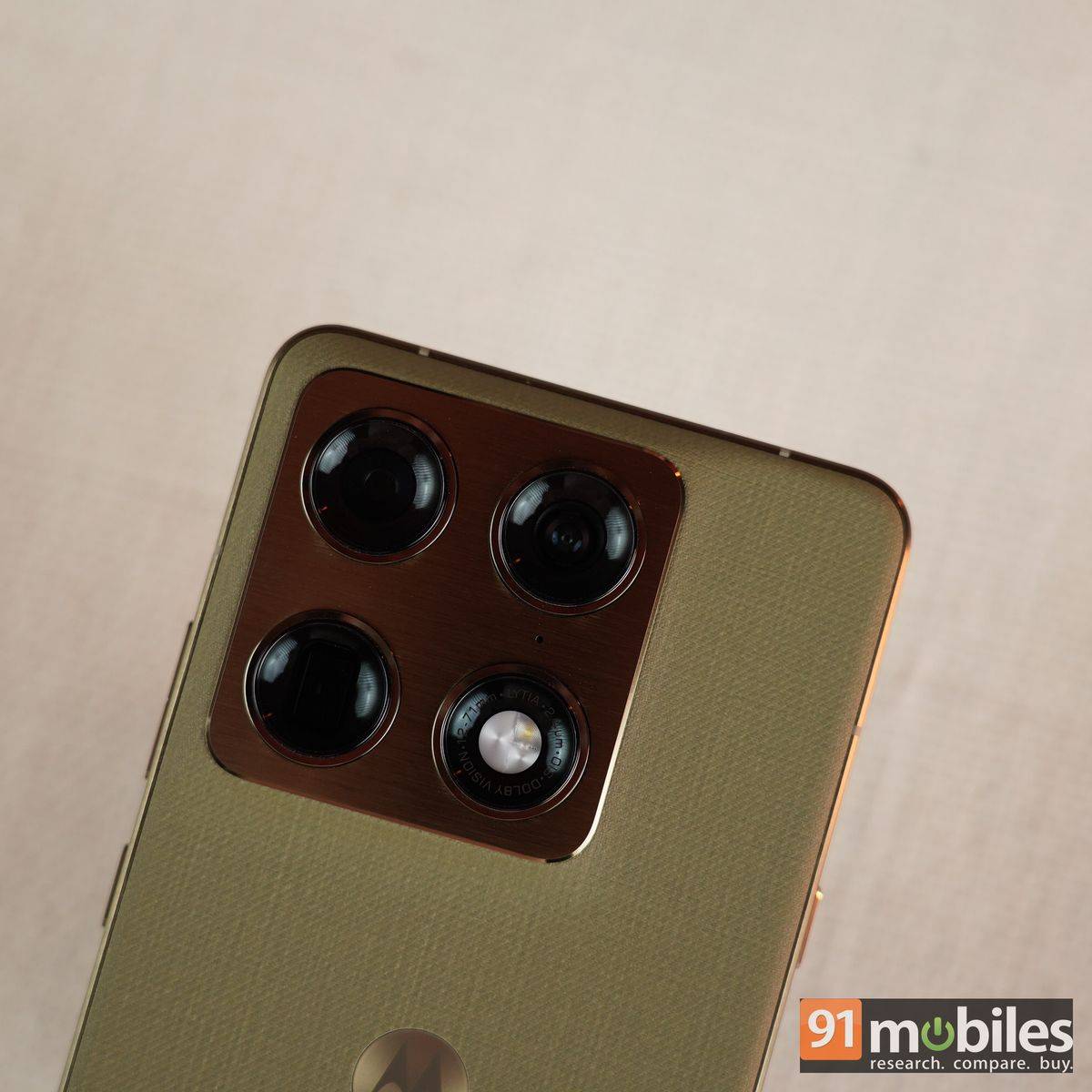
The Motorola Signature pulls things back with its cameras. The smartphone houses a triple-rear camera setup, comprising a a 50MP Sony Lytia 828 primary sensor with OIS, a 50MP ultrawide camera with a 112-degree field of view, and a 50MP Sony Lytia 600 periscope telephoto lens offering 3x optical zoom. The front camera is also a 50MP sensor for selfies and video calling.
On the contrary, the Edge 70 Max packs dual cameras with a mid-range 50MP Sony LYT 710 primary sensor and an underwhelming 8MP ultrawide lens. Even the front camera is downgraded to 32MP, making this smartphone less appealing to serious camera enthusiasts.
Verdict
| Smartphone | Who should buy |
| Motorola Edge 70 Max |
|
| Motorola Signature |
|
The Motorola Edge 70 Max offers a bigger battery life, sharper display, fast magnetic wireless charging and support for magnetic accessories. All these on top of its powerful chipset and an advanced cooling system. These advantages make the Edge 70 Max the more compelling choice for gamers and power users who value endurance over photography.
The Motorola Signature, meanwhile, is aimed at users seeking a more premium all-round experience. The handset stands out with a significantly lighter and slimmer design, a far more capable camera system, Bose-tuned speakers, higher RAM and storage options, and an impressive seven years of Android OS and security updates. If cameras, long-term software support, and a refined in-hand feel matter more than battery capacity, the Signature justifies its higher asking price.
Motorola Edge 70 Max Images



































Motorola Signature Images