Motorola Edge 70 Max vs iQOO 15R: which powerhouse is right for you?


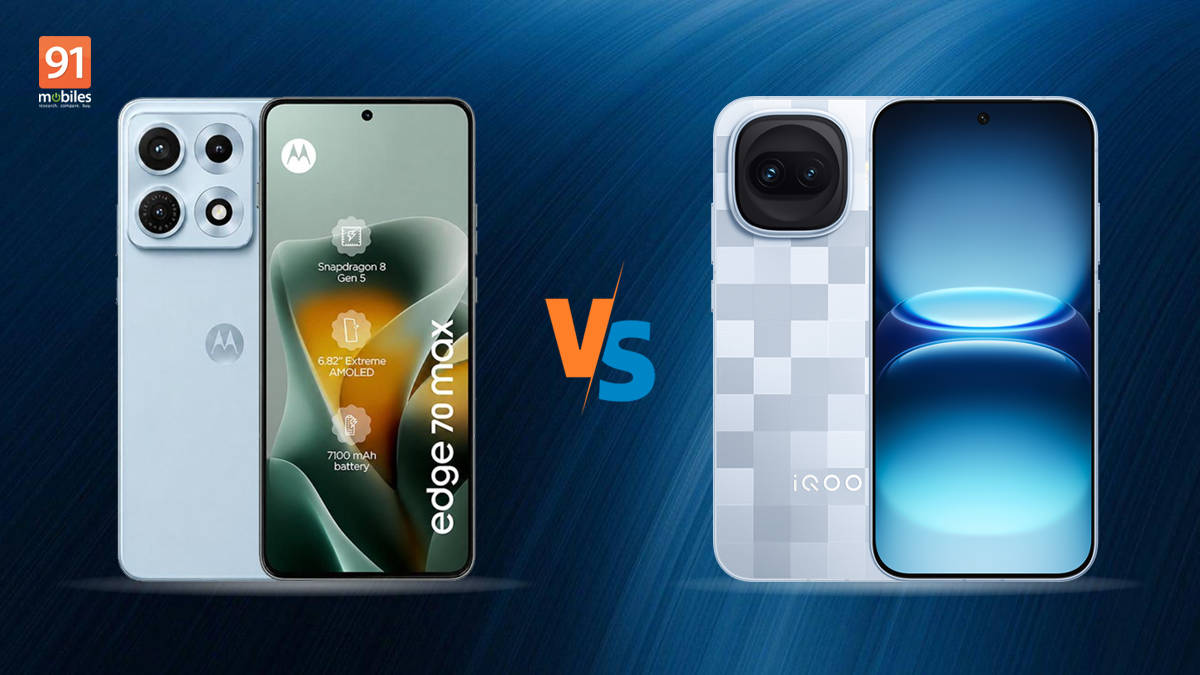
The Motorola Edge 70 Max and iQOO 15R (review) both chase the same buyer: someone who wants top‑tier performance, big batteries and smooth displays under Rs 60,000. On paper, they look very similar, but the specifications tell slightly different stories about who each phone is really for. In this comparison, we look at performance, cameras, design, battery and software purely on the basis of specifications to see which one fits your needs better.
Table of Contents
Motorola Edge 70 Max vs iQOO 15R: price in India
| Variants | Edge 70 Max price | iQOO 15R price |
| 8GB+256GB | Rs 54,999 | Rs 49,999 |
| 12GB+256GB | Rs 59,999 | Rs 54,999 |
| 12GB+512GB | NA | Rs 59,999 |
Motorola Edge 70 Max vs iQOO 15R: specs at a glance
| Aspect | Motorola Edge 70 Max | iQOO 15R |
|---|---|---|
| SoC / RAM | Snapdragon 8 Gen 5, 8GB/12GB LPDDR5X | Snapdragon 8 Gen 5, 8GB/12GB LPDDR5X |
| Storage | 256GB UFS 4.1 | 256GB/512GB UFS 4.1 |
| Display | 6.8‑inch AMOLED, QHD+, 144Hz | 6.59‑inch AMOLED, FHD+, 144Hz |
| Rear cameras | 50MP main (OIS) + 8MP ultra‑wide + 2MP | 50MP main (OIS) + 8MP ultra‑wide |
| Front camera | 32MP, screen flash, 4K up to 60fps | 32MP wide, screen flash, 4K up to 60fps |
| Battery | 7,100mAh, 90W wired, 25W wireless | 7,600mAh, 100W wired |
| Software | Android 16, Hello UI, 3 OS/5 years security | Android 16, OriginOS‑based, 4 OS/6 years security |
Performance
Since both phones lean on Snapdragon 8 Gen 5 and fast LPDDR5X RAM, you can expect similar flagship‑level performance on paper for gaming, multitasking and long social media scrolls. Everyday tasks, loading heavy apps and switching between multiple tabs should feel equally quick on either device if you go by the core hardware.
AnTuTu score


iQOO 15R
Qualcomm Snapdragon 8 Gen 5
3,078,708

Motorola Edge 70 Max
Qualcomm Snapdragon 8 Gen 5
2,972,932
AnTuTu assesses a smartphone's CPU, GPU, memory, and overall user experience (higher is better)
The main difference shows up when you look at storage options on both. The Motorola Edge 70 Max caps out at 256GB, while the iQOO 15R adds a 512GB option for buyers who install a lot of big games, shoot 4K video often or prefer to keep their content offline.
If you know you use your phone more like a portable media drive, that extra storage on the iQOO side will likely matter more over time, even though performance itself is pretty similar on both in day-to-day use.
Design and display
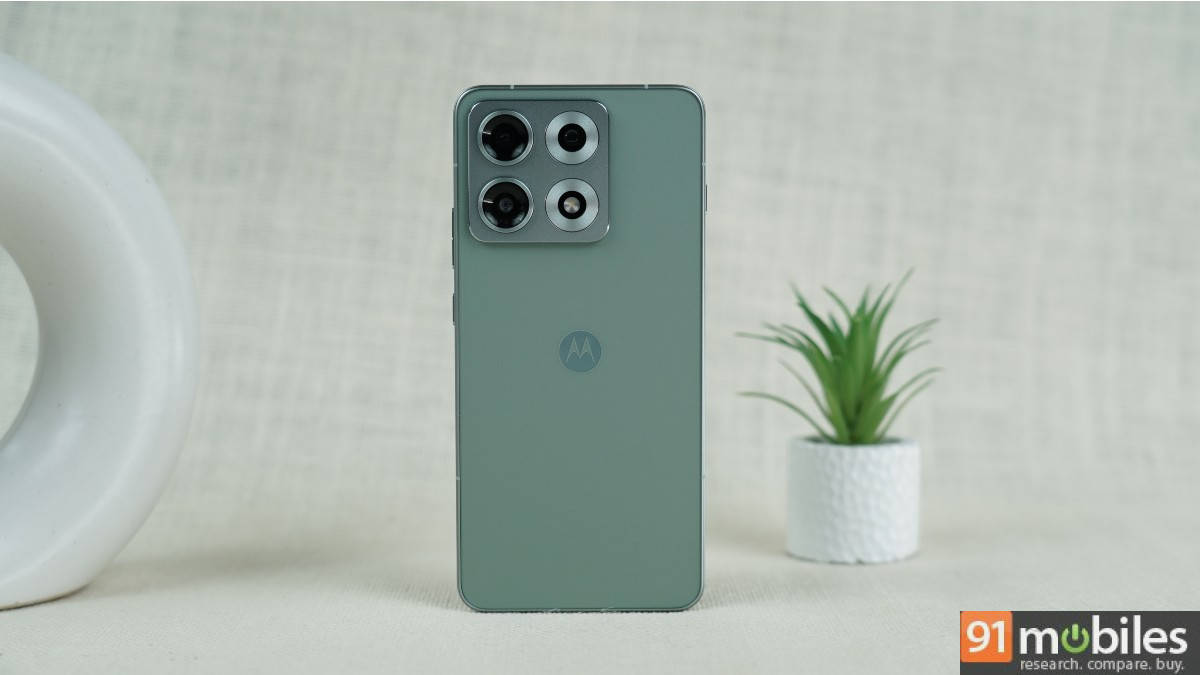
The Motorola Edge 70 Max goes big and sharp with its 6.8‑inch Extreme AMOLED panel. The QHD+ resolution and 144Hz refresh rate make it feel like a proper screen for movies, games and scrolling, and the high peak brightness should help it stay visible outdoors and in bright rooms.
| Smartphone | Thickness | Weight | IP Rating |
| Motorola Edge 70 Max | 8.29 mm | 221 grams | IP68 +IP69 |
| iQOO 15R | 7.9 mm | 202 grams | IP68 +IP69 |
The curved edges on the Edge 70 Max add that typical ‘flagship’ look, but they also make the phone feel a bit wider in hand, which some users will enjoy for immersion, while others might find it harder to grip for long one‑handed use.

The iQOO 15R takes a more compact, practical route with a 6.59‑inch flat AMOLED display at FHD+ and the same 144Hz refresh rate. It will not look quite as razor‑sharp as Motorola’s QHD+ panel but the size and flat design should make it easier to hold and use for longer stretches. You still get smooth animations and fast touch response, so it reads as a screen tuned for gaming and everyday tasks rather than multimedia use.
| Smartphone | Display | Peak Brightness |
| Motorola Edge 70 Max | 6.8 inches - Extreme AMOLED (Curved Display) | 7000 nits |
| iQOO 15R | 6.59 inches - AMOLED | 5000 nits |
If you enjoy big screens for movies and reading, the Edge 70 Max looks will appeal more to you. If you prefer a slightly smaller display that still feels fast and responsive, the iQOO 15R comes across as the more practical choice, especially for users who value comfort as much as resolution.
Cameras
The Motorola Edge 70 Max offers a more flexible rear camera setup based on its specs. You get a 50MP main camera with OIS, an 8MP ultra‑wide that also doubles as a macro lens, and an extra 2MP sensor to help with exposure and scene data. This combination covers regular photos, wider scenes and close‑ups, so it feels better suited to users who like experimenting with different perspectives rather than just shooting straight‑on frames.
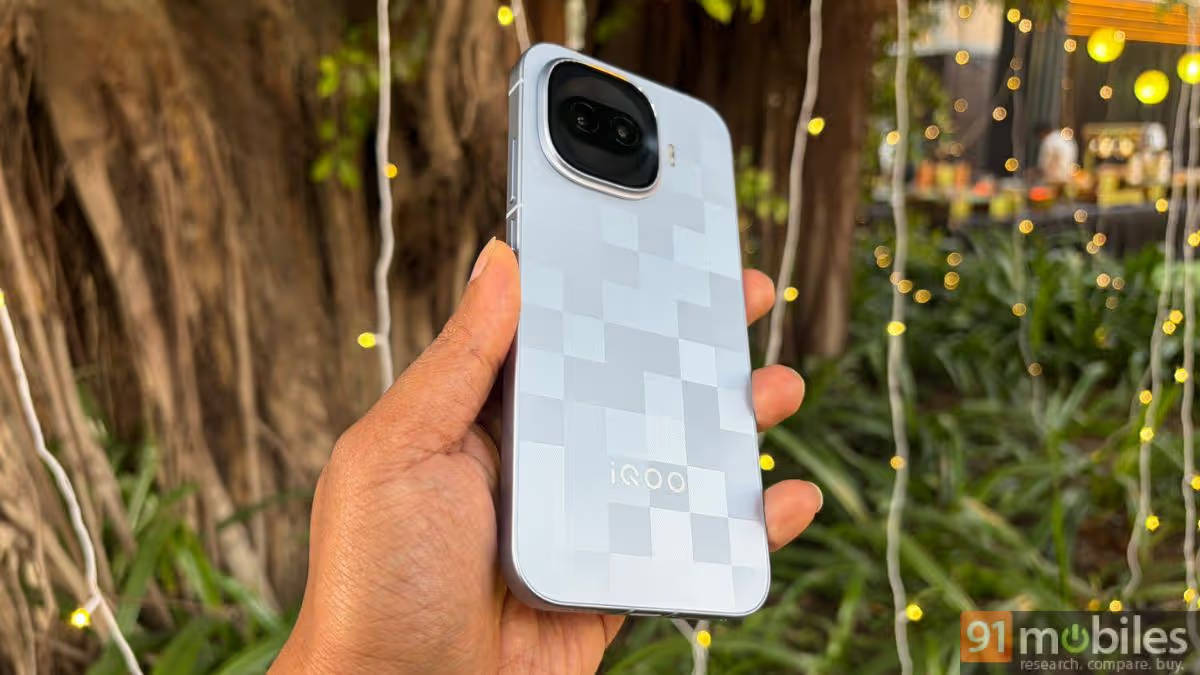
The iQOO 15R (review) keeps things simpler with a dual camera array: a 50MP main sensor with OIS and an 8MP ultra‑wide. It still ticks the essentials for everyday photography and landscapes, but it lacks dedicated macro hardware, which slightly limits how far you can push close‑up shots on specs alone. Here’s a quick look at the iQOO 15R’s cameras:
Both phones use a 32MP selfie camera with screen flash and support for 4K video at up to 60fps, which is great for social posts, vlogs and high‑quality video calls. Based only on the numbers, Motorola looks better for users who want more variety from the rear cameras, while iQOO is a straightforward setup that focuses on core photography use-cases.
Battery and charging
The Motorola Edge 70 Max uses a 7,100mAh silicon‑carbon battery with 90W wired charging and 25W wireless charging. That should ideally translate to a full day of heavy use or around a day and a half of mixed use, with a quick top‑up bringing you comfortably through the rest of the day. Wireless charging also makes it more convenient if you like using charging pads instead of cables.
PCMark Battery score (in hours)
iQOO 15R
7600 mAh
18.4
Motorola Edge 70 Max
7100 mAh
16.6
PCMark battery test measures phone battery life from 100% to 20% (higher is better)
The iQOO 15R steps up to a 7,600mAh battery and 100W wired charging, so it aims for slightly longer screen‑on time along with faster wired refills. You can reasonably expect it to stretch past a full heavy day and closer to two days for lighter users, as long as the software and display brightness level are managed adequately.
Here, the trade‑off is pretty clear: Motorola offers a more flexible charging setup with wireless support, while iQOO goes for the biggest possible battery and the quickest wired charging for users who care primarily about endurance.
Software
Both phones run Android 16, but they take different paths with their interface and update promises. Motorola’s Hello UI stays close to a clean, stock‑style experience and is backed by three years of OS updates and five years of security patches, which should suit users who like simple, familiar software.
| Smartphone | Pre-Installed Apps | Software Support |
| Motorola Edge 70 Max | 59 | 3 Year OS Updates + 5 Year Security Updates |
| iQOO 15R | 54 | 4 Year OS Updates + 6 Year Security Updates |
The iQOO 15R uses an OriginOS‑based skin, better gaming and AI features and offers four OS updates and six years of security, which reads as more reassuring for long‑term buyers on paper. If you care more about a lighter, minimalist interface, Motorola will feel more natural, but if you want longer support and extra tools built around performance and AI, iQOO looks like the more future‑ready option
Which one should you buy?
On specs alone, the Motorola Edge 70 Max looks better suited to users who care most about multimedia and an all‑round premium experience. The sharp QHD+ curved display, larger body that should help with heat dissipation, wireless charging and more versatile rear camera setup all point towards a phone built for long streaming sessions, gaming and mixed everyday use.
The iQOO 15R (review), meanwhile, targets buyers who want similar flagship‑level performance in a more compact, handy form factor. You still get a fast 144Hz AMOLED display, the same core Snapdragon 8 Gen 5 power and a larger battery that is better for pure endurance with quicker charging speed.
So the choice really comes down to what you value more: if you want the sharper, more immersive display, wireless charging and a richer multimedia prowess, pick the Motorola Edge 70 Max. If you prefer a compact‑ish phone with the same performance, a good display and a bigger battery for long days and travel, while saving some money, the iQOO 15R is the more sensible option.