


Review Summary
Expert Rating
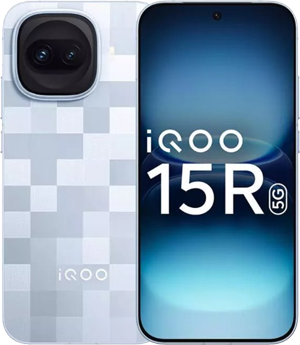
The brand’s strategy with the iQOO 15R is to deliver a near-flagship experience without pushing past the Rs 50,000 mark. On paper, the device seems to have almost everything going for it to deliver that experience. You get the latest Snapdragon 8 Gen 5 chipset, a massive 7,600mAh battery, a bright AMOLED display, support for smooth 144FPS gaming, and a capable 50MP camera setup. It certainly reads like a device that punches well above its price bracket.
But do all those hardware promises meet real-world expectations? I attempt to find that out in this iQOO 15R review. Read on.
Table of Contents
TL;DR
The iQOO 15R is a performance-first smartphone that gets most fundamentals right, and then reinforces them with a colossal battery. There are a few areas where it could have done better, such as thermal management under prolonged stress and cameras with more natural-colour science. However, if your priority lies in raw performance, gaming stability, and exceptional battery life, the iQOO 15R makes a compelling case for itself.
Performance: fast, fluid, and almost flawless
Starting with one of the iQOO 15R’s core USPs: performance. To take care of it, the handset is powered by Qualcomm’s sub-flagship Snapdragon 8 Gen 5 SoC under the hood. This is paired with the in-house Supercompute Chip Q2, LPDDR5X Ultra RAM, and UFS 4.1 storage. The smartphone also houses a large 6,500mm2 vapour chamber cooling system.



AnTuTu and Geekbench scores show the iQOO smartphone performing on par with other Snapdragon 8 Gen 5-powered devices, such as the OnePlus 15R and the Motorola Signature. However, when it comes to performance under intense load, the iQOO 15R ranks bottom in our Burnout CPU Throttle test. It may need a bit of optimisation on that front to ensure the smartphone performs optimally even under strenuous usage.
While it isn’t certain, the throttling could be due to a spike in the iQOO 15R’s thermals. The handset didn’t become uncomfortably warm, but it did heat up more than its closest rival, the OnePlus 15R, during our internal testing. After playing BGMI and Call of Duty: Mobile for 30 minutes each under identical settings and conditions, the iQOO smartphone’s temperature rose by 14 degrees Celsius in total. This is nearly twice the thermal increase observed on the OnePlus device.
That’s my only qualm with the smartphone’s performance, as it otherwise seamlessly handled everything thrown at it. Nothing seemed to hold it back from delivering on its promise of 144fps in a handful of games, such as BGMI and Call of Duty: Mobile, at least according to the system overlay. Unfortunately, the third-party FPS monitoring app, Scene8, reported an average of just 35fps. However, we also observed this on its elder sibling, the iQOO 15.
I can let that slide, considering the app can act up in certain cases, and there was no noticeable frame drop while playing the game. Furthermore, the iQOO 15R was quick to render a 4K video, launch apps in a jiffy, and manage multitasking with ease – all while keeping a bunch of activities actively running in the background.
Makes full use of the large battery
The iQOO 15R packs a substantial 7,600mAh battery, the largest not just in its class but also beyond. This is backed by 100W FlashCharge and bypass charging features. I’ve covered the battery performance in detail in a separate article, including how it fares under regular day-to-day use as well as heavy gaming and streaming sessions. Do give that a read if you want a deeper look at its real-world endurance.
No matter how you use it, the iQOO 15R delivers excellent battery backup – better than its rival OnePlus 15R. You can expect around 7 to 8 hours of screen time, which is enough to last over two days with regular use and around 1.5 days with heavy use. With 100W charging support, the handset can go from 20 per cent to a full 100 per cent charge in under an hour. The compatible fast charger is included in the box, and thanks to bypass charging, you can continue using the smartphone while it’s plugged in without worrying about performance drops or long-term battery health.
Ergonomic, despite the big battery
As observed in the iQOO 15R’s first impression, its design remains equally impressive. iQOO has packed a large 7,600mAh battery into a relatively slim, compact form factor. The handset measures just 7.9mm in thickness, and its 202 grams make it comfortable to use for extended periods. We received the Triumph Silver colour variant for review, which may not be as timeless as the Dark Knight, but it offers a good impression.
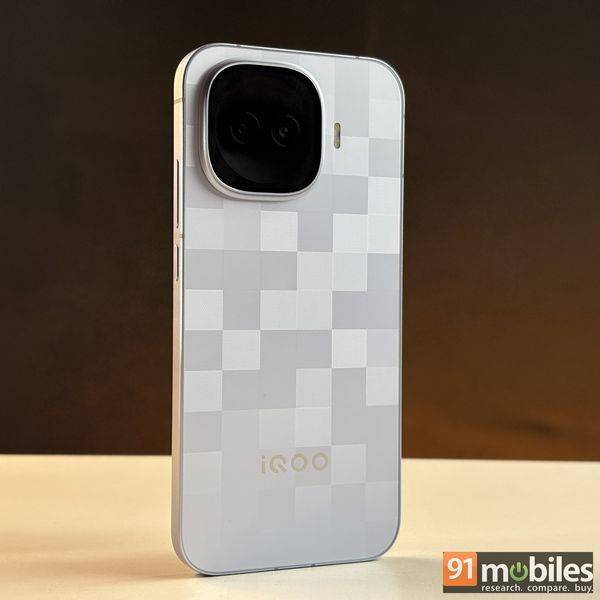
The variant sports a glass back with a chequered pattern that looks straight out of motorsport. The layering inside the squarish camera module, which houses dual sensors, adds an element to the overall design. The module protrudes from the smartphone but has chamfered edges and a matching colour to seamlessly blend with the rear panel.
Furthermore, the flat edges and curved corners make the smartphone comfortable to wield and easy to slip into tight spaces, such as jeans pockets. It may not be the most compact device out there, but it isn’t particularly unwieldy either. Reaching the far corners with one hand is possible with a bit of adjustment, and the placement of the ultrasonic fingerprint scanner adds to the convenience. The sensor sits exactly where your thumb would naturally rest while holding the device and unlocks the phone in a jiffy.
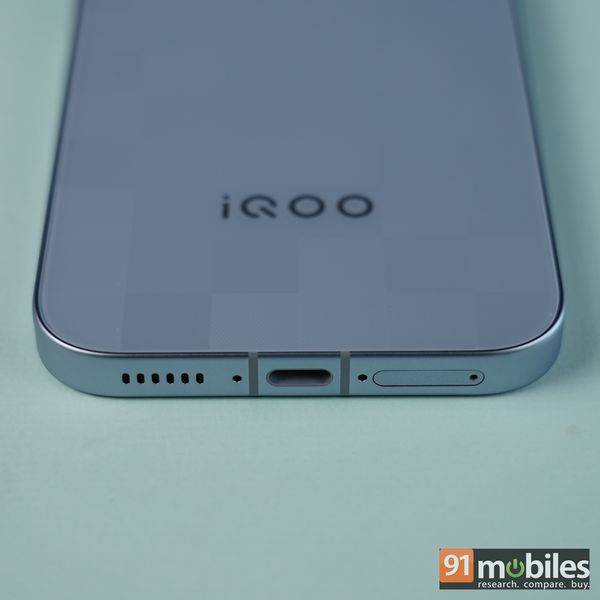
As for I/O, the iQOO 15R features a USB Type-C port on the bottom edge for charging and data transfer. This device has dual speakers, one at the bottom edge and the other at the top, to create stereo sound output. I noticed a similar speaker setup on the Motorola Signature, but unlike that device, the iQOO 15R retains better crispness and offers a slightly wider soundstage. While they may not match the depth of the OnePlus 15R, the iQOO speakers don’t sound muffled even at maximum volume.
The iQOO 15R is IP68 and IP69 water- and dust-resistant, which is standard for the price range, but not as formidable as the OnePlus 15R, which offers an additional IP69K rating for added resistance to high-pressure and temperature jets. The iQOO smartphone has a Schott glass cover over the display to protect it from minor drops and falls.
Built for binge and battle
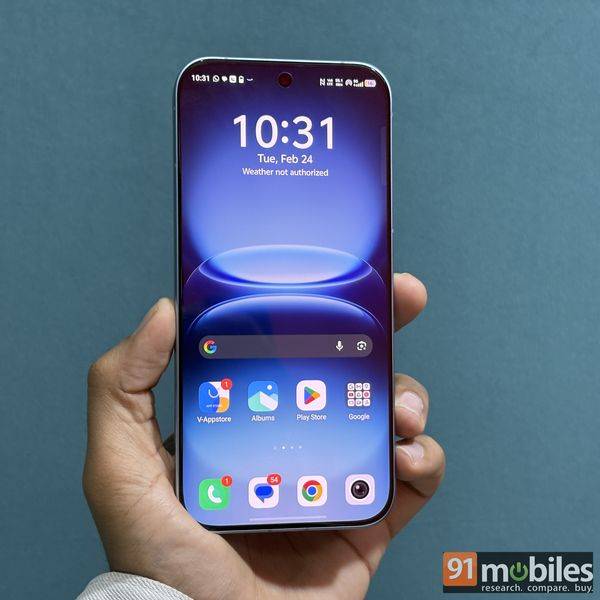
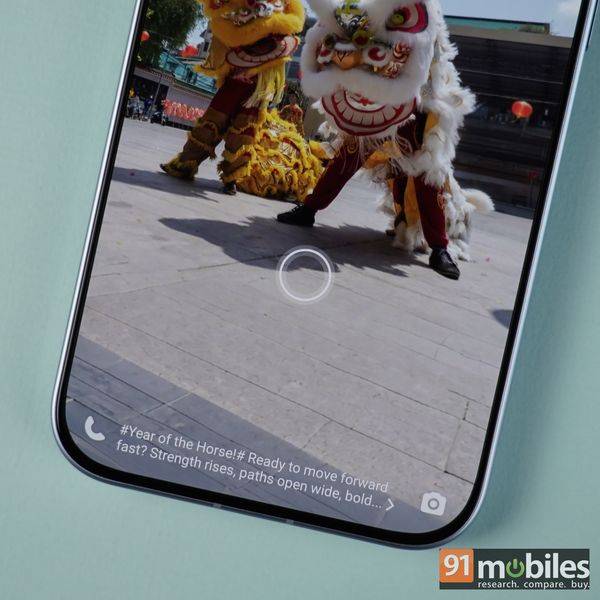
The iQOO 15R sports a 6.59-inch AMOLED display with 1.5k resolution, up to 144Hz adaptive refresh rate, and 5,000 nits peak brightness. There are razor-thin, evenly spread bezels all around for an immersive viewing experience. The display gets sufficiently bright, brighter than the OnePlus 15R, for a comfortable viewing experience both indoors and outdoors.
With HDR10+ support, available out of the box for Netflix and other streaming platforms, the handset can deliver crisp picture quality and impressive dynamic range. While the phone supports a 144Hz refresh rate, it is capped at 120Hz for the system UI and other supported apps. You can only achieve 144Hz for select games, and that too, after toggling ‘Monster’ mode and sliding the ‘Refresh Rate’; to high from the floating window.
Promising software, with long-term support
The iQOO 15R runs OriginOS 6 layered on top of Android 16 out of the box. This is the same software that comes pre-loaded on the flagship iQOO 15 and several other Vivo smartphones. The latest iQOO handset keeps the experience largely unchanged, with a bevvy of pre-installed apps, including as many as eight third-party applications.
While the third-party apps can be uninstalled, the overall experience still isn’t close to stock Android. I don’t have any qualms about that; however, I do wish there were an option to remove some of the proprietary apps, such as iQOO Store and V App Store, which occupy unnecessary space in the phone’s storage and app drawer.
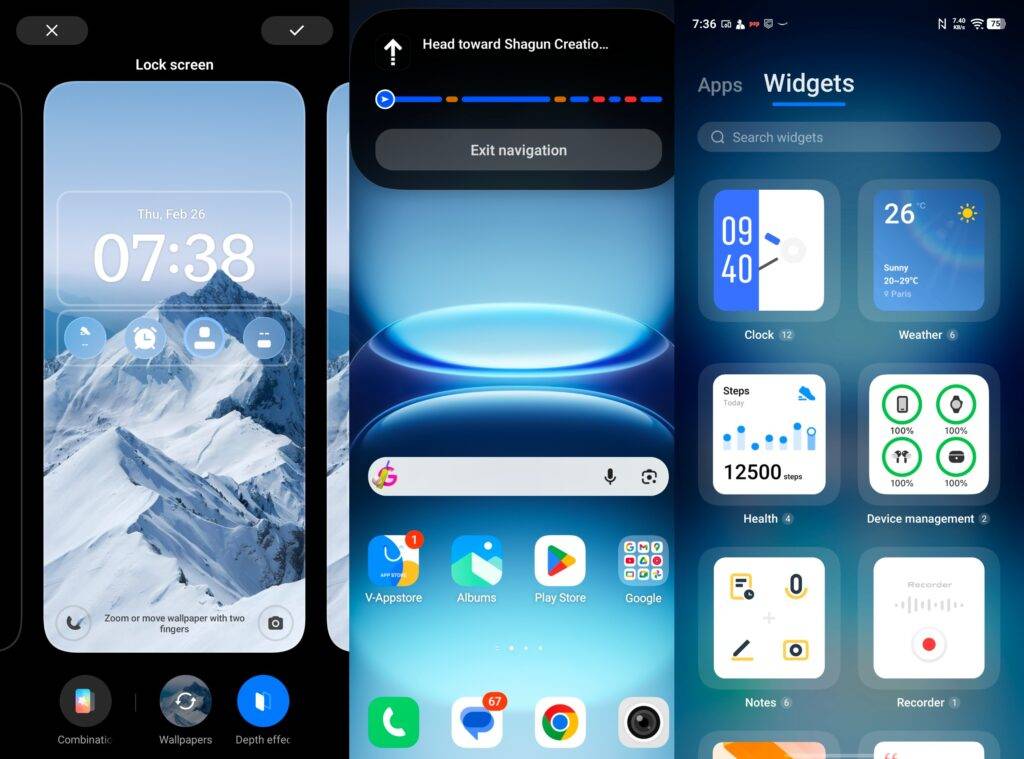
Other than that, there is plenty to like about OriginOS 6, including the smoothness of the animations, customisation options, widget support, Origin Island, and dynamic wallpapers. You can read all about them in our standalone OriginOS 6 hands-on article. The iQOO 15R also comes with plenty of AI features to enhance productivity, but it requires an active internet connection and an iQOO account. That said, these are pretty generic AI tools, which you may find on plenty of other smartphones.
Hopefully, iQOO will refine the experience further and introduce a handful of AI features exclusive to its smartphones in a future update. The iQOO 15R is promised four major OS upgrades and six years of security updates.
Detail-focused cameras
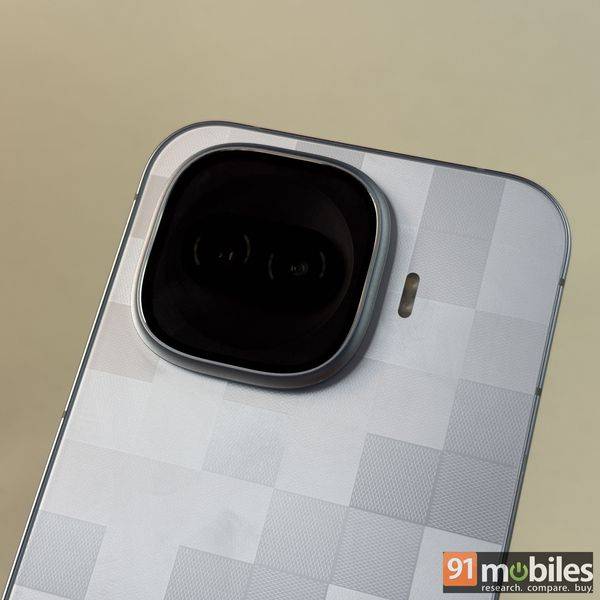
The iQOO 15R camera specs may not be as promising as its other aspects. The handset sports a regular dual-rear camera setup, with a mid-range 50MP Sony LYT700V primary sensor and an 8MP ultrawide lens. The front camera is a 32MP sensor for selfies and video calling.
The sensors are quick to focus and capture images, and thanks to the phone’s fast processor, they can take multiple shots in quick succession. However, the camera app lacks the variety of modes and filters that some similarly priced smartphones offer, including its sibling from the parent company, the Vivo V70. While this shouldn’t be a deal breaker, considering the phone’s priority lies elsewhere, the cameras aren’t total slouches either.
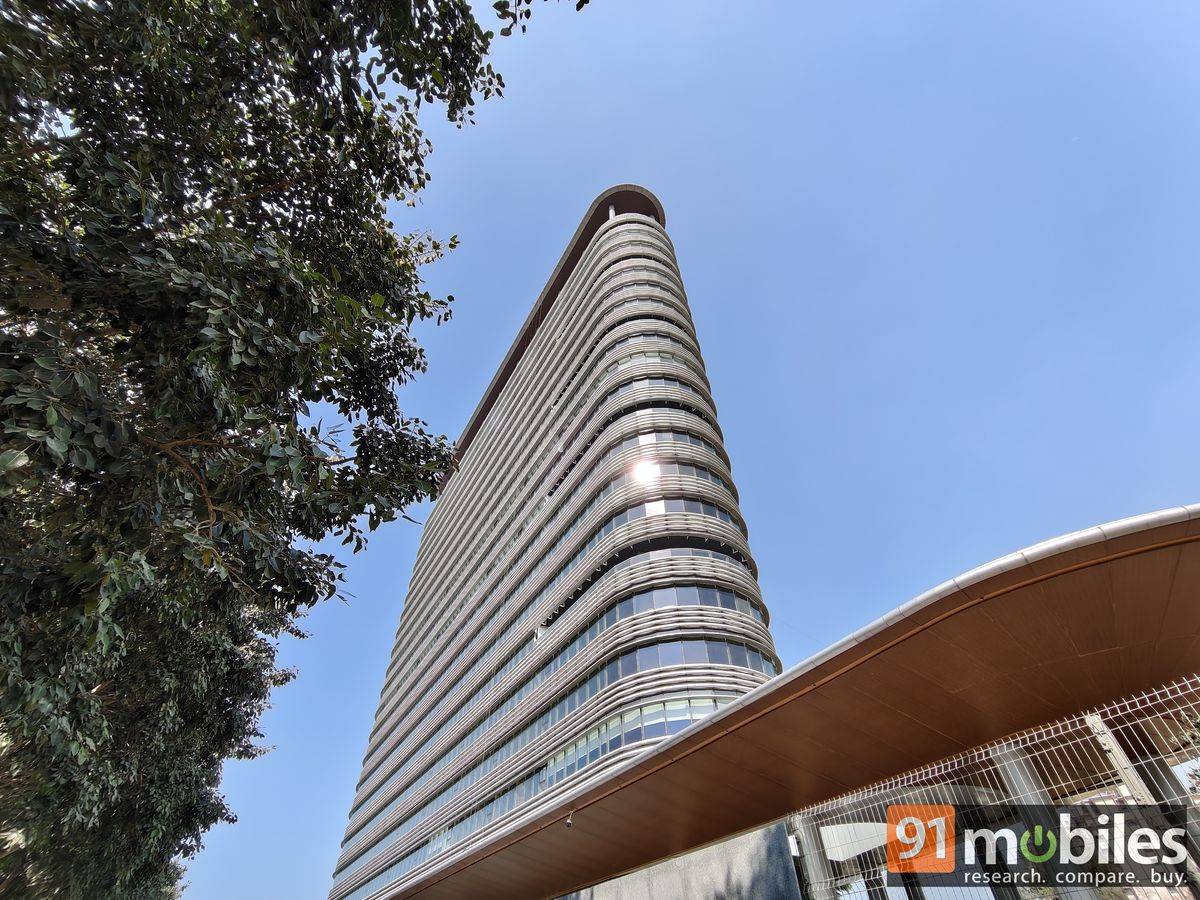















To assess their quality, we compared the iQOO 15R’s cameras with the OnePlus 15R, which offers a similar setup.
Daylight
Both smartphones approach HDR processing in different ways. As evident from the samples above, the iQOO 15R attempts to rein in the harsh sunlight, but in doing so, it tends to push contrast a bit too far, making the images appear more dramatic than natural


The OnePlus 15R, by comparison, struggles to tame the bright light. Its images come out brighter overall, though they carry a faint hazy cast as a result of the less controlled highlights. Due to the brighter appeal, you might be drawn to the OnePlus image, but closer inspection reveals the iQOO 15R has a slight edge in detailing. The shrubs, plants and flowers in the foreground, and the objects behind appear clearer on the iQOO smartphone than its counterpart.
Ultrawide
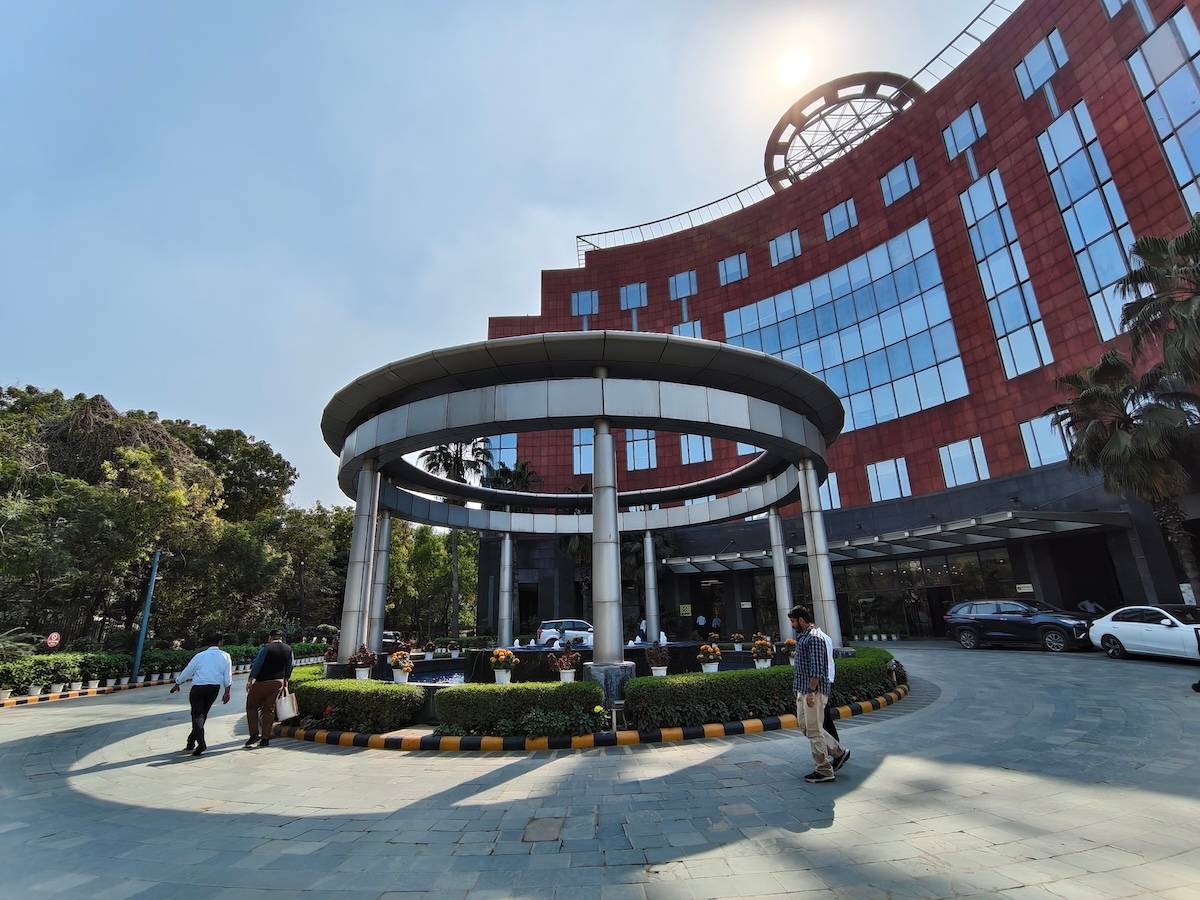
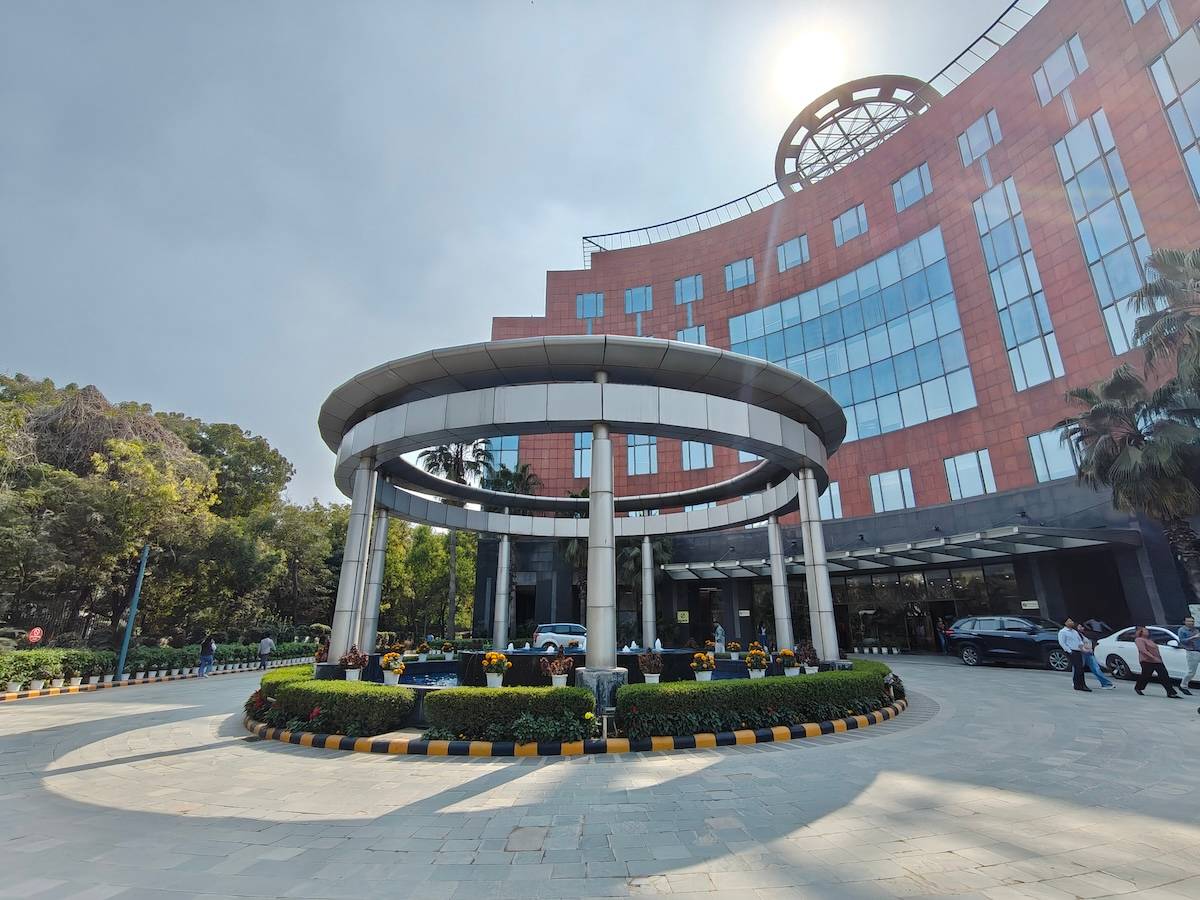
The ultrawide performance remains identical for both smartphones to their respective primary cameras. The iQOO 15R’s image continues to be contrast-heavy, while the OnePlus 15R leans towards a warmer approach. That said, iQOO still has an edge in details and sharpness and offers slightly better dynamic range than its counterpart.
Portraits


In portraits, the iQOO 15R might be inconsistent with the bokeh effect, but it gets the edge detection pretty spot on. The OnePlus 15R can be seen cropping the edges of the subject in the foreground from the background. The skin tone is on par with each other, but the iQOO smartphone outshines with superior facial detailing.
Selfie


In selfies, the OnePlus 15R renders skin tones and colours more naturally, but it falls short on facial detail and dynamic range. The iQOO 15R, meanwhile, does a better job of exposing shadows and brings out noticeably sharper facial details. However, that added clarity sometimes comes at the cost of realism, as the images can look slightly unnatural due to aggressive sharpening. Skin tones and colours also appear mildly boosted compared to real life.
Low light (night mode)
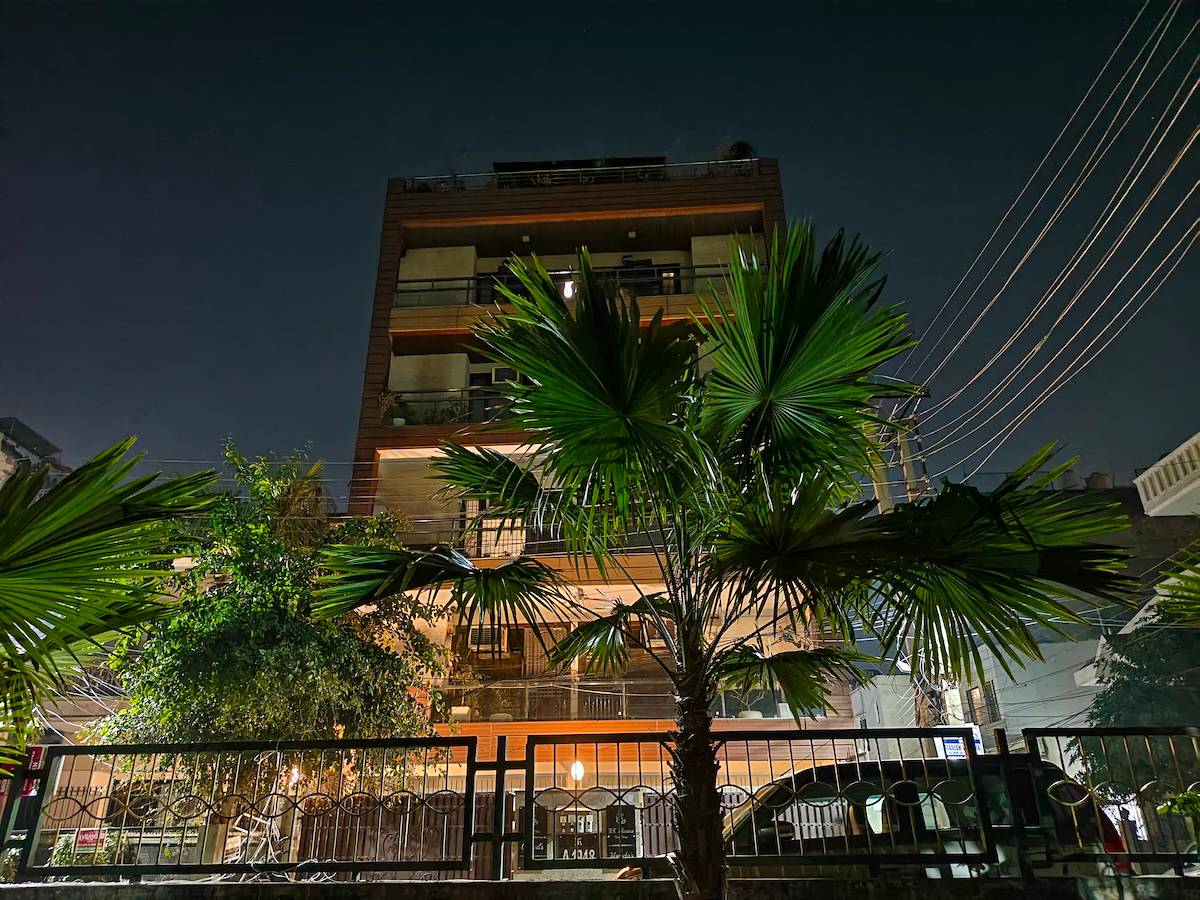
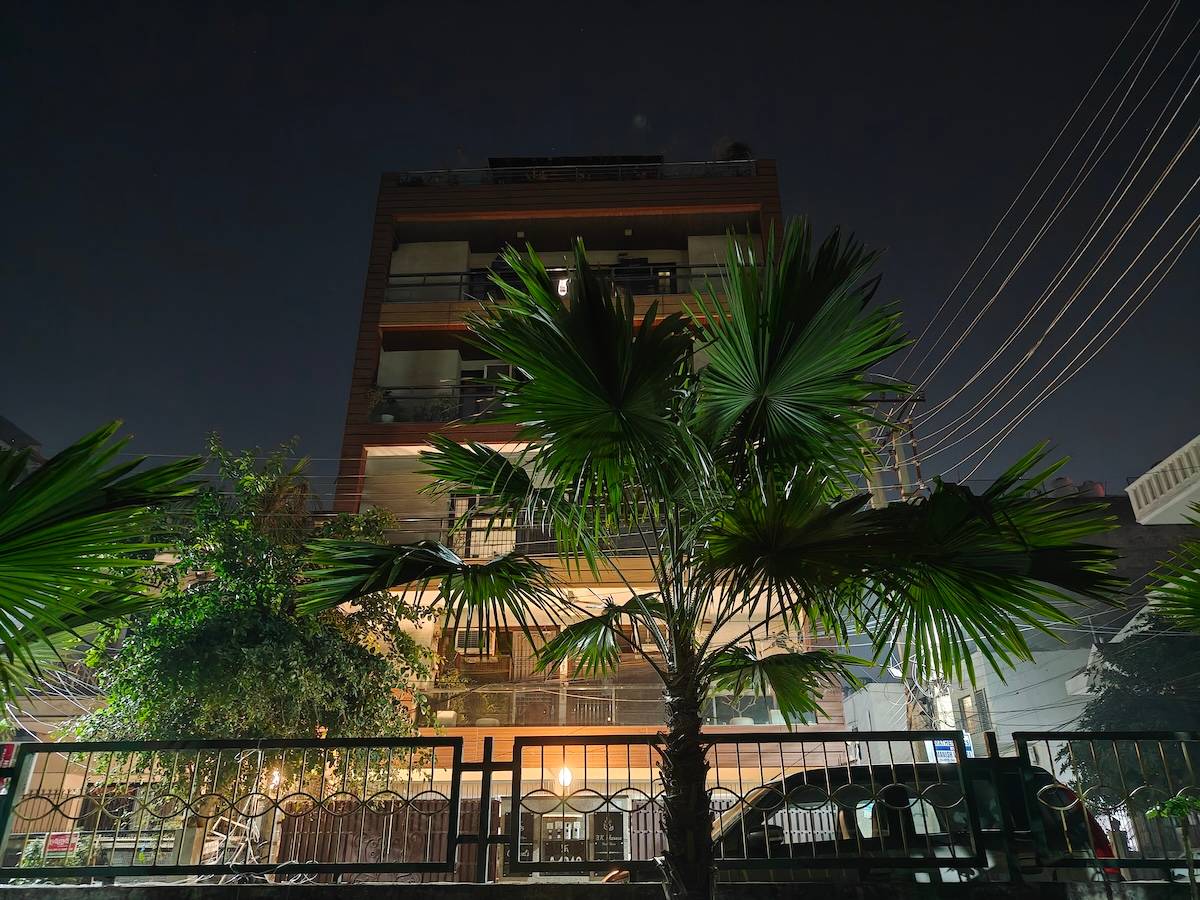
Similar to selfies, the iQOO 15R also lacks realism when it comes to capturing images in low light (with and without night mode). The OnePlus 15R does that accurately, but fails to bring out the details and keep the noise level to a minimum, which the iQOO smartphone does better.
To sum up iQOO 15R’s camera performance for you, it is capable and detail-focused, but leans towards a processed, high-contrast aesthetic rather than a true-to-life rendering. The handset supports AI Visuals, which changes the background of your portraits across different portraits, and 4K @ 60 fps video recording.
Final verdict
Starting at Rs 44,999, the iQOO 15R is the cheapest smartphone with a Snapdragon 8 Gen 5 SoC, ensuring speedy performance. In fact, the handset is the most powerful smartphone you can get for its price. That flagship-grade performance is backed by dependable 144Hz gaming support and genuinely excellent endurance that comfortably outlasts most rivals in the segment and beyond.
The 7,600mAh battery isn’t just a spec-sheet flex; it translates into two days of use for moderate users and impressive sustained performance for gamers, especially when bypass charging is in play. Furthermore, the AMOLED display is vibrant and bright enough for outdoor use, the stereo speakers are crisp, and the design remains surprisingly ergonomic despite the large cell inside.
But, it isn’t flawless by any means. The handset can get noticeably warm under strenuous load, and the cameras, while capable and often sharper than the competition, tend to prioritise contrast and detail over natural colour science, which may not appeal to purists. These are something that can be refined by a software update, if iQOO decides to.
If you don’t want to leave things for the future, the OnePlus 15R (review) could be a good alternative. The handset is built on the same core principle as the iQOO smartphone, with a Snapdragon 8 Gen 5 SoC and a beefy battery. However, it was more thermally efficient in our testing and even supports superior 165Hz FPS for gaming.
That said, the OnePlus 15R is slightly pricier, with its base variant priced at Rs 47,999, and there are reports that it could become more expensive soon. This gives the iQOO 15R a clearer edge, strengthening its position as a compelling choice in the segment for outright performance, stable gaming, and exceptional battery endurance.
Editor’s rating: 8.6/10
Reasons to buy
- Slim, relatively compact profile and well-placed ultrasonic fingerprint scanner.
- 1.5K AMOLED display delivers harp visuals, vibrant colours, and strong outdoor visibility.
- Snapdragon 8 Gen 5 delivers fast, fluid everyday use and strong gaming results.
- 7,600mAh battery comfortably lasts up to two days with moderate use.
Reasons not to buy
- Noticeable CPU throttling under sustained heavy load; could benefit from optimisation.
- No telephoto lens; fewer shooting modes than some competitors.
 | vs |  |