Review Summary
Expert Rating
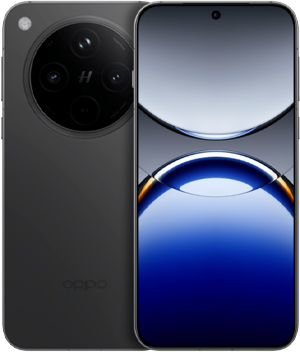
OPPO has not launched any handset from its flagship Find X series in India since the Find X2, which debuted back in 2020. However, the brand’s high-end portfolio of smartphones is now finally making a comeback, with the Find X8 series – the Find X8 and Find X8 Pro (review). While in many cases, the Pro models come with an upgraded processor, that’s not the case here. Both Find X8 series variants are powered by the latest and very capable MediaTek Dimensity 9400 chipset. However, do keep in mind that these handsets come with some key differentiations that provide unique packages to the users.
I’ve been using the regular model in the series – the Find X8 – for more than a week and I can now share my uninhibited thoughts on the phone. If you’re wondering whether this handset is a worthy competitor for the heavyweights, if you would be better off buying the Pro model from the same series, or if you should go for another phone altogether, I’ll try to answer any questions that you might have regarding this phone. Without further ado, let’s jump into the detailed review.
Verdict
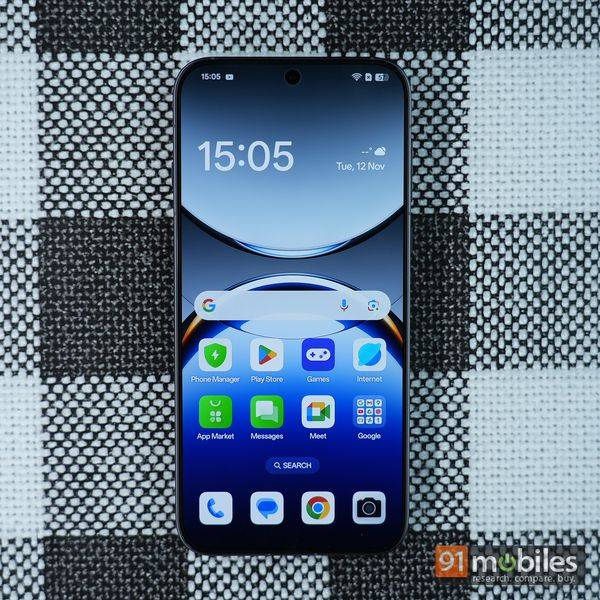
OPPO Find X8 is a well-rounded handset that comes with a compact design and impressive build quality. With a capable Hasselblad Master Camera System, the phone can click stunning zoom shots too. The Find X8 is powered by the mighty MediaTek Dimensity 9400 chipset, which allows it to deliver seamless performance. The OPPO flagship comes with a bunch of pre-installed apps, but if you can look past that, you get a seamless experience and future-proof hardware.
Design and display
Like me, if you’ve been following smartphone launches in the past decade, you would have noticed that the average smartphone size has gotten bigger and bigger. Large displays have become a norm and we’re often found wanting a more compact form factor. One of the major issues with this trend is that we now have only a handful of phones with flagship-grade hardware and a size that can be comfortably handled with one hand. In comes the Find X8. Despite packing a reasonably large 6.59-inch panel, the Find X8 manages to offer a compact in-hand feel, thanks to its extremely thin bezels. The handset measures 162.3 x 76.7 x 8.2mm and weighs 193 grams. Do note that this handset is not in the same territory of compactness as the Samsung Galaxy S24, which sits at 7.6mm thickness and weighs 168 grams, but the Find X8 is noticeably better on this front than many other Android flagship phones in the market.
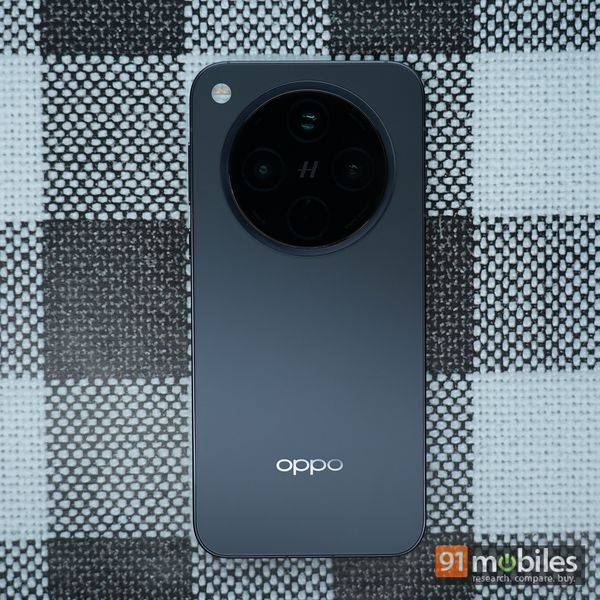
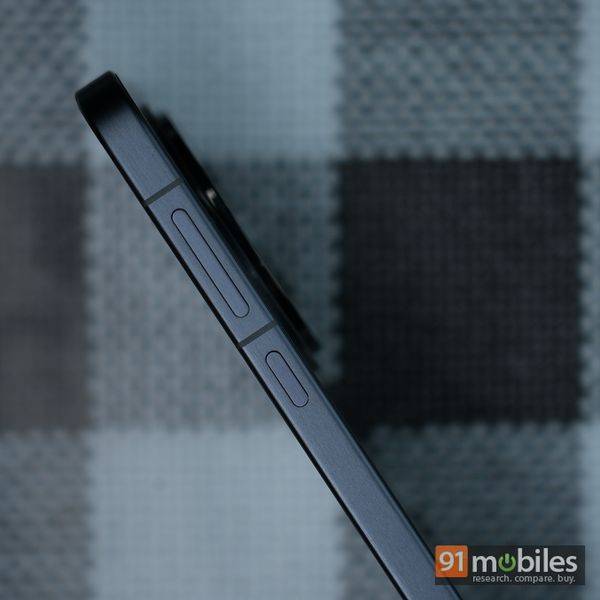
The Find X8 comes with flat sides and contoured edges, which provide a firm grip. The handset offers premium build quality and looks quite elegant. On the left side of the phone, you get an alert slider, while the right spine features the volume rocker and power button. All these buttons are easily accessible, even when using the phone with one hand. The bottom side of the phone is home to the SIM tray, USB Type-C charging port, and speaker grille.
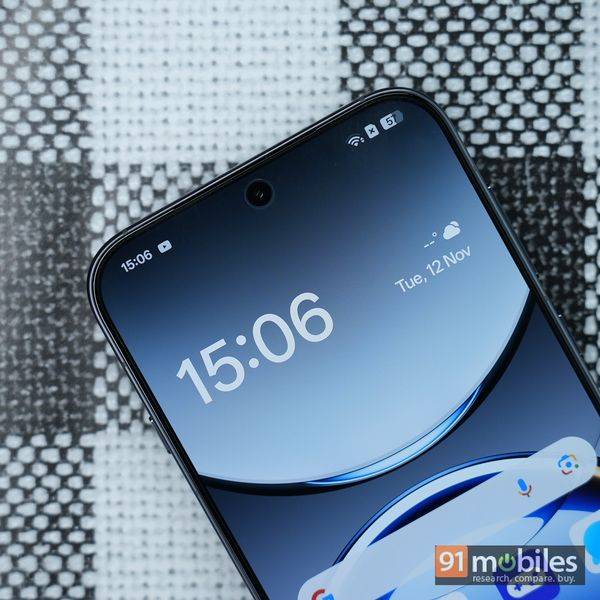
Let’s talk about the display. The LTPO AMOLED panel comes with a resolution of 2,760 x 1,256 pixels and a bezel width of 1.45mm. Apart from the aforementioned benefit to the compact form factor, these slim bezels also enable an immersive viewing experience. With the front camera in a circular cutout, the X8 ensures you get minimal obstruction while watching movies. When playing games, you get a flawless experience with the 120Hz refresh rate and a powerful processor (more on that later). As brands are currently claiming higher peak brightness numbers than competitors to be at the top of the marketing game, it is important for me to clarify that the 4500 nits of peak display brightness claimed by OPPO is only triggered in certain extremely specific scenarios. Having said that, the overall brightness of the panel is pretty good and the content on the display is visible clearly even outdoors under direct sun.
| Smartphone | Display size | Peak brightness |
| OPPO Find X8 | 6.59-inch ProXDR LTPO AMOLED | 4,500 nits |
| OnePlus 12 | 6.78-inch LTPO AMOLED | 4,500 nits |
| Samsung Galaxy S24 FE | 6.7-inch Dynamic AMOLED 2x | 1,900 nits |
Cameras
While talking about a flagship OPPO smartphone, the discussion pretty much starts with the camera quality. I would stop myself short of calling X8 a camera-centric phone but it does pack a lot in terms of optics. Let’s start with the nitty-gritty. The handset comes with a Hasselblad Master Camera System comprising a 50MP Sony LYT700 camera with OIS, a 50MP Ultra-Wide Samsung 5KJN5 with AutoFocus, and a 50MP with Sony LYT600 3X telephoto lens and OIS. At the front, you get a 32MP Sony IMX 615 sensor.
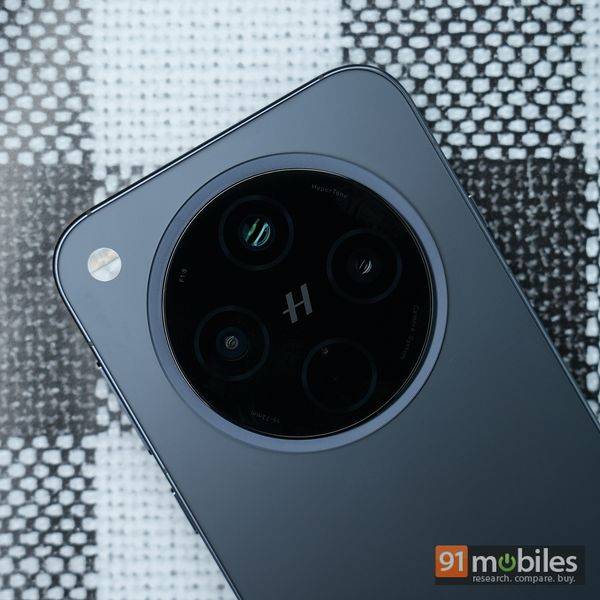
The 73mm periscope camera comes with a 1/1.95-inch sensor, which is particularly large, and allows you to click some amazing zoomed-in shots without sacrificing quality. Now that we are talking about zoom shots, let’s dive into details as this is where the Find X8 truly shines. The handset offers up to 3x optical zoom and up to 120x digital zoom. The phone comes with AI Telescope Zoom feature that essentially uses AI and computational photography to significantly improve zoom quality at long distances. This feature automatically activates at 10x zoom level and works even at the maximum zoom level. It analyses the image at a pixel level and aims to utilise the full 50MP resolution of the telephoto camera to supplement natural detail loss with AI. At 60x, when the physical raw data from the telephoto camera is very limited, Find X8 activates further on-device AI Models to enhance details. In my use, I found that the pictures clicked at around 30x zoom are pretty useable but once you go beyond this, the artificial sharpening is quite visible and makes the photo look quite unrealistic. Don’t get me wrong, this is far better than not having such amazing zoom levels, but is it a flawless implementation? Not quite.
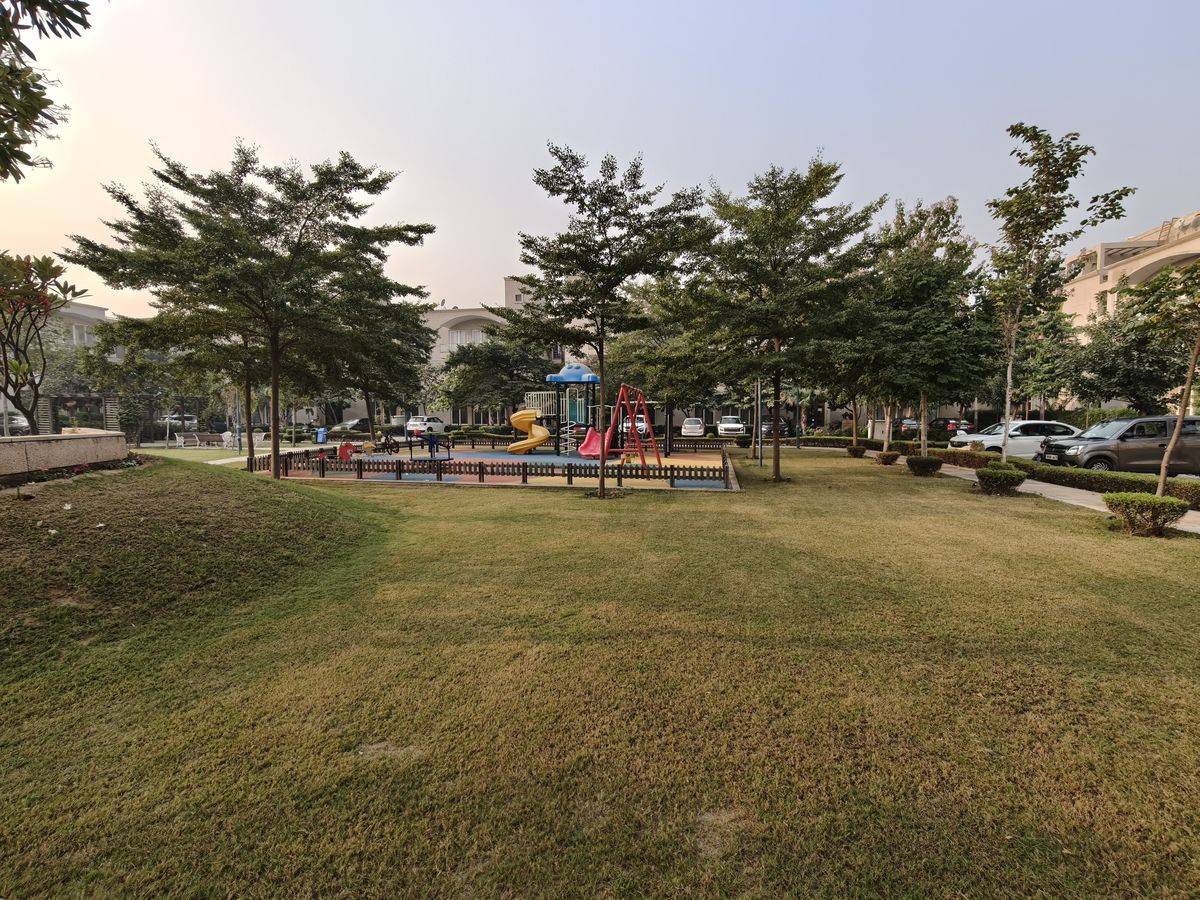
If we talk about regular usage, I found the camera on the X8 to be quite capable and at times it surprised me with the quality of images it managed to click. With the HyperTone Image Engine, which combines nine RAW frames to produce a single image with enhanced detail, the phone manages to offer results with less noise than usual. Have a look at the camera samples below to get a better idea.











I compared the Find X8 with the OnePlus 12 and the Samsung Galaxy S24 FE to find out how the new OPPO handset fares against the competition. Check out the results below.
Daylight
In the daylight shots that I took with these three phones, the image clicked with the Find X8 stood out because it captured colours and details better than the other two phones.
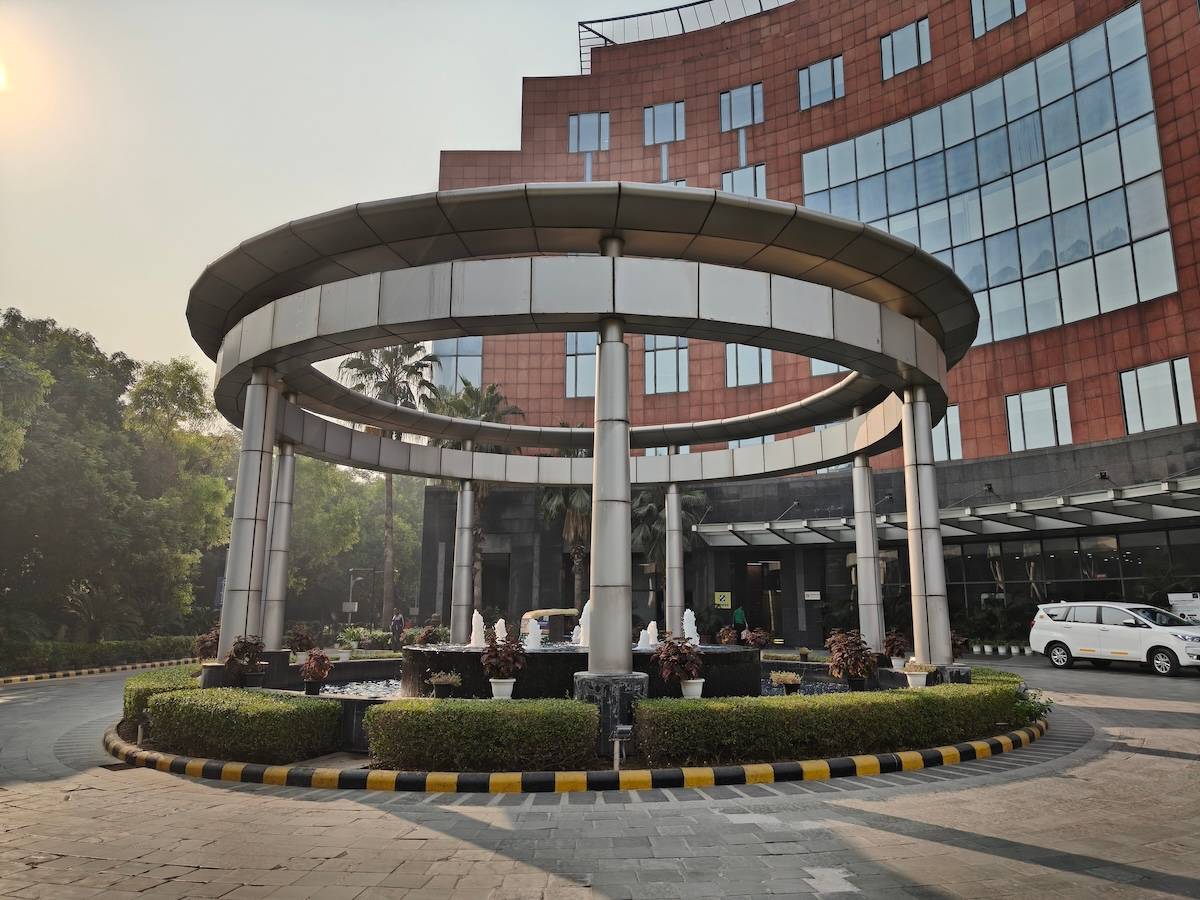
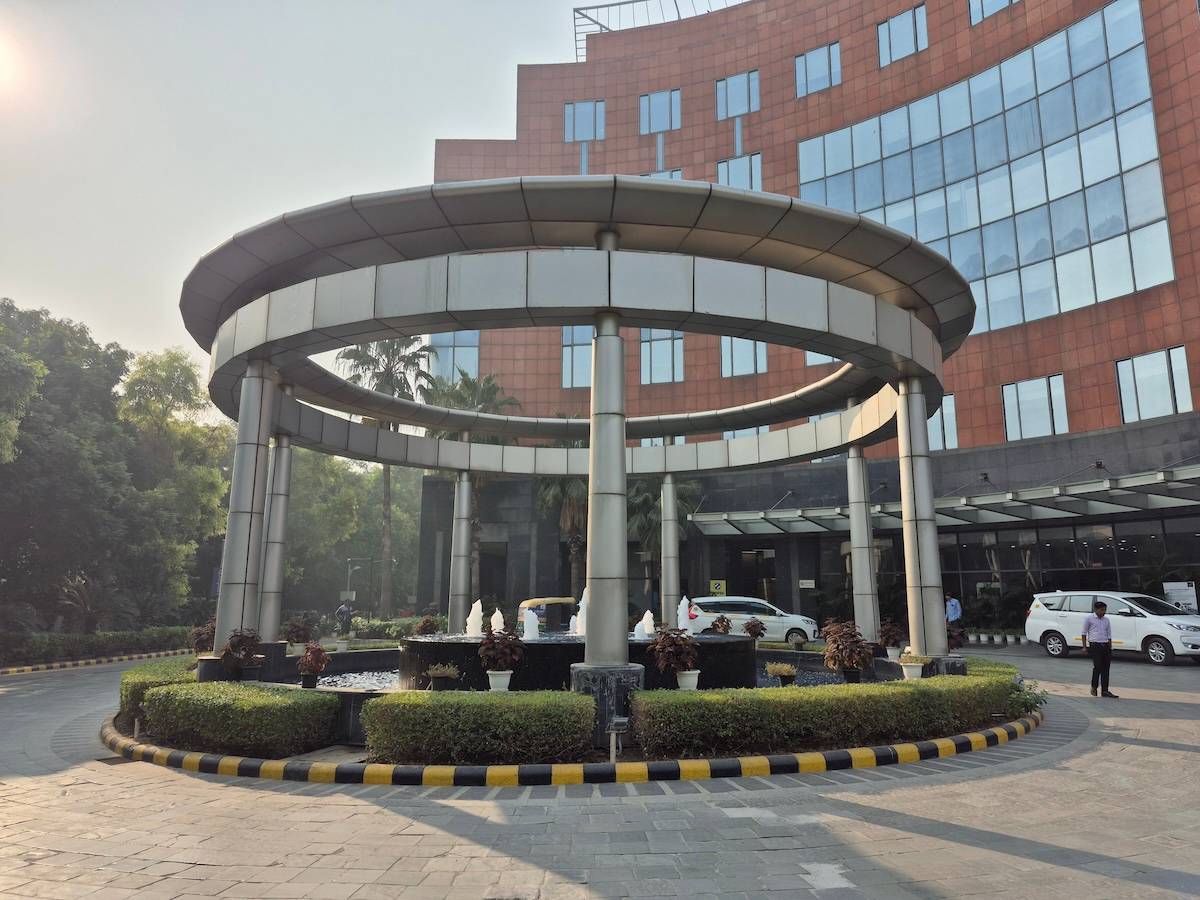
As you can see in the shot above, the Find X8 offers better dynamic range and details in comparison to the Galaxy S24 FE.
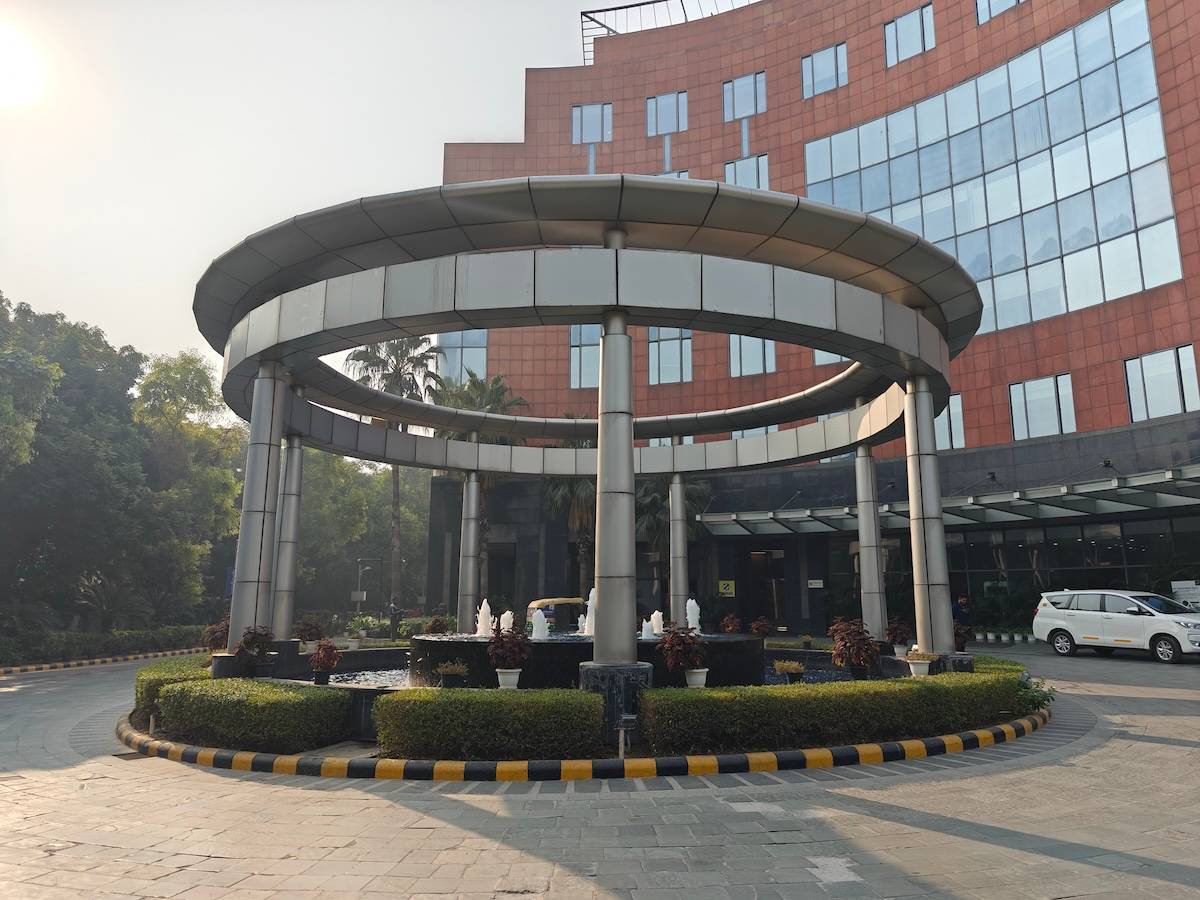
In comparison with the OnePlus 12, the Find X8 offered more details. While in certain sections the OnePlus handset captured colours more accurately, the colour science of the OPPO phone was overall better.
Wide angle
Once again, in terms of details, the shot taken with the Find X8 was noticeably better than the images taken with the OnePlus 12 and the Galaxy S24 FE. This was more visible towards the edges as the lack of details in other images is evident in comparison with the camera sample taken from the Find X8.
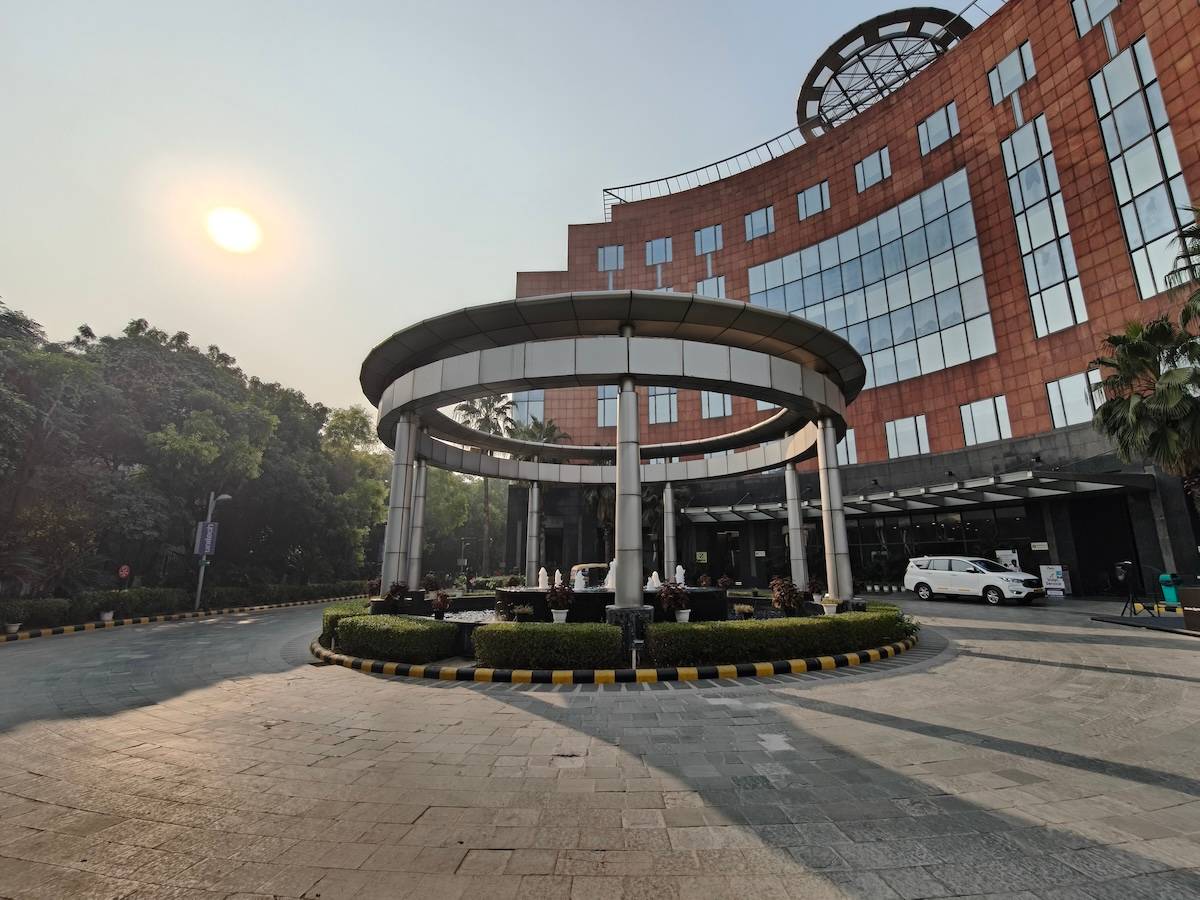
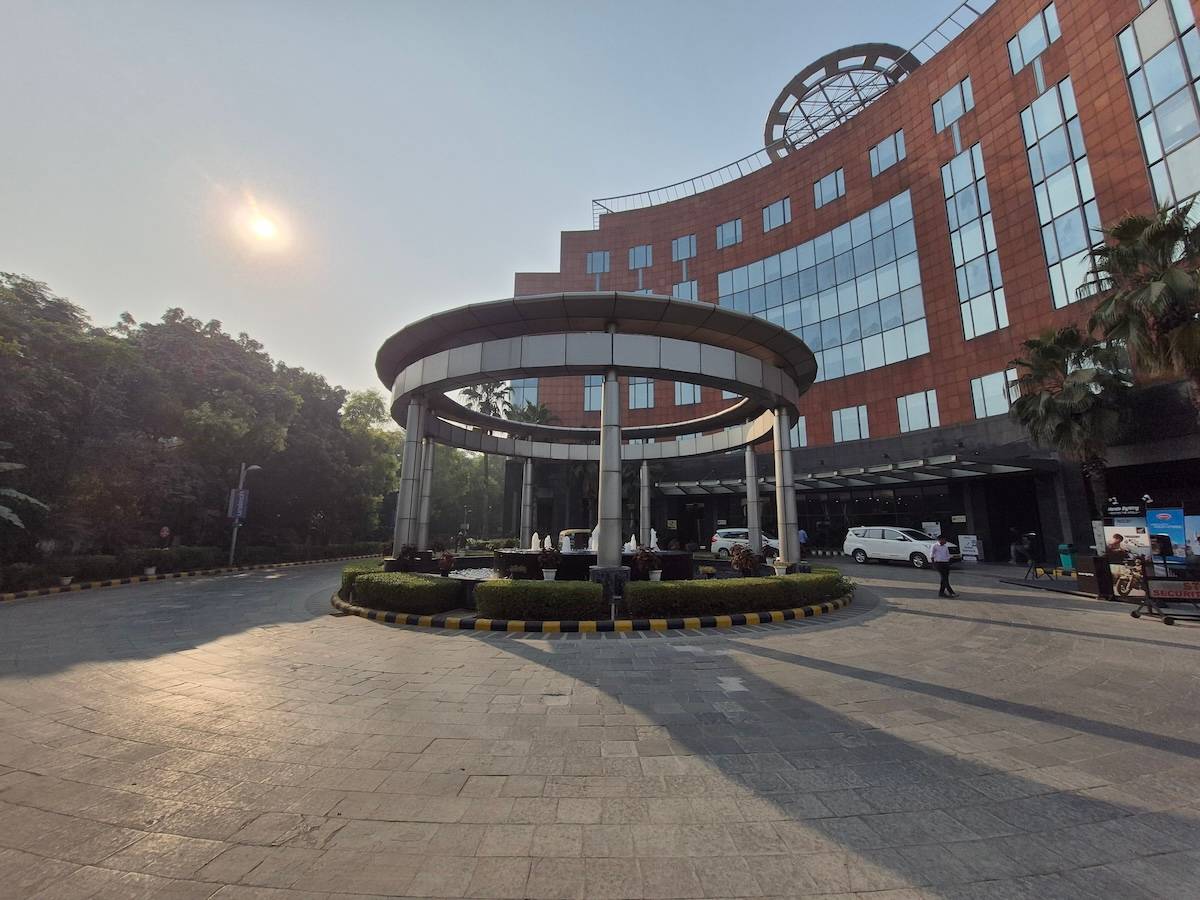
Below you can see how the Find X8 camera produced a better picture than the OnePlus 12.
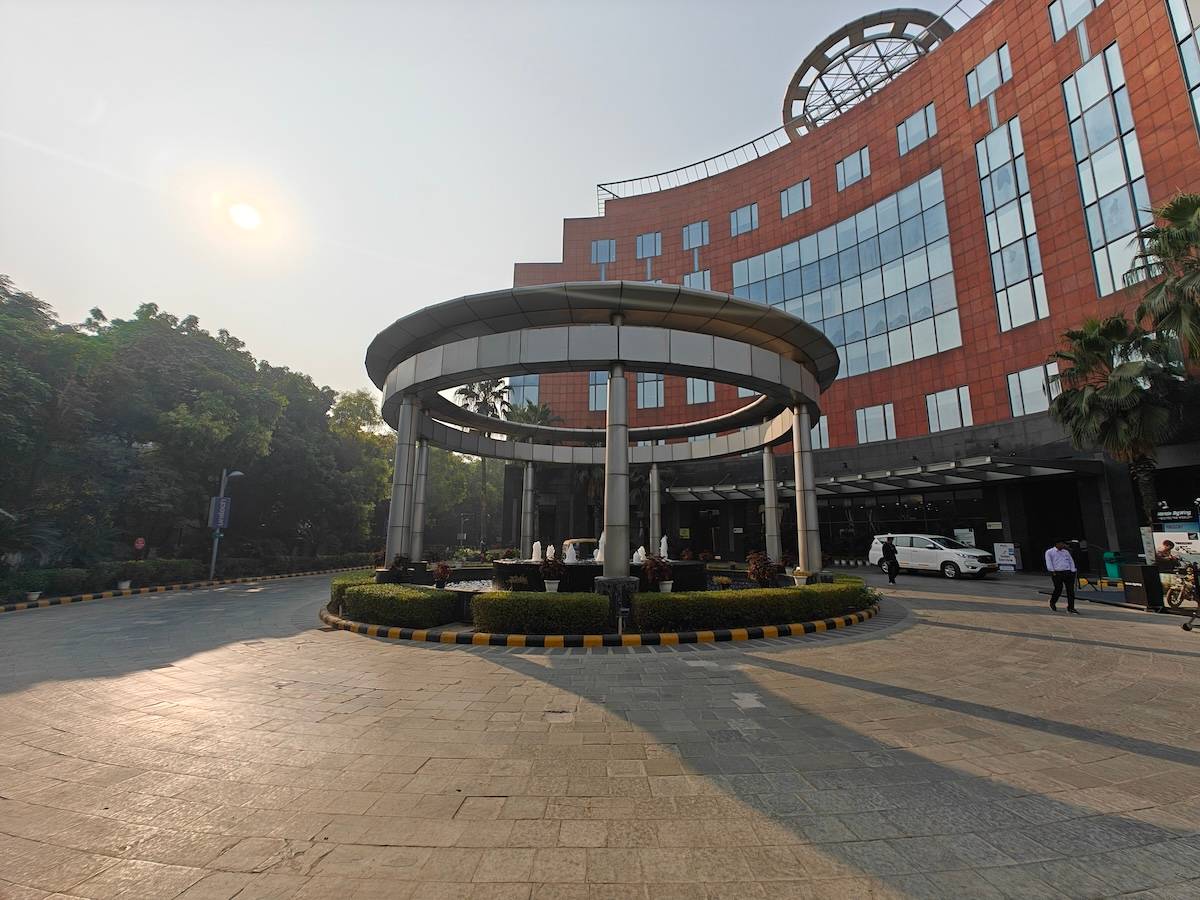
Portraits
This was not even a close contest as the facial details captured by the Find X8 were miles clear of the other two phones. Not only did the phone capture details well, but it also reproduced skin tone better.


The only aspect where the OnePlus 12 did a better job than the Find X8 was the application of the bokeh effect. Although the Find X8 performed edge detection better, its application of the bokeh effect was more aggressive than the more natural application by the OnePlus handset. Below you can see the comparison between the OPPO and the Samsung handsets.

Selfies
As far as the front camera performance is concerned, the Galaxy S24 FE turned out to be the best performer as the Samsung handset captured skin tones well with the front shooter. As you can see, the Find X8 overly processed the image which took away its natural colour.


On the other hand, the OnePlus 12 ashen the face to a point where its natural reddish tint was compromised.

Low light
In the low-light scenario, the Galaxy S24 FE took the brightest image of the lot but it lost details and colour accuracy in the process of brightening the image. In comparison, the image taken with the Find X8 was rich in details, as can be seen by zooming in, and was colour-accurate too.
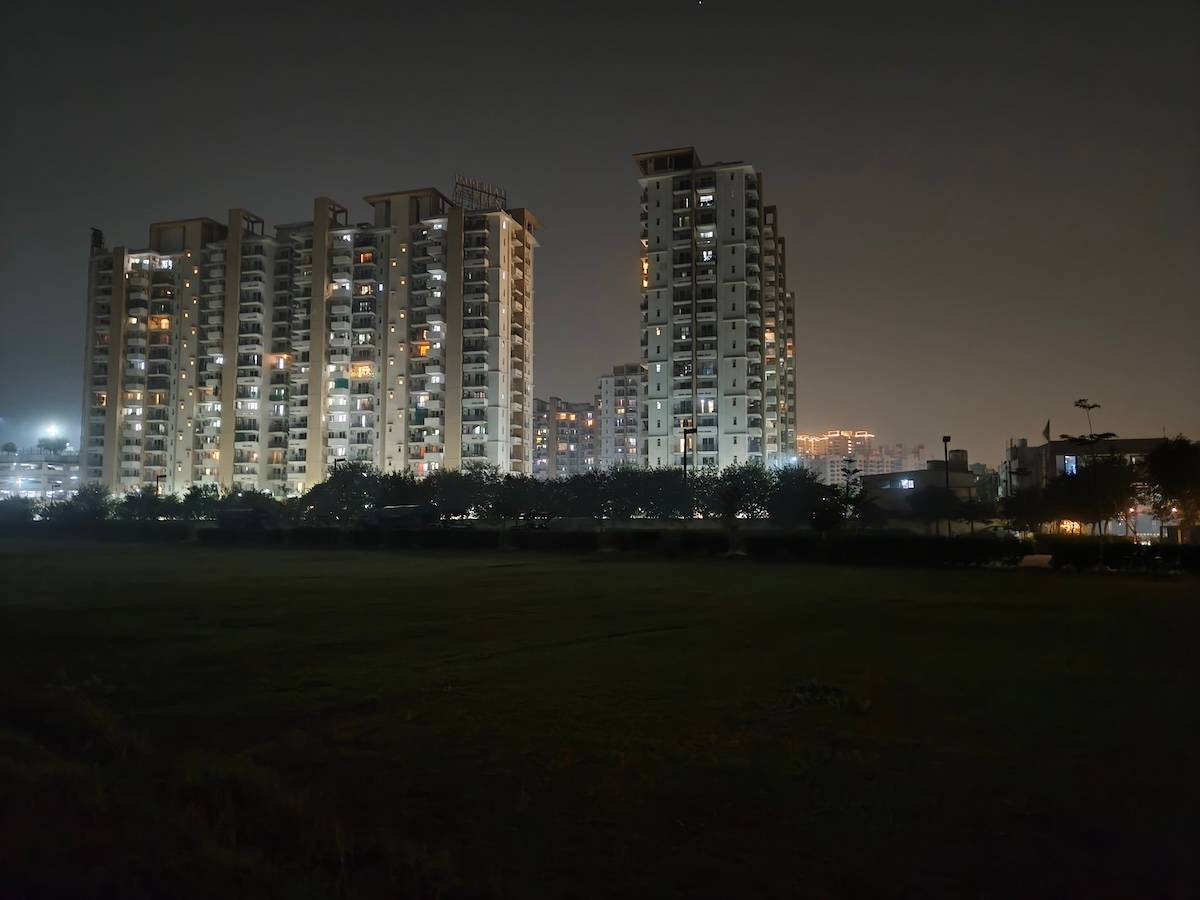
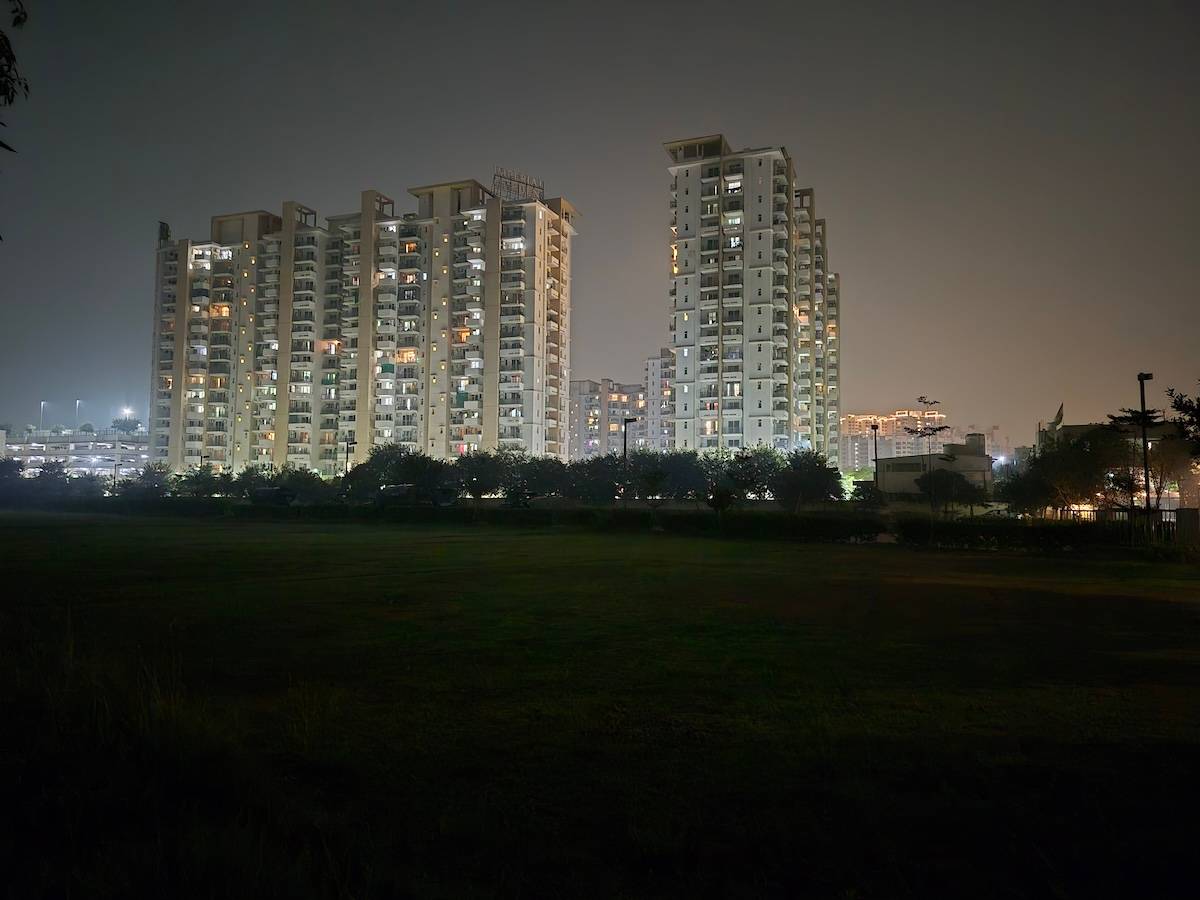
While the OnePlus 12 camera sample taken in this setting was more colour-accurate than the Galaxy S24 FE, it didn’t have the same amount of detail that the Find X8 sample had.

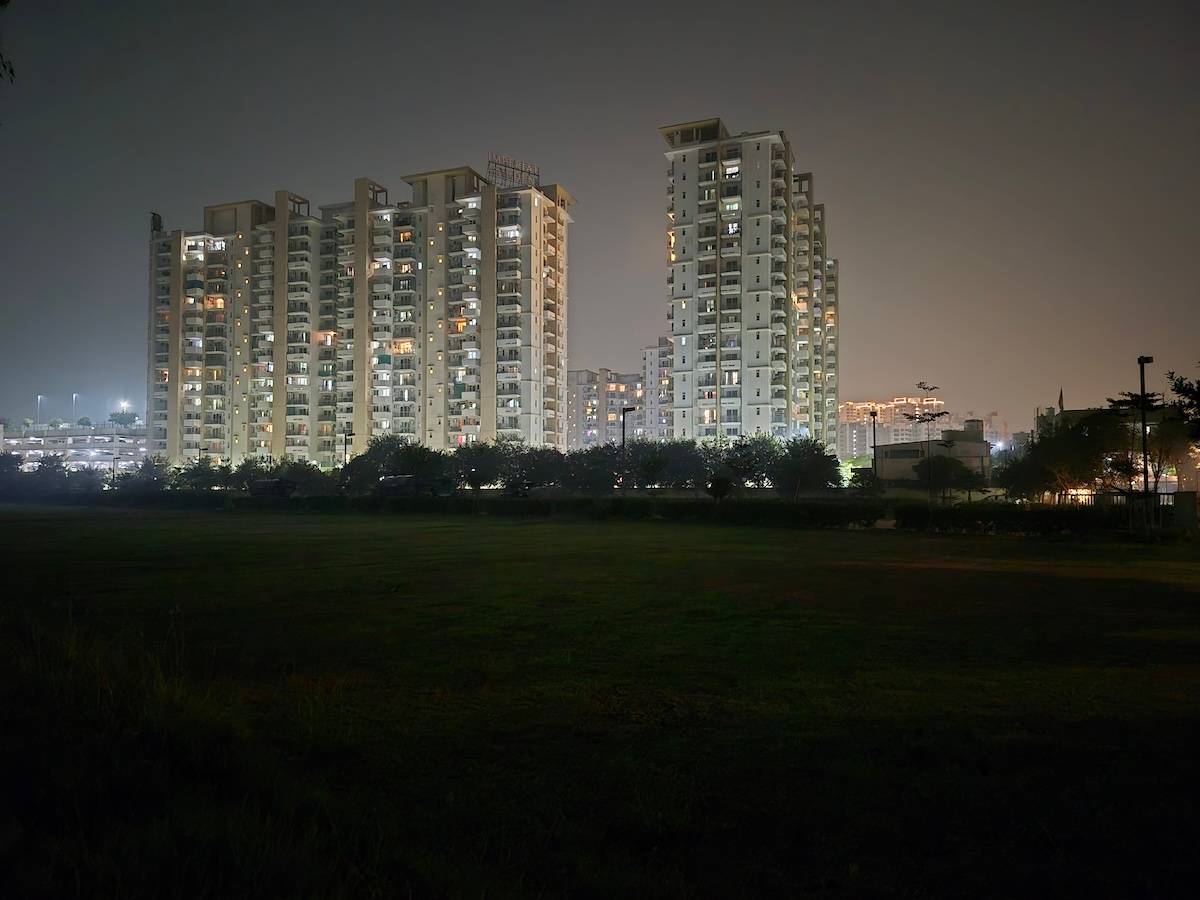
Night mode
After manually enabling the night mode, the OnePlus 12 managed to take the best image out of all three smartphones. While the Find X8 captured colours well, it could not capture the details as well as the OnePlus handset.


The Galaxy S24 FE again brightened the image way too much, compromising both colour and details in the process.
Videos
The Find X8 is capable of recording videos in up to 4K resolution at 60fps. You can choose to enable the HDR option to record videos in 10-bit HDR (Dolby Vision) with the handset and get vivid visuals. The video mode offers up to 18x digital zoom and even comes with ‘Stage’ and ‘Fireworks’ video modes that encourage you to capture videos in these settings.
The most interesting feature here is ‘Ultra Steady’ mode, which lets you record impressively stable videos even with your hand. I tested this feature and found that it works quite well.
Performance and Software
As I mentioned earlier in this review, the Find X8 is powered by the MediaTek Dimensity 9400 chipset. This chipset has been manufactured using TSMC’s second-generation 3nm fabrication process and features one ARM Cortex-X925 performance core clocked at 3.62GHz, three Cortex-X4 performance cores clocked at 3.30 GHz, and four Cortex-A720 efficiency cores clocked at 2.4GHz. As you can see from the on-paper specifications, this top-of-the-line chipset comes with incredibly solid hardware. The Find X8 can be purchased in two configurations – 12GB RAM + 256GB storage and 16GB RAM + 512GB storage. Check out the benchmark scores registered by the handset against its chief rivals in its price category below.
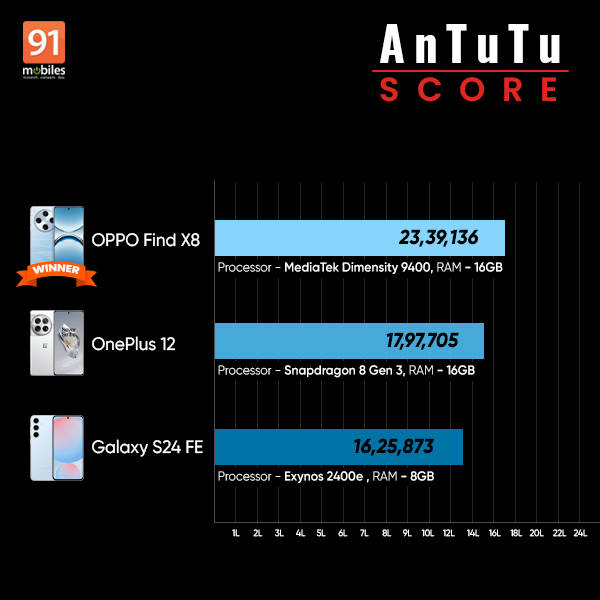
As you can see from the AnTuTu scores, the X8 comfortably outperforms its rivals – the OnePlus 12 and the Samsung Galaxy S24 FE. The handset even outperforms most other smartphones in higher price categories on this benchmark. Along with the Snapdragon 8 Elite, the Dimensity 9400 is the best chipset you can get on an Android phone right now.
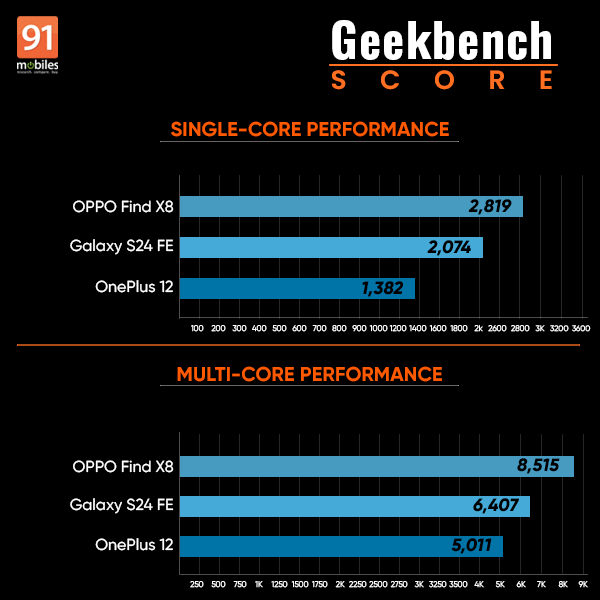
The same trend continues in the Geekbench test as the X8 takes a clear lead ahead of the OnePlus 12 and the Galaxy S24 FE. This goes to show how powerful this phone is, but does it hold up equally well in real-world usage? Let me answer this for you.
In my time with the Find X8, I didn’t encounter any issues with its performance. Be it graphically demanding games or general use, the phone hardly breaks a sweat in any use case. The phone comes with a silicon carbon battery, which results in great thermal efficiency while playing games as the phone hardly heats up even after long gaming sessions.
If anything, some of you might think that this much processing power is overkill as it tackles any task that you throw at it with utmost ease. However, keep in mind that having such a capable processor ensures that your daily driver will be future-proof and when you are going for a flagship offering, this is definitely a key point to consider.
Coming to the software, the ColorOS 15 brings some interesting features into the mix. While the software experience with the phone is largely clean, it does come with 58 pre-installed apps (6 third-party apps). While many of these apps are decent, some are clearly unnecessary. If you can look past these, you get a silky-smooth experience in UI navigation as the brand has introduced over 800 new animations with this software iteration. While this might just look like a number, you can see the difference when you use the phone and the UI navigation feels better than ever.
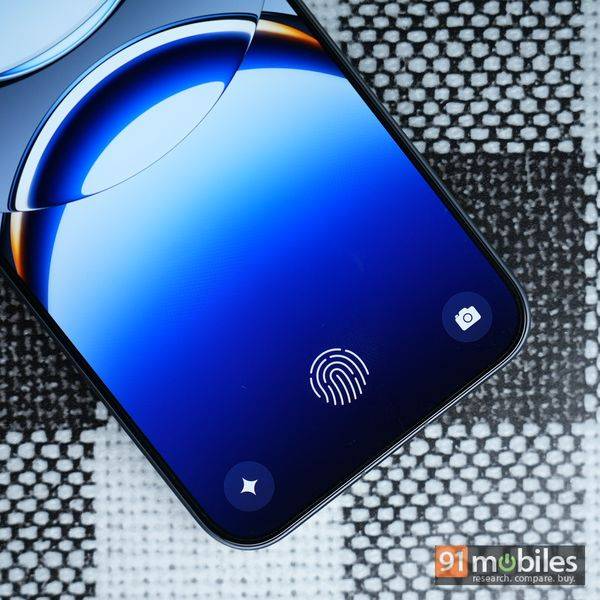
With the new ColorOS, you also get AI editing tools such as Remove reflections, Unblur, AI Eraser, and Enhance clarity. As these names are pretty self-explanatory, I won’t go into detail explaining what they do but I’ll definitely tell you that they all work really well. Barring a few photos, these features managed to enhance photos just as advertised. I’ve shared an example of ‘Remove reflections’ feature down below.
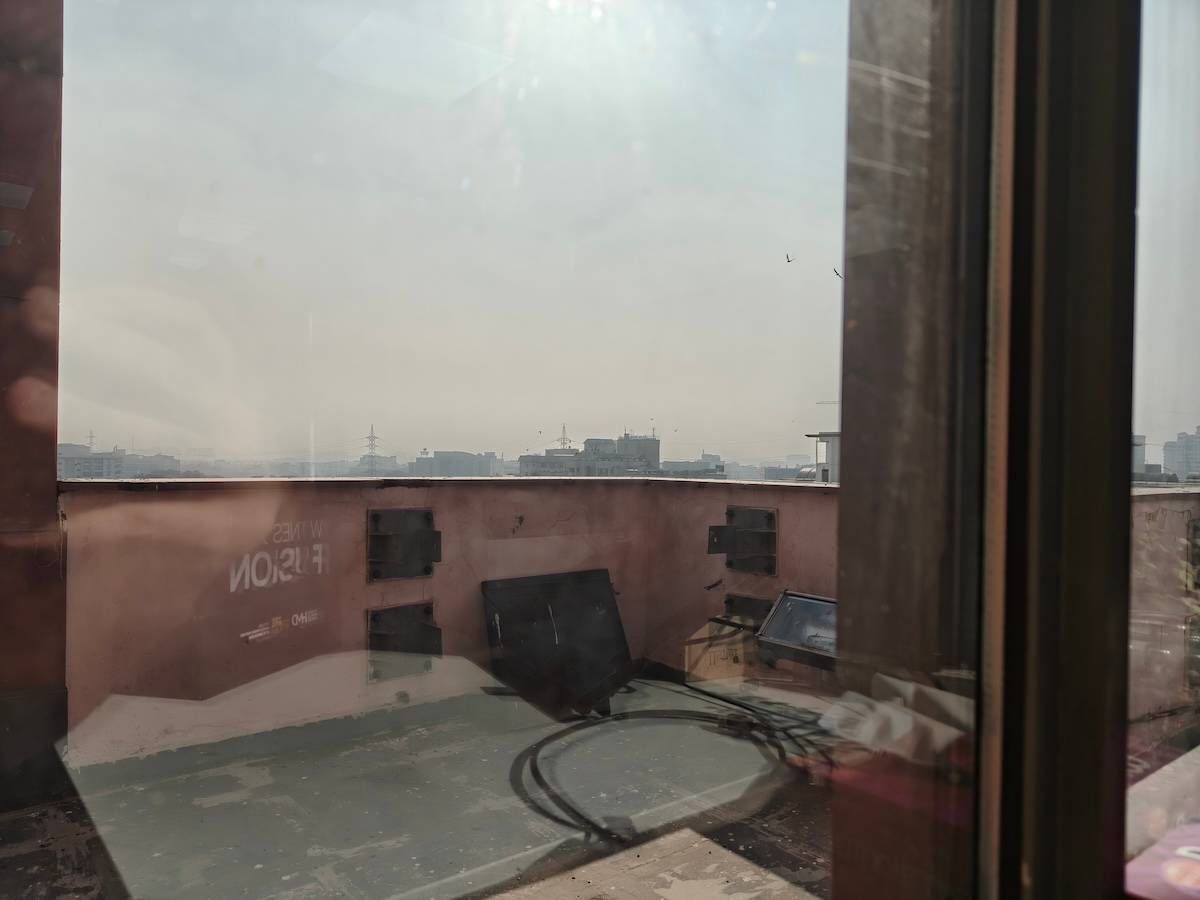
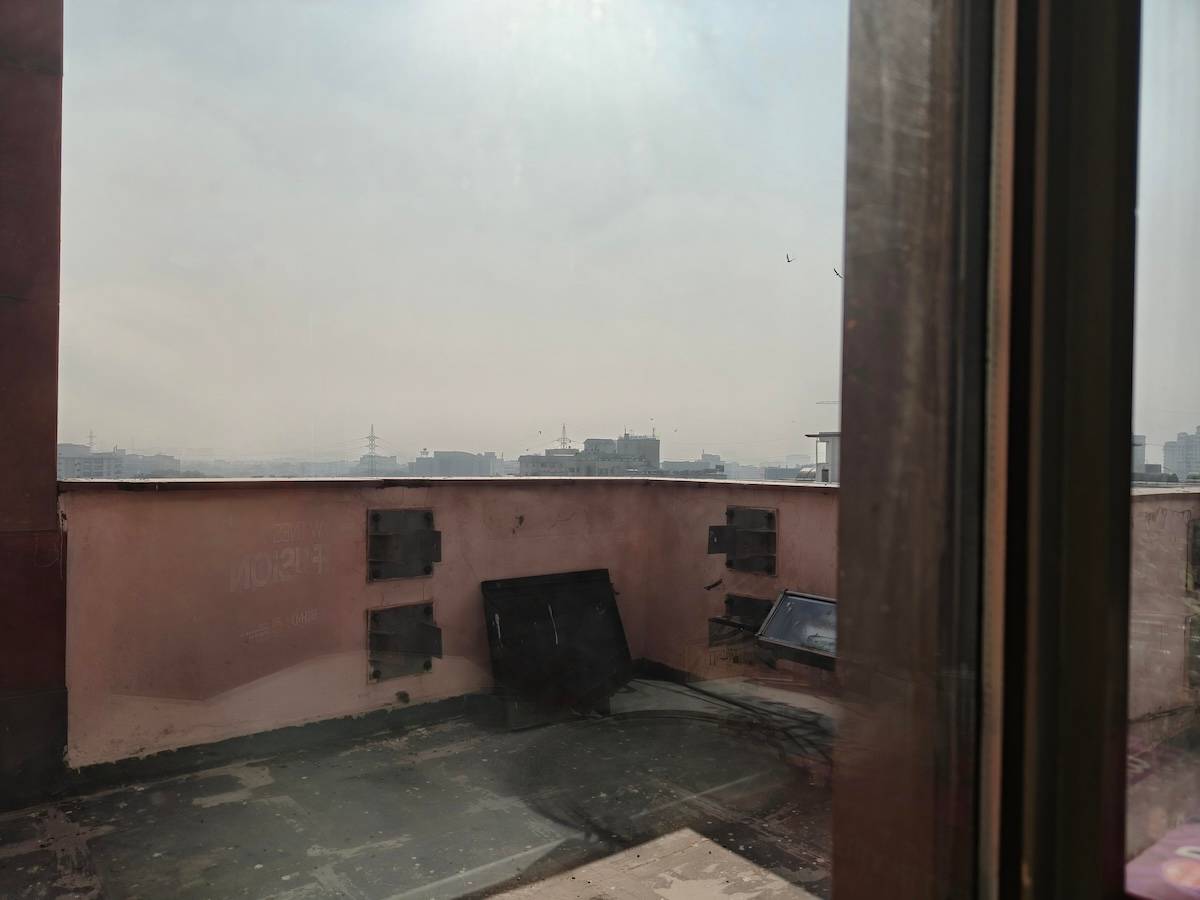
As you can see, the handset did a good job of removing unwanted reflections. While this feature is not able to work as successfully 100 percent of the time, it does a good job when it gets it right. Apart from these, you also get the other AI tools that we’ve already seen and liked on the Reno 12 series – AI Summary, AI Writer, AI Speak, and so on.
The Circle to Search feature, which was first introduced on Samsung flagship phones and has since made its way onto other Android phones, is available on the Find X8 as well. You can simply press and hold the home button/gesture bar at the bottom of the screen and then choose to search for anything on the screen by drawing a circle (enabled via Google Search). This can have multiple use cases but the most useful one is buying things that you stumble across online but know nothing about.
| Smartphones | OS Updates |
| OPPO Find X8 | 4 years OS + 6 years security |
| Samsung Galaxy S24 FE | 7 years OS + 7 years security |
| OnePlus 12 | 4 years OS + 5 years security |
Battery and charging
The Find X8 ships with a 5,630mAh battery and comes with 80W SUPERVOOC wired charging support and 50W AIRVOOC wireless charging. In regular usage, I got over a day’s worth of battery life… only having to charge the phone by the afternoon of the second day. However, my usage didn’t align with the PCMark test that we ran on the handset. The phone lasted 10 hours and 7 minutes. In comparison, the OnePlus 12 managed to last 11 hours and 24 minutes with a smaller 5,400mAh battery. In fact, even the Galaxy S24 FE with a much smaller 4,700mAh battery managed to last 11 hours and 20 minutes in this test.
As far as charging speeds are concerned, you can see the comparison between these handsets down below.
| Smartphone | Wired Charging speed | Charging time (20 to 100 percent) |
| OPPO Find X8 | 80W | 42 minutes |
| Galaxy S24 FE | 27W | 76 minutes |
| OnePlus 12 | 100W | 40 minutes |
From the table above, you can see that despite offering slower charging speeds, the Find X8 performed really well in this test and walked toe-to-toe with the OnePlus 12.
Final verdict
OPPO Find X8 is a compact flagship phone that offers robust performance, thanks to its powerful MediaTek Dimensity 9400 chipset. The phone offers a great in-hand feel, flawless multitasking, and a seamless gaming experience to make a strong case for itself. It also offers an extremely capable camera setup that allows for some stunning zoom shots through its periscope lens. With AI image editing tools, the handset can even improve imperfect photos. However, the phone’s excessive pre-installed apps hamper the otherwise decent software experience. At a starting price of Rs 69,999, the Find X8 has been priced sensibly by the brand and it would be well-suited to most people looking for a new phone.
Editor’s rating: 8 / 10
Reasons to buy
- The powerful MediaTek Dimensity 9400 chipset enables the phone to easily handle demanding tasks.
- The phone offers a compact in-hand feel, thanks to thin bezels and an ideal display size.
- The 73mm periscope camera is capable of taking some stunning 3x zoom shots.
- The Find X8 offers some good image editing features such as AI reflection remover, AI Unblur, and more.
Reasons not to buy
- Too many pre-installed apps.
- The AI enhancements can oversharpen the images at high zoom levels.