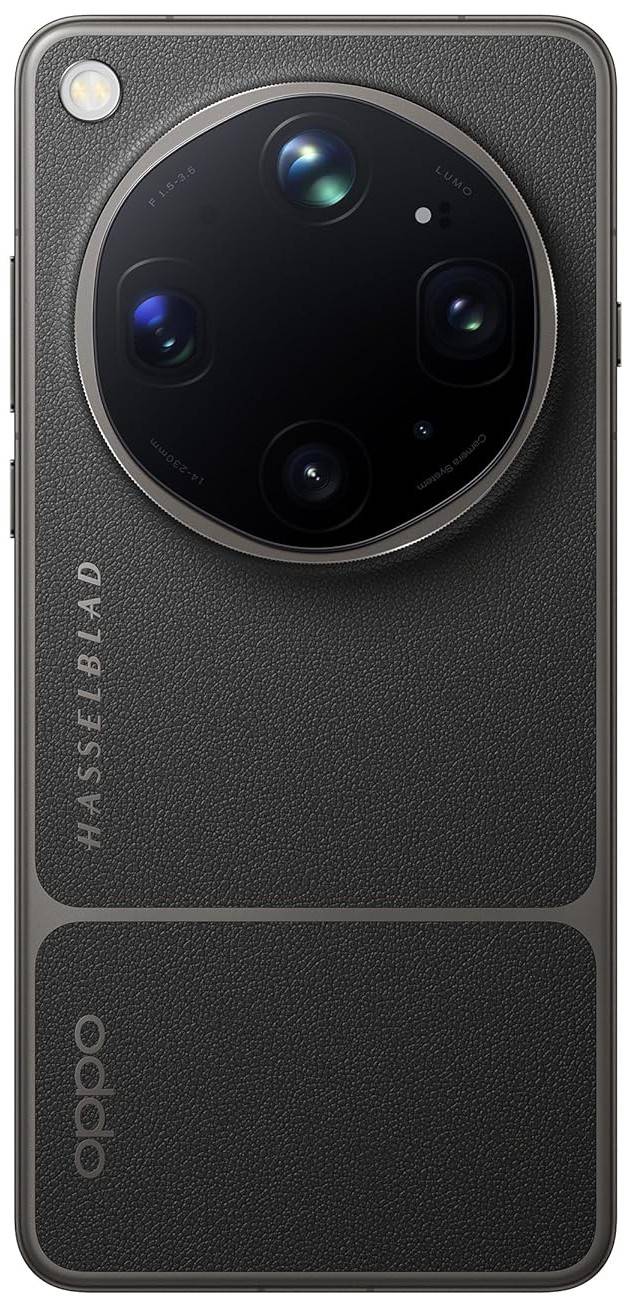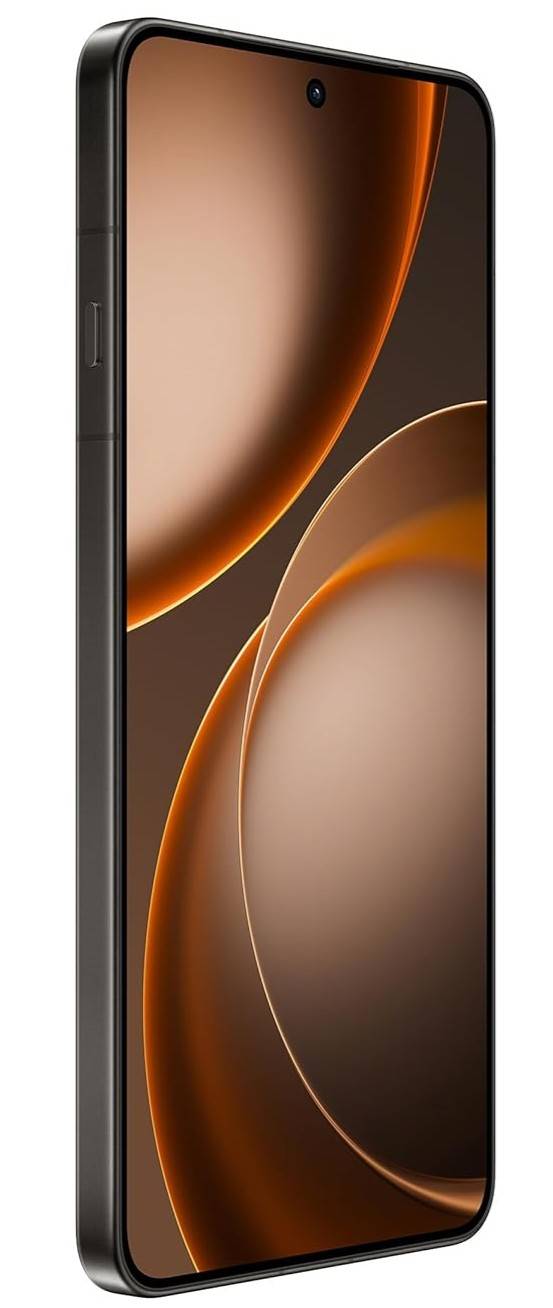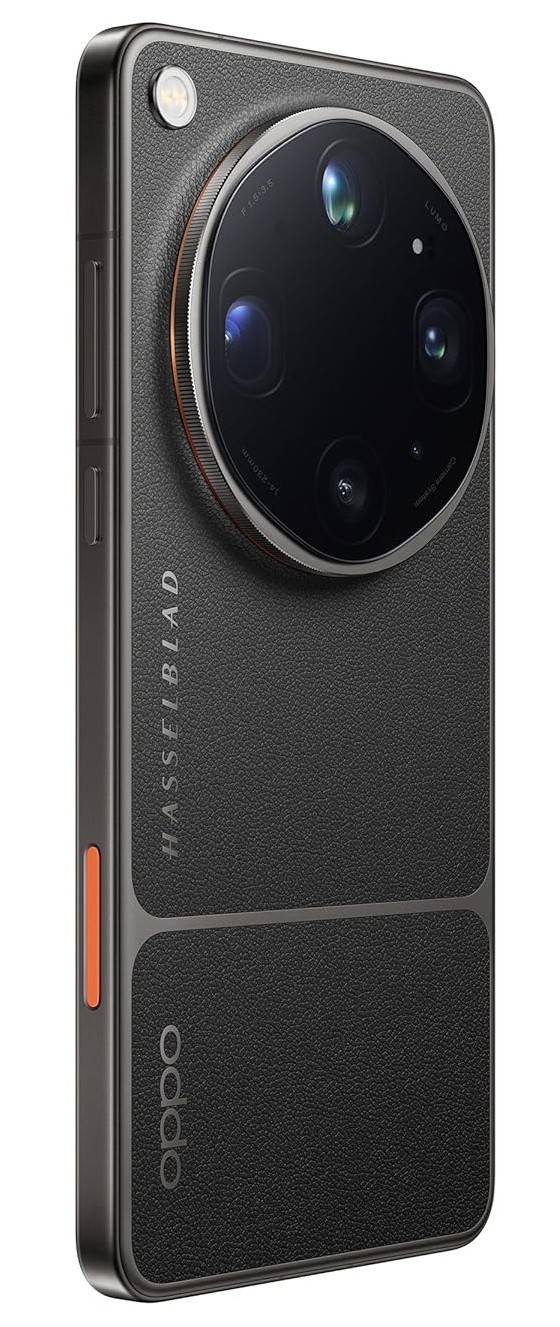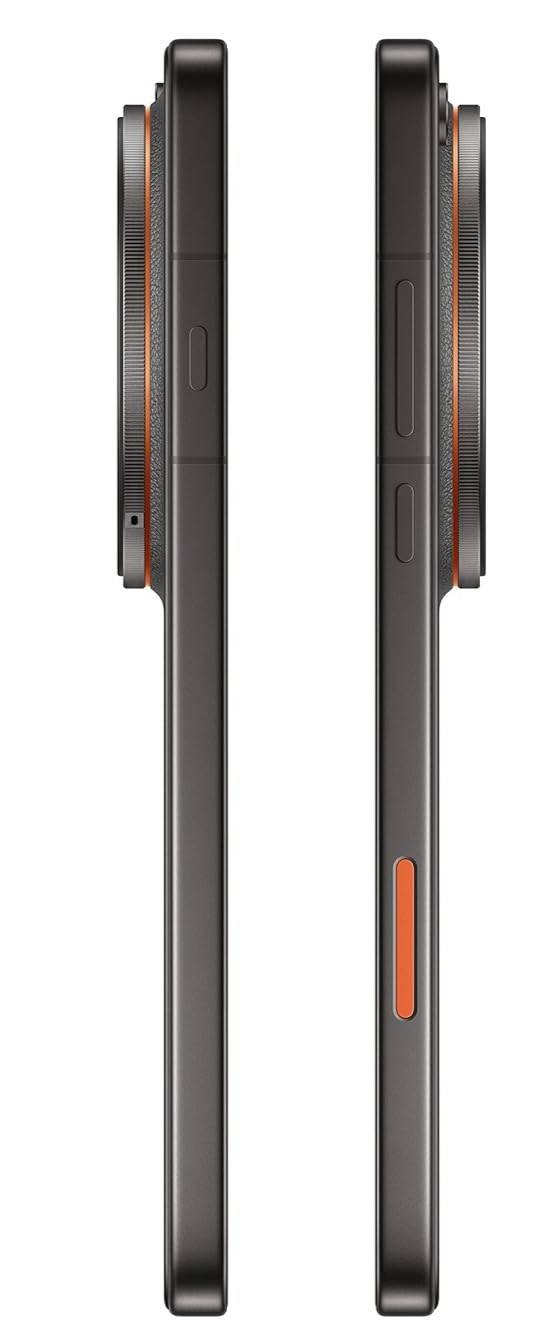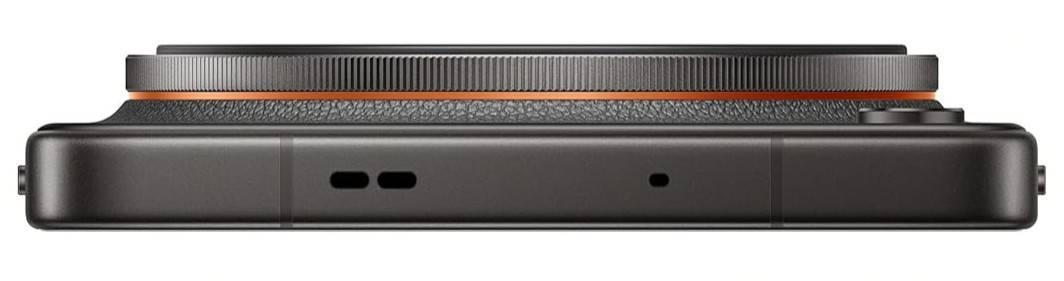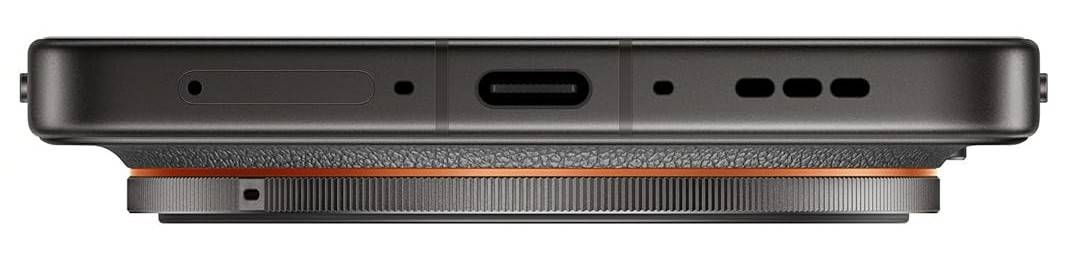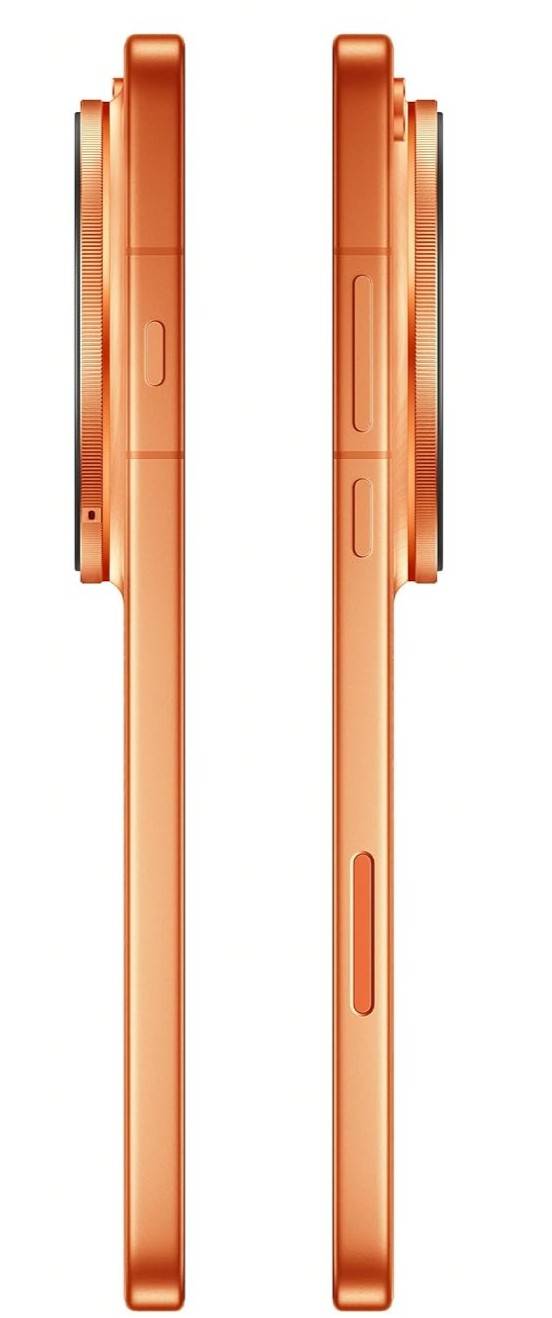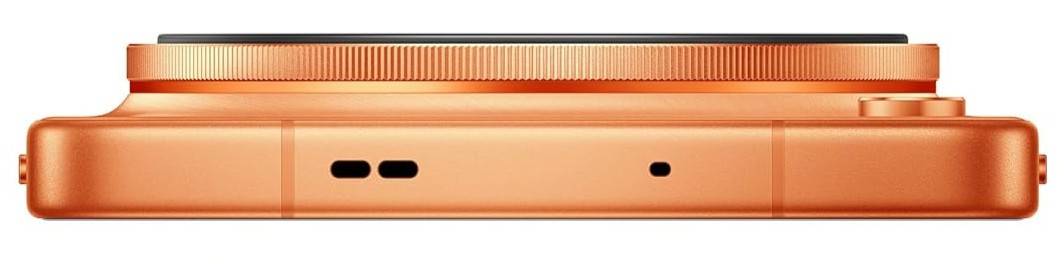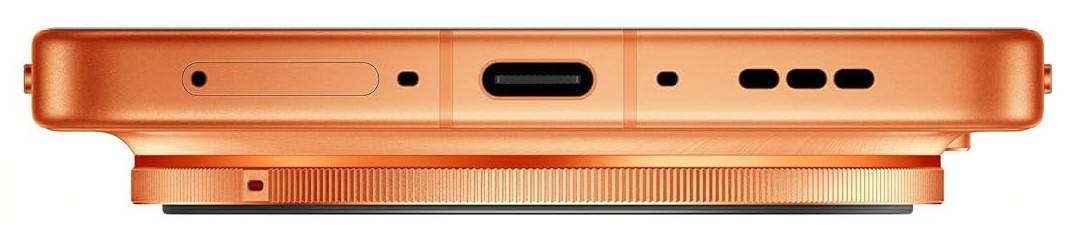
OPPO has confirmed that the upcoming OPPO Find X9s and OPPO Find X9 Ultra will launch in India on May 21st, expanding the company’s Find X9 lineup in the country. The Find X9 Ultra will become the company’s first Ultra-branded flagship to officially launch in India, placing OPPO directly into the super-premium category as the Samsung Galaxy S26 Ultra, Vivo X300 Ultra, and Xiaomi 17 Ultra. All three phones compete around camera hardware, zoom performance, and professional-grade video features, which is the direction OPPO is taking with the X9 Ultra as well.
At the same time, the Find X9s appears designed to cover a different type of buyer. It is a sub-flagship for users who still want flagship cameras and performance, but in a slimmer and relatively less intimidating form factor.
Launch details and availability
The Find X9s and Find X9 Ultra were first introduced globally in April alongside the the compact X9s Pro. In India, the phones will join the existing OPPO Find X9 and OPPO Find X9 Pro lineup and will be available in India via Amazon, Flipkart, and OPPO’s online store. The standard Find X9 launched in India last November starting at Rs 74,999, while the Find X9 Pro debuted at Rs 1,09,999.

The Find X9 Ultra is expected to sit above both phones in pricing and positioning. Given the hardware being offered, especially the dedicated 10x optical zoom camera system, the device will likely enter the Rs 1.3 lakh flagship segment currently dominated by Samsung, Vivo, and Xiaomi. The Find X9s should meanwhile slot itself somewhere close to the Find X9’s pricing, since the rising DRAM costs have made even sub-flagships more expensive. Final pricing and availability for both devices will be announced at launch on May 21st, though a tipster suggested the OPPO Find X9s will launch in India around Rs 70,000.
Specifications and features
OPPO Find X9 Ultra
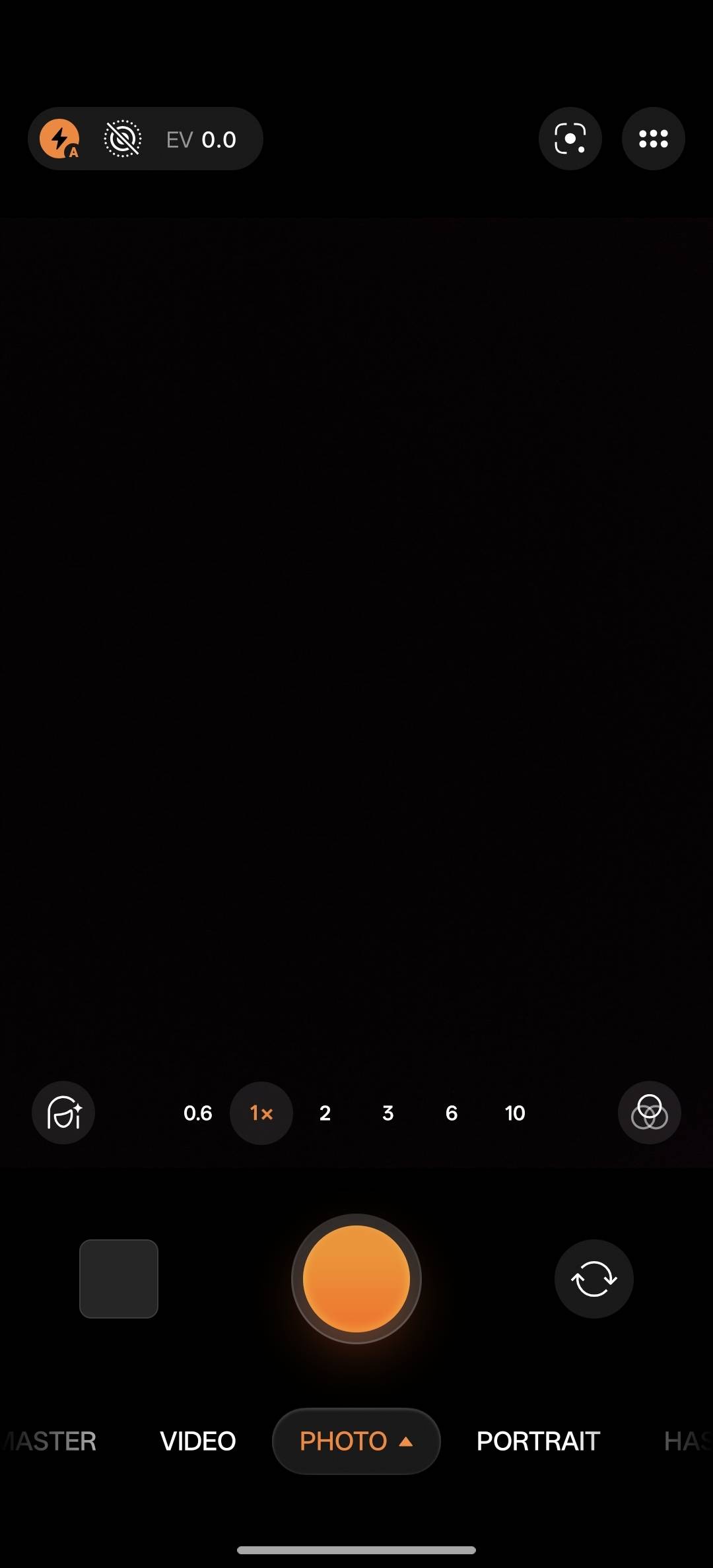
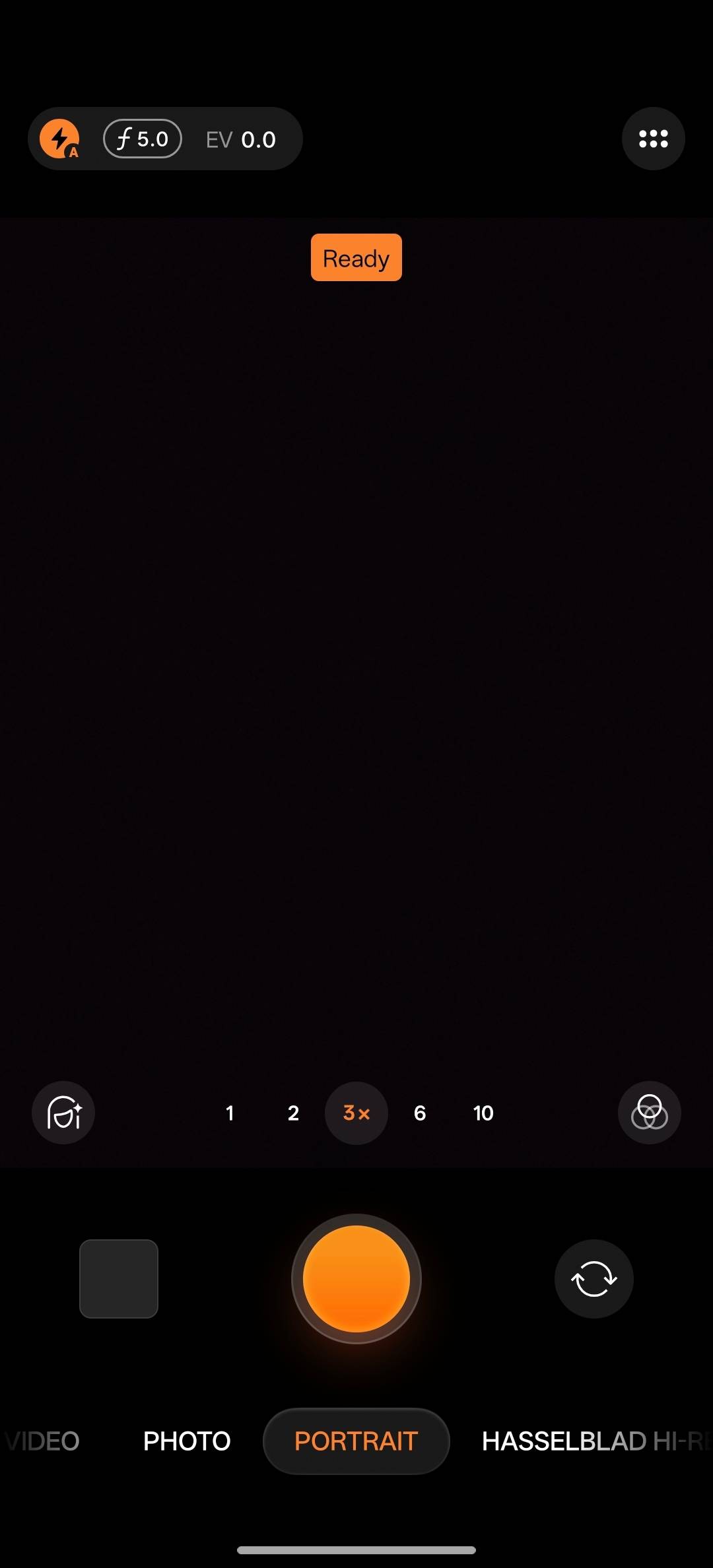
- 200MP main camera, 200MP 3x telephoto camera, 50MP 10x optical telephoto camera with 230 mm equivalent focal length
- New Hasselblad Master Camera System with LUMO Image Engine
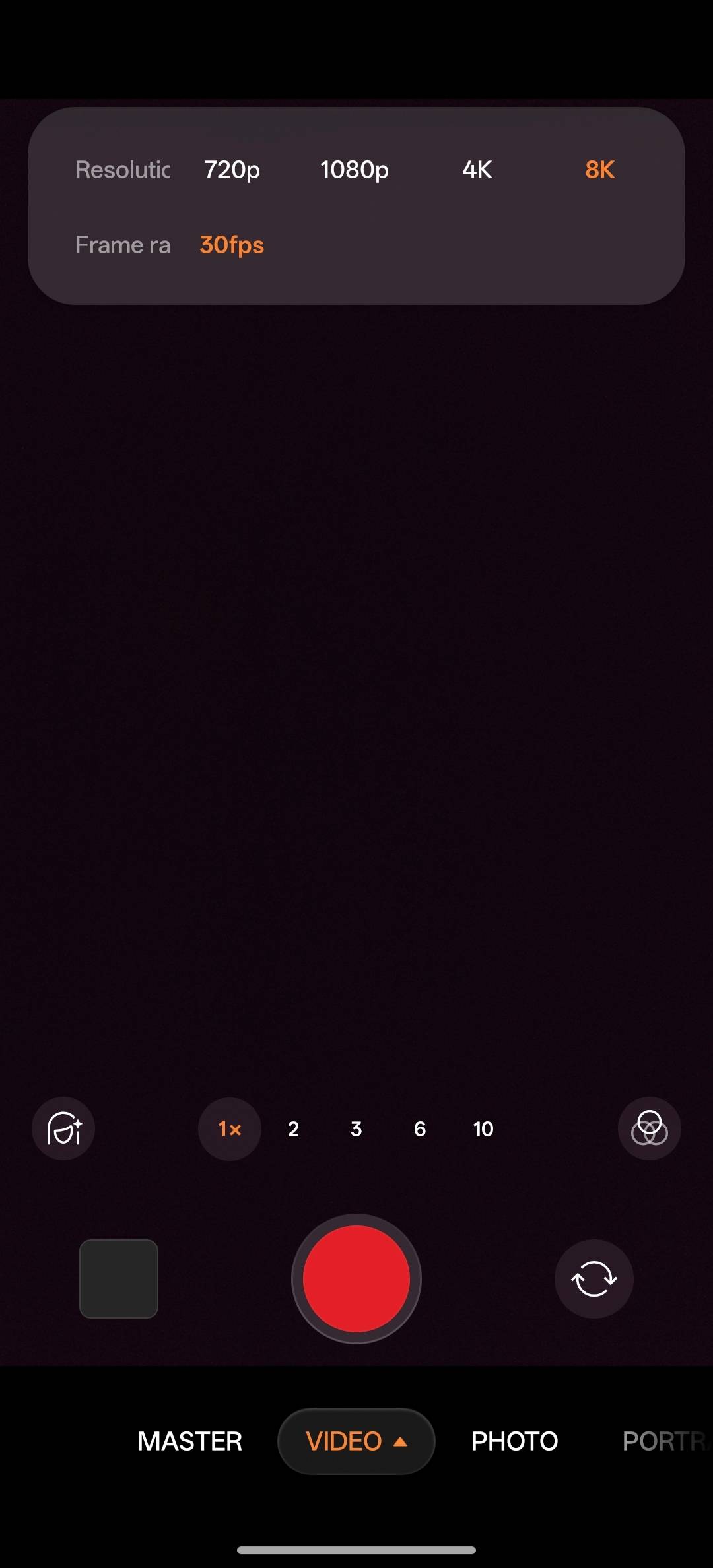
- 8K 30fps and 4K 120fps video recording
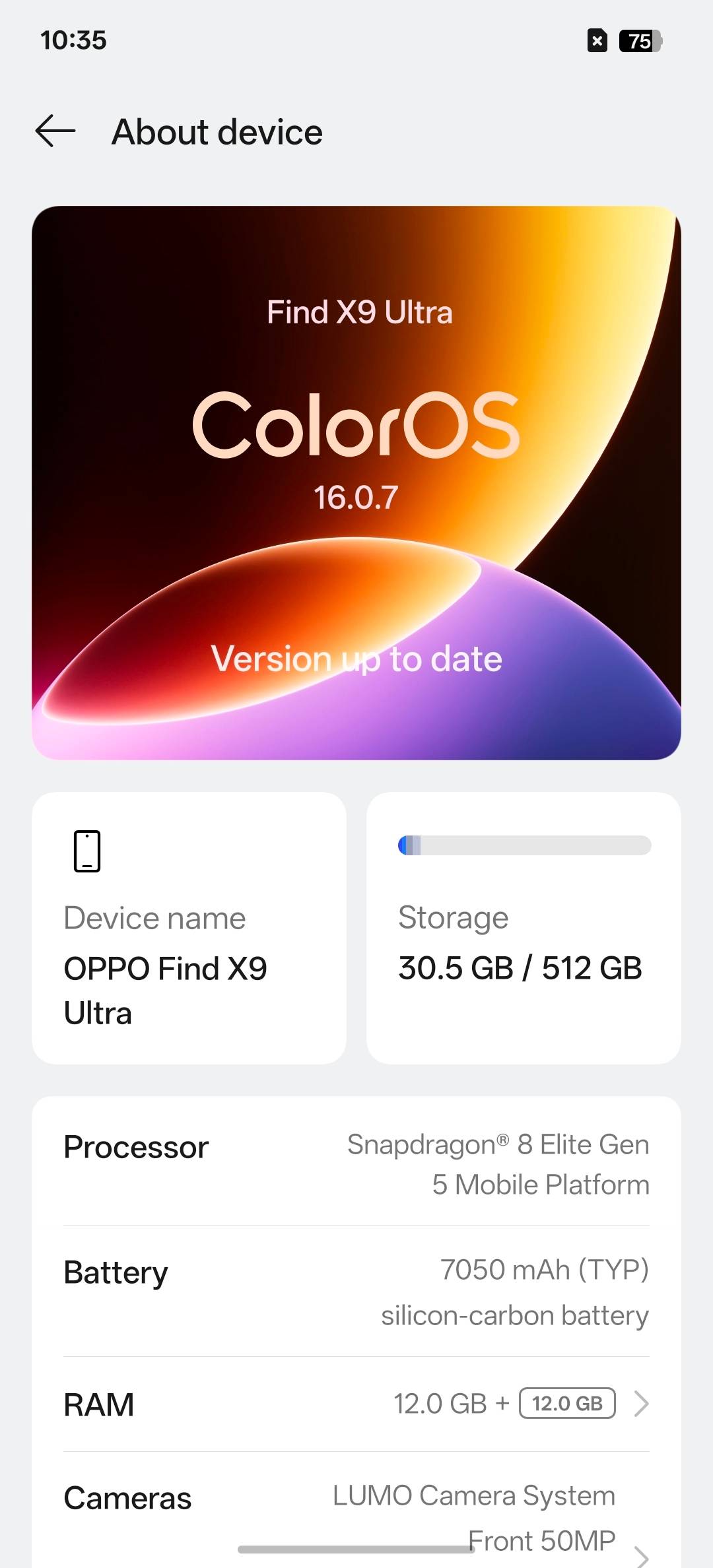
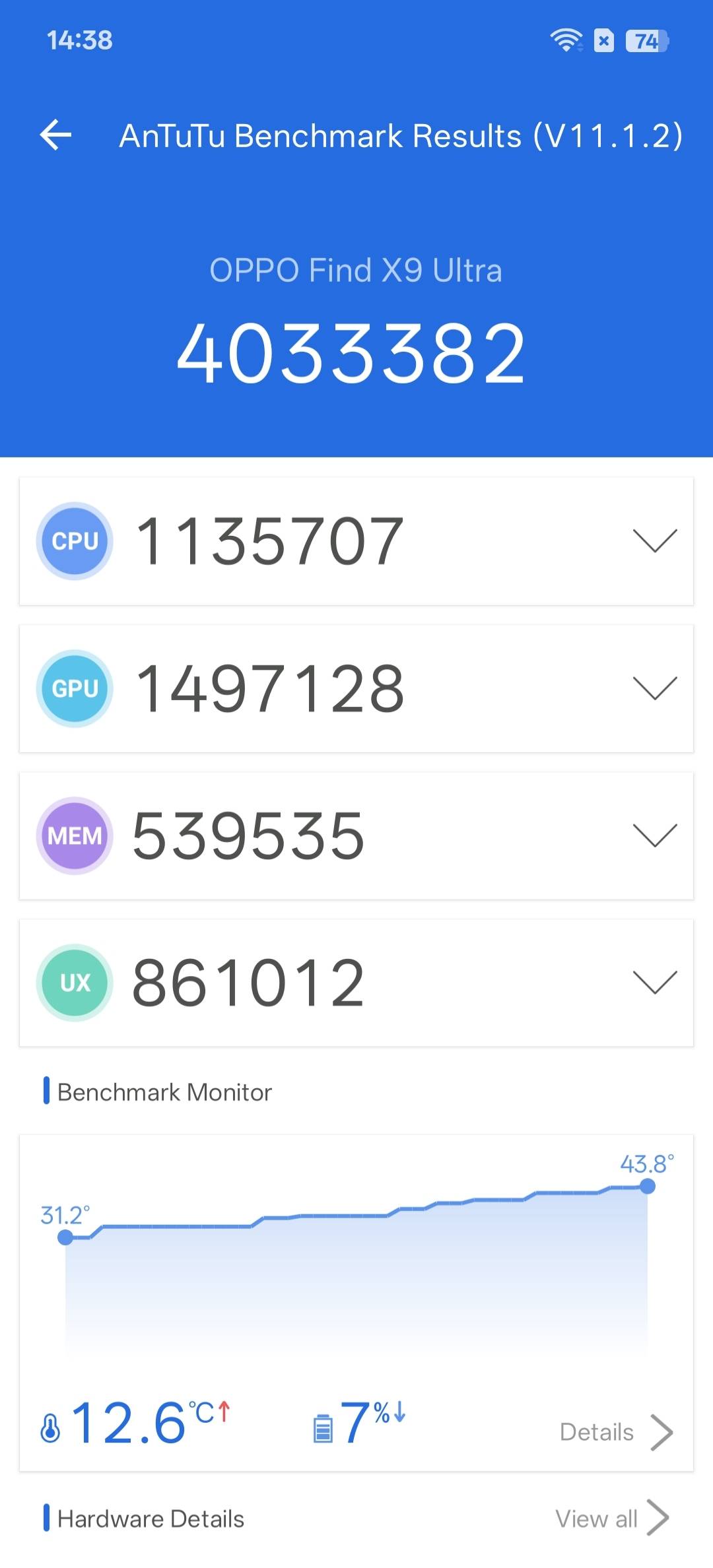
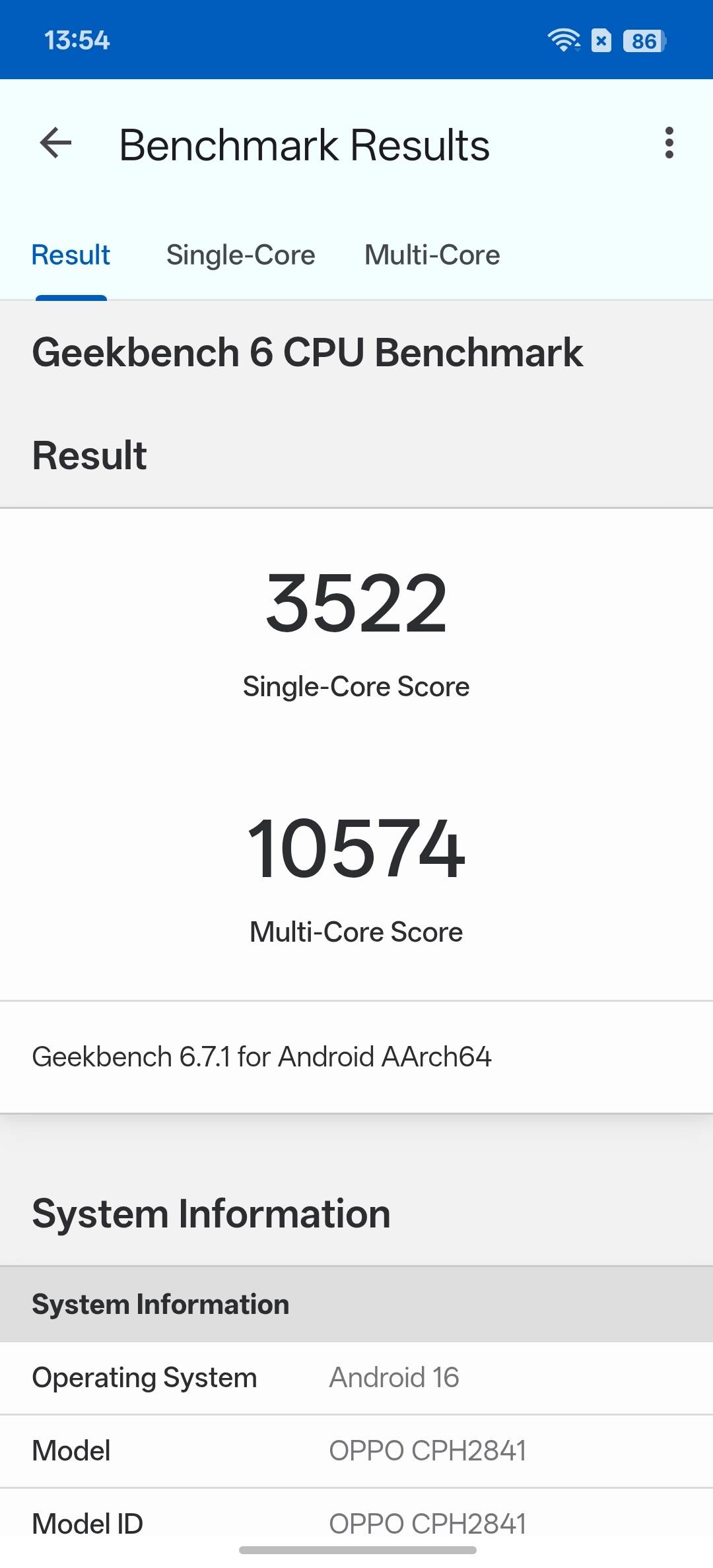
- Qualcomm Snapdragon 8 Elite Gen 5 chipset with OPPO Trinity Engine
- 3D Cryo-velocity Cooling System
- 7,050mAh silicon-carbon battery
The biggest talking point on the Ultra is clearly the camera system, especially the dedicated 10x optical telephoto lens. Most flagship phones today still rely on cropping and computational processing once zoom levels increase. OPPO is instead pushing optical hardware more aggressively here, particularly for long-range photography and video. This places it in interesting competition with Vivo, which has made its Telephoto Extender Kit more mainstream.
The company also seems to be targeting creators more directly this year. Features like O-Log2 recording, ACES workflows, and custom LUT support are closer to professional camera workflows than standard smartphone features.
OPPO Find X9s
- Triple 50MP Hasselblad camera system
- 7.99 mm slim form factor
- Dual-video capture support
- 4K 60fps Dolby Vision recording across all cameras
- MediaTek Dimensity 9500s chipset
- Trinity Engine
- 7,025mAh silicon-carbon battery
Compared to the Ultra, the Find X9s feels more practical for mainstream flagship buyers. It still offers a large battery and Hasselblad cameras, but without the added size and complexity of the Ultra model’s zoom-focused hardware.
OPPO Find X9 series lineup
The Find X9 lineup now covers multiple segments more clearly than before. The standard OPPO Find X9 remains the mainstream premium flagship, while the X9 Pro focuses more on premium materials and camera hardware. The X9s appears positioned as the slimmer flagship option, while the X9 Ultra becomes OPPO’s most camera-focused device yet.
For buyers, the choice depends on how heavily they actually use smartphone cameras. The Find X9 Ultra is aimed at users who regularly shoot concerts, travel videos, sports, wildlife, or professional-style footage directly on their phones. The X9s, meanwhile, appears more balanced for everyday use while still offering flagship-level cameras, battery life, and performance.
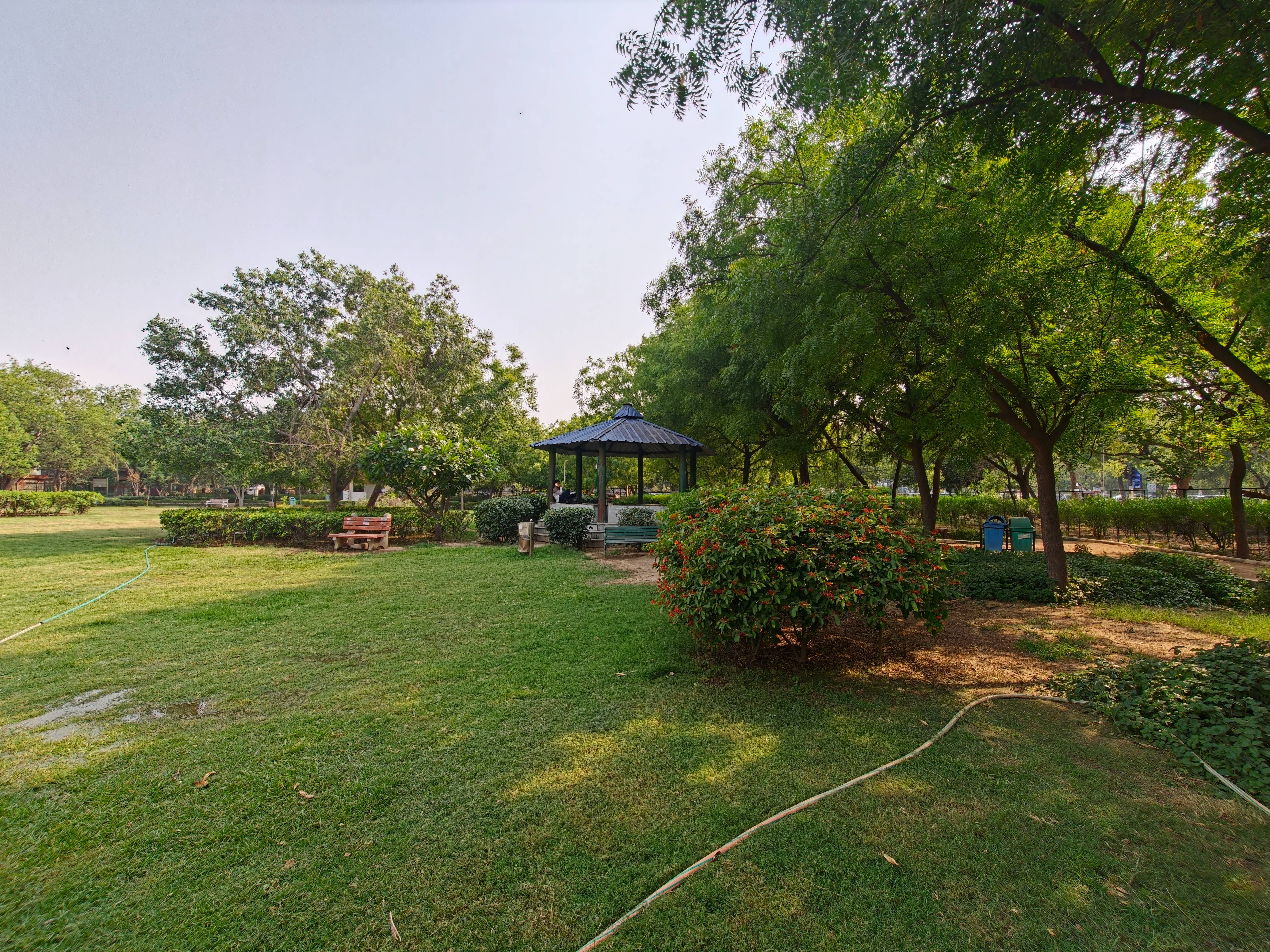
OPPO Find X9 Ultra Images