Realme GT 8 Pro and OnePlus 15 cost the same in India, but how are they different?


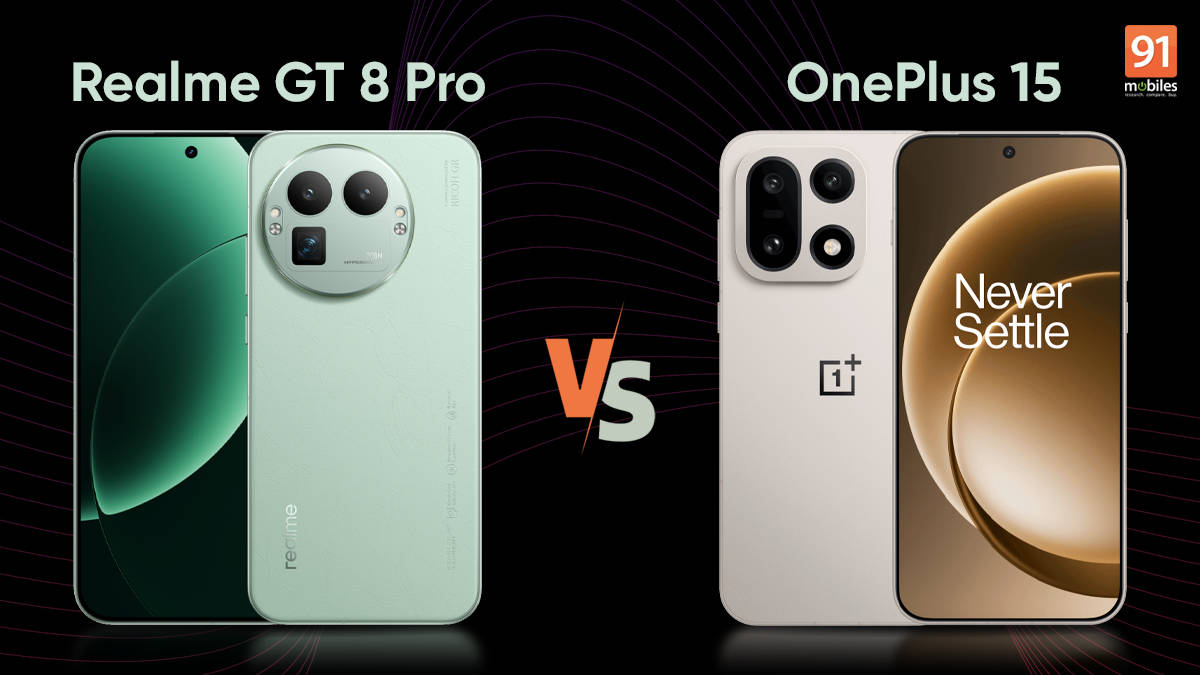
The flagship Android space in India has been lit of late, with launches following launches. OnePlus 15 started things off a week ago, and now Realme GT 8 Pro has joined the bandwagon. They both sit in the same price tier, they’re both powered by Qualcomm’s latest Snapdragon 8 Elite Gen 5 chipset, and they both appeal to pretty much the same target audience. Both starting at Rs 72,999 for the 12GB+256GB variant in India, they’re quite likely to confuse prospective buyers. Let us try to simplify things for you a bit.
Show Full Article
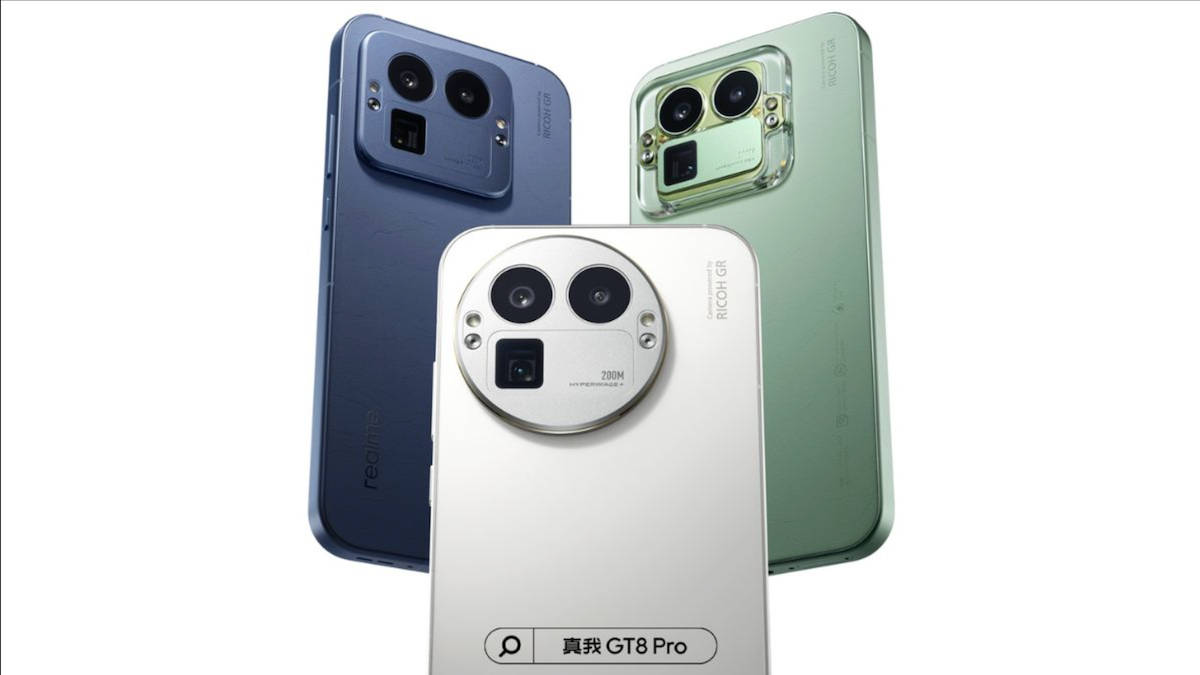
First thing that meets the eye – the design. Arguably, the USP of the Realme GT 8 Pro (review) is its design. It features this unique swappable rear camera island system that lets you switch between three camera module styles. That in itself gives the phone a quirky identity, something you hardly find in the premium segment. The vegan leather finish also makes it feel warm and easy to grip, a nice departure from the usual glossy glass slabs.

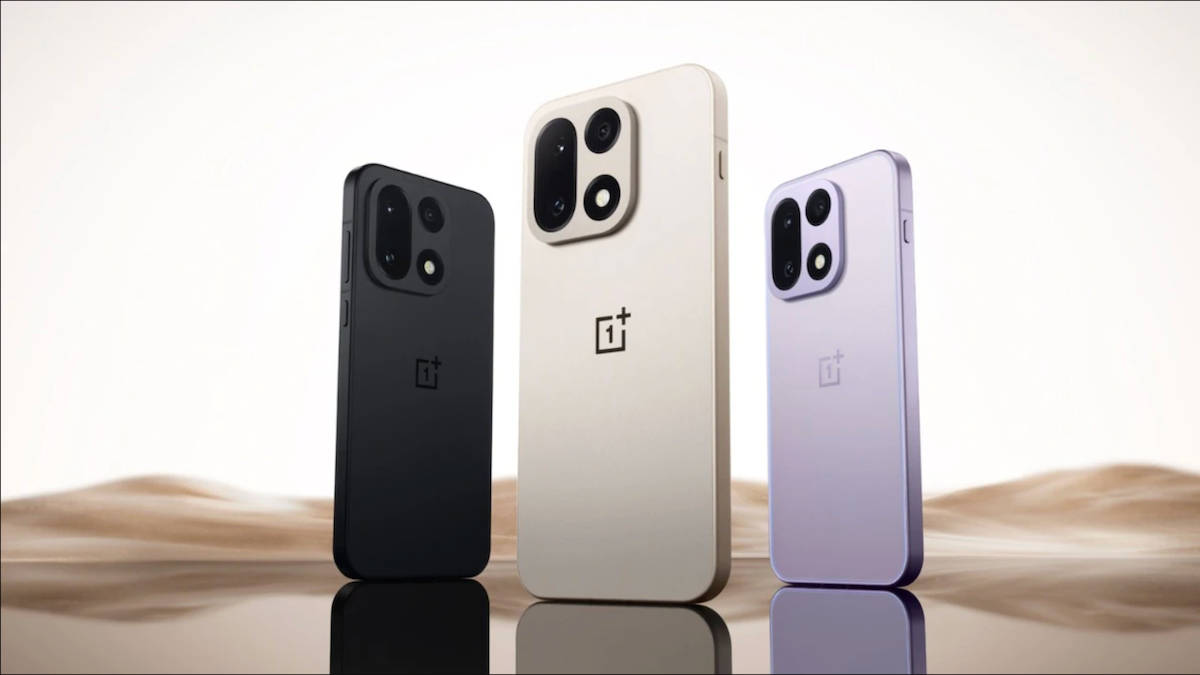
The OnePlus 15, meanwhile, stays loyal to its clean, premium aesthetic. The super-slim bezels give the phone a very refined feel, and build quality is up to the mark. Both phones have full dust and water resistance up to IP68 (and beyond), but OnePlus goes a bit further with IP69K-meaning it can withstand high-pressure water jets. If you want something expressive and playful, Realme is fun. If you love understated, “grown-up” premium design, OnePlus feels more serious and polished.
Move to the displays, and the differences continue. The GT 8 Pro uses a 6.79-inch QHD+ AMOLED panel with a 144Hz refresh rate and up to 2,000 nits peak brightness in High Brightness Mode. It’s vibrant, extremely sharp, and feels like it’s tuned to impress, capable of achieving a peak brightness of 7,000 nits. OnePlus 15, on the other hand, concentrates on smoothness. It has a 6.78-inch FHD+ AMOLED display that goes up to 165Hz with a Sun Display tech to boost outdoor visibility. The Realme phone takes the lead with brightness, as the OnePlus 15 maxes out at 1,800 nits in HBM, but smoothness is where the latter makes a lasting impression. As our review notes, the OnePlus 15 achieved a frame rate of 165 fps in certain games, which the company had been marketing as a noticeable upgrade, even after downgrading the resolution from 2K to 1.5K. Overall, Realme feels flashier with its colour and brightness output, while OnePlus feels more calibrated.
Performance is where both phones are identical on paper, but we got to see some real-world differences. They share the same Snapdragon 8 Elite Gen 5 chipset, the same LPDDR5X RAM options, the same UFS 4.1 storage, and even the same Adreno 840 GPU. It’s the cooling systems that differ. In our internal benchmarks, the Realme GT 8 Pro remained the best performer in its segment, beating the OnePlus 15 and other flagships tested so far. The GT 8 Pro packs a HyperVision AI chip and an in-house R1 graphics chip to improve gaming performance and graphics quality. The OnePlus 15 also targets the same segment with a triple-chip architecture and a CPU scheduler which optimises workloads. The thermal management of both phones is also top notch, with dedicated vapour chambers. Realme uses a massive 7,000 sq mm vapour chamber – one of the largest in this segment – while OnePlus goes with a slightly smaller 5,731 sq mm 3D chamber as part of its Cryo-Velocity setup. However, when we compare absolute numbers, this is how things stand, even though day-to-day performance shouldn’t reflect much of a difference:
AnTuTu score


realme GT 8 Pro
Qualcomm Snapdragon 8 Elite Gen 5
3,932,397

OnePlus 15
Qualcomm Snapdragon 8 Elite Gen 5
3,615,565
AnTuTu assesses a smartphone's CPU, GPU, memory, and overall user experience (higher is better)
Geekbench single-core score
realme GT 8 Pro
Qualcomm Snapdragon 8 Elite Gen 5
3,642
OnePlus 15
Qualcomm Snapdragon 8 Elite Gen 5
3,579
Geekbench assesses the efficiency of the CPU's single and multiple cores (higher is better)
Geekbench multi-core score
realme GT 8 Pro
Qualcomm Snapdragon 8 Elite Gen 5
11,088
OnePlus 15
Qualcomm Snapdragon 8 Elite Gen 5
10,575
Geekbench assesses the efficiency of the CPU's single and multiple cores (higher is better)
Battery life is another area where both brands go all-out. The Realme GT 8 Pro packs a 7,000mAh battery, and OnePlus goes even bigger with a 7,300mAh silicon-carbon cell. Both support 120W wired charging and 50W wireless charging. Endurance should likely be similar in day-to-day use, though the PCMark test run overnight tells a different story.
PCMark Battery score (in hours)
OnePlus 15
7300 mAh
17.1
realme GT 8 Pro
7000 mAh
12.8
PCMark battery test measures phone battery life from 100% to 20% (higher is better)
As you can see, the OnePlus 15 has better battery endurance as per our testing courtesy the larger battery. It also juiced up (marginally) faster in our internal testing than the GT 8 Pro. While the GT 8 Pro took 39 minutes to go from 20 percent to 100 percent, the OnePlus 15 took 30 minutes.
When it comes to cameras, Realme talks up its Ricoh GR partnership this year, looking to give photos a bit more personality with special Ricoh-tuned modes and colour science. The main 50MP Sony IMX906 sensor does well, while the 200MP telephoto lens provides crazy digital zoom levels. For those who enjoy experimenting and appreciate more character in their shots, this approach is refreshing. OnePlus, meanwhile, breaks away from Hasselblad, focussing on computational photography from its DetailMax Engine but using the same Sony IMX906 sensor. The telephoto system feels more reliable, offering clean 3.5x optical zoom. Video is another big divider: OnePlus supports up to 8K 30fps and higher-frame-rate 4K shooting, whereas Realme stays at 4K 60fps. Check out some camera samples from the OnePlus 15:
Considering the phones are using the same primary sensor, the results are only marginally different based on the internal processing. Both the OnePlus 15 and GT 8 Pro reviews note that the main camera performs well in favourable conditions, but struggles in low light. However, the 200MP telephoto is where the Realme device takes the lead. The Ricoh presets in the GT 8 Pro also contribute to the whole photography experience. Both phones’ 32MP front cameras offer similar performance. We’re putting a few samples from the Realme GT 8 Pro for you to take a call.
Pick the Realme GT 8 Pro if you want a flagship that feels different. The swappable camera island, the vegan leather finish, the fun Ricoh shooting modes, and the huge battery make for a very “user personality” phone. Realme is clearly trying to stand out rather than blend in, and for some buyers, that’s what could make the GT 8 Pro appealing. Go for the OnePlus 15 if you want the safer, more polished flagship. The software experience feels more mature, and because OnePlus has spent years tuning OxygenOS, you’ll likely notice fewer quirks over time. The Realme GT 8 Pro is the expressive, experimental choice with big performance numbers and fresh ideas. The OnePlus 15 is the balanced, predictable selection for those who like a clean flagship. Your call simply depends on what kind of smartphone user you are, the one who enjoys a bit of flair, or the one who likes his flagships polished and predictable.