- Samsung Galaxy Z Fold 7 gets a redesigned OLED panel structure for improved durability
- Can withstand 500,000 folds, i.e. 100 folds a day for over 10 years
- Features larger internal and external displays compared to the Fold 6

Unveiled at the recent Galaxy Unpacked event, the Samsung Galaxy Z Fold 7 brings more than just slimmer dimensions and sleek aesthetics. With this generation, Samsung is doubling down on one of the most debated aspects of foldable phones: long-term durability. According to a press release from Samsung Display, the Fold 7’s internal OLED display can endure up to 500,000 folding cycles, more than twice the durability of last year’s Galaxy Z Fold 6.
This is a big number for the spec sheet. It translates to over 100 folds a day for more than ten years. In real-world use, this means buyers can finally view a premium foldable as a long-term investment, rather than a tech demo with an expiration date. The test was verified by global certification agency Bureau Veritas, adding further credibility to Samsung’s claims.
To achieve this, Samsung developed a new panel structure with enhanced shock resistance. Much like bulletproof glass, the OLED display on the Fold 7 comprises multiple protective layers designed to absorb and disperse impact forces more efficiently. This doesn’t just make the screen crease-resistant over time, but it should ease concerns for users wary of the delicate nature of foldables.
Another key factor in the Fold 7’s durability is its new Armor FlexHinge, which has been redesigned using advanced materials while also being thinner than before. The result is a device that measures just 8.9mm when folded and 4.2mm when open, making it Samsung’s thinnest Galaxy Fold to date. For reference, the Galaxy Z Fold6 (review) measured 12.1mm when folded and 5.6mm when unfolded.
Durability has long been a sticking point for prospective foldable phone buyers. From display creasing to hinge wear and tear and susceptibility to dust or water damage, concerns have been numerous. By more than doubling the foldable device’s lifespan, Samsung is attempting to make the Fold 7 feel less like an experimental gadget and more like a dependable daily driver, especially for productivity-focused users who frequently fold and unfold the phone throughout the day.
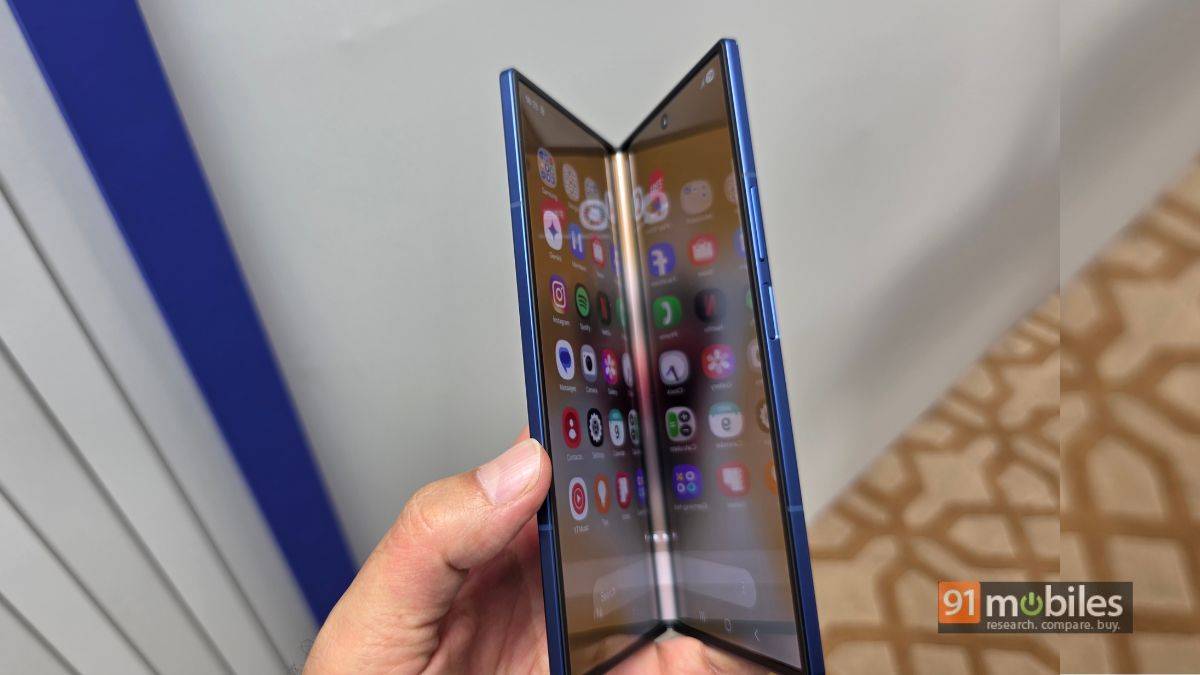 Compared to competitors like the Vivo X Fold 5, which also boasts over 600,000 folds, Samsung’s emphasis here is more on the integrity of the display, rather than just the mechanical strength of the hinge.
Samsung has also improved everyday usability by enlarging both the internal and external displays. The main screen now measures 8 inches (up from 7.6 inches on the Fold 6), providing a more immersive experience for multitasking or entertainment. Meanwhile, the cover display now has a 6.5-inch panel with a more conventional aspect ratio, closer to that of traditional slab phones like the Galaxy S25 Ultra, making it easier to type and use single-handedly. That said, we will reserve our verdict on the crease on the Z Fold7’s main screen in our full review. Back when we reviewed the Z Fold6, we found the crease to be less pronounced but still visible.
The Galaxy Z Fold 7 is powered by the Snapdragon 8 Gen 4 Elite for Galaxy, features a 200MP primary camera, and comes with a 4,400mAh battery that supports 25W charging. It launched in India at a starting price of Rs 1,74,999.

- Samsung Galaxy Z Fold7
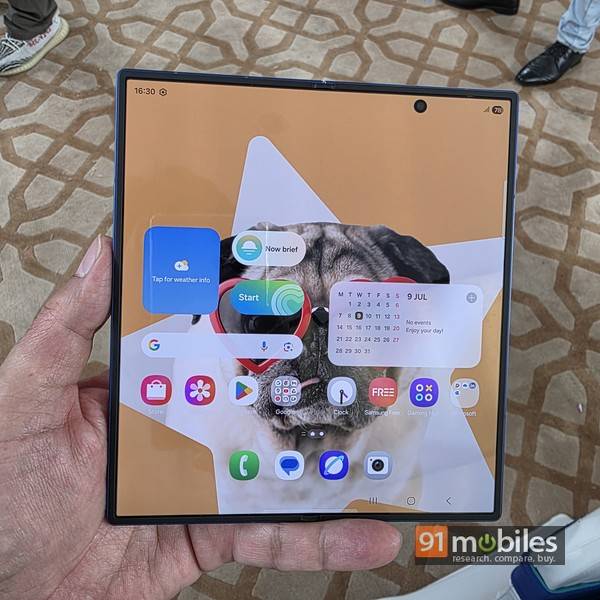
For anyone hesitant to try foldables due to durability concerns, the Galaxy Z Fold 7 positions itself as one of the more confidence-inspiring options yet. It’s not just about being thinner or faster; Samsung seems keen to project the Fold 7 as a long-lasting alternative to typical foldables. That said, existing Galaxy Z Fold 5 or Z Fold 6 users may not find enough incentive to upgrade, unless the larger displays or sleeker form factor are must-haves.
First-time foldable buyers or Galaxy S-series users looking to move to a more productivity-oriented format will likely find the Fold 7 a compelling, if expensive, alternative.
Samsung’s focus this year for the Fold leans toward refinement and reliability, rather than introducing radical design changes. That seems like a deliberate move, as the market for foldables becomes more crowded; building long-term user trust is now more valuable than novelty. As Chinese brands continue pushing price-to-specs ratios, Samsung is anchoring its foldables as durable luxury devices, meant to outlast the competition.
And Samsung’s strategy seems to be working, as the brand recently announced record-breaking pre-orders for its foldable phones. The Galaxy Z Fold 7, Z Flip 7, and Z Flip 7 FE secured a combined total of 2,10,000 pre-orders in the first 48 hours since their launch on July 9th. These numbers match the record previously set by Samsung’s mainstream Galaxy S25 series.
While the Galaxy Z Fold 7 may not revolutionise the foldable category (Samsung’s upcoming tri-fold foldable just might), it reinforces it. By addressing a critical barrier to adoption, such as durability anxiety, Samsung is setting the tone for the next phase of foldables: practical, premium, and built to last. That said, we will reserve our final judgment until we publish our review of the Galaxy Z Fold7.