WhatsApp is experimenting with a small design refresh while also testing a potential paid subscription tier, according to details spotted in recent beta versions of the app. The visual tweak was first reported by WABetaInfo, which tracks upcoming WhatsApp features.
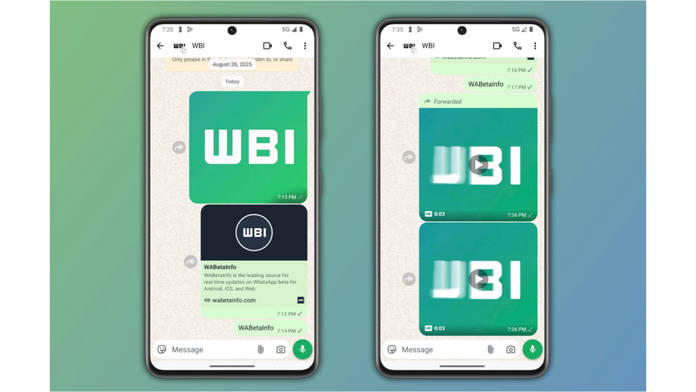
In the Android beta version 2.26.9.9, the familiar speech-bubble style used in chats is being replaced with more rounded message bubbles. The small “tail” that usually points toward the sender is also being removed. It’s a subtle change, but it alters how chats look. Without the tail, messages align more cleanly with the edge of the screen and the uneven indents in chat threads disappear. The result is a flatter, softer design that matches the rounded look many mobile apps have adopted in recent years.
Interface updates like this don’t happen often on WhatsApp. With billions of users worldwide, the app has tended to keep its layout fairly stable, so even minor visual adjustments tend to roll out gradually through beta builds before reaching everyone.
At the same time, WhatsApp appears to be testing a new subscription option. Some beta users may see a banner in the Settings menu inviting them to join a waitlist for a WhatsApp Premium plan. The feature has not launched yet and pricing details are still unknown.
Early information suggests the subscription could unlock additional customization options, including alternative app icons, unique themes and more notification or call ringtones. Premium users may also be able to pin up to 20 chats at the top of their chat list, increasing the current limit available in the free version.
The company is also exploring more advanced tools tied to the subscription. According to WABetaInfo, future Premium features could include AI-powered options to generate custom themes and wallpapers or help edit images and videos directly within the app. The move could be another attempt by Meta to build new revenue streams around WhatsApp. The messaging platform has historically remained free for users, with most monetisation coming from business messaging tools rather than consumer subscriptions.
Other messaging apps have already tested similar approaches. Telegram offers a paid Telegram Premium tier with additional limits and features, while Snapchat introduced Snapchat+ with customization and early-access tools.
For most users, the design refresh will likely be the more noticeable change once it rolls out widely. The Premium tier, if it launches, would mainly appeal to people who want deeper customization or manage a large number of chats and want quicker access to them.