WhatsApp says usernames will have anti-impersonation measures after India raises concerns


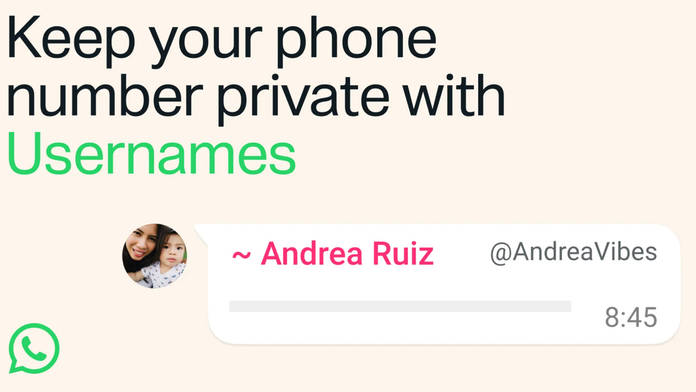
WhatsApp is set to bring about a huge change in its fundamental way of connecting users in the form of usernames, but the Indian government has reportedly already raised eyebrows at the feature. According to a Moneycontrol report citing government sources, the Centre has directed Meta not to introduce WhatsApp usernames in India until consultations on the feature are completed. The reported move comes seemingly due to potential risks of impersonation, user identification and platform safety.
In response, a WhatsApp spokesperson said the feature is not yet live and will roll out gradually later this year with several safeguards designed to prevent abuse. WhatsApp has also outlined how its upcoming usernames feature will work.
Show Full Article
WhatsApp usernames privacy concerns
In a statement shared by Meta, the company said users will still need a phone number to create and use a WhatsApp account even after usernames become available. The feature is intended to let people connect without sharing their mobile numbers, but only if they know the exact username of the person they want to message.
To reduce impersonation risks, the company said it has reserved usernames for public figures, government entities, celebrities and verified Meta accounts. It has also blocked lookalike variations of well-known names from being claimed by other users.
The company added that it will limit how many new people an account can contact, prevent repeated attempts to guess usernames and use automated systems to detect and remove suspicious activity. When users receive a message from someone via a username for the first time, WhatsApp will also display contextual information, including whether the sender is a new account, an existing contact, shares common groups or is based in another country.
WhatsApp usernames India rollout could be delayed
The response from WhatsApp comes after government sources reportedly said that Meta has been asked to submit a detailed explanation of the feature within three days and not launch it in India until consultations conclude. Officials are examining whether username-based communication could increase the risk of impersonation or misuse on one of the country’s largest messaging platforms.
WhatsApp had earlier announced that users would be able to reserve unique usernames before the feature becomes widely available later this year, but it has not confirmed a launch timeline for India. It’s unclear what happens to those usernames that have already been reserved by users though they’re unlikely to be impacted by this, as this could be a temporary pause to the rollout.
If introduced, the feature would bring WhatsApp closer to rivals such as Telegram, Signal and Discord, which already allow users to communicate without revealing their phone numbers. For users, the added privacy could be useful, particularly when interacting with businesses or new contacts. However, the government’s reported intervention suggests that any India rollout may depend on whether regulators are satisfied with the platform’s safeguards against fraud and impersonation.