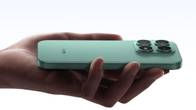
Xiaomi used IFA 2026 in Berlin to make its formal debut at the show, and it went big. The company’s booth spanned over 3,300 square metres, its largest standalone overseas exhibition to date, packed with more than 380 products spanning phones, home appliances, wearables, and cars. The showcase centred on Xiaomi’s Human x Car x Home ecosystem, bringing the company’s personal devices, smart homes, and vehicles into one AI-driven system.
Table of Contents
What Xiaomi actually showed
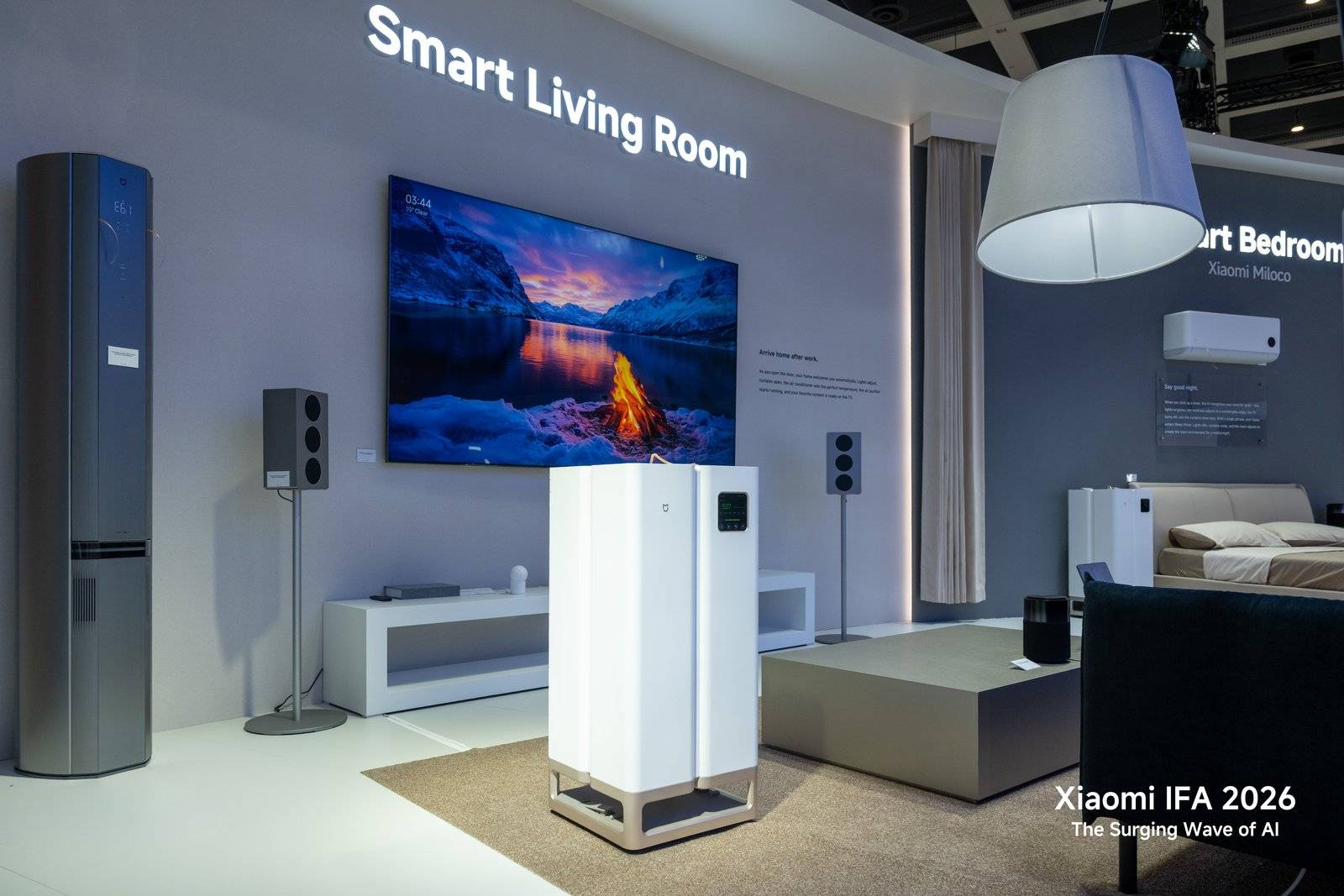
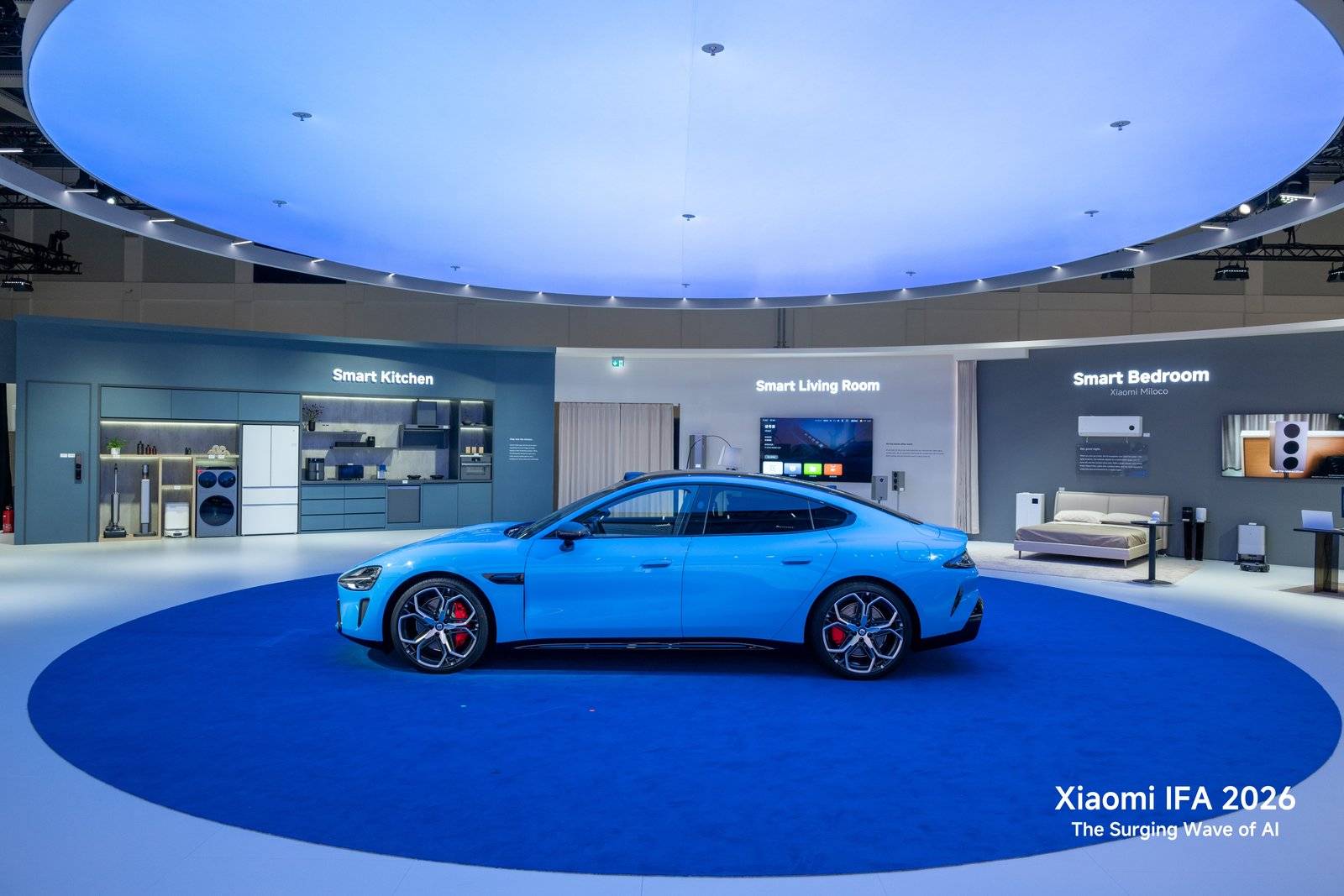
The exhibition was split into three zones. AI Tomorrow leaned conceptual, headlined by the Xiaomi Vision Gran Turismo, an electric hypercar concept built for the Gran Turismo game franchise, marking Xiaomi as the first tech company to join that program. AI Today was built around real-world use cases, centred on the Xiaomi SU7 Max and a set of connected home environments – kitchen, living room, bedroom, and study – demonstrating how the company’s devices are meant to work together. The rest of the floor covered Xiaomi’s broader product range across cooking, home cleaning, air management, entertainment, security, personal devices, and mobility.
 Xiaomi Auto is heading to Europe in 2027
The clearest piece of forward-looking news from the event is timing: Xiaomi confirmed Xiaomi Auto will enter European markets, including Germany, in 2027. Three vehicles were on the show floor tracing that path, the Vision Gran Turismo concept, the new-generation Xiaomi SU7, and the performance-focused Xiaomi SU7 Ultra, which set a production car record at the Nürburgring Nordschleife in the Electric Executive Car category back in April 2025. Xiaomi says it has delivered over 700,000 vehicles in mainland China since its first delivery in March 2024, with the SU7 Ultra also racking up strong order numbers of its own domestically.
 Mijia’s smart home push into Europe
Alongside the car news, Xiaomi announced it’s expanding Mijia, its smart home brand, more broadly across Europe. Mijia recently entered India and currently offers more than 2,000 products across over 130 categories, all tied together through the Xiaomi Home app. The company is positioning this less as connecting individual appliances and more as getting devices to coordinate with each other, adjusting lighting, temperature, and other settings based on context, such as time of day or what a user is doing.
Talking numbers
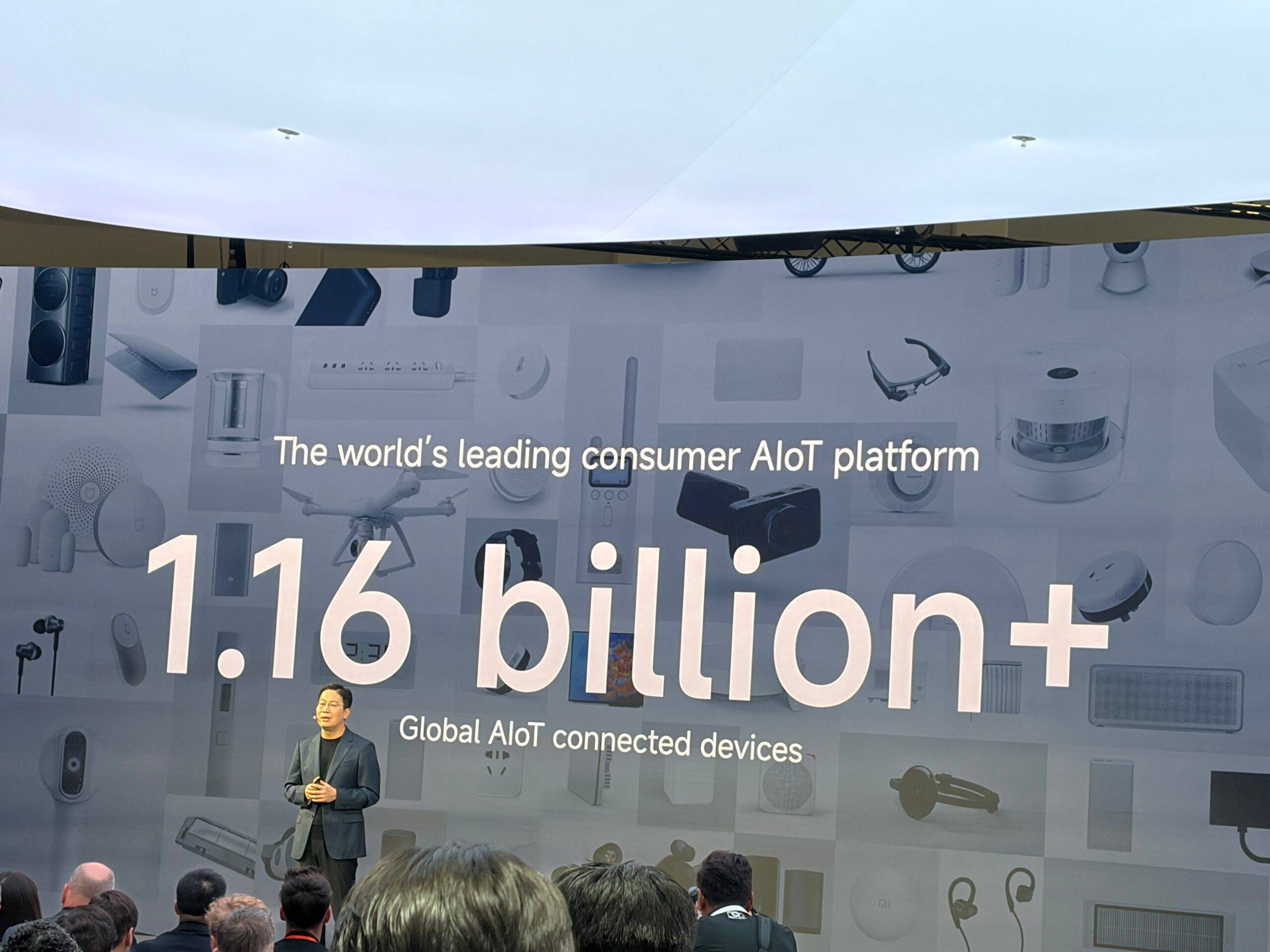
Xiaomi backed up its ecosystem push with some solid numbers. The company says its smartphone shipments have ranked among the global top three for 24 consecutive quarters, its tablets have sat in the global top five for nine straight quarters, and its wearables rank second globally. Beyond personal devices, Xiaomi says it now has over 1.1 billion connected devices worldwide (not counting phones, tablets, and laptops), serving more than 175 million users and households.
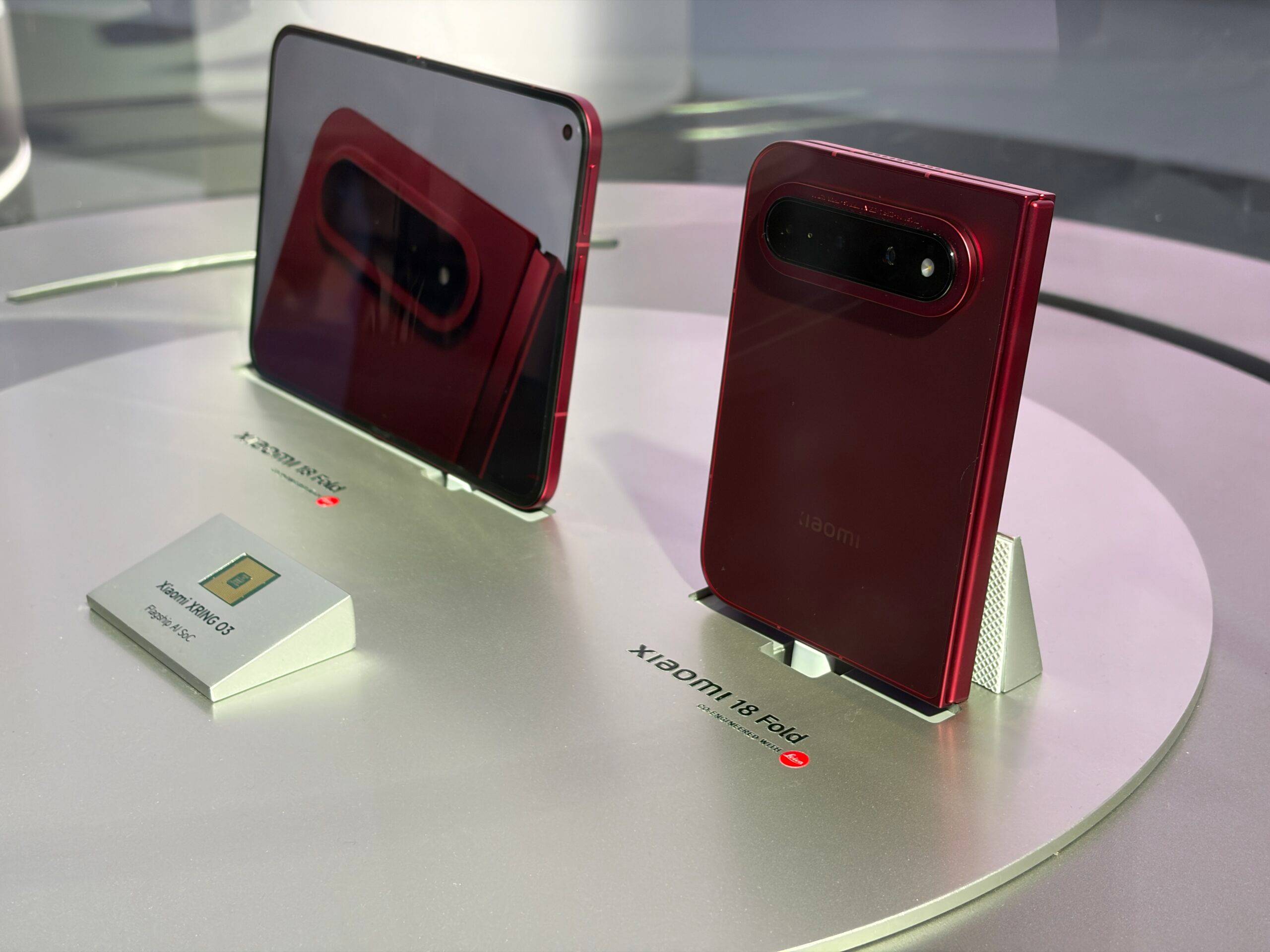
None of this changes anything for Xiaomi’s India lineup directly; IFA is very much a Europe-facing show. But it’s a useful marker of how aggressively Xiaomi is trying to position itself as a full ecosystem player rather than just a phone or appliance brand, and the fact that cars, robotics, and in-house silicon are all being pushed at the same event says a lot about where the company sees its next phase of growth. This same ecosystem is also expanding in India with the entry of Mijia, but it’s worth watching how much of what Xiaomi has showcased at IFA 2026 eventually filters down to Xiaomi’s India strategy.
Disclosure: The writer is attending Xiaomi’s debut IFA 2026 showcase in Berlin on Xiaomi India’s invitation.