
iQOO Neo 9 Pro
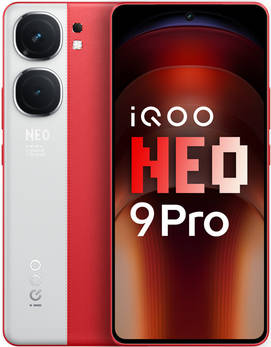
+ Compare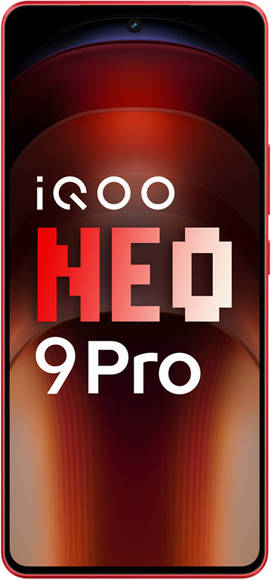
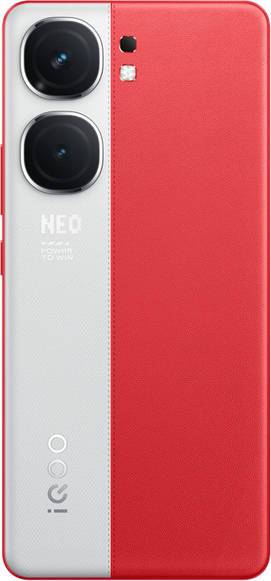

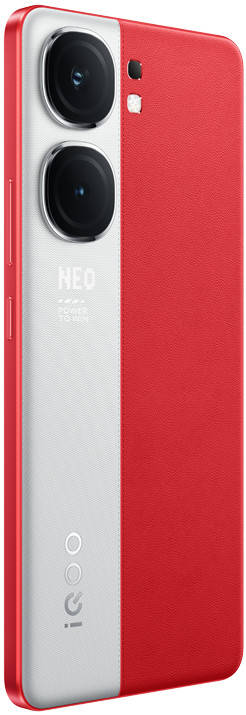
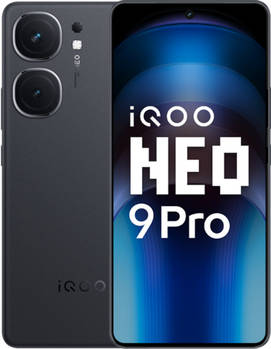
-
Design18

-
Rear Camera12

-
Front Camera4

-
360° View
![360° View]()
-
UI Screenshot17
![UI Screenshot]()
-
Videos1
![Videos]()



Key Specs
Performance
-
Qualcomm Snapdragon 8 Gen 2 -
Octa core (3.2 GHz, Single Core + 2.8 GHz, Quad core + 2 GHz, Tri core) -
8 GB / 12 GB RAM, LPDDR5X
Display
-
6.78 inches (17.22 cm); AMOLED -
1260x2800 px (FHD+) -
144 Hz Refresh Rate -
Bezel-less with punch-hole display
Rear Camera
-
Dual Camera Setup - 50 MP (upto 20x Digital Zoom) Wide Angle Primary Camera
- 8 MP Ultra-Wide Angle Camera
-
LED Flash -
4k @30 fps Video Recording
Front Camera
-
16 MP Wide Angle Lens -
Full HD @30 fps Video Recording
Battery
-
5160 mAh, Li-Polymer -
120W Flash Charging; USB Type-C port
General
-
SIM1: Nano, SIM2: Nano -
5G Supported -
128 GB / 256 GB internal storage, Non Expandable
iQOO Neo 9 Pro Prices in India
 Flipkart
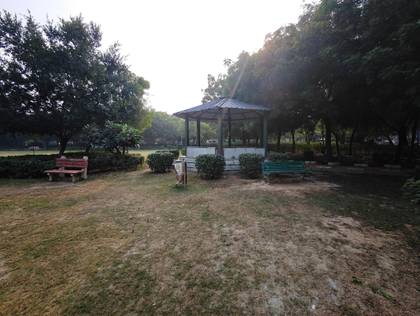
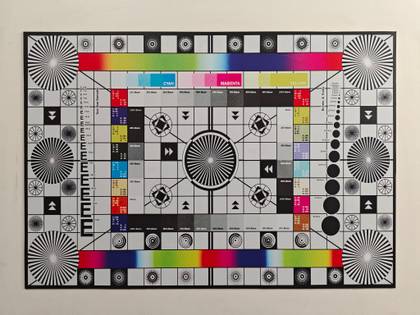
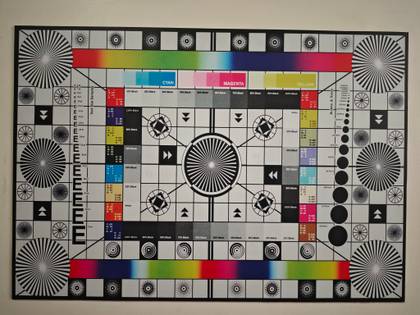
iQOO Neo 9 Pro Compare Camera Samples























iQOO Neo 9 Pro Expert Review Summary
Expert Rating:
![Abhik Sengupta]()
Verdict
The iQOO Neo 9 Pro keeps up the Neo 7 Pro's legacy as a reliable performance-oriented smartphone with a not-so-high sticker price. The 50MP primary camera works well in daylight and low-light conditions, though the ultra-wide camera can use some improvements. If a good battery and fast charging matter to you, again, the Neo 9 Pro won't disappoint. But for an immersive Android ecosystem, the OnePlus 12, which also rocks Snapdragon 8 Gen 2, will be a better bet.
Pros
- Reliable performance
- Smooth gaming
- Good 50MP primary camera
- 120W charging
Cons
- Average 8MP ultra-wide camera
- Boring design
Design and display
+
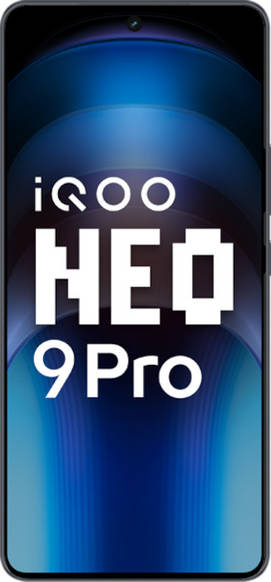
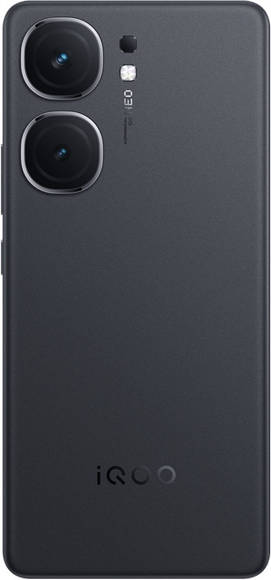
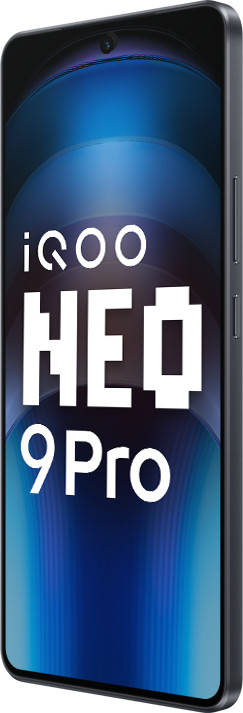
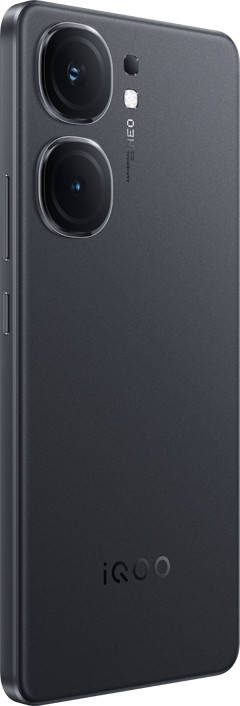
While the iQOO Neo 9 Pro does not reuse the iQOO Neo 7 Pro's boxy design, the finish on the Black variant, which I am reviewing, remains similar to the predecessor. The build is mostly plastic, which explains the aggressive pricing. The rear panel leaves a satin-like finish and does a reliable job of hiding fingerprint smudges and scratches. Also, there's no headphone jack.If you prefer a sporty appearance, iQOO offers a Red-White option that the company calls Fiery Red colour. It incorporates vegan leather patches, aligning this variant with competitors such as the Redmi Note 13 Pro+ and Motorola Edge 40. I find the Red-White colour scheme a bit too loud for my taste, but then the design can be subjective.Overall, both variants look bland to my taste. In that case, I might go with the OnePlus 12R or Redmi Note 13 Pro+ purely in terms of design. It's worth mentioning that the iQOO Neo 9 Pro boasts a slimmer profile compared to its counterparts, measuring just 7.99mm in thickness.iQOO Neo 9 Pro's display now offers 1.5K resolutions (2,400 x 1,260 pixels) instead of Full-HD+ resolution (2,800 x 1080 pixels). The phone still boasts a flat 6.78-inch AMOLED display with a maximum refresh rate of 144Hz. While the viewing experience is slightly punchier on the OnePlus 12R, the iQOO Neo 9 Pro won't disappoint either. Apps, including Netflix, are well-optimised and offer HDR playback. Its dual speakers also provide a loud and balanced output, but the audio lacks bass.Even for gaming, the iQOO Neo 9 Pro's flat screen offers a better touch response than the OnePlus 12R's curved display.
Read More
Cameras
+
The iQOO Neo 9 Pro focuses on a basic yet refined camera experience. The rear camera module includes a 50MP primary and an 8MP ultra-wide camera. There's no periscope-style telephoto camera, which remains limited to the flagship iQOO 12.Photos captured during my review include a mild sepia-like effect, which can look pleasing but at the cost of accurate colours. The primary camera captures crisp details without increasing the noise in the image. I compared the primary camera's results with the OnePlus 12R, and iQOO Neo 9 Pro exhibited better performance in both day and low light. The 50MP camera also excels at capturing portrait shots, delivering a rich bokeh effect. However, portrait shots may exhibit excessive saturation, which can be cumbersome to fix during editing.Photos with the 8MP ultra-wide camera are average at best. There's a degree of consistency between photos with wide and ultra-wide lenses, which is a good feature. But ultra-wide images can often lack sharpness.The iQOO Neo 9 Pro still utilises a 16MP front camera, capable of capturing fantastic selfies in daylight. The front camera may occasionally oversaturate skin tones, although details remain crisp. Portrait shots with the front camera also exhibit clarity, but edge detection can be inconsistent. While the overall performance of the selfie camera in daylight is reliable, images taken at night may lack consistency in both accurate skin tone detection and details.As mentioned, the phone can record 8K videos, which can be tricky to use. While colours in controlled lighting may look good and balanced, the file size may be difficult to manage. For instance, a 20-second 8K footage is around 135MB, while the same file in 4K would be around 60MB. The phone also tends to heat up faster in 8K than in 4K, and there's very poor stabilisation. I advise you to take videos in ultra stabilisation mode (Full-HD, 60fps) as the results will be more than satisfactory.The front camera sadly still gets full-HD recording at 30fps.
Read More
Performance and software
+
The Snapdragon 8 Gen 2 SoC on the iQOO Neo 9 Pro offers a big performance leap over the Snapdragon 8 Gen 1 SoC-powered iQOO Neo 7 Pro. The variant I am testing includes 12GB of LPDDR5X RAM and 256GB of UFS 4 storage.In the Geekbench single-core and multi-core tests, iQOO Neo 9 Pro showed roughly 20 and 28 percent gains, respectively. Even the AnTuTu score improved by approximately 24 percent. The CPU Throttling test also showcased impressive stability, though the result seemed too good to be true. One explanation could be iQOO Neo 9 Pro's larger 6,043mm sq vapour chamber cooling. Better stability could also be due to the dedicated Q1 performance chip. It could also be due to a bug in the app.At least the phone ran without stutters and lags in real life. Even the gaming experience is refined, thanks to 4D haptics (via gaming mode) and flat display. I compared the gaming experience by playing BGMI and Call of Duty on iQOO Neo 9 Pro and the OnePlus 12R, and the former provided a relatively more refined experience.But when it comes to a clean Android experience, the OnePlus 12R is a step ahead. The iQOO Neo 9 Pro is eligible for three years of major Android OS, which is decent, though this could be better to compete with the likes of Samsung and Google.
Read More
Battery and charging
+
The iQOO Neo 9 Pro now houses a relatively bigger 5,160mAh battery, which can provide all-day battery with standard usage. With performance mode enabled, I was getting around 8.5 hours of screen time, which is quite good. Unfortunately, we were unable to conduct the backup test on PCMark's battery test due to a bug in the app. We will update this section later.With the bundled 120W charger, the iQOO 9 Pro attained full charge in around 35 minutes.
Read More
Read full Review

Verdict
The iQOO Neo 9 Pro keeps up the Neo 7 Pro's legacy as a reliable performance-oriented smartphone with a not-so-high sticker price. The 50MP primary camera works well in daylight and low-light conditions, though the ultra-wide camera can use some improvements. If a good battery and fast charging matter to you, again, the Neo 9 Pro won't disappoint. But for an immersive Android ecosystem, the OnePlus 12, which also rocks Snapdragon 8 Gen 2, will be a better bet.
- Reliable performance
- Smooth gaming
- Good 50MP primary camera
- 120W charging
Pros
- Average 8MP ultra-wide camera
- Boring design
Cons
Design and display
+While the iQOO Neo 9 Pro does not reuse the iQOO Neo 7 Pro's boxy design, the finish on the Black variant, which I am reviewing, remains similar to the predecessor. The build is mostly plastic, which explains the aggressive pricing. The rear panel leaves a satin-like finish and does a reliable job of hiding fingerprint smudges and scratches. Also, there's no headphone jack.If you prefer a sporty appearance, iQOO offers a Red-White option that the company calls Fiery Red colour. It incorporates vegan leather patches, aligning this variant with competitors such as the Redmi Note 13 Pro+ and Motorola Edge 40. I find the Red-White colour scheme a bit too loud for my taste, but then the design can be subjective.Overall, both variants look bland to my taste. In that case, I might go with the OnePlus 12R or Redmi Note 13 Pro+ purely in terms of design. It's worth mentioning that the iQOO Neo 9 Pro boasts a slimmer profile compared to its counterparts, measuring just 7.99mm in thickness.iQOO Neo 9 Pro's display now offers 1.5K resolutions (2,400 x 1,260 pixels) instead of Full-HD+ resolution (2,800 x 1080 pixels). The phone still boasts a flat 6.78-inch AMOLED display with a maximum refresh rate of 144Hz. While the viewing experience is slightly punchier on the OnePlus 12R, the iQOO Neo 9 Pro won't disappoint either. Apps, including Netflix, are well-optimised and offer HDR playback. Its dual speakers also provide a loud and balanced output, but the audio lacks bass.Even for gaming, the iQOO Neo 9 Pro's flat screen offers a better touch response than the OnePlus 12R's curved display.
Read MoreCameras
+The iQOO Neo 9 Pro focuses on a basic yet refined camera experience. The rear camera module includes a 50MP primary and an 8MP ultra-wide camera. There's no periscope-style telephoto camera, which remains limited to the flagship iQOO 12.Photos captured during my review include a mild sepia-like effect, which can look pleasing but at the cost of accurate colours. The primary camera captures crisp details without increasing the noise in the image. I compared the primary camera's results with the OnePlus 12R, and iQOO Neo 9 Pro exhibited better performance in both day and low light. The 50MP camera also excels at capturing portrait shots, delivering a rich bokeh effect. However, portrait shots may exhibit excessive saturation, which can be cumbersome to fix during editing.Photos with the 8MP ultra-wide camera are average at best. There's a degree of consistency between photos with wide and ultra-wide lenses, which is a good feature. But ultra-wide images can often lack sharpness.The iQOO Neo 9 Pro still utilises a 16MP front camera, capable of capturing fantastic selfies in daylight. The front camera may occasionally oversaturate skin tones, although details remain crisp. Portrait shots with the front camera also exhibit clarity, but edge detection can be inconsistent. While the overall performance of the selfie camera in daylight is reliable, images taken at night may lack consistency in both accurate skin tone detection and details.As mentioned, the phone can record 8K videos, which can be tricky to use. While colours in controlled lighting may look good and balanced, the file size may be difficult to manage. For instance, a 20-second 8K footage is around 135MB, while the same file in 4K would be around 60MB. The phone also tends to heat up faster in 8K than in 4K, and there's very poor stabilisation. I advise you to take videos in ultra stabilisation mode (Full-HD, 60fps) as the results will be more than satisfactory.The front camera sadly still gets full-HD recording at 30fps.
Read MorePerformance and software
+The Snapdragon 8 Gen 2 SoC on the iQOO Neo 9 Pro offers a big performance leap over the Snapdragon 8 Gen 1 SoC-powered iQOO Neo 7 Pro. The variant I am testing includes 12GB of LPDDR5X RAM and 256GB of UFS 4 storage.In the Geekbench single-core and multi-core tests, iQOO Neo 9 Pro showed roughly 20 and 28 percent gains, respectively. Even the AnTuTu score improved by approximately 24 percent. The CPU Throttling test also showcased impressive stability, though the result seemed too good to be true. One explanation could be iQOO Neo 9 Pro's larger 6,043mm sq vapour chamber cooling. Better stability could also be due to the dedicated Q1 performance chip. It could also be due to a bug in the app.At least the phone ran without stutters and lags in real life. Even the gaming experience is refined, thanks to 4D haptics (via gaming mode) and flat display. I compared the gaming experience by playing BGMI and Call of Duty on iQOO Neo 9 Pro and the OnePlus 12R, and the former provided a relatively more refined experience.But when it comes to a clean Android experience, the OnePlus 12R is a step ahead. The iQOO Neo 9 Pro is eligible for three years of major Android OS, which is decent, though this could be better to compete with the likes of Samsung and Google.
Read MoreBattery and charging
+The iQOO Neo 9 Pro now houses a relatively bigger 5,160mAh battery, which can provide all-day battery with standard usage. With performance mode enabled, I was getting around 8.5 hours of screen time, which is quite good. Unfortunately, we were unable to conduct the backup test on PCMark's battery test due to a bug in the app. We will update this section later.With the bundled 120W charger, the iQOO 9 Pro attained full charge in around 35 minutes.
Read MoreCompetitors For iQOO Neo 9 Pro
View Alternatives









Popular Comparisons
 iQOO Neo 9 Pro
 iQOO Neo 10
iQOO Neo 9 Pro
 iQOO Neo 10R
iQOO Neo 9 Pro
 Honor 90
iQOO Neo 9 Pro
 iQOO 12 5G
iQOO Neo 9 Pro
 vivo T2 Pro
iQOO Neo 9 Pro
 Motorola Edge 40 Neo 256GB


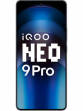

iQOO Neo 9 Pro Specifications
General |
|
|---|---|
| Launch Date | February 22, 2024 (Official) |
| Operating System | Android v14 |
| OS Updates | 3 Years |
| Security Updates | 4 Years |
| Custom UI | Funtouch OS |
Performance
(Very Good)
|
||||
|---|---|---|---|---|
| Chipset | Qualcomm Snapdragon 8 Gen 2 View Details | |||
| Processor | Octa core (3.2 GHz, Single core, Cortex X3 + 2.8 GHz, Quad core, Cortex A715 + 2 GHz, Tri core, Cortex A510) | |||
| Architecture | 64 bit | |||
| Fabrication | 4 nm | |||
| Graphics (GPU) | Adreno 740 | |||
| RAM | 8 GB / 12 GB | |||
| RAM Type | LPDDR5X | |||
| Cooling Technology | Hybrid Cooling System | |||
|
Gaming Test Results

* after 30 mins of gaming
|
||||
Benchmark Screenshots
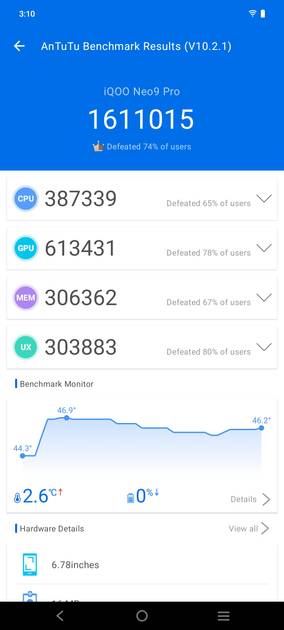
AnTuTu Benchmark
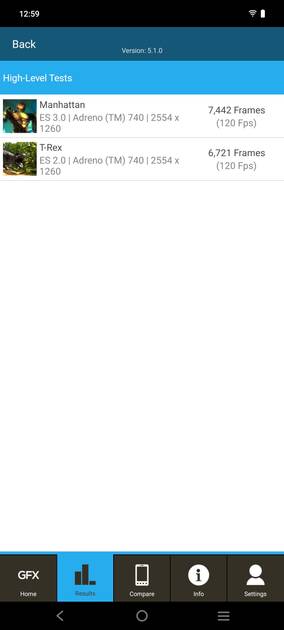
Graphics Benchmark
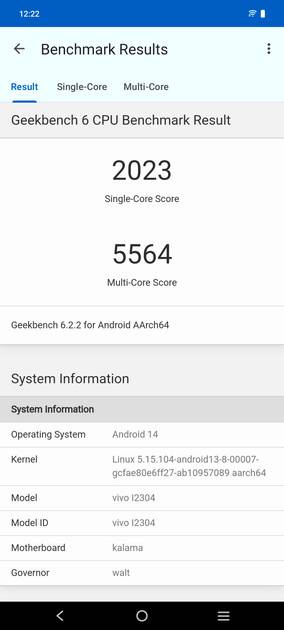
Geekbench6 Benchmark
|

Display
(Excellent)
|
|
|---|---|
| Display Type | AMOLED |
| Screen Size | 6.78 inches (17.22 cm) |
| Resolution | 1260x2800 px (FHD+) |
| Peak Brightness | 3000 nits |
| HBM Brightness | 1400 nits |
| PWM Dimming | 2160 Hz |
| Refresh Rate | 144 Hz |
| Touch Sampling Rate | 300 Hz |
| Aspect Ratio | 20:9 |
| Pixel Density | 453 ppi |
| Screen to Body Ratio (calculated) | 89.68 % |
| Bezel-less Display | Yes with punch-hole display |
| HDR 10 / HDR+ Support | Yes, HDR 10+ |
| Screen to Body Ratio (claimed by the brand) | 93.43 % |
UI Screenshots
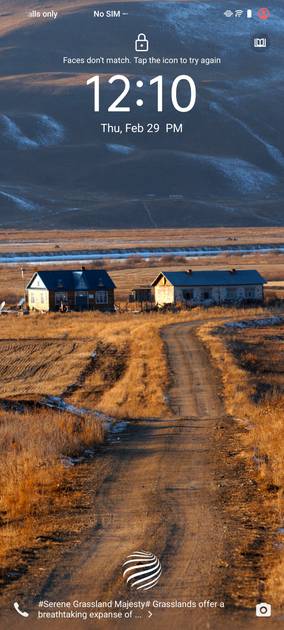
Lock Screen
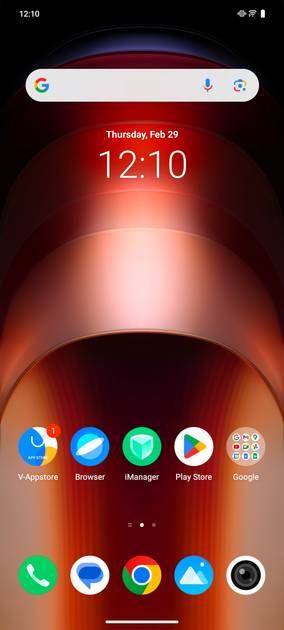
Home Screen
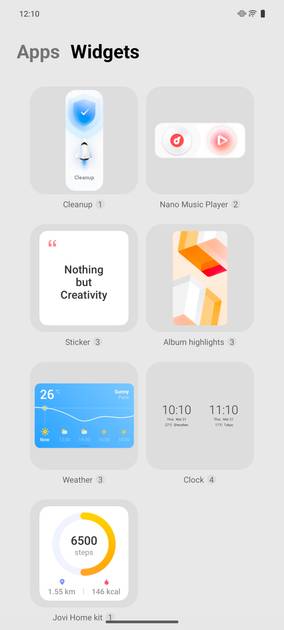
Screen With Widgets

Dialer Screen
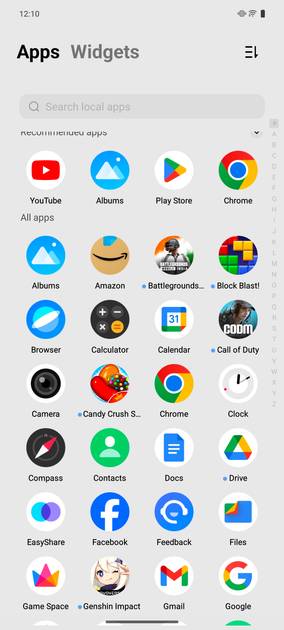
App Drawer
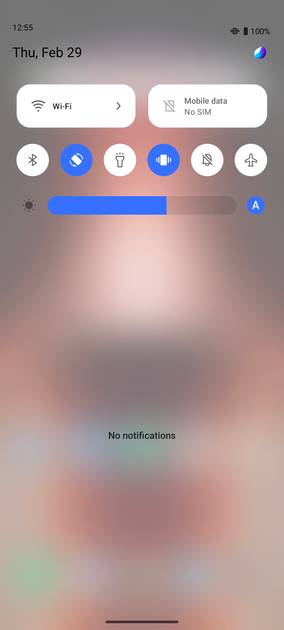
Notification Panel
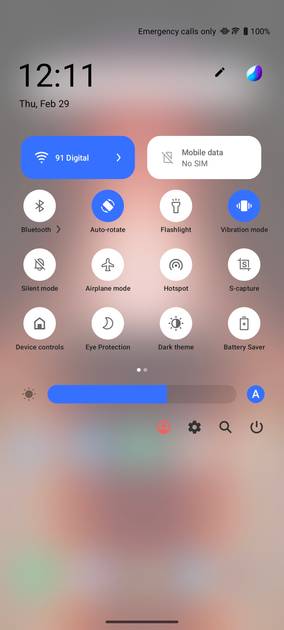
Quick Settings Panel
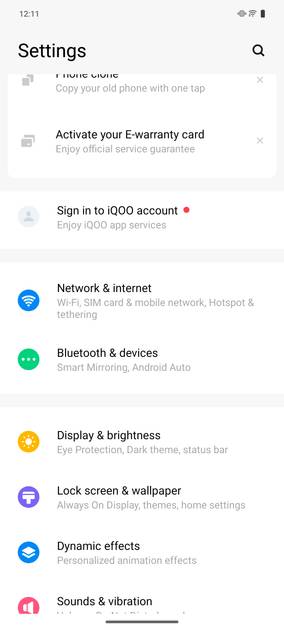
Settings Screen
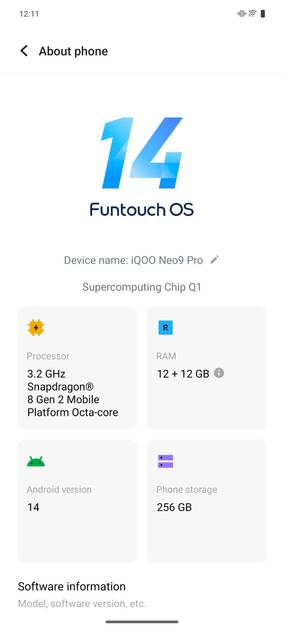
OS Version
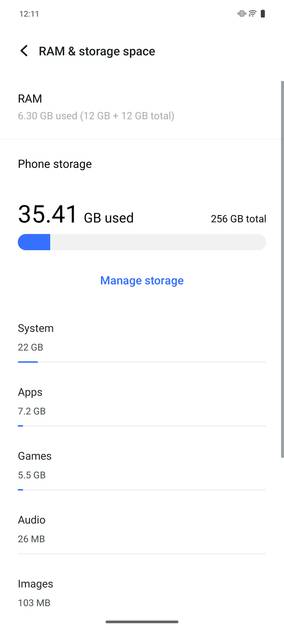
Storage
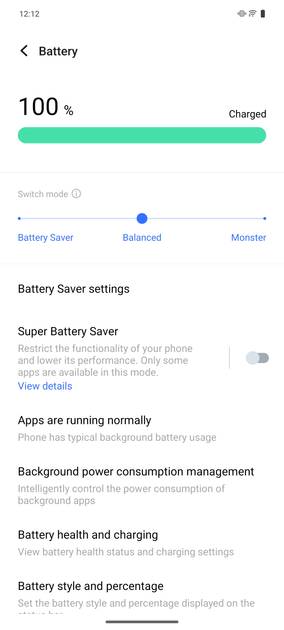
Battery
Camera On
Camera Options
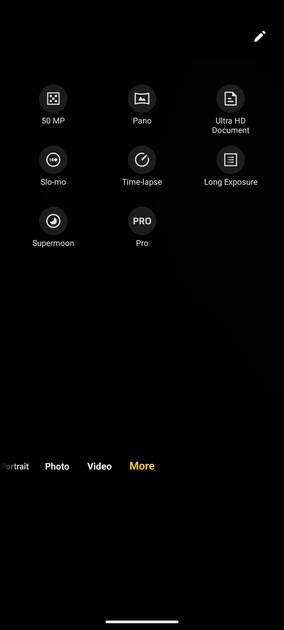
Camera Modes
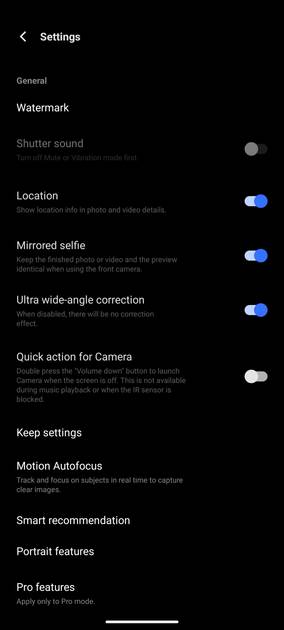
Camera Settings
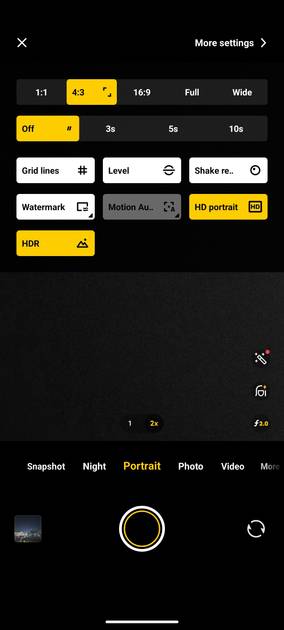
Picture Size Options
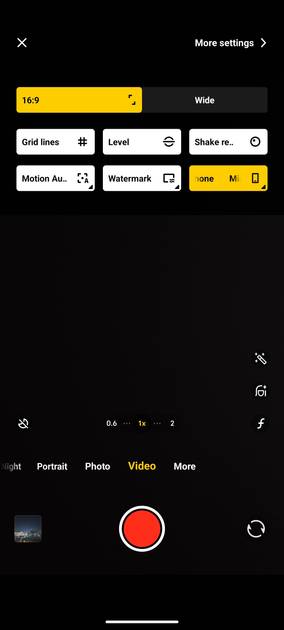
Video Size Options
|
Design |
|
|---|---|
| Height | 163.53 mm |
| Width | 75.68 mm |
| Thickness | 7.99 mm |
| Weight | 190 grams |
|
Click to View

|
Rear Camera
(Very Good)
|
|||||||||||||||||||||
|---|---|---|---|---|---|---|---|---|---|---|---|---|---|---|---|---|---|---|---|---|---|
| Resolution | |||||||||||||||||||||
|
|||||||||||||||||||||
| Autofocus | Yes | ||||||||||||||||||||
| OIS | Yes | ||||||||||||||||||||
| Flash | Yes, LED Flash | ||||||||||||||||||||
| Image Resolution | 8150 x 6150 Pixels | ||||||||||||||||||||
| Settings | Exposure compensation, ISO control | ||||||||||||||||||||
| Shooting Modes |
Continuous Shooting High Dynamic Range mode (HDR) SuperMoon |
||||||||||||||||||||
| Camera Features |
20 x Digital Zoom Auto Flash Face detection Touch to focus |
||||||||||||||||||||
| Video Recording | 4k @30 fps | ||||||||||||||||||||
| Video Recording Features | Video Pro Mode | ||||||||||||||||||||
Rear Camera Samples

Wide Angle

Portrait Shot

Night Mode OFF

Night Mode ON

Close Up

Low Light

Low Light With Flash
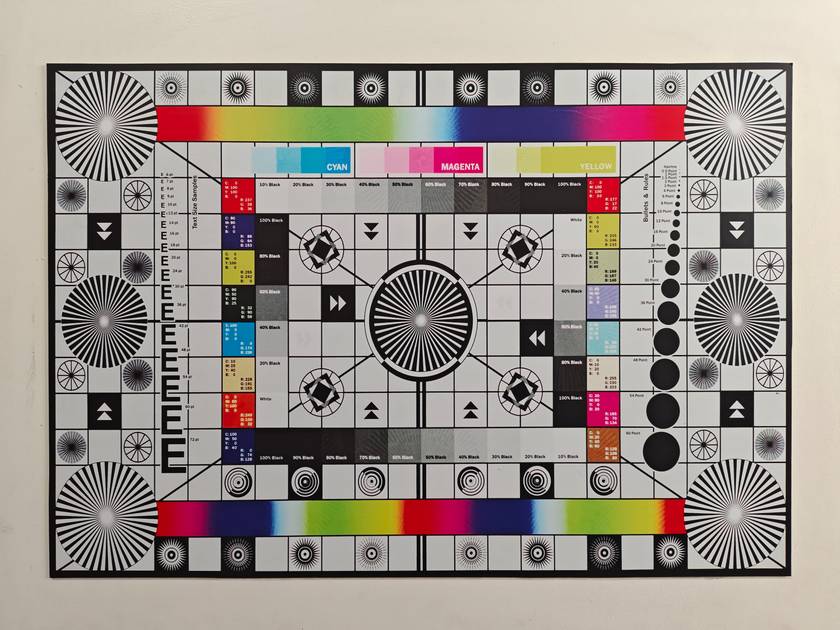
Colour Variance

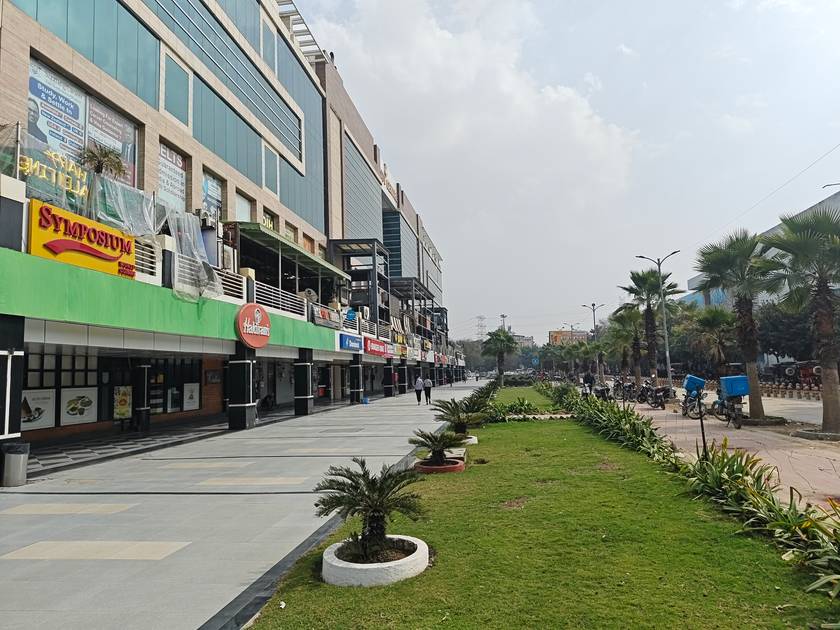
Daylight Auto / HDR OFF

Daylight / HDR ON
AI OFF
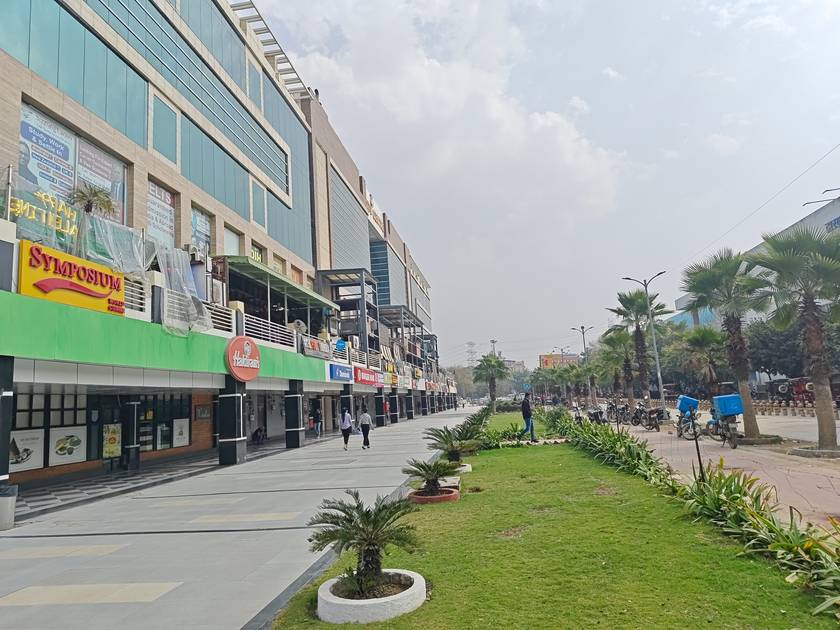
AI ON
|
Front Camera
(Very Good)
|
||||||||||
|---|---|---|---|---|---|---|---|---|---|---|
| Resolution | ||||||||||
|
||||||||||
| Video Recording | Full HD @30 fps | |||||||||
Front Camera Samples

Selfie

Selfie Portrait

Selfie Low Light

Selfie Low Light With Flash
|
Battery
(Very Good)
|
||
|---|---|---|
| Capacity | 5160 mAh | |
| Battery Type | Li-Polymer | |
| Quick Charging | Yes, 120W Flash Charging, 50% in 11 minutes | |
| Reverse Charging | Yes | |
|
Battery Test Results
|
Storage |
|
|---|---|
| Internal Storage | 128 GB / 256 GB |
| Storage Type | UFS 4.0 |
| Expandable Storage | No |
Network & Connectivity |
|
|---|---|
| SIM Slot(s) | Dual SIM |
| SIM Type | SIM1: Nano, SIM2: Nano |
| Network Support | 5G, 4G |
| VoLTE | Yes |
| SIM 1 |
5G bands, 4G bands
Expand
|
| SIM 2 |
5G bands, 4G bands
Expand
|
| SAR Value | Head: 0.988 W/kg, Body: 0.972 W/kg |
| Wi-Fi | Yes, Wi-Fi 7 (802.11 a/b/g/n/ac/be/ax) 5GHz 6GHz |
| Wi-Fi Features | Mobile Hotspot |
| Bluetooth | Yes, v5.3 |
| GPS | Yes with A-GPS, Glonass |
Multimedia |
|
|---|---|
| Stereo Speakers | Yes |
| Audio Jack | USB Type-C |
Sensors |
|
|---|---|
| Fingerprint Sensor | Yes |
| Fingerprint Sensor Position | On-screen |
| Fingerprint Sensor Type | Optical |
| Other Sensors | Light sensor, Proximity sensor, Accelerometer, Compass, Gyroscope |
iQOO Neo 9 Pro User Reviews
iQOO Neo 9 Pro Key Highlights
| Processor | Qualcomm Snapdragon 8 Gen 2 |
| RAM & Storage | 8 GB RAM + 128 GB 8 GB RAM + 256 GB 12 GB RAM + 256 GB |
| Display | 6.78", 1260 x 2800 Resolution |
| Rear Camera | 50 MP + 8 MP |
| Front Camera | 16 MP |
| Battery | 5160 mAh |
























iQOO Neo 9 Pro Price In India
| Product Name | Store | Price |
|---|---|---|
| iQOO Neo 9 Pro (8 GB + 128 GB) | Flipkart | ₹37,998 |
| iQOO Neo 9 Pro (8 GB + 256 GB) | Flipkart | ₹38,989 |
| iQOO Neo 9 Pro (12 GB + 256 GB) | Flipkart | ₹39,984 |
Popular Links
- All Upcoming Phones
- Upcoming iQOO Phones
- vivo V80 5G
- OPPO F35 Pro
- vivo S2 FE 5G
- OPPO Find X10
- Samsung Galaxy F70 5G
- Samsung Mobiles
- Motorola Mobiles
- vivo Mobiles
- OPPO Mobiles
- Tecno Mobiles
- realme Mobiles
- Xiaomi Mobiles